


Not every extraordinary landscape is crowded or widely advertised. Many of the world’s most remarkable natural sites remain quiet, shaped over centuries by climate and geography rather than tourism.
Here is a curated list of seven destinations where nature, culture, and conservation still exist in balance—offering experiences that feel both rare and deeply authentic.
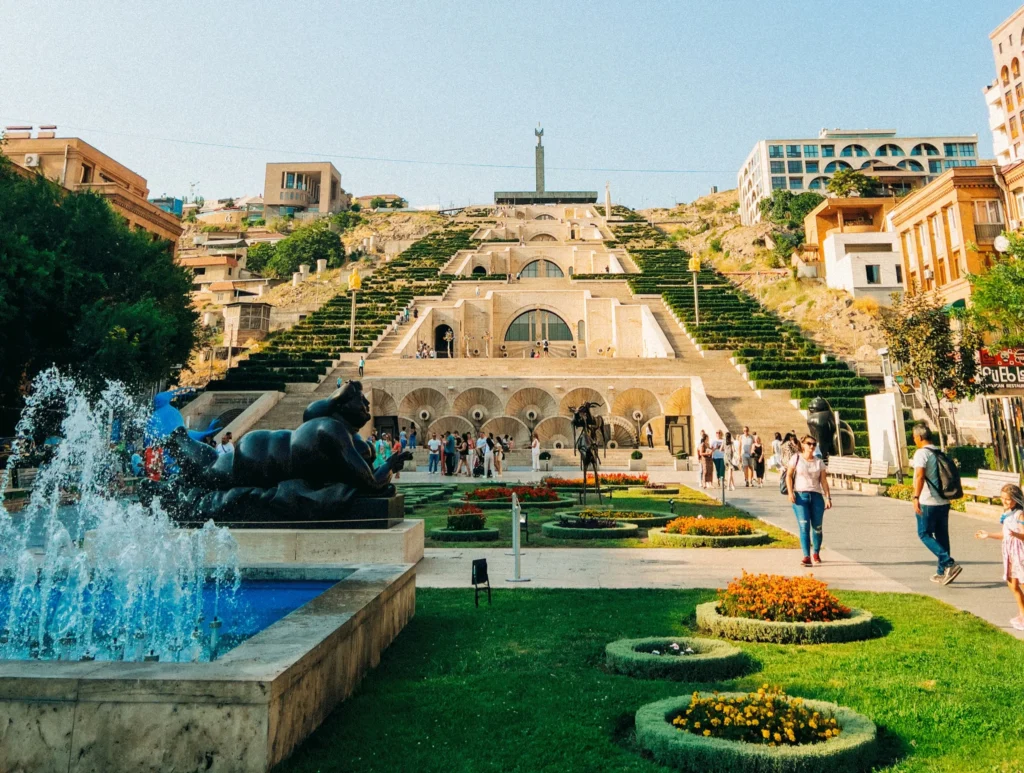
1. Altai Mountains, Mongolia
Located at the crossroads of Russia, China, and Kazakhstan, the Altai Mountains present a rugged expanse of glaciers, valleys, and open steppe.
The region supports traditional eagle hunting, where Kazakh nomads maintain a centuries-old partnership with golden eagles.
Travelers can explore remote trails, stay with local families, and witness a lifestyle shaped entirely by the rhythms of nature.
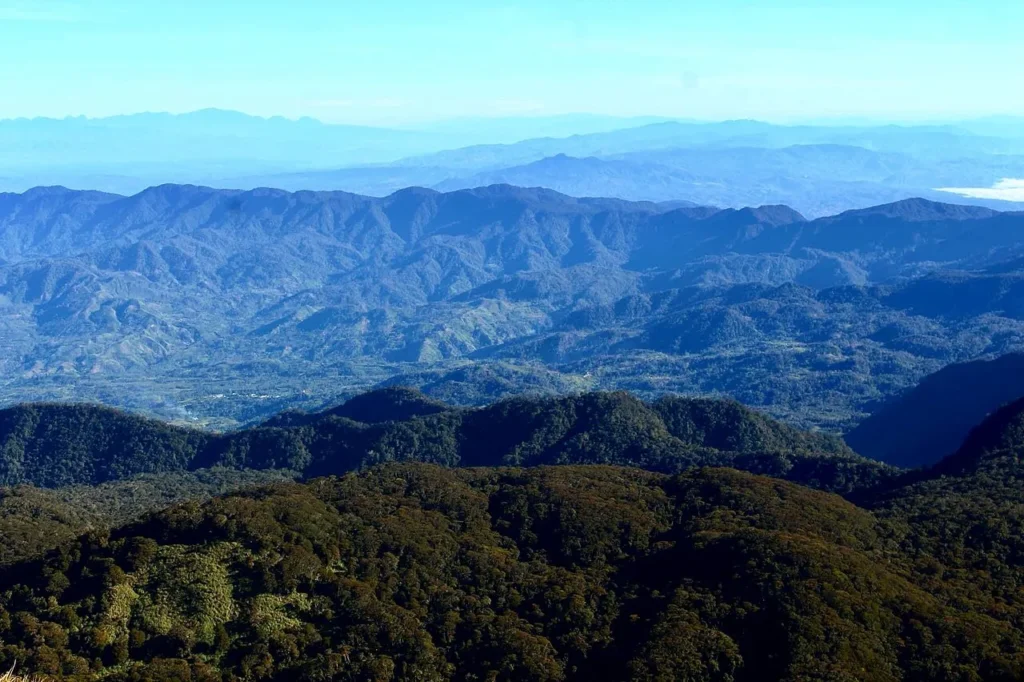
2. Great Bear Rainforest, Canada
Stretching across coastal British Columbia, the Great Bear Rainforest is one of the planet’s largest remaining temperate rainforests. Towering trees, salmon-filled rivers, and the rare white “spirit bear” define this ecosystem.
Indigenous communities play a central role in preserving the region, ensuring that tourism and conservation remain carefully balanced.

3. Tsingy de Bemaraha, Madagascar
The Tsingy de Bemaraha National Park is a striking limestone formation where jagged rock pinnacles create an almost impassable terrain. The landscape shelters unique wildlife, including species found nowhere else on Earth.
Visitors navigate the area through elevated walkways, allowing access without disturbing its fragile environment.
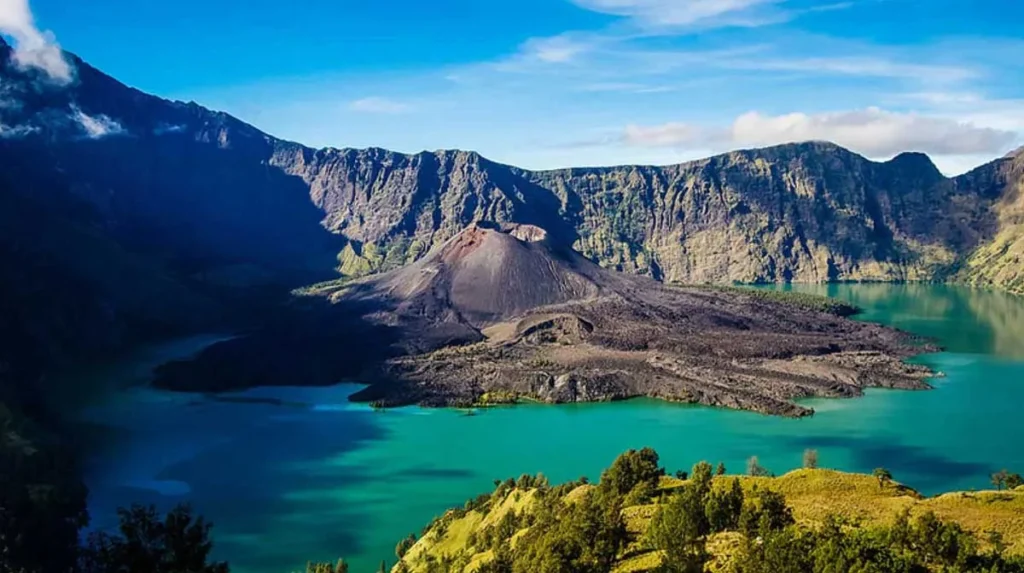
4. Raja Ampat, Indonesia
Widely regarded as one of the most biodiverse marine regions, Raja Ampat in Indonesia offers unmatched underwater ecosystems. Coral reefs here support thousands of fish and marine species.
Local conservation practices, including traditional fishing restrictions, help maintain the health of these waters while supporting sustainable tourism

5. Lençóis Maranhenses, Brazil
At first glance, Lençóis Maranhenses National Park appears to be a vast desert of white dunes. However, seasonal rains create clear lagoons between the dunes, transforming the landscape into a temporary oasis.
Local communities have adapted to this cycle, making it a unique example of life shaped by shifting environmental conditions.
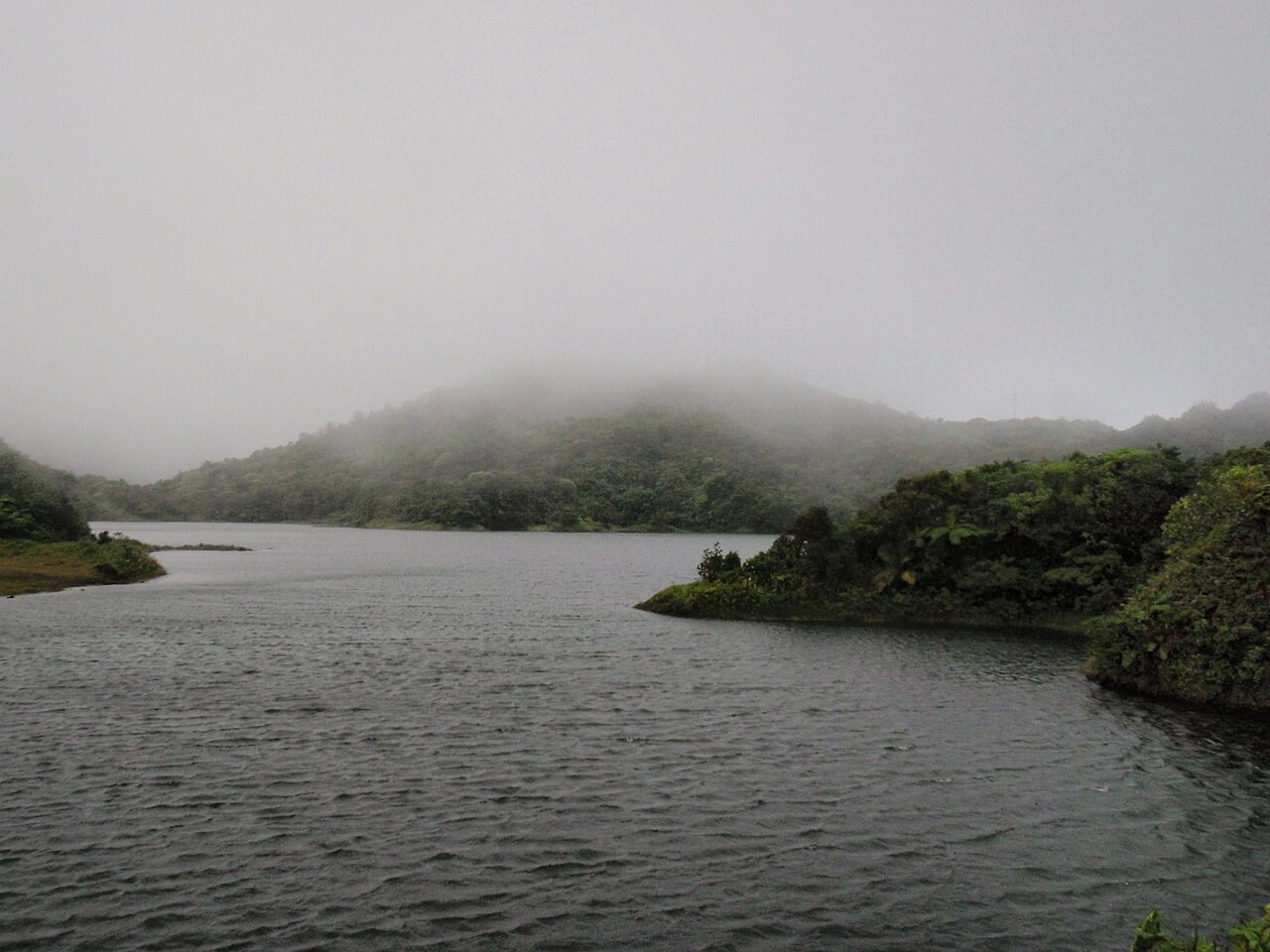
https://commons.wikimedia.org/wiki/File:Freshwater_lake_at_Morne_Trois_Pitons_National_Park.jpg
6. Morne Trois Pitons, Dominica
The Morne Trois Pitons National Park showcases volcanic landscapes, dense rainforest, and geothermal features such as boiling lakes and hot springs.
Dominica has prioritized eco-tourism over large-scale development, allowing visitors to experience an untouched Caribbean environment focused on sustainability.
https://commons.wikimedia.org/wiki/File:Bears_Ears_Peak_Bears_Ears_National_Monument.jpg
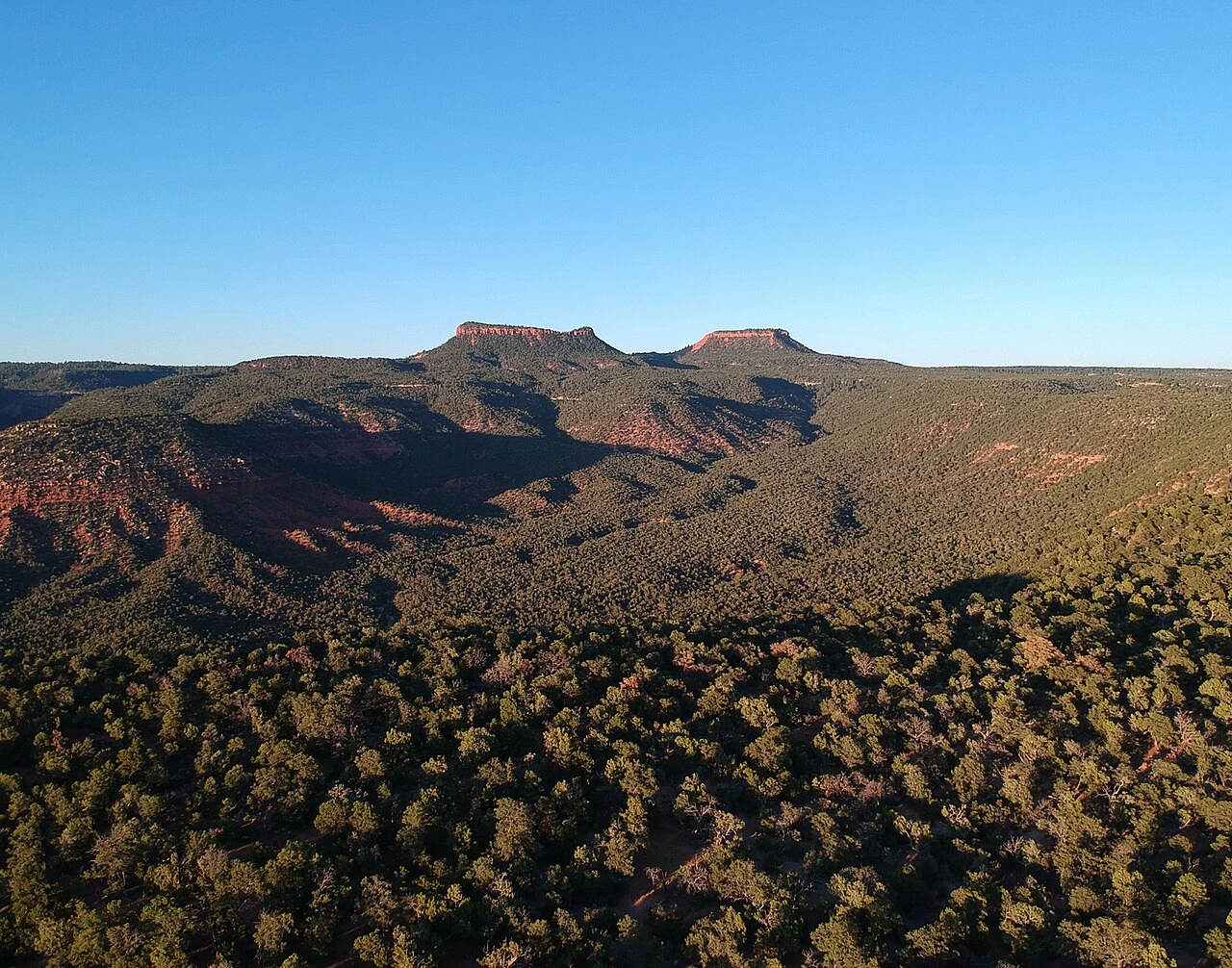
7. Bears Ears, United States
Located in Utah, Bears Ears National Monument is a vast desert region filled with canyons, rock formations, and ancient cultural sites. It holds deep significance for several Native American tribes.
The area combines natural beauty with historical importance, offering insight into both geological evolution and human heritage.
Bottom Line
These seven destinations highlight a different kind of travel experience, one that prioritizes depth over convenience and preservation over popularity.
From the remote Altai Mountains to the culturally significant Bears Ears National Monument, each location reflects a strong connection between natural systems and human history.
| Destination | Country | Key Landscape Type | Unique Feature | Best Time to Visit | Accessibility Level |
|---|---|---|---|---|---|
| Altai Mountains | Mongolia | Mountains & Steppe | Eagle hunting traditions, nomadic culture | June–September | Difficult |
| Great Bear Rainforest | Canada | Temperate Rainforest | Spirit bears, indigenous conservation | May–September | Moderate |
| Tsingy de Bemaraha | Madagascar | Limestone Karst | Sharp rock pinnacles, endemic wildlife | April–November | Moderate |
| Raja Ampat | Indonesia | Marine & Islands | Highest marine biodiversity | October–April | Difficult |
| Lençóis Maranhenses | Brazil | Sand Dunes & Lagoons | Seasonal freshwater lagoons | June–September | Moderate |
| Morne Trois Pitons | Dominica | Volcanic Rainforest | Boiling lake, geothermal features | November–April | Moderate |
| Bears Ears | United States | Desert & Canyons | Ancient dwellings, cultural heritage | March–May, Sept–Oct | Easy to Moderate |
What unites them is not just visual appeal, but the way they remain relatively undisturbed despite global tourism growth.
Visiting these places requires more planning and effort, yet the reward lies in experiencing landscapes that continue to evolve on their own terms.
Stay tuned with us. Further, follow us on social media for the latest updates.
Join us on Telegram Group for the Latest Aviation Updates. Subsequently, follow us on Google News
