

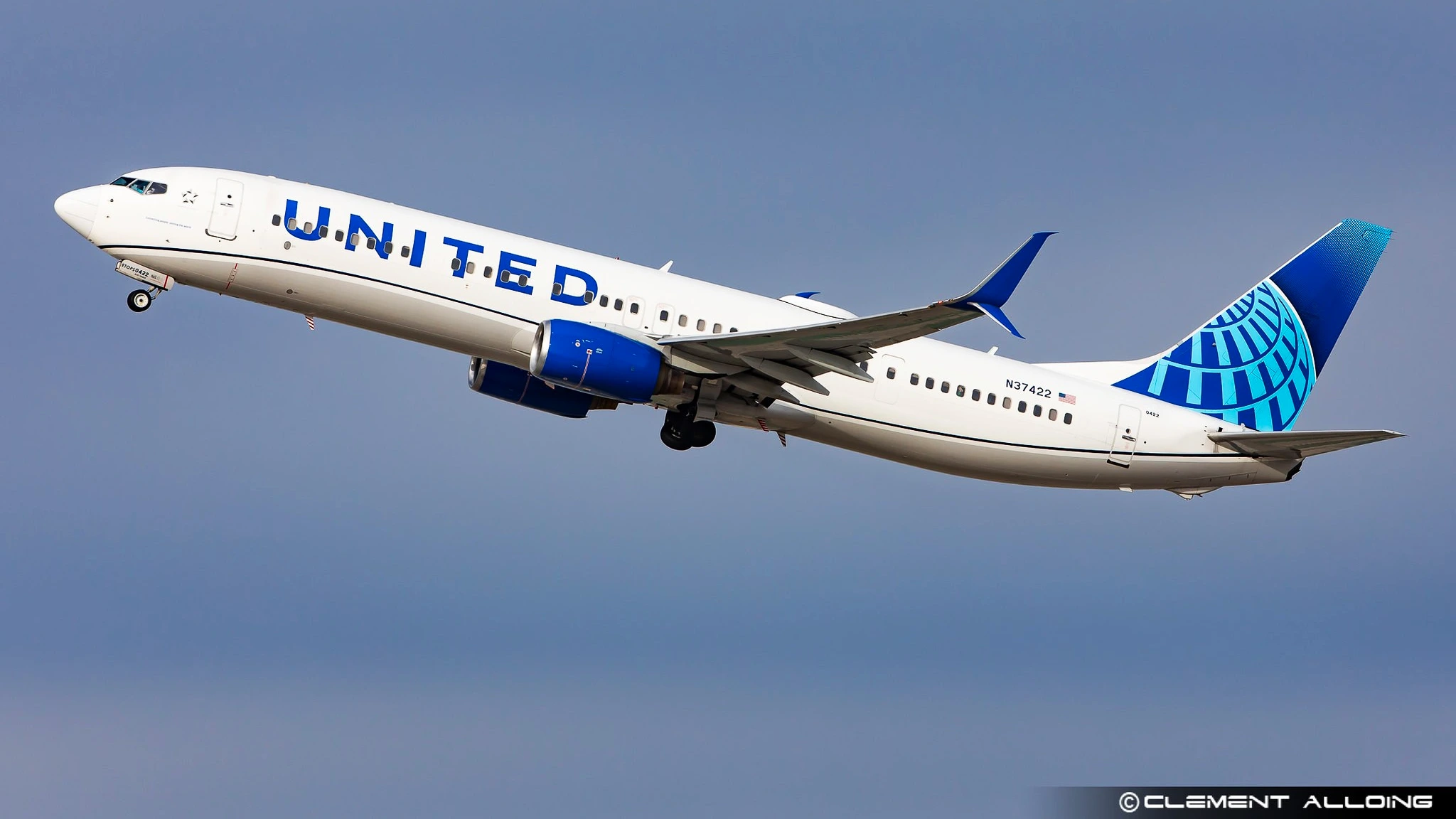
CHICAGO— A United Airlines (UA) flight from Newark Liberty International Airport (EWR) to Guatemala City (GUA) was forced into an emergency diversion on Thursday evening after an unruly passenger allegedly attempted to open a cabin door while the Boeing 737 MAX 8 cruised at 30,000 feet over Delaware.
The pilots of flight UA1551 redirected the aircraft to Washington Dulles International Airport (IAD) after the passenger reportedly assaulted a fellow traveler. Air traffic control recordings confirmed that the disturbance prompted the crew to abandon the planned four-and-a-half-hour journey to Central America.
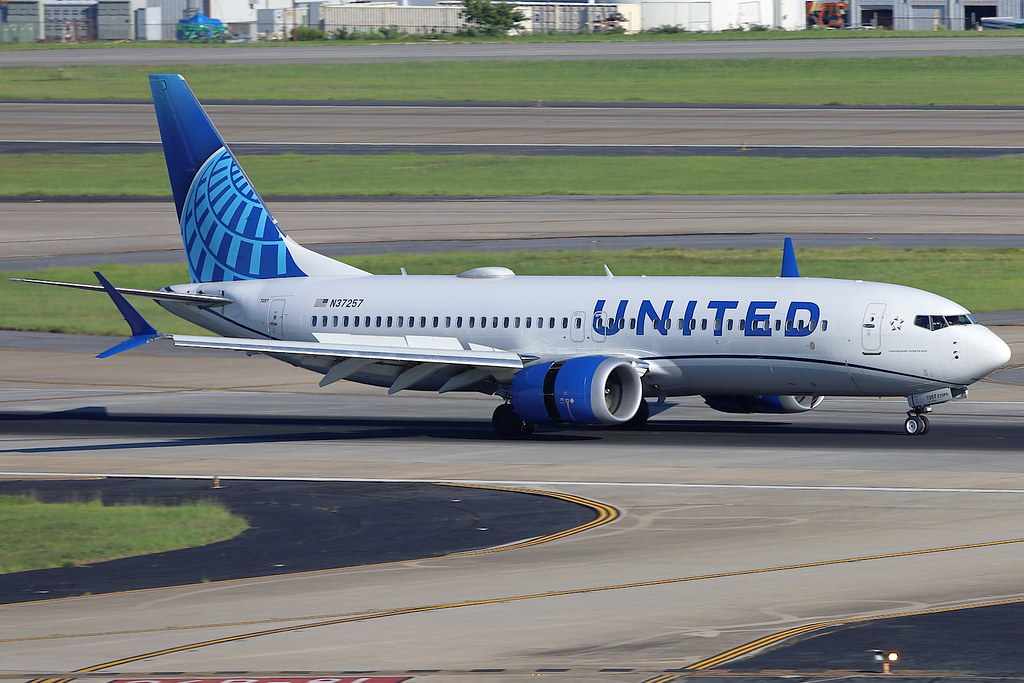
United Airlines 737 MAX Diverted to Dulles
The incident unfolded on May 21, shortly after the Boeing 737 MAX 8 departed Newark and began climbing toward its cruising altitude.
Flight tracking data from Flight Radar 24 shows the aircraft deviated from its intended southbound path roughly 40 minutes into the flight, as cabin crew worked to contain the disruptive passenger.
A recording of the conversation between the pilots and air traffic control revealed the gravity of the situation. Controllers asked the flight deck which cabin door the passenger had attempted to operate, to which the pilots confirmed it was Door 2L.
The crew further reported that the same individual had physically assaulted another passenger seated nearby.
Despite the severity of the allegations, the pilots maintained a notably calm tone throughout their communication with controllers.
This composure suggested that the cabin situation had been brought under control by the flight attendants before the diversion request was initiated. When questioned about any injuries, the flight crew responded that none had been reported to them at that stage.
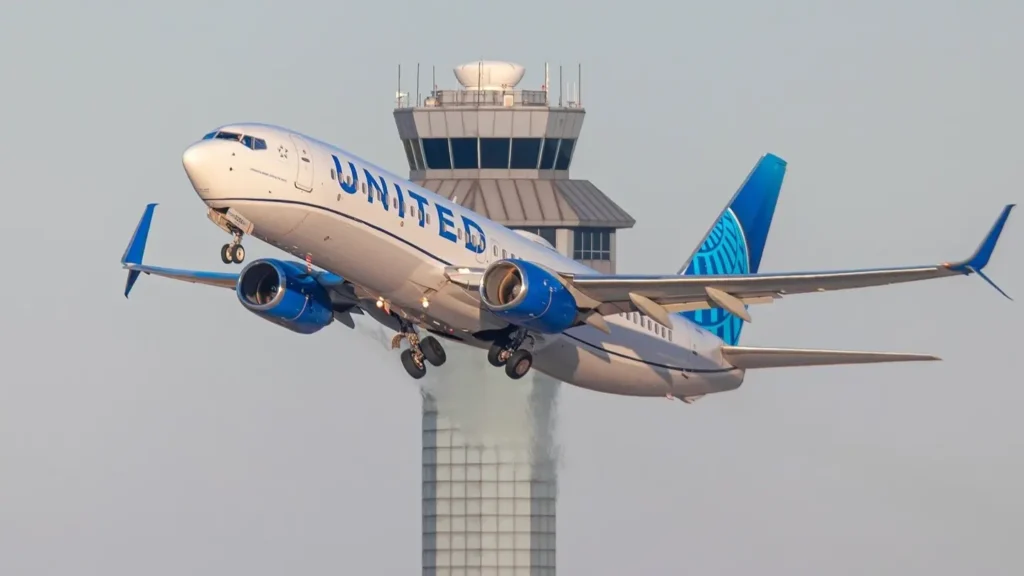
Understanding the Four-Level Unruly Passenger Scale
Airlines, air traffic controllers, and law enforcement agencies rely on an internationally recognized framework to categorize in-flight disturbances. This four-tier scale helps determine the appropriate response and post-flight consequences for the individuals involved.
Level 1 covers disruptive behavior such as verbal abuse and a refusal to follow crew member instructions. Level 2 involves physical aggression, including shoving or pushing cabin crew or other passengers. Level 3 escalates to life-threatening conduct, which encompasses any use or threat of weapons. Level 4 represents the most severe category, defined as an attempted or actual breach of the flight deck.
The United Airlines incident would typically fall within Level 2 classification. However, as reported by PYOK, some pilots choose to escalate any attempt to open a cabin door directly to Level 3, given the potential consequences such actions could have on flight safety.
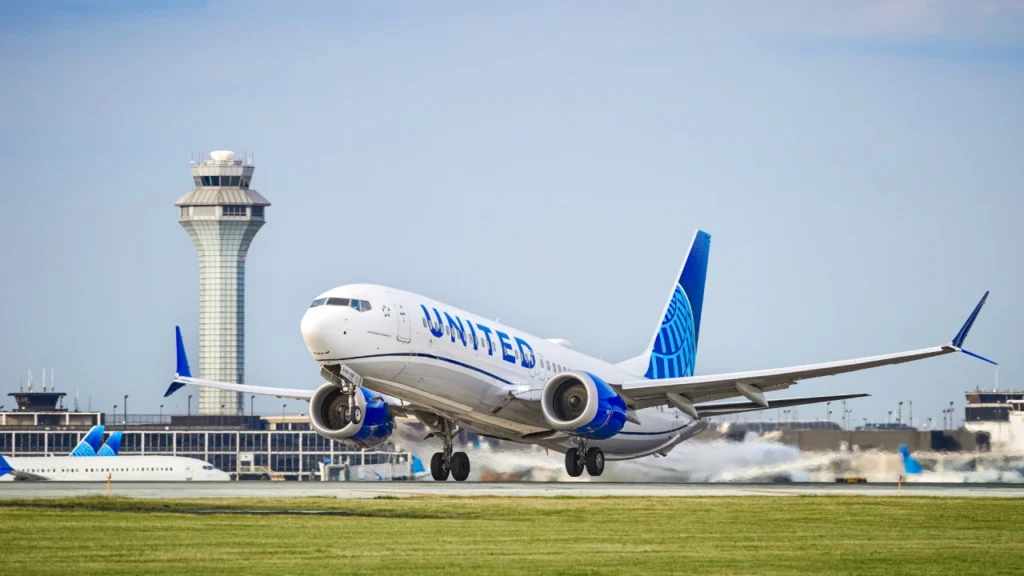
Why Opening a Cabin Door at Altitude Is Not Possible
At a cruising altitude of 30,000 feet, opening a passenger aircraft door from the inside is physically impossible due to the substantial pressure differential between the pressurized cabin and the thin outside atmosphere. The plug-style design of modern cabin doors means they are held firmly shut by thousands of pounds of internal cabin pressure.
The situation changes considerably at lower altitudes, where the pressure difference is significantly reduced. During taxi, takeoff roll, low-altitude climb, or final approach, it is mechanically possible for a determined individual to operate a cabin door. This vulnerability is one reason crews respond so seriously to any door-related incidents.
Certain widebody aircraft offer an additional safeguard through speed locks, which automatically secure the doors once the aircraft accelerates beyond a defined speed during takeoff. This system is not present on narrowbody types such as the Boeing 737 MAX 8 involved in this diversion.
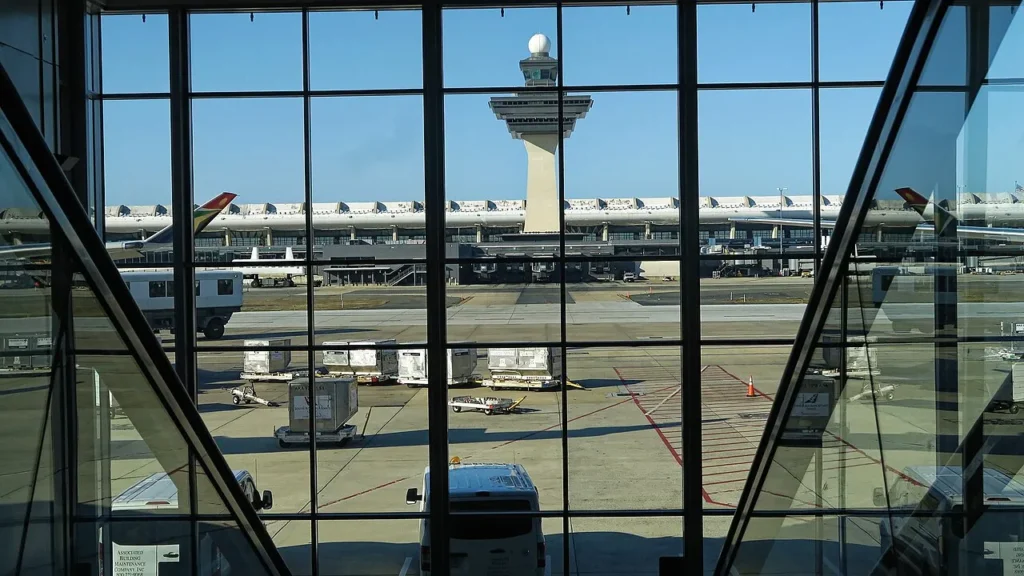
Diversion to Washington Dulles
Washington Dulles served as a logical diversion airport given the flight’s position over Delaware at the time of the incident. The airport offers extensive United Airlines ground support and law enforcement resources, allowing the aircraft to land safely and authorities to take custody of the passenger upon arrival.
Diversions of this nature carry high operational costs for airlines, including additional fuel burn, crew duty time considerations, passenger rebooking, and potential aircraft repositioning. However, carriers consistently prioritize the safety of passengers and crew over schedule integrity in situations involving threatening or violent behavior.
The Federal Aviation Administration has continued to pursue a zero-tolerance policy toward unruly passenger behavior on US-registered aircraft, with civil penalties of up to USD 37,000 per violation. Individuals who interfere with crew members may also face federal criminal charges, which can result in fines and imprisonment.
Stay tuned with us. Further, follow us on social media for the latest updates.
Join us on Telegram Group for the Latest Aviation Updates. Subsequently, follow us on Google News
