


Airbus Helicopters is exploring a broader international partnership for Europe’s future military helicopter programs, with Canada emerging as a possible long-term collaborator.
The discussions come as NATO nations accelerate work on next-generation rotorcraft requirements under the Next Generation Rotorcraft Capability (NGRC) initiative.
Airbus Helicopters, a division of Airbus, believes future European military rotorcraft projects will require multinational cooperation to manage rising development costs and defense spending pressures.
Company executives recently indicated that Canada could eventually participate alongside European nations if political and financial agreements align.

European Rotorcraft Plans
Airbus Helicopters chief executive Matthieu Louvot said Europe cannot afford multiple overlapping military helicopter programs developed independently by separate manufacturers.
He pointed to the NH Industries partnership, which includes Airbus, Leonardo, and GKN/Fokker, as proof that multinational collaboration can successfully deliver complex defense aircraft.
Airbus and Leonardo are already working together under a European Defence Fund-backed technology project focused on future rotorcraft systems.
However, the companies have proposed different concepts for the NGRC effort, with Airbus favoring a compound helicopter design while Leonardo continues developing tiltrotor technologies.
The NATO-backed NGRC program currently includes France, Germany, Italy, the Netherlands, the United Kingdom, and Canada. Participating nations are expected to release formal operational requirements later this year before moving into the next concept development phase.
Industry responses for the program’s concept study stage are expected by September 2027.
The project aims to define the next generation of medium military helicopters that could eventually replace several existing European rotorcraft fleets.
Canada Expansion Plans
Canada officially joined the NGRC initiative in 2025, opening the door for deeper aerospace collaboration between European defense firms and North American industry partners.
Louvot said Airbus would welcome discussions with Ottawa because of Canada’s strong strategic relationship with Europe.
The Airbus executive also highlighted the importance of defense funding cooperation between Canada and European institutions.
He suggested future joint financing could strengthen long-term rotorcraft development while reducing financial pressure on individual governments, Flight Global flagged.
Canada already hosts several major aerospace manufacturing operations. Bell operates a civil helicopter assembly facility in Mirabel, Quebec, while Airbus maintains a significant composites manufacturing presence in Fort Erie, Ontario.
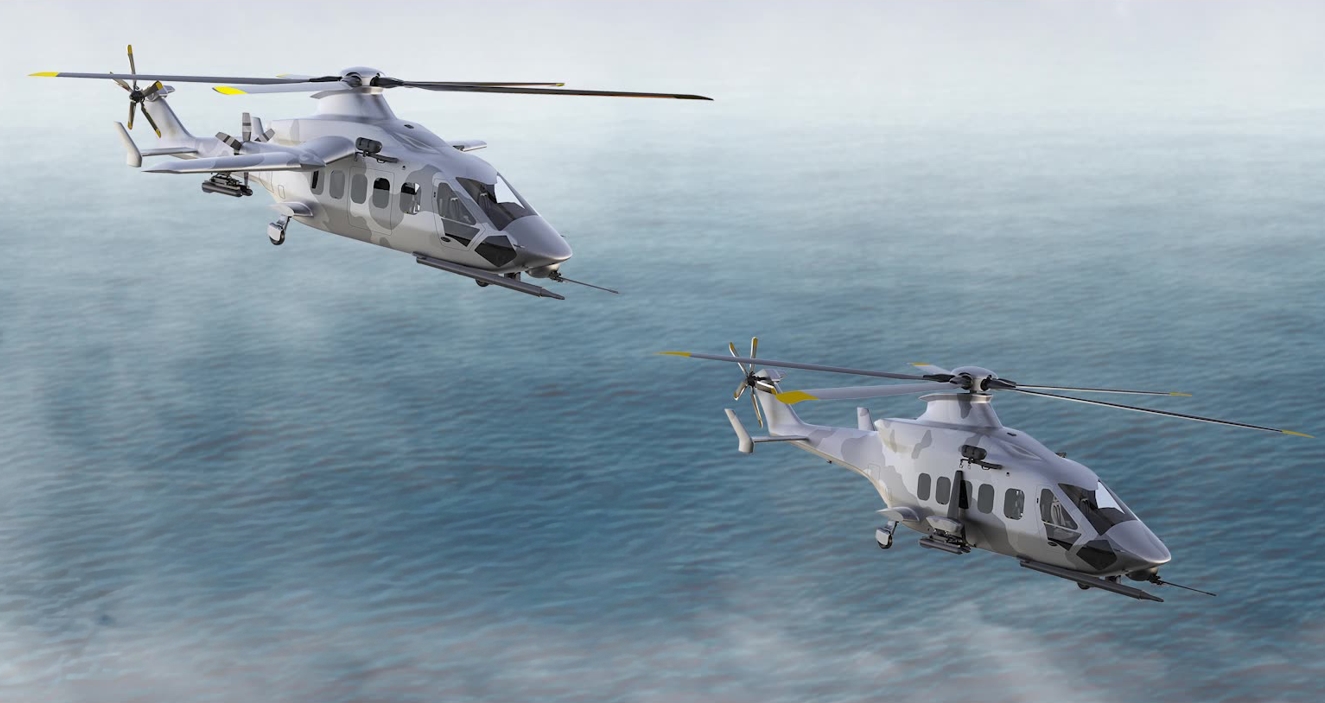
Airbus could expand further in Canada if the company wins the country’s Next Tactical Aviation Capability Set procurement program. The competition could involve around 80 helicopters, with Airbus offering its H175M military rotorcraft platform.
H175M Production Push
Airbus has previously indicated that a Canadian final assembly line for the H175M remains possible if Ottawa places a sufficiently large order.
Louvot reaffirmed that the proposal still exists, especially if military production volumes justify local manufacturing investment.
The H175M is derived from the civilian H175 platform and is being positioned as a multi-role military helicopter for transport, search-and-rescue, and tactical operations.
Airbus believes local production could strengthen Canada’s aerospace sector while supporting long-term defense industrial capabilities.
Stay tuned with us. Further, follow us on social media for the latest updates.
Join us on Telegram Group for the Latest Aviation Updates. Subsequently, follow us on Google News
