

MARIGNANE— Airbus Helicopters, a division of Airbus, is entering a leadership transition as CEO Bruno Even steps down after eight years at the helm of the world’s largest rotorcraft manufacturer.
His tenure officially concludes on April 1, marking the end of a period defined by market volatility, strategic shifts, and recovery.
Even took charge during a challenging phase for the helicopter industry, following a sharp market downturn and later navigating the global impact of the COVID-19 pandemic.
His successor, Matthieu Louvot, will now assume leadership as Airbus Helicopters moves forward with strengthened order books and renewed market momentum.

Airbus’s Leadership Transition
Bruno Even assumed leadership at a time when the global helicopter market was significantly weakened.
Between 2013 and 2020, overall demand had declined sharply, forcing manufacturers to scale back operations and rethink long-term strategies.
During his tenure, Even implemented difficult decisions aimed at stabilizing the business. While many of these measures were not publicly disclosed, they contributed to a gradual recovery and positioned the company for sustained growth in both civil and defense segments.
He also maintained continuity with Airbus Group’s broader strategy while adapting to evolving industry demands.
His departure reflects a planned leadership shift rather than a reaction to operational challenges.
Market Growth Strategy for Airbus
Under Even’s leadership, Airbus Helicopters achieved substantial financial and operational growth.
According to Aviation Week, annual order intake rose from €7.2 billion in 2019 to €13.7 billion in recent years, nearly doubling within seven years.
This growth was driven by increased defense spending and a rebound in civil aviation activity. Geopolitical tensions, particularly after 2022, further accelerated military procurement and boosted demand for offshore energy transport services.
The company also expanded its services business, supported by higher global flight hours. This diversification helped Airbus maintain stability despite ongoing supply chain constraints affecting the aerospace sector.

Technology and Programs of Airbus
One of the most notable strategic decisions during Even’s tenure was the withdrawal from electric vertical takeoff and landing (eVTOL) programs.
Airbus had previously invested in multiple advanced air mobility projects, but a review concluded that technology and regulatory readiness were insufficient.
Instead, Airbus Helicopters redirected its focus toward uncrewed systems and advanced rotorcraft development. The acquisition of U.S.-based Aerovel strengthened its position in the unmanned aircraft segment.
Research and development remained a priority, with programs such as Racer, PioneerLab, and DisruptiveLab advancing next-generation rotorcraft technologies. The company also invested in digital transformation and upgraded its Marignane facility to support future production needs.
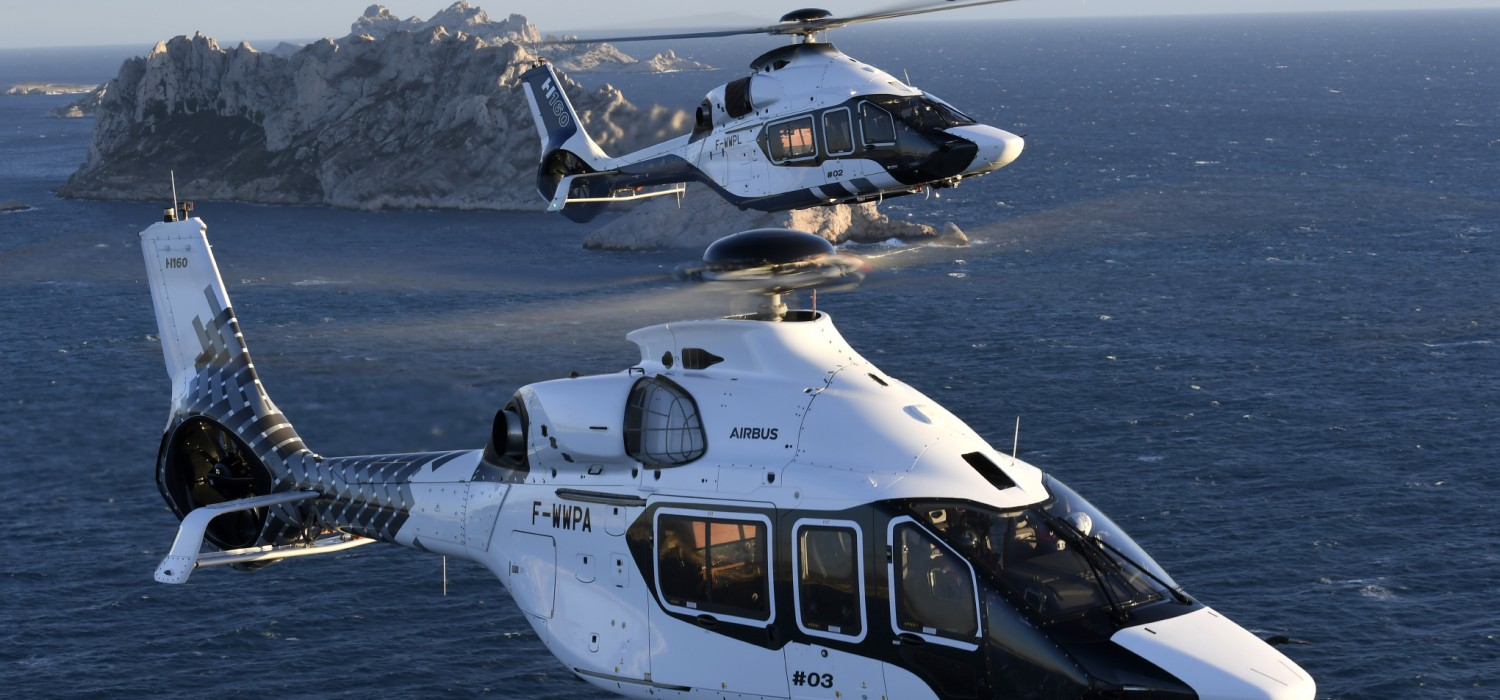
The H160 helicopter emerged as a key product during this period. The aircraft gained significant traction in the medium twin segment, allowing Airbus to compete more effectively against established rivals and regain lost market share.
It also initiated the H140 program, aimed at strengthening Airbus’ presence in the light twin category. Although he will not oversee its entry into service, the program represents a continuation of the company’s long-term product strategy.
Stay tuned with us. Further, follow us on social media for the latest updates.
Join us on Telegram Group for the Latest Aviation Updates. Subsequently, follow us on Google News
