

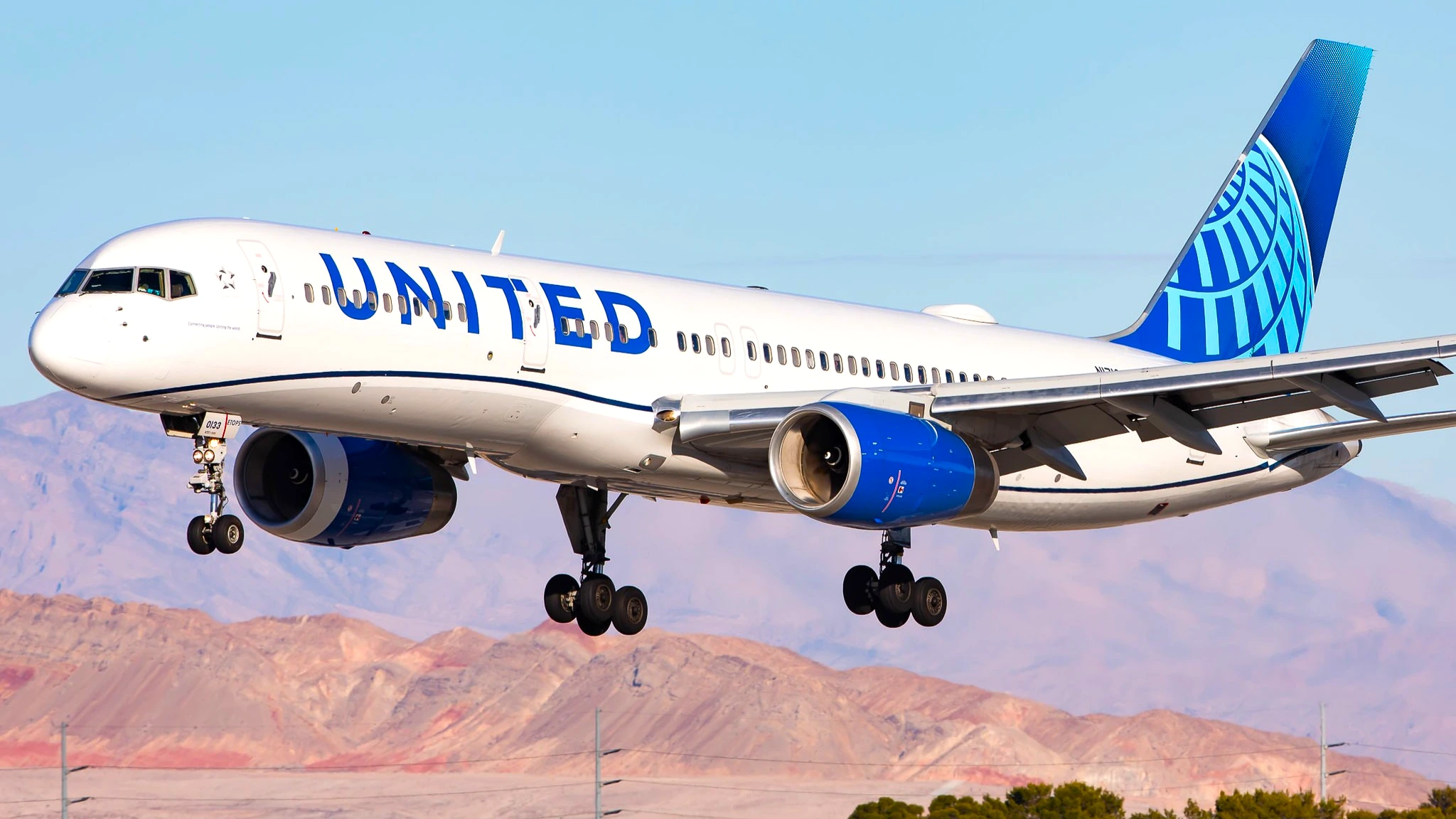
CHICAGO— United Airlines (UA) has terminated two pilots following an April 2024 charter flight on which a Colorado Rockies coach sat in the captain’s seat of a Boeing 757 while the aircraft was at cruising altitude. The flight operated from Denver (DEN) to Toronto (YYZ).
A public hearing on the case of former United captain Cynthia Clifford is scheduled for May 19 to 21, 2026, at the Federal Aviation Administration (FAA) Flight Standards Office in Denver, Colorado. The matter was brought to wider attention by former Delta Air Lines (DL) captain Karlene Petitt, who covers aviation safety topics.
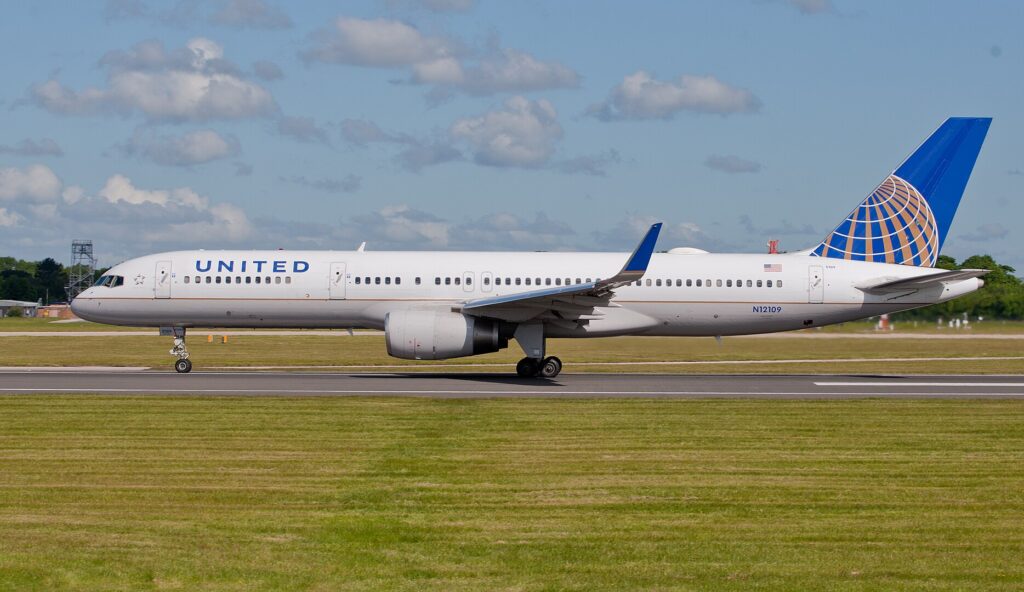
United Airlines Fires Two Pilots
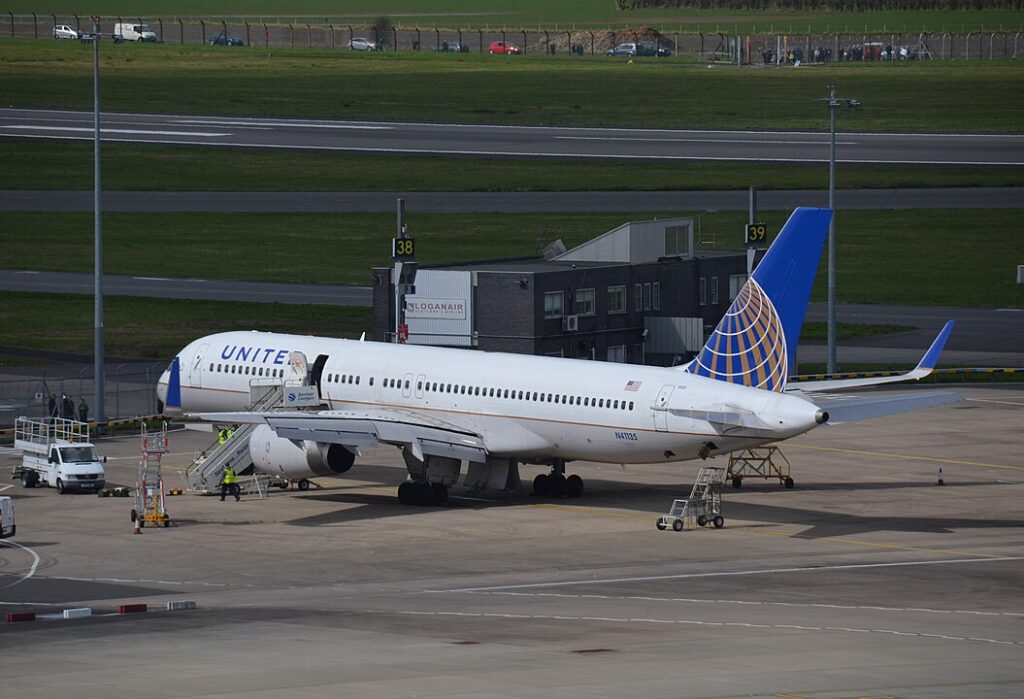
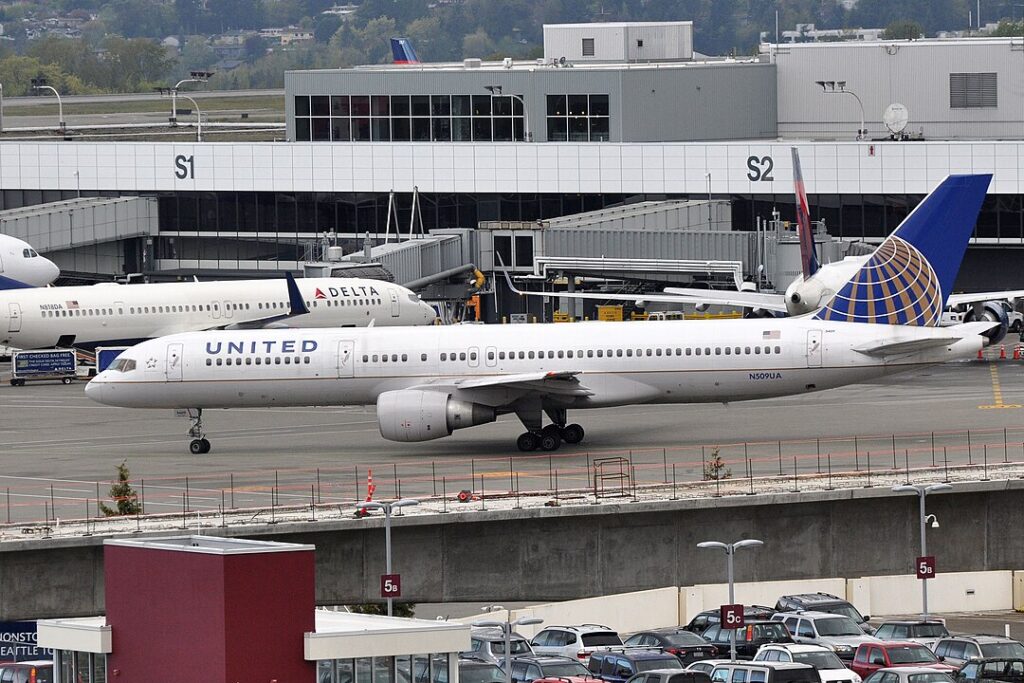
The Colorado Rockies chartered a United Boeing 757 to fly from Denver to Toronto. During the flight, while the aircraft was at cruising altitude, one of the team’s coaches sat in the captain’s seat and posted a video of the moment on social media. The post drew significant media attention.
On charter flights, an open cockpit door and cockpit visits during cruise are not unusual. Sitting in the seat of the captain or first officer while inflight, however, is treated as a line that cannot be crossed.
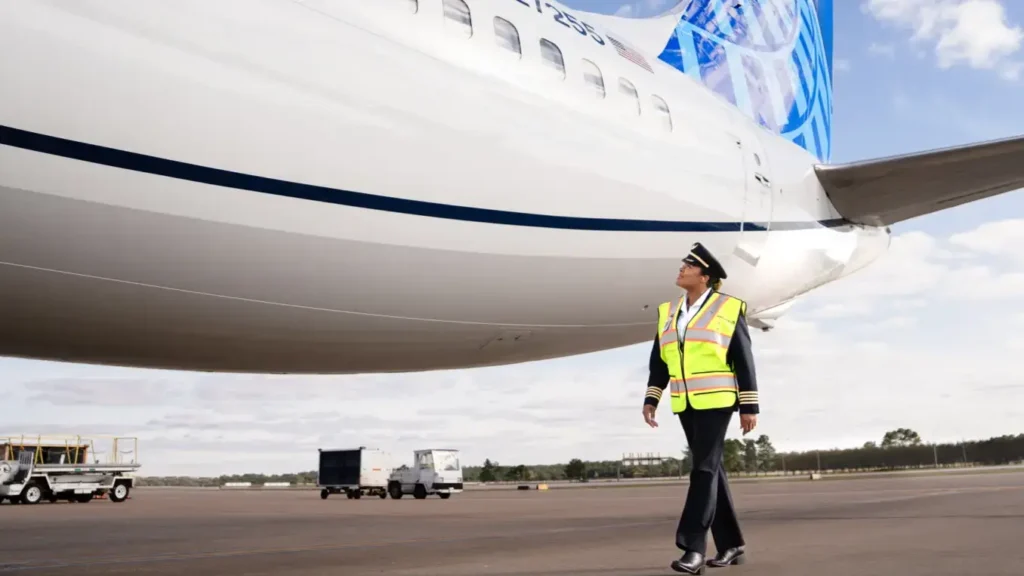
The captain had left the cockpit to use the lavatory at cruising altitude. While she was away, the coach entered the cockpit and ended up in her seat.
The captain learned what had happened when she returned. After the flight concluded, she filed a report with United’s Flight Safety Action Program (FSAP), a system intended to let pilots report safety issues without fear of retaliation.
The Event Review Committee and the FAA Vote
According to Petitt, whose account the original report could not independently verify, the three-person Event Review Committee (ERC) accepted the captain’s report, which should have closed the matter.
One committee member belongs to the FAA. Petitt states that when the FAA learned no action would follow, it replaced its committee member with someone who would vote differently.
The argument reportedly used against the captain was that an FSAP could not be filed because drinking was involved. That provision normally applies to crew members. In this case, it was applied because the passenger had consumed a drink.
The first officer, who was in the cockpit at the time, was also fired, OMAAT reported.
Allegations Against United Leadership
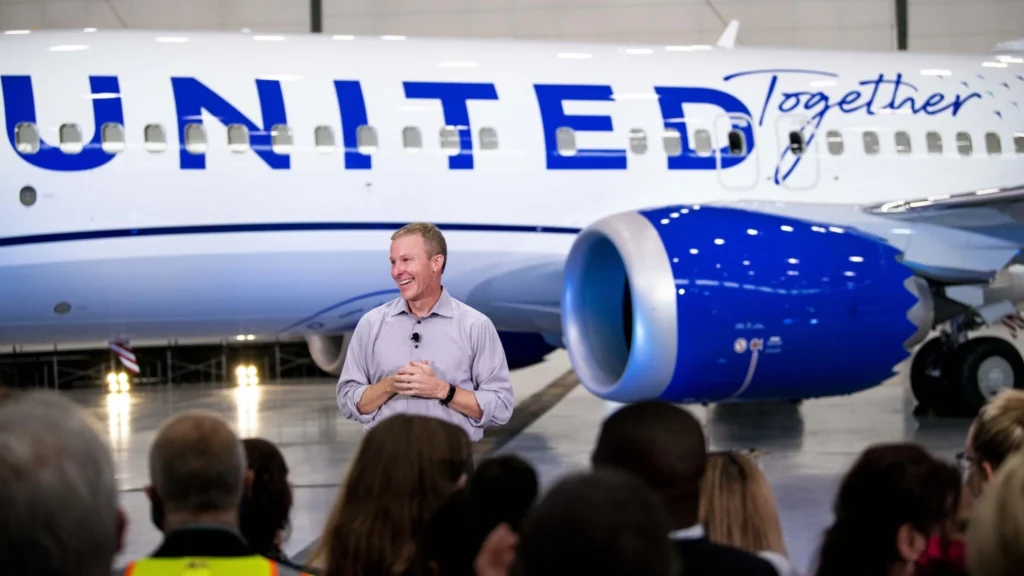
Petitt alleges that United CEO Scott Kirby used Clifford as a scapegoat to cover up systemic safety issues in the company’s charter program, issues that managers had reportedly raised for years with United safety program manager Sasha Johnson.
United ALPA Master Executive Chair Captain Anne Worster provided deposition testimony describing the steps she took to protect Clifford’s job and the integrity of the voluntary safety reporting program. According to Petitt, Worster escalated the matter to CEO Scott Kirby without success.
Petitt further alleges that ALPA attorneys pressured the first officer to write that he willfully violated Federal Aviation Regulations in exchange for a promise that he could keep his job and receive less discipline from the FAA.
The first officer’s initial ALPA representative warned against this. That representative was then replaced without being informed, after which the statement was made.
The coach faced no consequences, and United did not terminate its contract with the Colorado Rockies.
An FAA Audit and the Charter Grey Area
United was undergoing an FAA audit at the time, prompted by a series of close calls. The FAA’s report ultimately did not identify any systematic issues. The claim now being advanced is that the airline fired both pilots to create the appearance of taking safety seriously during that audit.
Petitt describes airline sports charters as high-revenue operations in which every passenger is treated as a first-class passenger. She states that leaving the cockpit door open has functioned as an unwritten policy for years at most airlines, driven by the understanding that the charter customer “owns the plane.”
The coach testified that he had sat in the cockpit on many airlines and that the door was almost always open on charters. Petitt notes that sitting in a pilot’s seat remained a clear line, and that Clifford filed her safety report after learning the coach had occupied her seat while she was out of the flight deck.
Additional Details For and Against the Captain
Several further points emerged in questioning. The captain reported that this was her first charter flight as a captain and that she had not been properly trained on charter procedures, so she asked the lead flight attendant, who handles many charters, who said an open cockpit door is common on these flights.
According to statements from others, the captain may have been standing outside the lavatory when the coach entered the cockpit, meaning she would have seen him enter, though not necessarily seen him sit in her seat.
According to the offender’s statements, when he sat in the captain’s seat, the first officer explained the controls and did not ask him to leave; the coach left on his own after some time.
Bottom Line
The case highlights a gap in United’s safety standards and training for crews operating charter flights. A captain having to ask a flight attendant whether the cockpit door should remain open points to procedures that are not clearly defined.
Charter customers are treated differently, which can make it harder for crews to speak up when lines are crossed. With the hearing now public, the outcome is expected to draw close attention across the industry.
Stay tuned with us. Further, follow us on social media for the latest updates.
Join us on Telegram Group for the Latest Aviation Updates. Subsequently, follow us on Google News
