


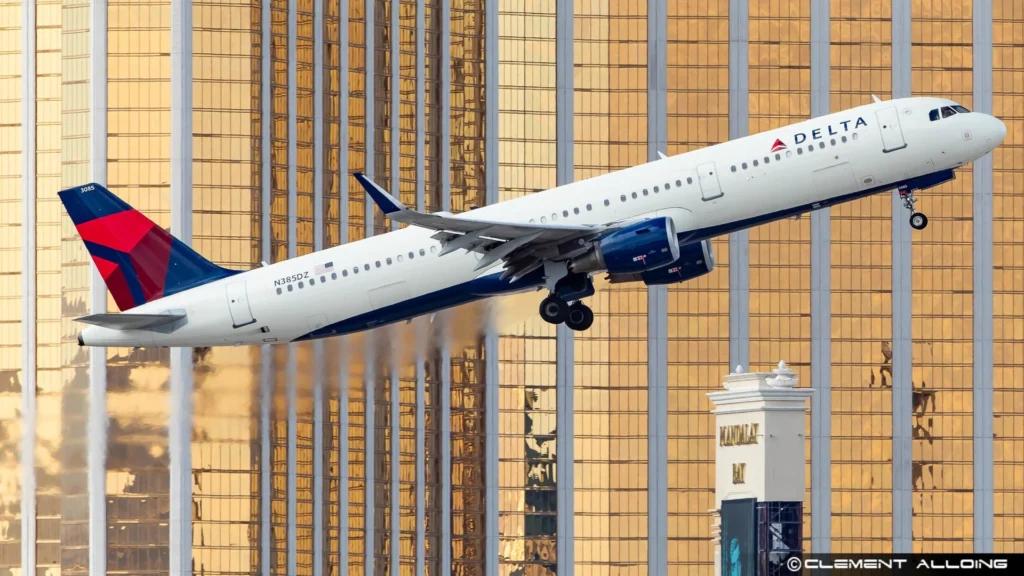
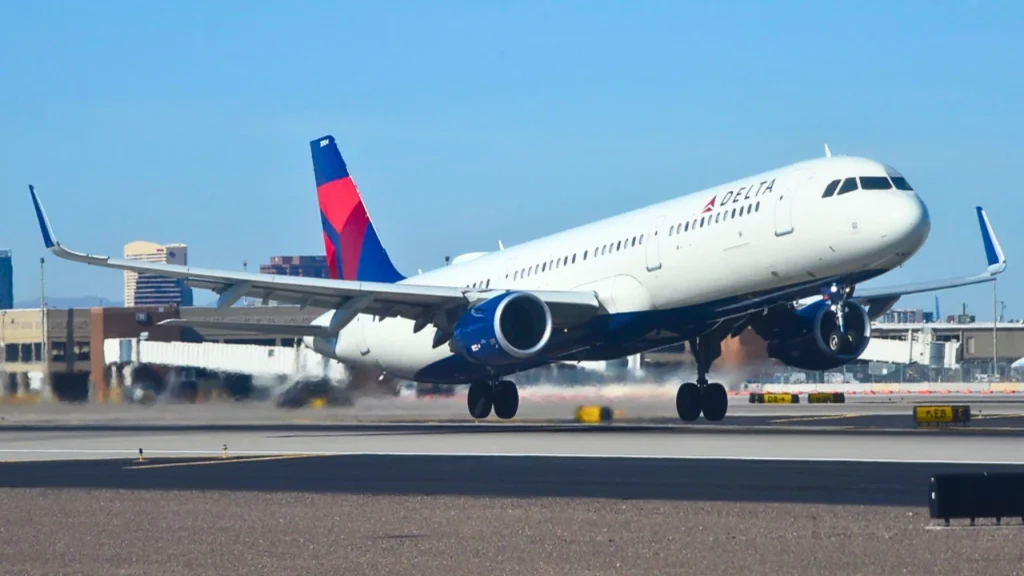
ATLANTA- Delta Air Lines (DL) is facing one of the longest cabin certification delays in recent US aviation history. The carrier’s premium Airbus A321neo jets were meant to enter service in late 2024, but the flat bed version will now not fly until 2028 at the earliest.
In the meantime, Delta has pushed these aircraft into temporary service from its Atlanta (ATL) hub using a standard first class layout. Stubborn certification problems with the new business class seat remain the core reason behind the multi-year setback.
Delta Premium A321neo Delayed
Delta plans to operate 21 Airbus A321neos in a special three-cabin layout with just 148 seats, compared to 194 seats on its standard domestic A321neos. The internal code for this subtype is “3NF,” and the configuration was first confirmed for a third-quarter 2024 delivery.
The cabin breakdown includes 16 Delta One business class seats, 12 Delta Premium Select seats, 54 Comfort+ seats, and 66 Main Cabin seats. The Delta One seats will be fully flat in a 1-1 layout, and each seat will have a privacy door.
The premium economy seats will be in a 2-2 layout, while both Comfort+ and Main Cabin will use a 3-3 layout.
Delta is expected to use reverse herringbone seats in business class, which offer a better passenger experience than the standard herringbone seats now common on narrow body jets, OMAAT flagged.
Aircraft Stored for 18 Months Over Seat Certification
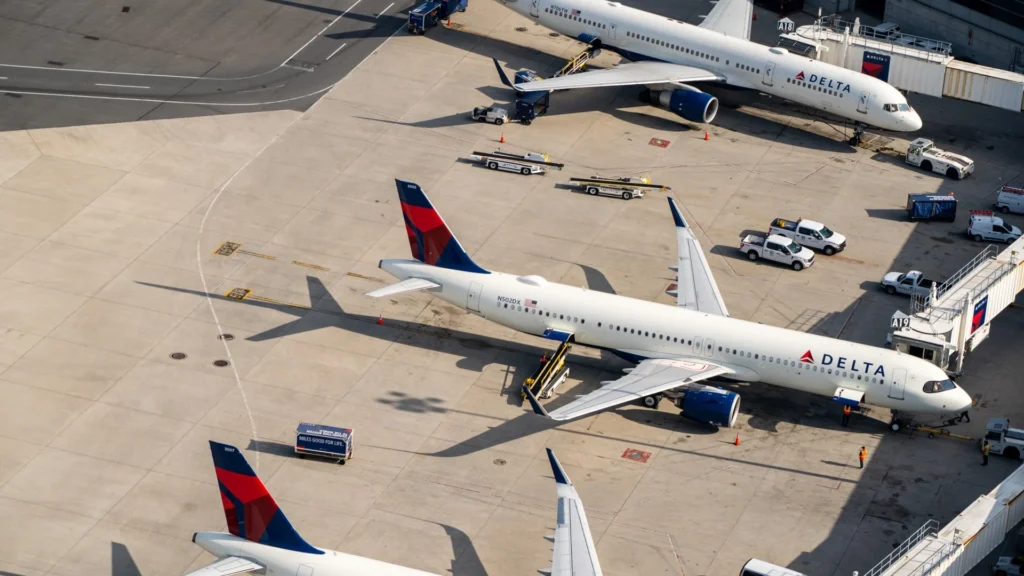
Delta started taking delivery of its premium A321neos in October 2024. Because the new business class seats could not be certified in time, the airline immediately moved these jets into storage at Victorville (VCV) in Southern California, where they sat for around 18 months.
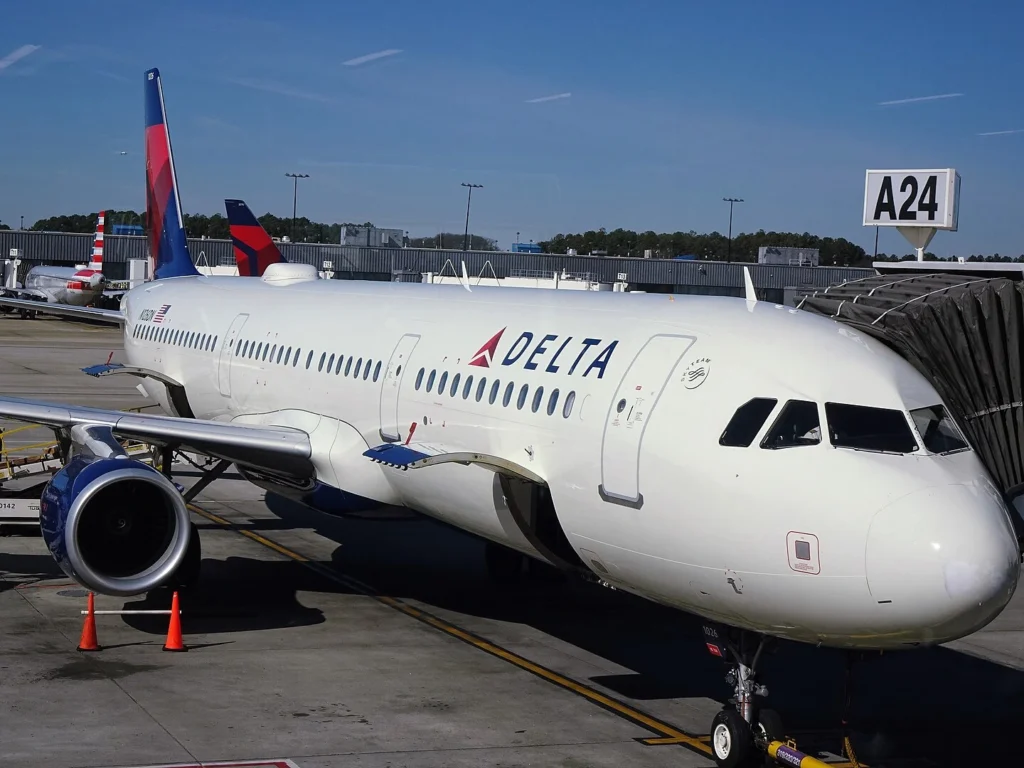
With the certification problems continuing, Delta decided to put the aircraft into temporary service with a modified layout. These jets are now flying with 44-seat first class cabins, where standard first class seats fill the space planned for the business class and premium economy sections.
Lie-Flat Cabin Now Expected by 2028
Delta Chief Commercial Officer Joe Esposito addressed the timeline in a recent interview with Business Traveller.
He stated that a lie-flat bed product for the A321neo is in development and testing, and that the product will enter service in about two more years.
Based on these comments, the flat bed A321neos are likely to keep flying with the 44-seat first class layout until some point in 2028, in the best case. This represents a delay of well over three years from the original late 2024 target, which is severe even by current industry standards for seat certification.
Safran VUE Seat at the Center of the Delay
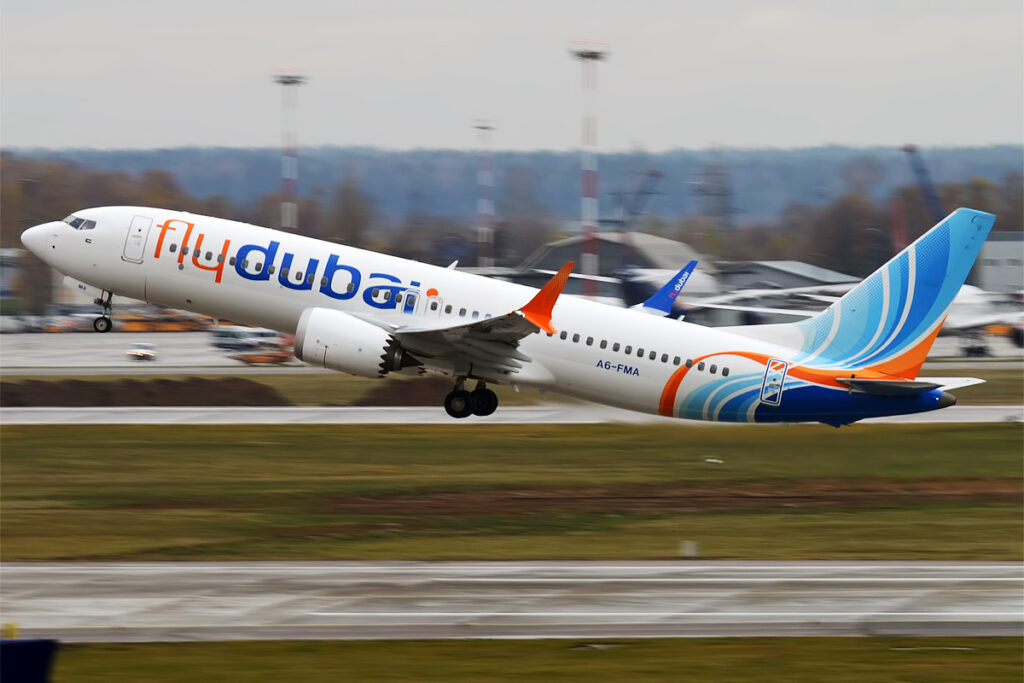
The expectation is that Delta selected the Safran VUE product for its A321neos. This is the same business class seat that FlyDubai (FZ) plans to install on its Boeing 737 MAX jets, an order announced in early 2023 that still has no aircraft in service.
A proven alternative already exists in the market. The Stelia Aerospace OPERA platform is the reverse herringbone narrow body seat currently in service, and it is found on Etihad Airways (EY) Airbus A321LRs and ITA Airways (AZ) Airbus A321neos. The fact that the Safran VUE seat is taking years to certify raises questions about whether its certification hurdles can be cleared quickly.
Premium Transcontinental Routes Are the Target
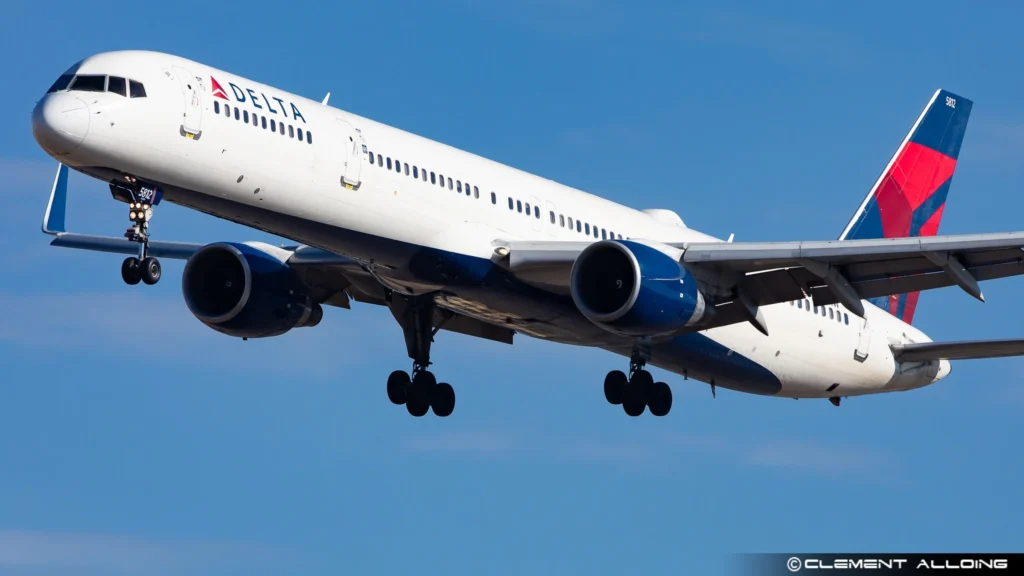
Delta plans to use these Airbus A321neos on premium domestic routes. The airline has historically used Boeing 767s and Boeing 757s for these flights, but both types need replacement. The 757 business class is in a less competitive 2-2 layout, and the 767 fleet is aging.
Other US carriers have already shifted to narrow body jets on premium transcontinental routes. JetBlue (B6) operates Mint-configured Airbus A321s, American Airlines (AA) flies specially configured A321s and is moving to the A321XLR, and United Airlines (UA) is planning a “Coasterliner” A321neo fleet for these markets.
What Happens to Delta’s 757s and 767s
Delta is reconfiguring some 757s into standard domestic layouts so they can add capacity on other routes. The airline operates many 767-400ERs on domestic flights, and those jets may shift to international routes as A321neos and 767-300ERs take over more domestic flying.
There is still a question over whether Delta will place A321neos on its highest capacity routes, such as New York (JFK) to Los Angeles (LAX).
The larger aircraft offer more seats in both business class and economy, and Delta already has a strong frequency presence in that market.
Stay tuned with us. Further, follow us on social media for the latest updates.
Join us on Telegram Group for the Latest Aviation Updates. Subsequently, follow us on Google News
