

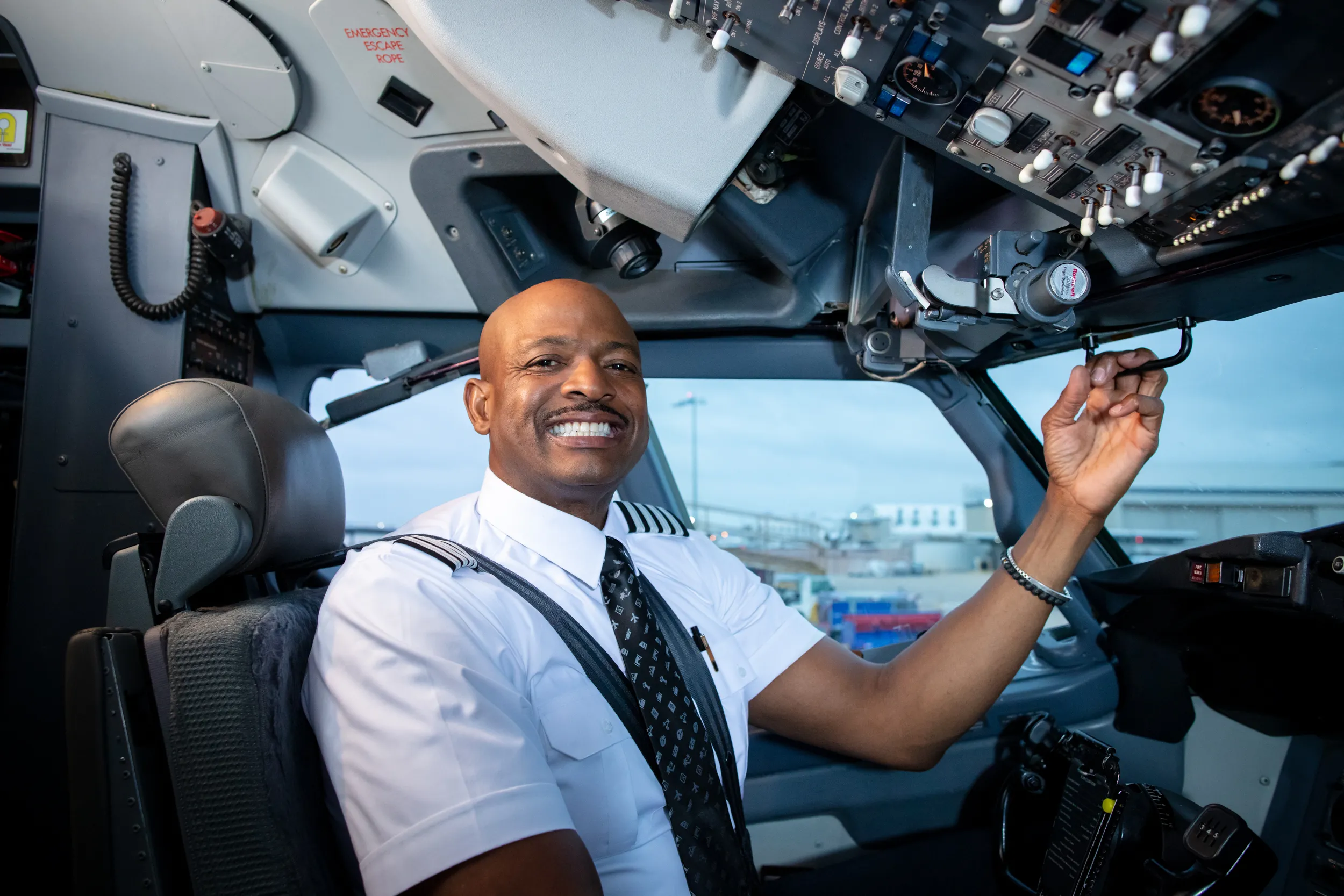
UNITED STATES— Airlines across the world continue to face concerns over pilot shortages in 2026, even as carriers expand recruitment campaigns, raise salaries, and invest heavily in accelerated flight training programmes.
Major airlines, including American Airlines (AA), Delta Air Lines (DL), and United Airlines (UA), are still competing aggressively for cockpit talent as global passenger demand remains strong.
The shortage has affected airlines operating through major aviation hubs such as Dallas/Fort Worth (DFW), Atlanta (ATL), and Hong Kong (HKG).
While the situation has improved compared to the immediate post-pandemic years, industry analysts say retirements, rising travel demand, and the high cost of training continue to pressure airline staffing levels worldwide.
Pilot Demand is Rising Worldwide
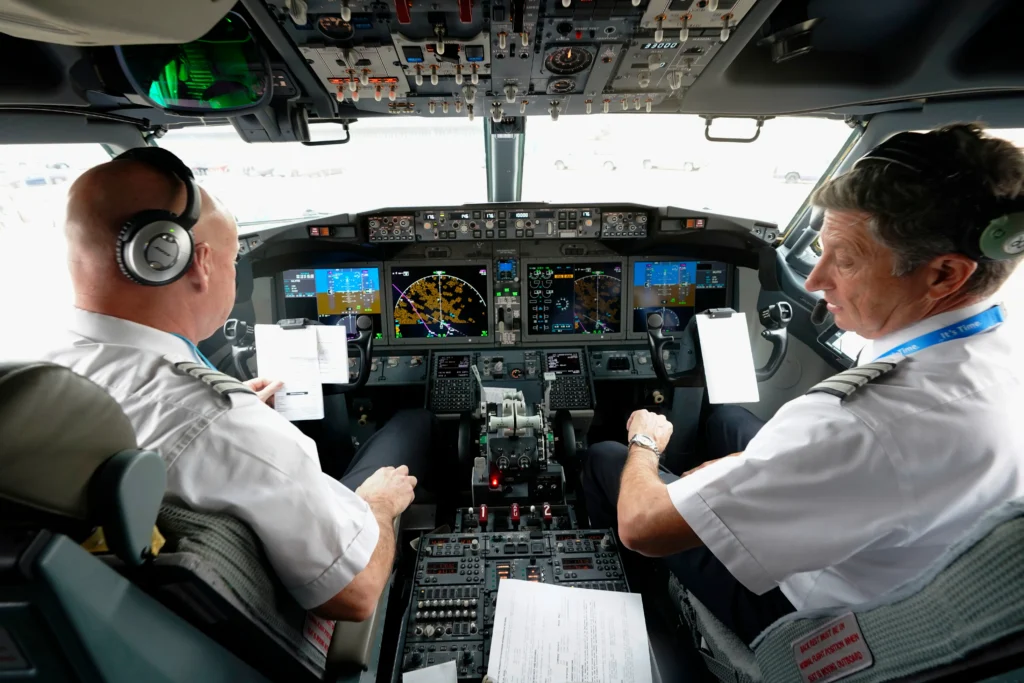
Aviation experts say the industry’s pilot shortage stems from several long-term structural issues rather than a single crisis.
One of the largest challenges remains the mandatory retirement age, which forces thousands of experienced airline pilots to leave the cockpit every year.
In the United States alone, lawmakers previously discussed raising the retirement age from 65 to 67 to slow workforce losses.
However, regulators and safety experts expressed concerns about the medical and operational risks linked to extending pilot careers without additional research.
At the same time, airlines continue expanding international and domestic networks to meet strong passenger demand. This growth has increased pressure on carriers to recruit and train new pilots faster than before.
Industry forecasts suggest North America may require more than 120,000 additional pilots over the next two decades, Simple Flying flagged. Globally, the aviation sector is also still rebuilding pilot numbers that declined sharply during the COVID-19 pandemic.
Airlines Adjust Strategy from Shortages
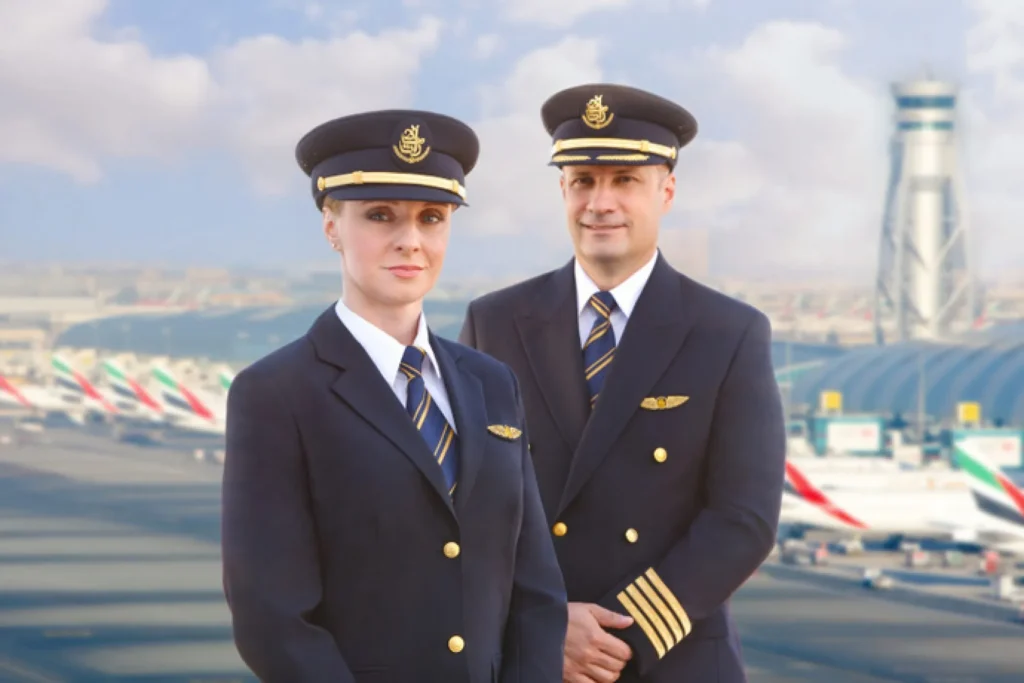
Many airlines have introduced new strategies to stabilize operations while waiting for more pilots to enter the workforce. Some carriers temporarily reduced flights after the pandemic because they lacked enough qualified cockpit crews to operate full schedules.
Others have accelerated pilot promotions and upgraded first officers to captain positions more quickly.
Cathay Pacific Airways (CX), for example, previously reduced flight-hour requirements for some internal promotions in an effort to improve staffing flexibility and reduce cancellations.
Airlines are also offering significantly higher salaries and improved benefits to attract younger candidates into aviation careers. In the US market, commercial pilot pay has climbed sharply in recent years as airlines compete for experienced aviators.
Despite these incentives, training remains expensive and time-consuming. Many aspiring pilots still face major financial barriers before they can accumulate the required flight hours needed for airline jobs.
Training Expansion Efforts
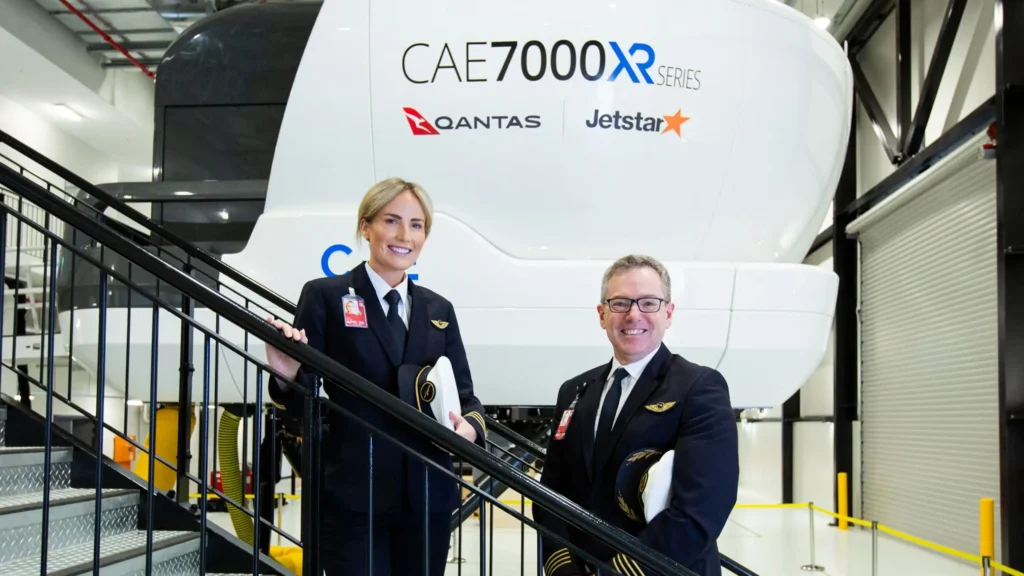
Flight academies and airline-backed cadet programmes are now playing a larger role in addressing the shortage. Aviation training organisations in the United States, Europe, and Asia have expanded fleets, simulators, and instructor hiring to increase student intake.
Accelerated training programmes are becoming especially popular because they shorten the timeline between enrollment and airline employment.
Some academies claim students can earn commercial pilot and instructor certifications within a year before building additional flying experience.
Airlines are also partnering with training providers to create direct career pathways into regional and mainline carriers. These programmes often include financing support, scholarships, or loan partnerships designed to reduce the financial burden on trainees.
Industry leaders say the pilot shortage will likely remain a long-term issue rather than a temporary disruption.
However, stronger recruitment pipelines and expanded training capacity are gradually helping airlines rebuild the workforce needed for future growth.
Stay tuned with us. Further, follow us on social media for the latest updates.
Join us on Telegram Group for the Latest Aviation Updates. Subsequently, follow us on Google News
