

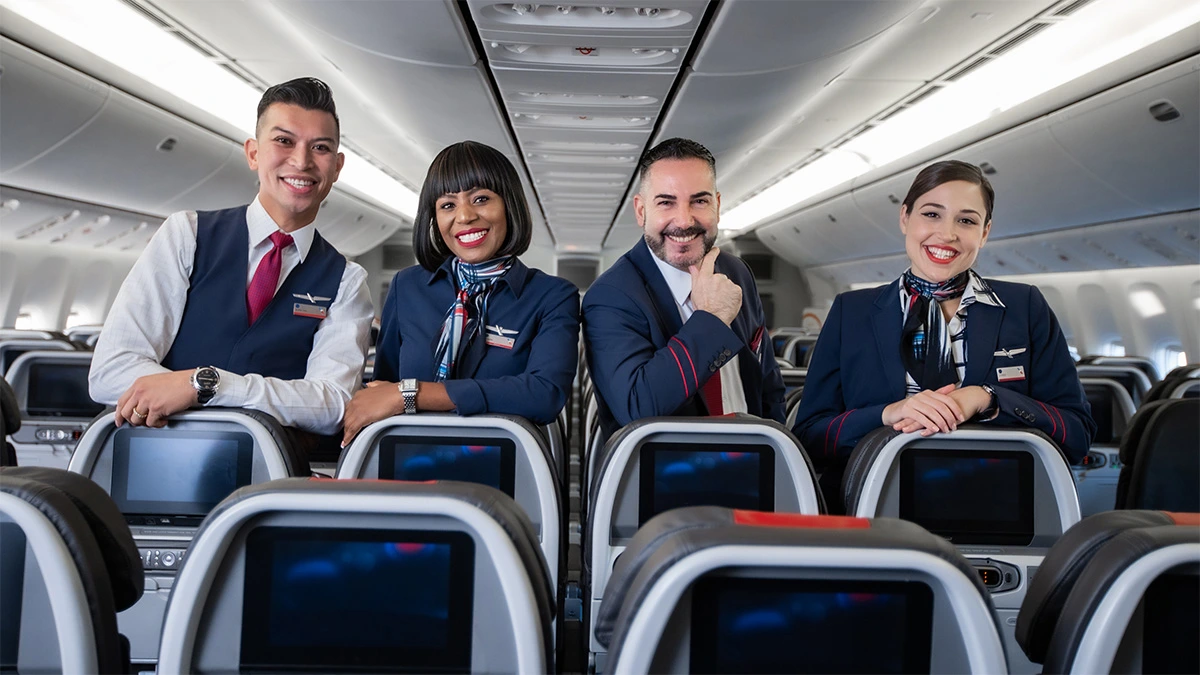
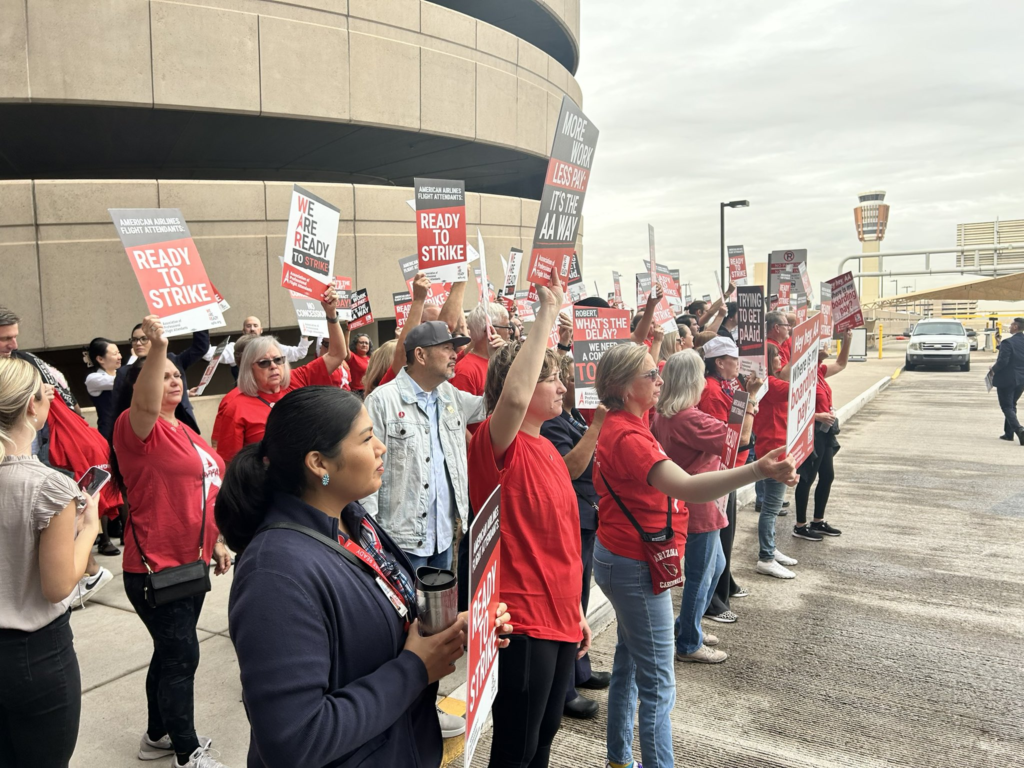
WASHINGTON, D.C.- The Association of Flight Attendants-CWA (AFA-CWA), the largest flight attendants union in the United States, is seeking a federal mandate that would require airlines, including American Airlines (AA), to staff more cabin crew on widebody aircraft. The union frames the request as an evacuation safety measure.
The Federal Aviation Administration (FAA) has taken a different position. Its 2022 evacuation report, which reviewed nearly 300 real-world events, concluded that current flight attendant staffing is not inadequate, a finding critics raise when discussing past cases such as the 2016 American Airlines Flight 383 evacuation at Chicago O’Hare International Airport (ORD).

Union Seeks One Flight Attendant Per Door on Widebody Jets
The AFA-CWA proposal would require at least one flight attendant per door on widebody aircraft. The stated goal is to ensure that no exit is left “uncovered” by a cabin crew member during an evacuation.
The American Airlines Boeing 787-9 illustrates the gap the union is targeting. The aircraft has eight exit doors, and the FAA-certified minimum staffing level is seven flight attendants.
American Airlines typically assigns more than the minimum, but the certified floor allows the airline to operate the flight even if a crew member calls out sick, rather than canceling.
Current federal rules tie flight attendant minimums to seat count rather than door count. For aircraft with more than 100 seats, the requirement is one flight attendant for every 50 seats.
The union argues that flight attendants are responsible for assessing whether an exit is usable, opening usable doors, deploying slides, directing passengers off the aircraft, stopping travelers from retrieving bags, and coordinating with the cockpit.
The union contends that without one attendant per door, passengers may open an exit that is unsafe or evacuate with carry-on baggage. A recent Frontier Airlines (F9) evacuation showed passengers leaving the aircraft with bags despite crew instructions, a pattern that recurs in many evacuations regardless of staffing.
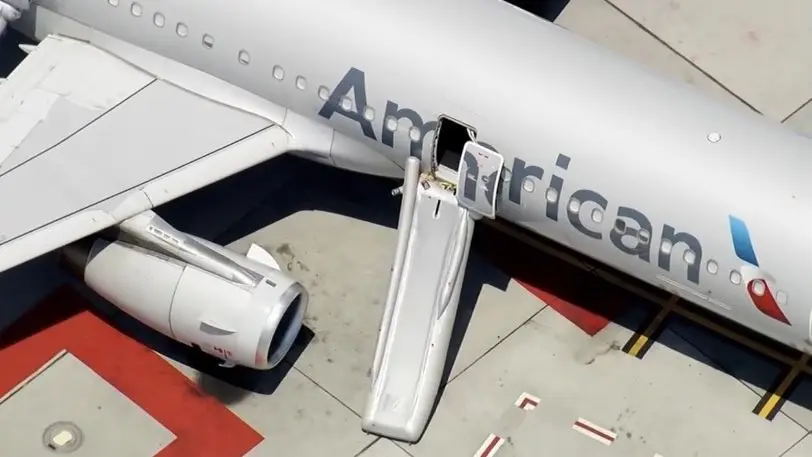
FAA Evacuation Report Findings
The FAA’s 2022 review described the overall level of safety in emergency evacuations as very high. The agency examined nearly 300 evacuation events to reach that conclusion.
The data behind the finding includes several key points. There are roughly 30 evacuation events worldwide each year. In the United States alone, airlines operate more than 10 million scheduled passenger flights annually.
Over the ten-year period the FAA reviewed, there were no evacuation-related fatalities in the United States.
The agency stated explicitly that its review did not identify current flight attendant staffing as inadequate.
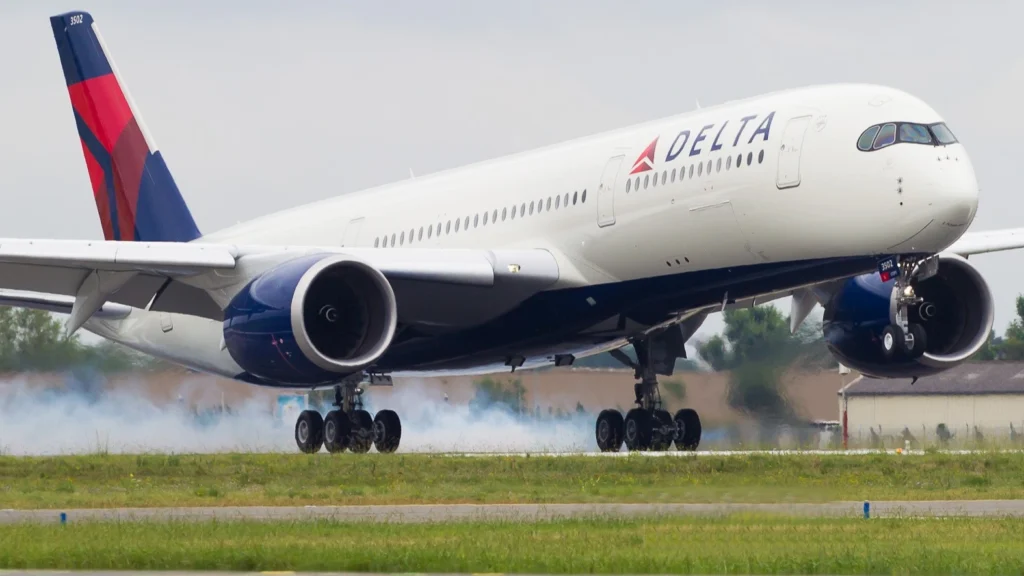
Where Evacuation Problems Actually Occur
The FAA review indicated that evacuation issues, when they arise, tend to involve communication, training, passenger baggage, blocked exits, and smoke and fire.
The number of flight attendants on board ranked among the lowest-priority factors affecting evacuation safety.
This distinction matters for policy. The factors most often linked to evacuation problems are operational and behavioral rather than staffing-driven, which is the basis for the FAA’s position that adding crew would not address the primary risks.
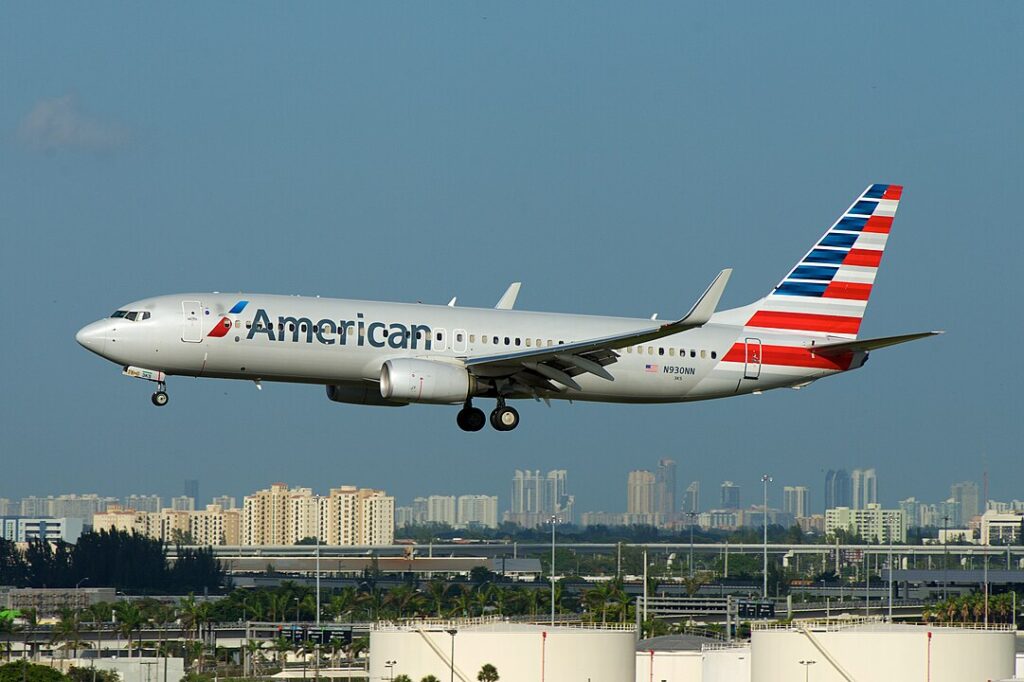
The American Airlines Flight 383 Case
The 2016 evacuation of American Airlines Flight 383 in Chicago is frequently cited in this debate. One passenger was seriously injured during that event.
The National Transportation Safety Board (NTSB) attributed the injury to two factors. The first was the delayed shutdown of the left engine.
The second was a flight attendant’s deviation from procedure, which allowed passengers to exit through the left overwing exit while the engine was still operating.
The NTSB also identified a lack of crew communication as a contributing factor. The case points to procedure adherence and communication rather than crew quantity.
Criticism of the Union’s Proposal
Aviation commentary, including analysis from View From The Wing, characterizes the AFA-CWA legislative effort as a measure that is not a serious safety program.
Critics argue that the proposal frames safety as the justification, while the practical effect is additional staffing requirements that are not supported by the FAA’s evacuation data.
Critics further contend that the approach risks diminishing the professional standing of flight attendants by tying their role to a government mandate rather than to their operational contribution.
Supporters of the union maintain that more crew at each door strengthens evacuation readiness, even where data shows existing outcomes are strong.
Stay tuned with us. Further, follow us on social media for the latest updates.
Join us on Telegram Group for the Latest Aviation Updates. Subsequently, follow us on Google News
