

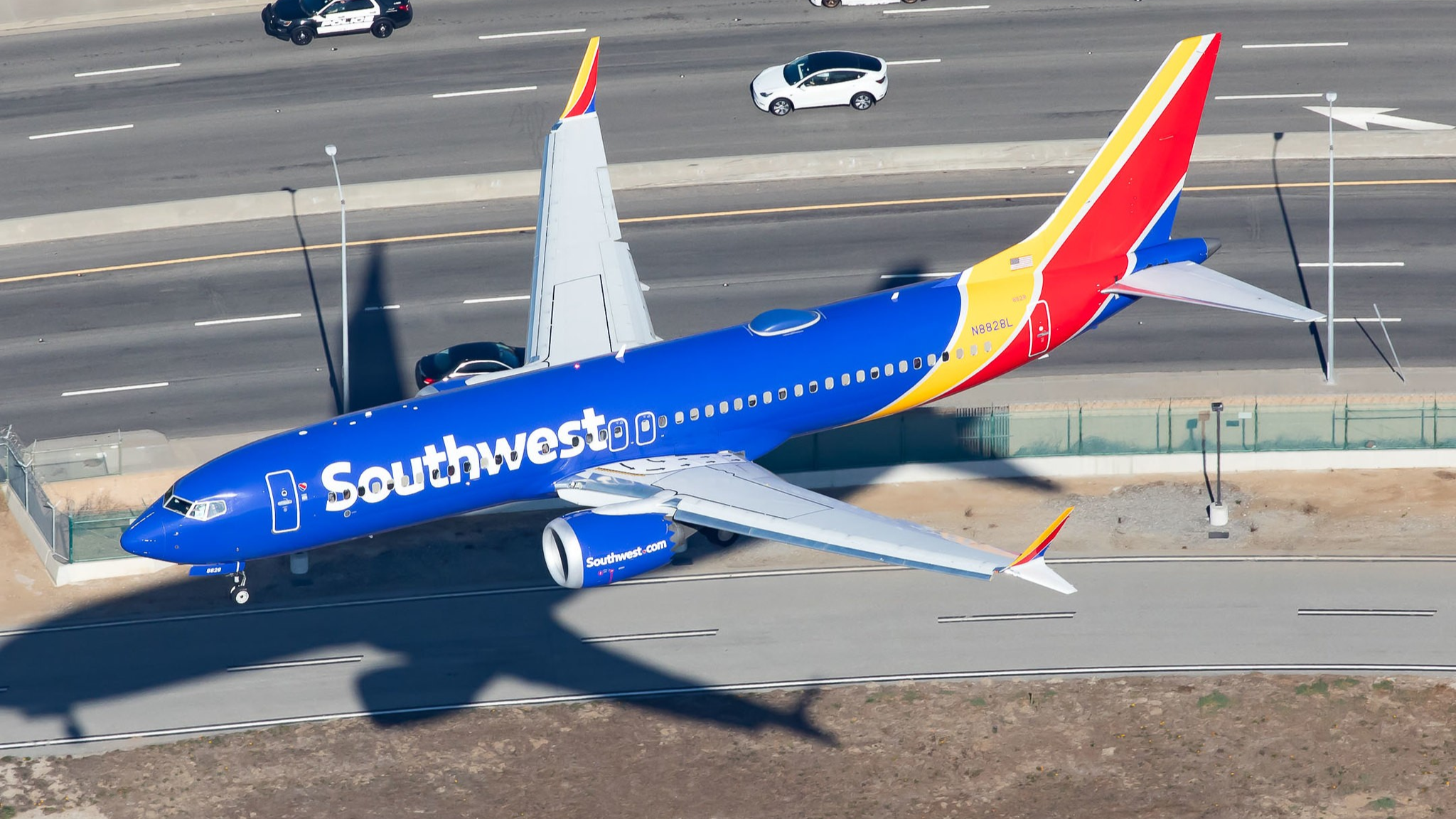
DALLAS— Southwest Airlines (WN) has introduced a new policy banning humanoid and animal-like robots from its aircraft, just days after a passenger flew with a 3.5-foot robot named Stewie from Harry Reid International Airport (LAS) to Dallas Love Field (DAL).
The decision follows the unusual journey of passenger Aaron Mehdizadeh, who purchased an extra seat for his rented robot. The airline (WN) cited compliance with lithium-ion battery safety guidelines as the reason behind the updated baggage rules.
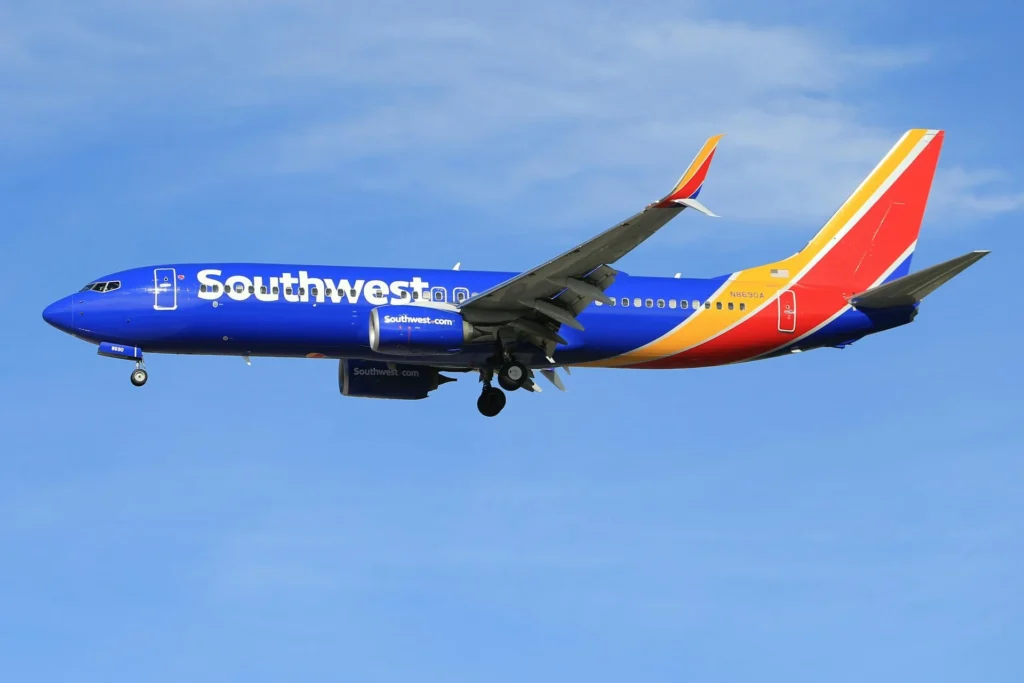
Southwest Airlines Bans Robot
Aaron Mehdizadeh, who rents Stewie through his business, The Robot Studio, chose to purchase a cabin seat for the 3.5-foot humanoid rather than shipping it as cargo.
Southwest (WN) offers the option to buy an additional seat for fragile items such as musical instruments or wedding dresses, which Mehdizadeh used for the robot.
According to CBS News, Stewie cleared TSA security at Las Vegas Harry Reid International Airport (LAS) after being fitted with a smaller battery than usual. The robot then walked through the terminal to the boarding gate, surprising flight attendants and passengers alike upon entering the cabin.
Social media footage of the flight showed Stewie interacting with crew and travelers, responding through its programmed voice and making its way to its assigned window seat. Mehdizadeh said the robot provided entertainment throughout the journey to Dallas Love Field (DAL).

Southwest Issues Safety Alert
Following the flight, Southwest Airlines issued a safety alert announcing that humanoid and animal-like robots would no longer be permitted in the cabin or as checked baggage, regardless of size or purpose. The carrier confirmed the change was made to align with its lithium-ion battery safety standards.
A Southwest spokesperson told Simple Flying, “To ensure compliance with our guidelines for traveling safely with lithium-ion batteries, Southwest clarified its baggage policy to include robotic devices.”
Mehdizadeh disagreed with the new ban, arguing that the battery powering Stewie was comparable to a standard laptop battery. The robot itself offered a programmed remark, calling the decision a conspiracy against robotic travelers.
Earlier Robot Incident in the Southwest
Stewie’s flight was not the only trigger for the policy update. A separate incident involving a robot named Behop caused a one-hour delay on another Southwest (WN) flight due to concerns over its battery size, which was deemed a potential fire risk onboard.
The combination of both events prompted the airline to formalize restrictions on robotic devices and add a direct link to its official battery policy, outlining which robots may still be permitted under specific conditions.
Southwest Airlines (WN) operates several nonstop daily flights between Harry Reid International Airport (LAS) and Dallas Love Field (DAL), with an average flight time of around three hours.
The route faces direct competition from JSX’s hop-on jet service and indirect competition from carriers operating out of Dallas/Fort Worth International Airport (DFW).
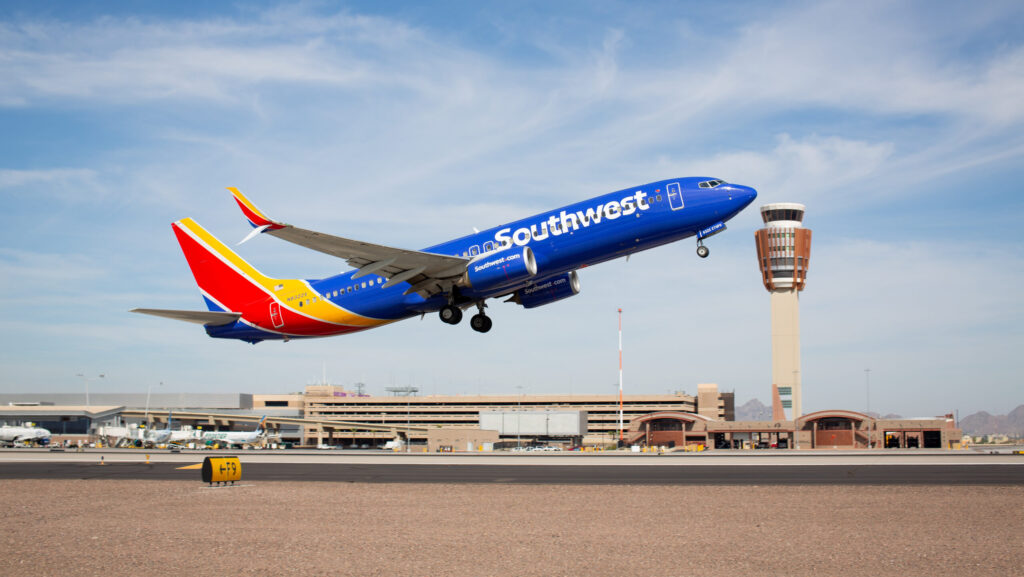
Lithium-Ion Battery Risks Onboard
Airlines globally remain cautious about lithium-ion-powered electronics due to the risk of thermal runaway, an uncontrollable temperature rise that can cause fires emitting toxic fumes and reaching extreme temperatures that are difficult to extinguish quickly.
Common devices containing lithium-ion batteries include e-cigarettes, vapes, spare batteries, laptops, smartphones, and power banks. These items are restricted from checked baggage so that cabin crew can respond rapidly in the event of a battery failure.
Risks typically arise when batteries are crushed between seats or charged to full capacity with a faulty charger before a flight.
Southwest has added a link to its official battery policy on its website, providing passengers with clear guidance on which robotic devices remain eligible for travel.
Stay tuned with us. Further, follow us on social media for the latest updates.
Join us on Telegram Group for the Latest Aviation Updates. Subsequently, follow us on Google News
