

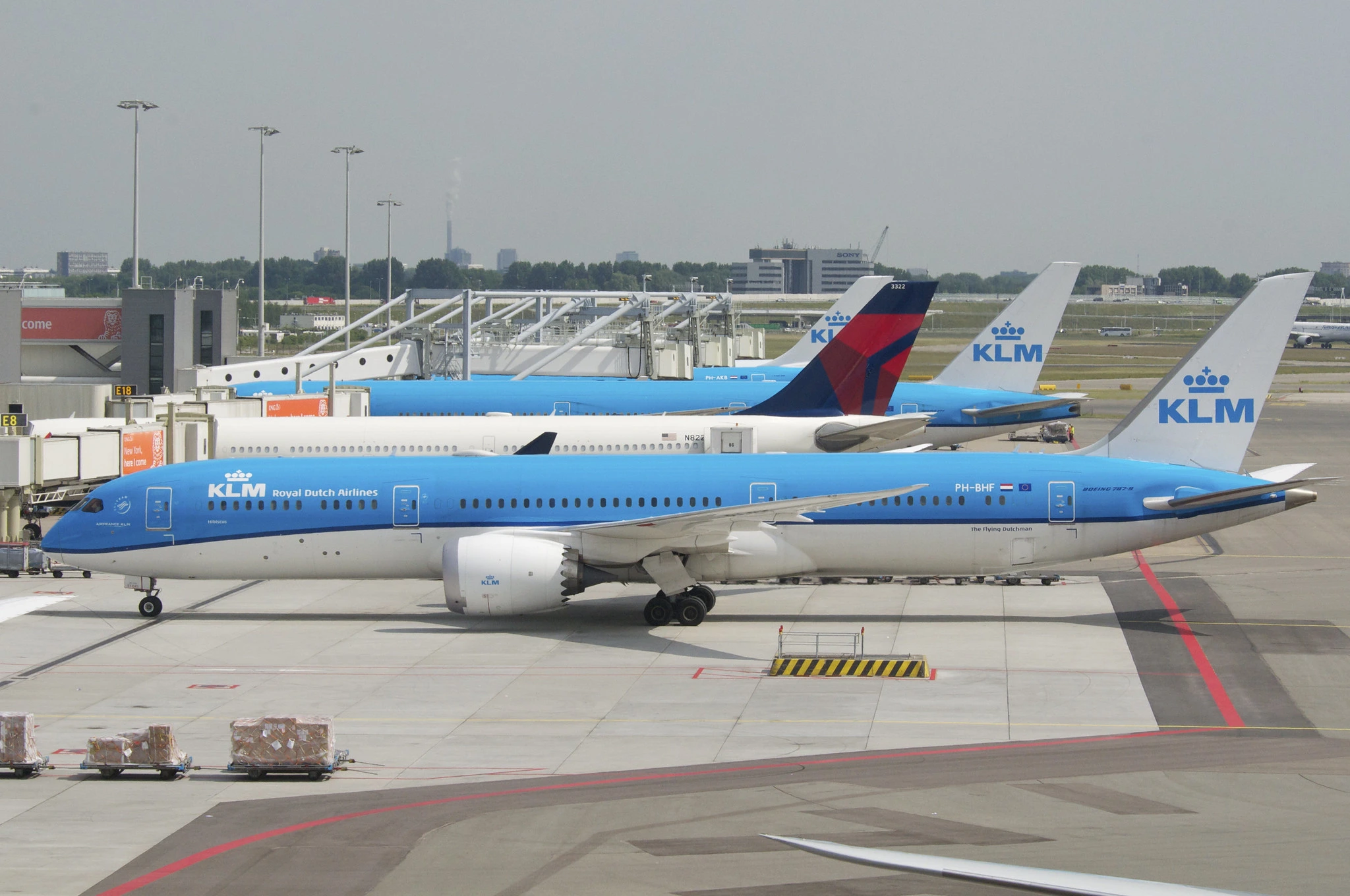
MALAGA— A flight operated by KLM Royal Dutch Airlines (KL) from Málaga-Costa del Sol Airport (AGP) to Amsterdam Airport Schiphol (AMS) faced a major delay after a passenger allegedly used a Wi-Fi hotspot name referencing a bomb onboard.
The incident forced authorities to evacuate the aircraft shortly before departure on Saturday evening.
The flight, scheduled to depart from Málaga (AGP) at around 8:30 p.m., remained grounded for several hours while Spanish security officials and airline staff carried out a full inspection of the aircraft.
The plane later arrived in Amsterdam at approximately 3 a.m., more than three hours behind schedule.
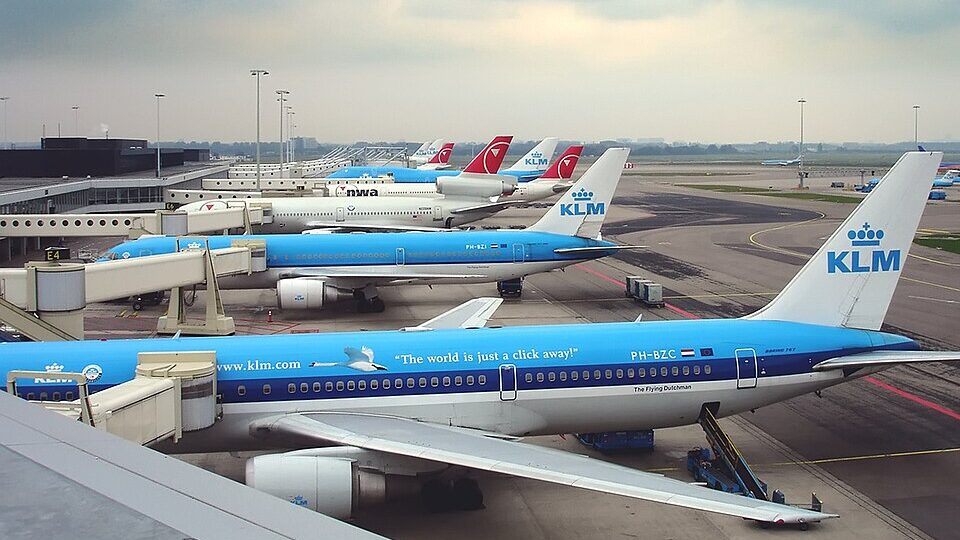
Security Response to the Bomb Threat
According to local reports, the disruption began when a Wi-Fi hotspot carrying the message “Allahu Akbar: there is a bomb on board” appeared on passengers’ devices before takeoff.
Crew members immediately alerted airport security personnel, triggering emergency procedures on the ground.
Authorities evacuated passengers from the aircraft and conducted a detailed search of the cabin, cargo hold, and onboard luggage. Security teams reportedly found no suspicious devices or dangerous materials during the inspection.
KLM confirmed that it follows strict procedures whenever any form of bomb threat or security concern arises, regardless of whether the threat appears credible. The airline said passenger and crew safety remained its highest priority throughout the incident.
In a statement, the carrier noted that it worked closely with local authorities in Spain to ensure all required security measures were completed before the aircraft was cleared for departure.
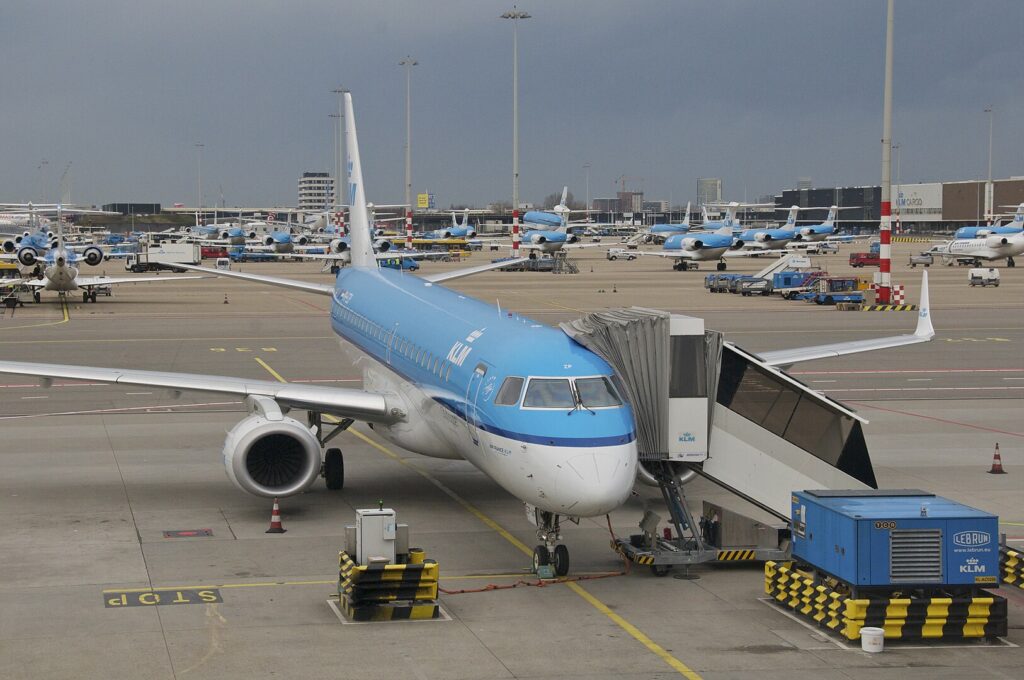
Flight Delay Impact
The prolonged inspection significantly disrupted the flight schedule and affected passengers traveling to the Netherlands.
After authorities completed the search and declared the aircraft safe, the flight eventually departed Málaga later in the night.
The delay pushed the aircraft’s arrival at Amsterdam Schiphol well beyond its planned landing time. While no injuries or security breaches were reported, passengers experienced several hours of uncertainty inside the terminal during the investigation.
Such incidents often create operational challenges for airlines because security checks can extend to baggage screening, aircraft inspections, and passenger verification.
Aviation experts note that even non-credible threats can trigger mandatory procedures under international aviation safety regulations.
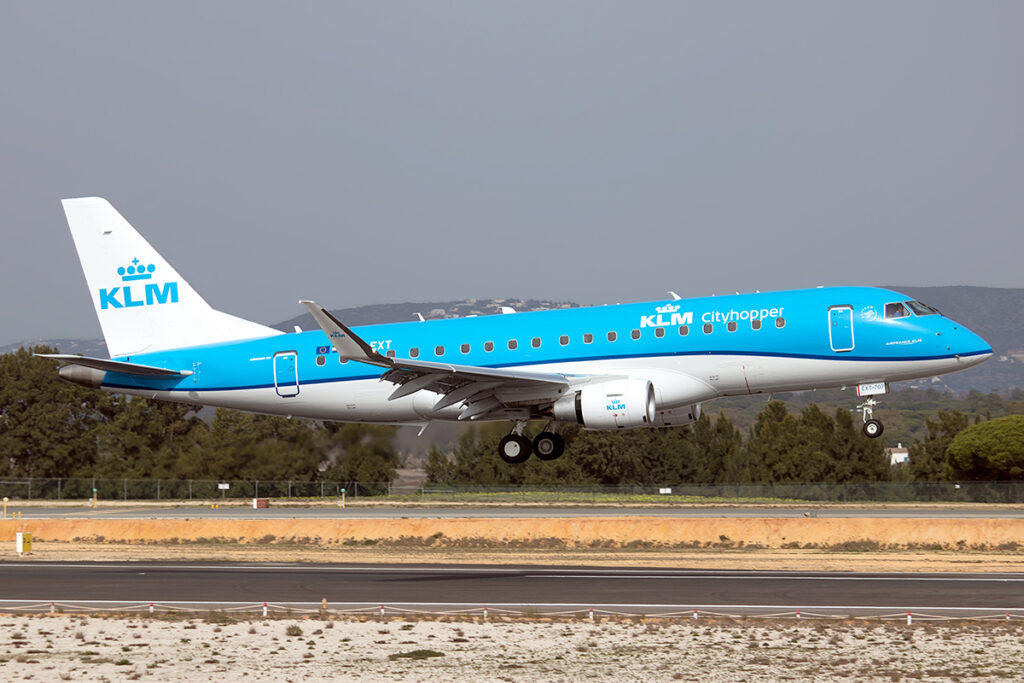
Bomb Threat Laws in the Netherlands
European aviation authorities treat hoax bomb threats as serious criminal offenses because they can disrupt airport operations and create panic among travelers.
Under Dutch law, individuals responsible for false bomb threats can face prison sentences of up to four years or substantial financial penalties exceeding €25,000, Dutch News reported.
People found responsible for similar incidents may also receive lifetime travel bans from airlines. Authorities have not publicly confirmed who created the hotspot name involved in the Málaga incident, and no arrests have been announced so far.
Stay tuned with us. Further, follow us on social media for the latest updates.
Join us on Telegram Group for the Latest Aviation Updates. Subsequently, follow us on Google News
