

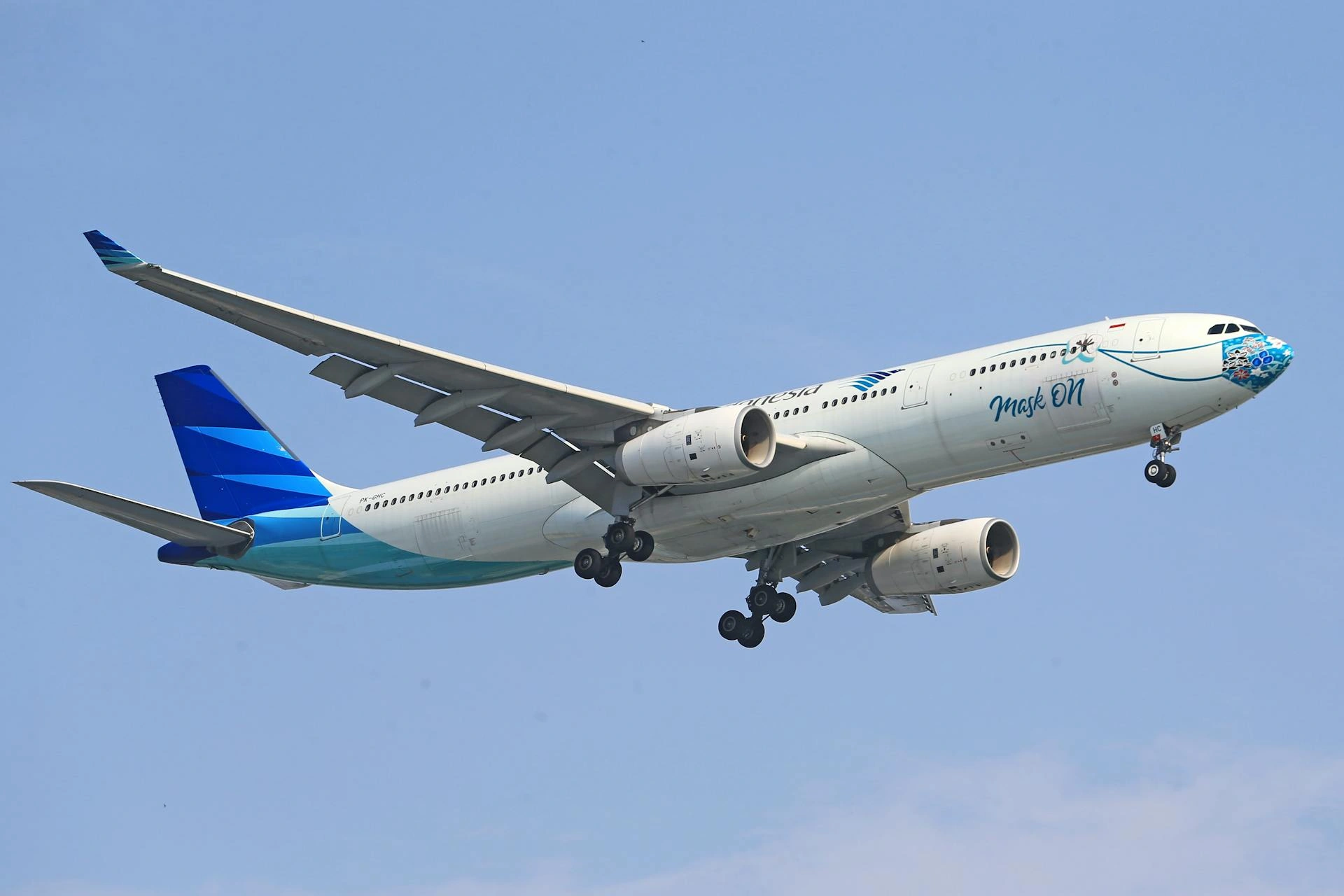
TANGERANG— Garuda Indonesia (GA) operated an unusually long flight on May 8, 2026, when its Airbus A330-900neo spent hours circling over southern India. The aircraft, registered PK-GHI, was flying from Jeddah (JED) to Medan (KNO) as flight GA4208.
The journey, which usually takes around 8 hours, stretched to 12 hours and 39 minutes. The delay was caused by an airspace closure over the Bay of Bengal, reportedly for a test of the Agni-6 missile, forcing the widebody to hold near Kuala Namu International Airport (KNO) airspace approaches for an extended period, OMAAT flagged.
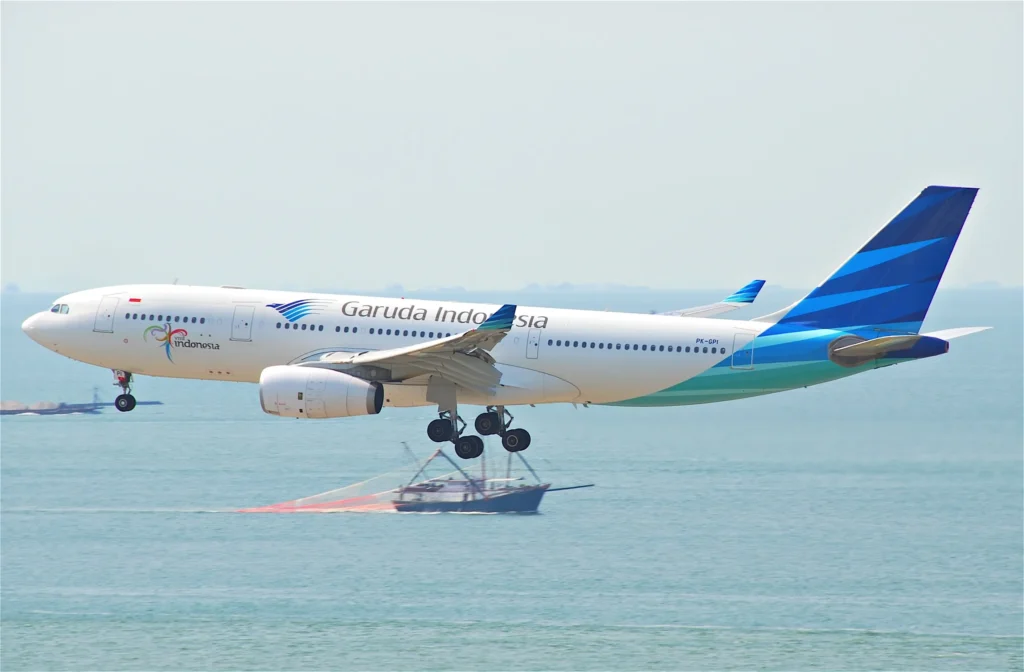
Garuda Indonesia A330neo 4-Hours Circling
Flight GA4208 covered the 4,190-mile route from Saudi Arabia to Indonesia with a tailwind, which would normally allow a routine 8-hour sector.
The first 5 hours and 20 minutes of the flight progressed without issue, with the Airbus A330-900neo crossing Saudi Arabia, Oman, and the Arabian Sea on the standard track.
The situation changed once the aircraft entered Indian airspace. While positioned over southern India, the A330neo entered a holding pattern and remained in continuous right-hand turns for roughly 4 hours and 30 minutes.
After clearance was granted to continue, the aircraft completed the final 2 hours and 50 minutes to Medan without further disruption.
Reason Behind the Extended Holding Pattern
Reports indicate that a large segment of airspace around the Bay of Bengal was closed during the period to facilitate a test launch of the Agni-6 ballistic missile.
Airspace closures for missile testing are standard practice, but a holding duration of this length on a commercial flight is highly unusual.
Commercial aircraft typically do not carry several additional hours of fuel beyond planned reserves, since extra fuel adds weight and operating cost.
The decision to hold rather than divert or delay departure suggests that Garuda Indonesia had factored the closure into the dispatch plan and uplifted additional fuel before departing Jeddah.
Possible Operational Considerations
Two operational factors likely influenced the decision to push ahead from Jeddah rather than delay. Jet fuel pricing in Saudi Arabia is generally lower than in Indonesia, which makes tankering fuel from JED economically practical for return sectors.
The flight crew may have also been working with a known closure window, betting on an earlier reopening of the Bay of Bengal airspace.
The size of the restricted area appears to have prevented an efficient reroute around the zone. If a narrower deviation had been possible, the operations team would likely have selected that option instead of accepting hours of fuel burn in a holding pattern.
Aircraft and Route Details
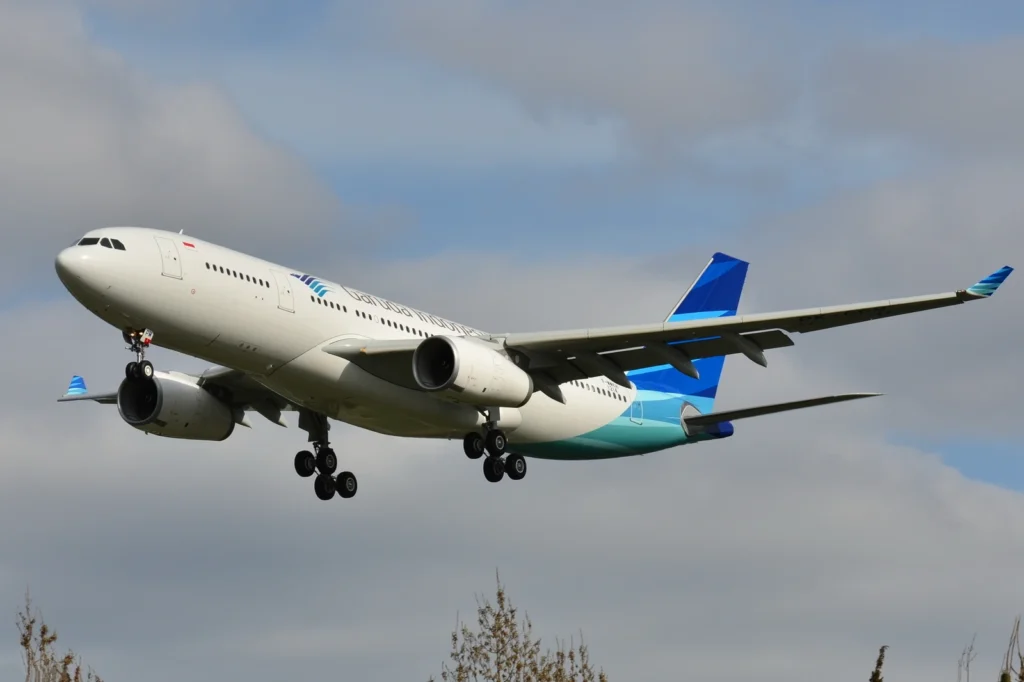
The aircraft involved, PK-GHI, is an Airbus A330-900neo operating long-haul routes within Garuda Indonesia’s widebody fleet.
Flight GA4208 connects Jeddah’s King Abdulaziz International Airport (JED) with Kuala Namu International Airport (KNO) in Medan, serving Indonesian pilgrims and travellers returning from Saudi Arabia.
The standard block time of around 8 hours reflects favourable winds on the eastbound leg. With the holding segment included, the May 8 operation became one of the longest recorded holding events on a scheduled commercial passenger flight.
Bottom Line
Garuda Indonesia flight GA4208 spent approximately 4 hours and 30 minutes in a holding pattern over southern India on May 8, 2026, after the Bay of Bengal airspace was closed for an Agni-6 missile test.
The Airbus A330-900neo eventually reached Medan after a total flight time of 12 hours and 39 minutes. The event highlights how missile testing windows can disrupt long-haul operations, and how airlines occasionally choose extended holding over diversion when sufficient fuel reserves are loaded in advance.
Stay tuned with us. Further, follow us on social media for the latest updates.
Join us on Telegram Group for the Latest Aviation Updates. Subsequently, follow us on Google News
