

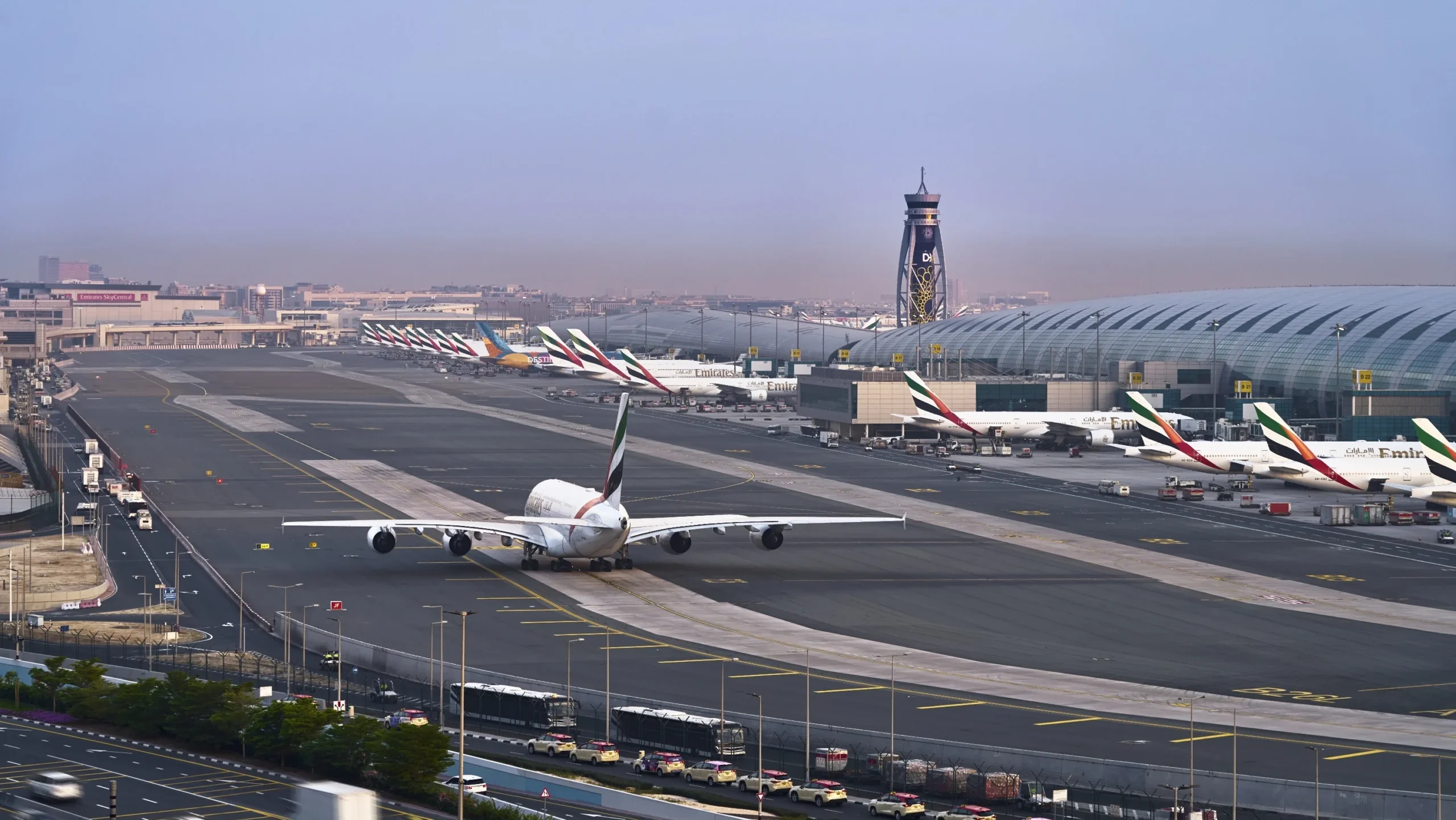
DUBAI,UAE- Dubai maintained uninterrupted airport operations during weeks of regional conflict, as Dubai International Airport (DXB) managed over 100 missile alerts while continuing to handle passenger and cargo traffic.
The airport’s leadership confirmed that safety protocols and coordinated responses allowed flights to operate with minimal disruption despite heightened security risks.
The hub, which serves as a base for Emirates (EK), faced an unprecedented operating environment as tensions escalated across the Middle East.
Authorities revealed that the airport remained functional even during repeated alerts, ensuring both passenger safety and operational continuity.
Dubai Airport’s Crisis Management Strategy
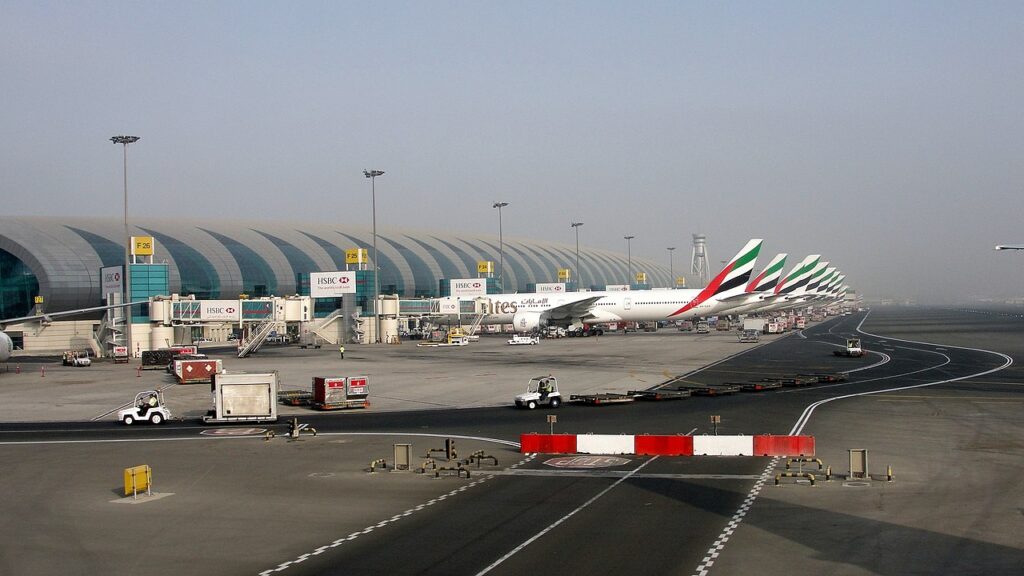
Dubai Airports implemented rapid-response safety procedures as missile alerts increased during the conflict period. Chief Executive Paul Griffiths stated that the airport received 114 alerts, averaging nearly three per day.
Teams moved passengers and staff to secure areas within minutes, refining procedures in real time. The focus remained on minimizing risk while maintaining orderly movement across terminals.
Griffiths explained that early assumptions about limited targets shifted as regional airports came under threat. This prompted proactive planning to ensure readiness for similar scenarios at DXB.
Dubai’s Airport Operations Continuity
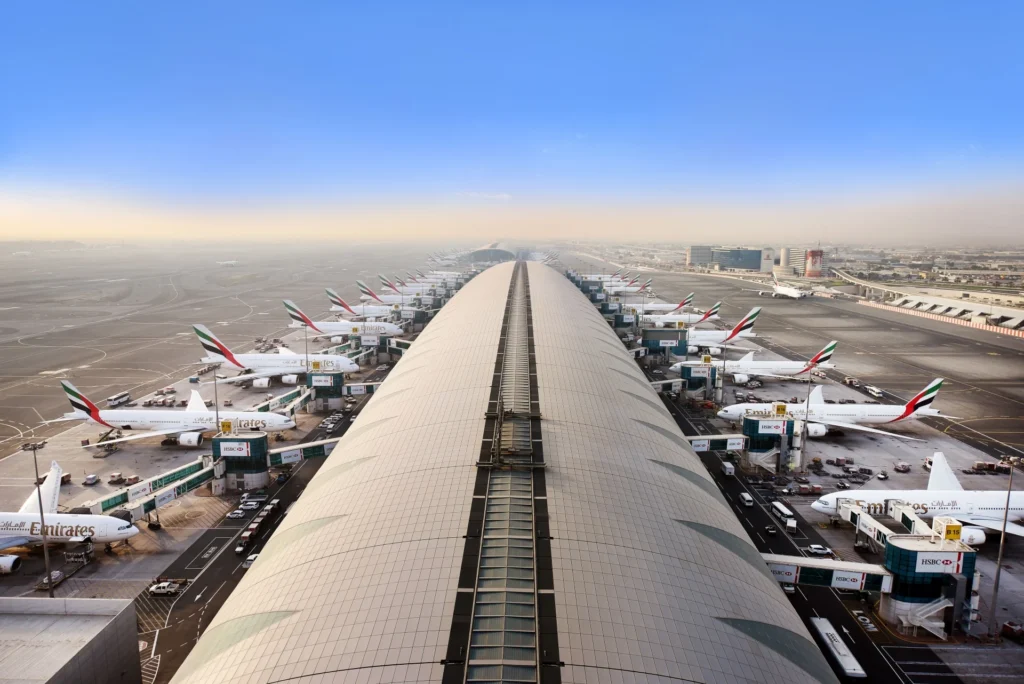
Despite repeated alerts and isolated disruptions, Dubai International Airport continued handling flights. Between late February and April, the airport supported over 32,000 aircraft movements and processed approximately 213,000 tonnes of cargo.
A drone-related incident caused a temporary fire at a fuel facility, but emergency teams contained the situation without injuries. Some flights were diverted, yet the airport avoided large-scale shutdowns.
Maintaining operations was a deliberate strategy aimed at preserving passenger confidence. Officials emphasized that continuity reassured travelers and reduced panic during uncertain conditions.
Passenger Traffic Impact
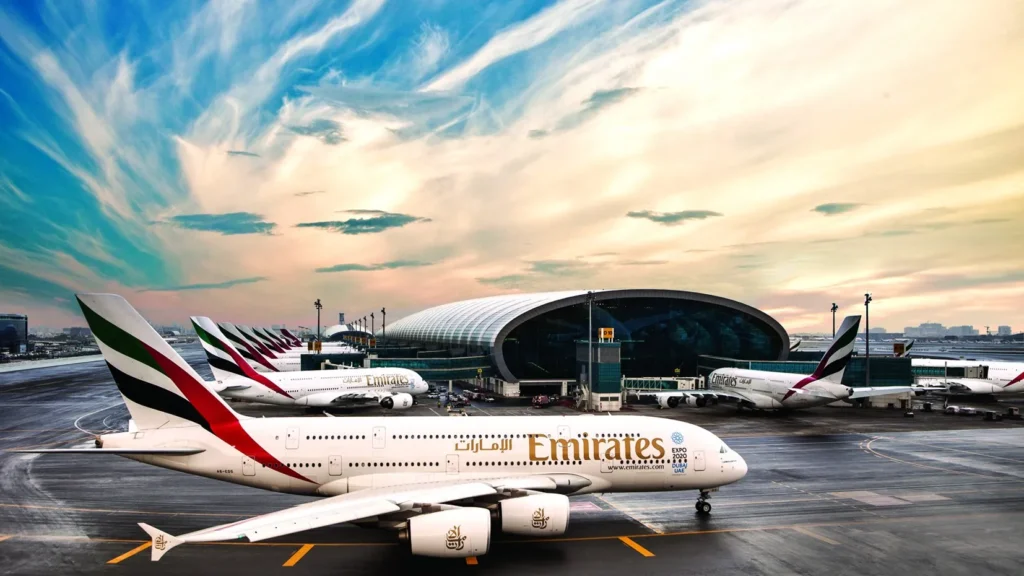
DXB recorded 18.6 million passengers in the first quarter of 2026, reflecting a 20.6 percent decline compared to the previous year. However, the airport had handled 95.2 million passengers in 2025, underscoring its scale as a global hub, GulfNews flagged.
Passenger feedback remained largely positive, with many travelers highlighting efficient handling and clear communication. Social media posts indicated that most passengers experienced minimal disruption despite the security situation.
Griffiths credited the outcome to strong coordination across airlines, airport teams, and government agencies. He described the response as a highly synchronized effort that ensured both safety and operational resilience.
Dubai Airports also highlighted lessons learned from the crisis, including the importance of decentralized decision-making and clear communication. Leadership visibility and staff preparedness played a key role in maintaining stability.
Stay tuned with us. Further, follow us on social media for the latest updates.
Join us on Telegram Group for the Latest Aviation Updates. Subsequently, follow us on Google News
