

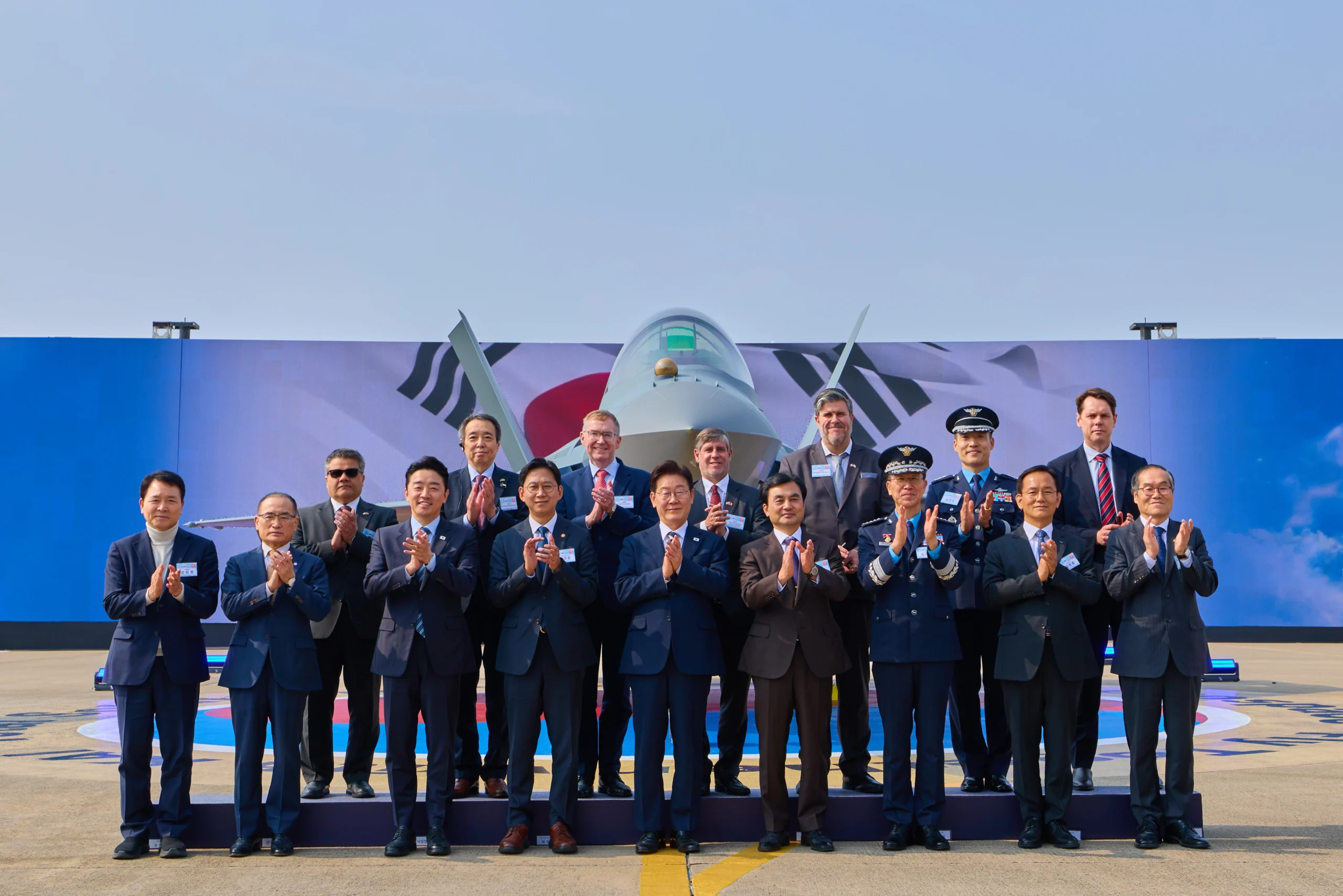
SEOUL- A rising number of veteran Air Force pilots are leaving military service for commercial aviation, driven by higher salaries and improved living conditions.
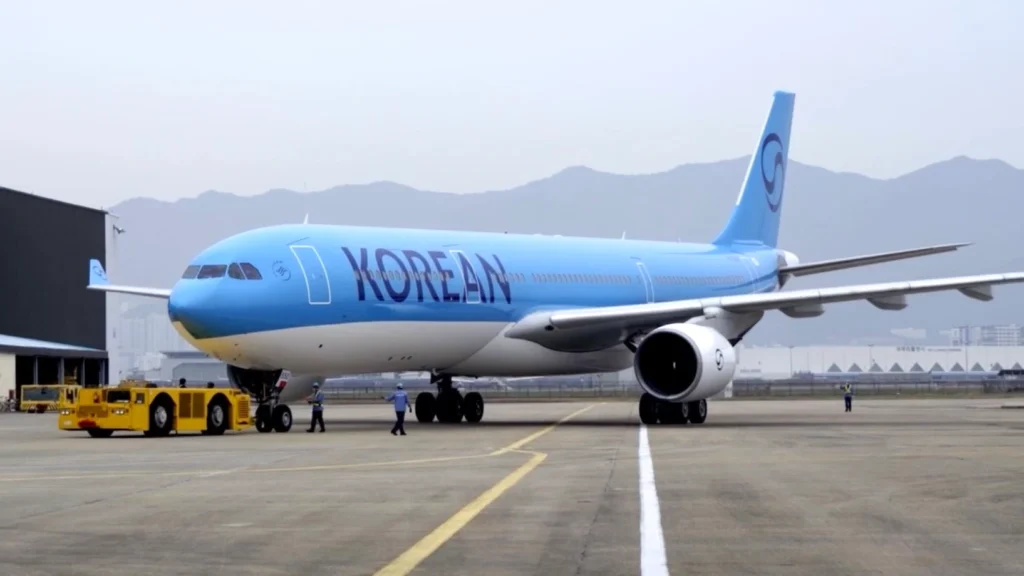
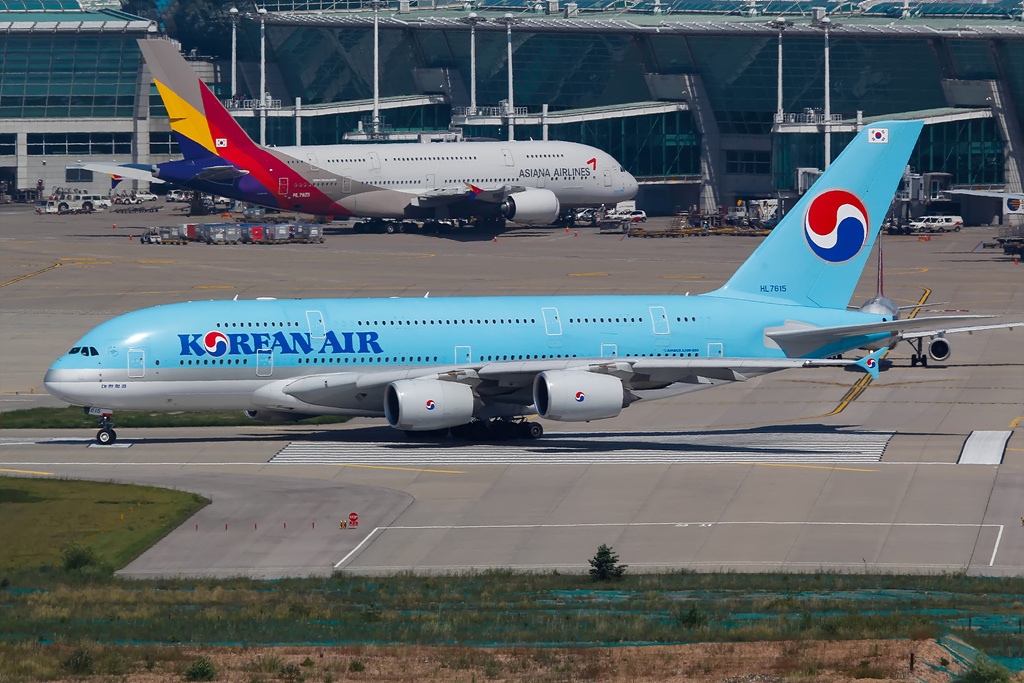
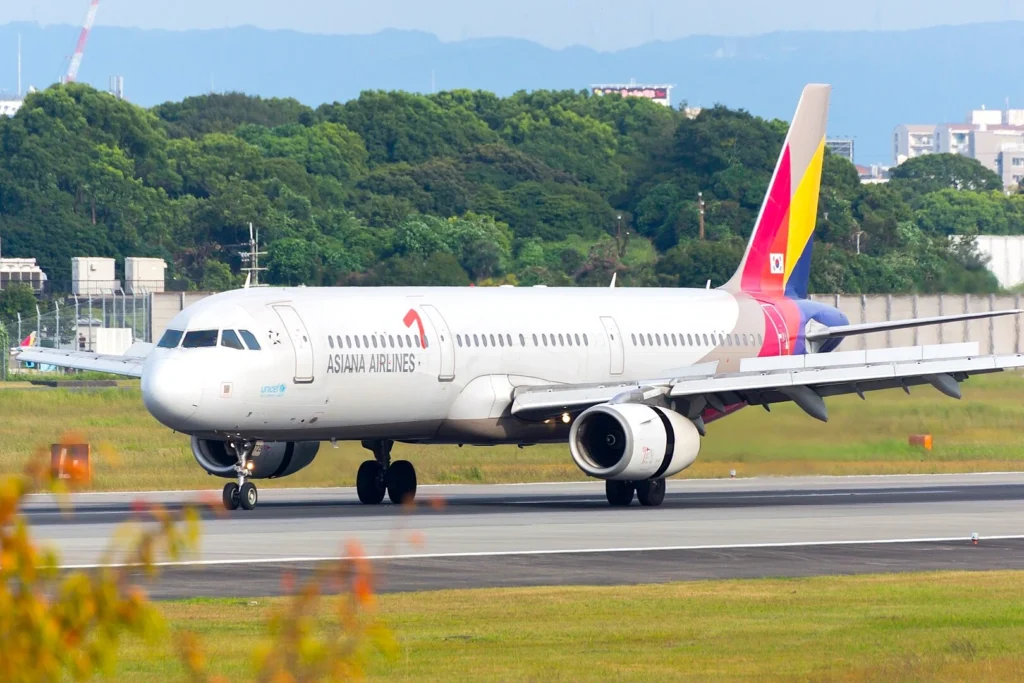
Major carriers such as Korean Air (KE) and Asiana Airlines (OZ), operating from Incheon International Airport (ICN), are the primary employers absorbing this talent.
This ongoing transition highlights structural retention challenges within the military, as trained pilots exit soon after completing mandatory service, impacting long-term operational capability.
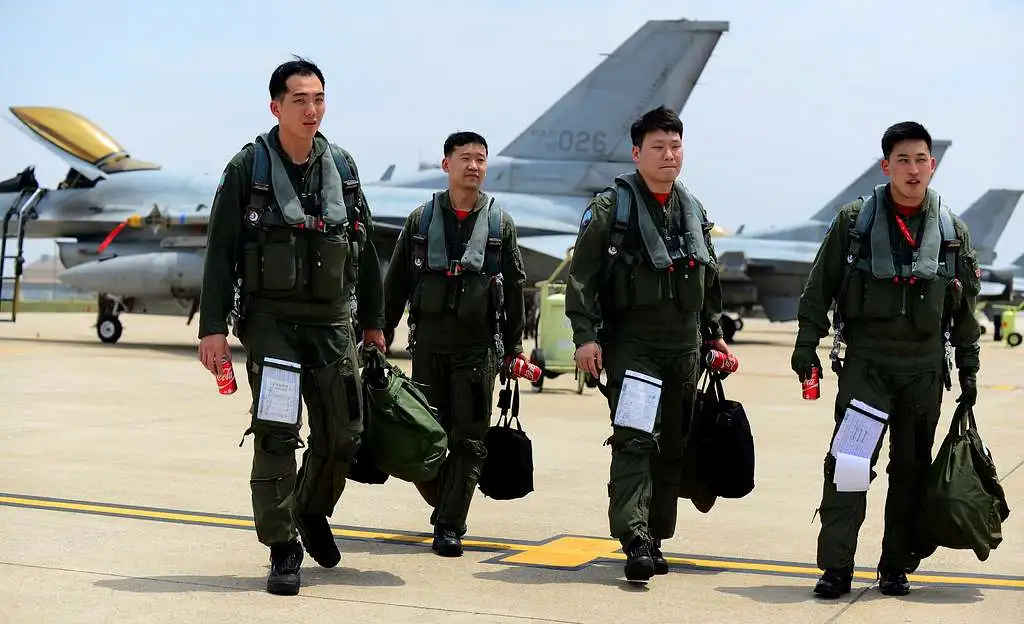
South Korean Air Force Pilots Exodus
The South Korean Air Force has experienced a sustained outflow of experienced pilots. Data submitted by Kang Dae-sik of the People Power Party, a member of the National Assembly’s National Defense Committee, shows that 896 veteran pilots left between 2017 and March 2025.
Veteran pilots are defined as those with 8 to 17 years of service who can independently execute missions and train junior pilots.
In the first 3 months of 2025 alone, 47 such pilots exited military service to join commercial airlines.
According to the Korea Times, this pattern reflects increasing reliance by airlines on military-trained pilots to meet growing demand.
Distribution of Pilots Across Airlines
A majority of departing pilots joined leading full-service carriers. Out of the total:
- 622 pilots, or 69.4 percent, joined Korean Air (KE)
- 147 pilots, or 16.4 percent, joined Asiana Airlines (OZ)
- 103 pilots, or 11.5 percent, joined low-cost carriers
These figures show a clear preference for established airlines offering stable career progression and higher compensation.
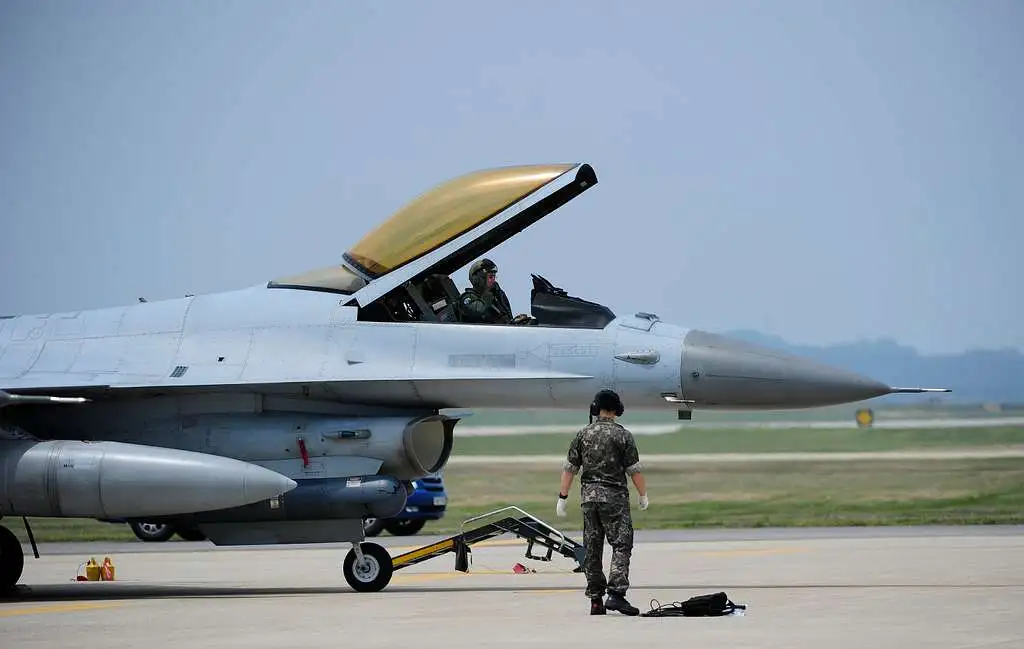
Causes Driving Pilot Attrition
The primary drivers behind pilot departures are economic and lifestyle factors. A January 2025 Air Force survey identified the following key reasons:
- Salary gap with commercial airlines (68.9 percent)
- Poor work-life balance (67.5 percent)
- Housing instability (61.4 percent)
Commercial aviation roles provide structured schedules, higher income, and improved living standards, making them more attractive than military service.
Most pilots leave shortly after completing their mandatory service obligations. Fixed-wing pilots, including fighter and transport aircraft operators, must serve 15 years if they graduate from the Air Force Academy and 10 years if they enter through other routes.
The average service duration before departure is 15.2 years for academy graduates and 10.6 years for non-academy pilots.
Rising Annual Departure Trends
Separate data compiled in 2025 by Kim Byung-kee of the Democratic Party of Korea, also a member of the National Assembly’s National Defense Committee, highlights a growing trend in annual departures:
- 113 pilots left in 2024
- 82 pilots left in 2023
- 60 pilots left in 2022
This steady increase indicates worsening retention challenges within the Air Force.
Financial Costs and Strategic Impact
The departure of experienced pilots results in substantial financial losses. Training a single veteran pilot costs more than 1 billion won (approximately $679,661).
Aircraft-specific training costs are significantly higher:
- F-35A pilot: 6.17 billion won
- F-15K pilot: 2.67 billion won
- KF-16 pilot: 1.84 billion won
- FA-50 pilot: 1.63 billion won
- C-130J pilot: 1.21 billion won
Beyond financial implications, the loss of skilled personnel raises concerns about weakened operational capability and broader national security impact, as these pilots play essential roles in mission execution and training.
Air Force Position and Mitigation Efforts
An Air Force official stated that the current pilot staffing rate remains above 90 percent, ensuring operational readiness.
The official added that efforts are ongoing to improve retention by enhancing service conditions and increasing incentives for extended service.
Despite these measures, long-term retention depends on addressing the structural gap between military and commercial aviation careers.
Stay tuned with us. Further, follow us on social media for the latest updates.
Join us on Telegram Group for the Latest Aviation Updates. Subsequently, follow us on Google News
