

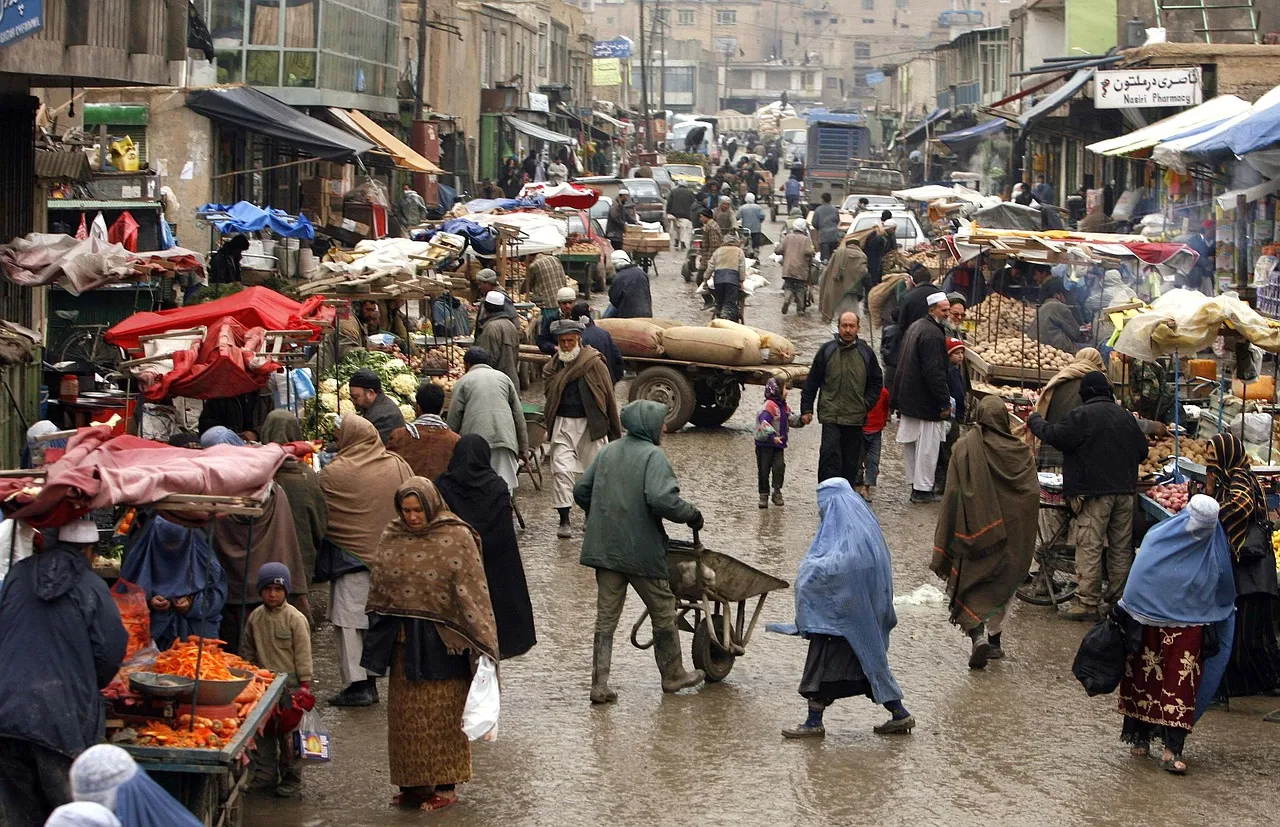
Despite global progress in gender equality, several countries still rank extremely low when it comes to women’s safety, rights, and overall well-being.
According to the Georgetown Institute for Women, Peace and Security, the lowest-ranked countries in 2026 are those affected by conflict, political instability, weak governance, and deep-rooted social inequalities.
In these regions, women often face limited access to education, restricted economic opportunities, and high levels of gender-based violence. Ongoing crises—whether political, economic, or humanitarian—further worsen conditions, making daily life particularly challenging.
The Least Women-Friendly Countries in the World in 2026
Here are the 10 worst women-friendly countries in the world in 2026, according to GIWPS.
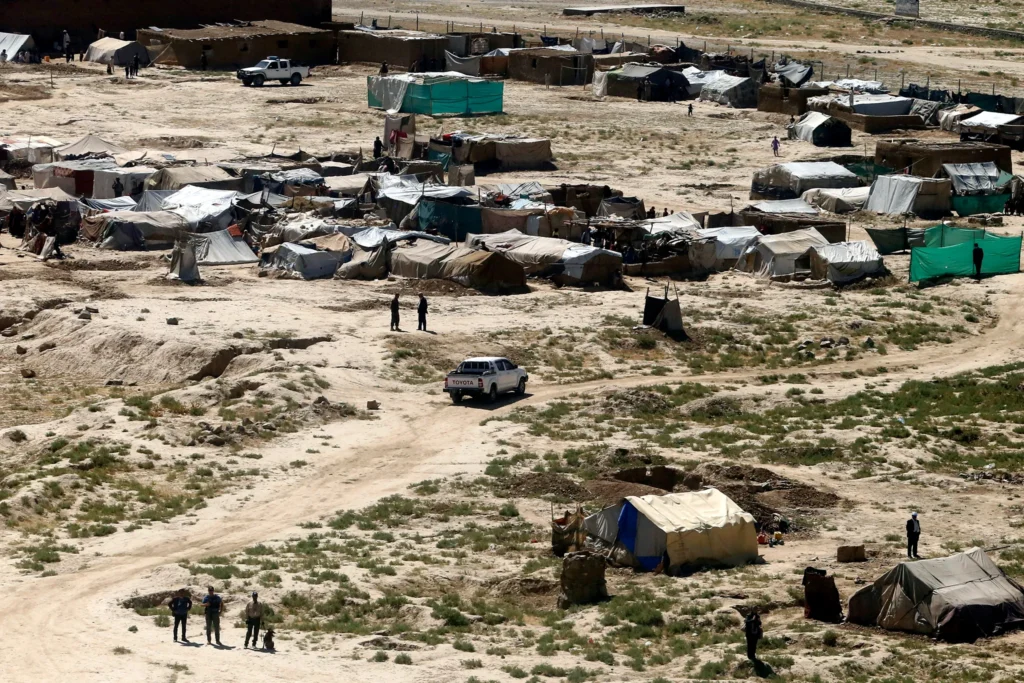
1. Afghanistan
Afghanistan remains the least women-friendly country in the world. Women face severe restrictions on education, employment, and public life.
Since recent political changes, girls have been barred from higher education, and women’s participation in the workforce has drastically reduced. Freedom of movement is also heavily restricted, making Afghanistan one of the most difficult places globally for women.
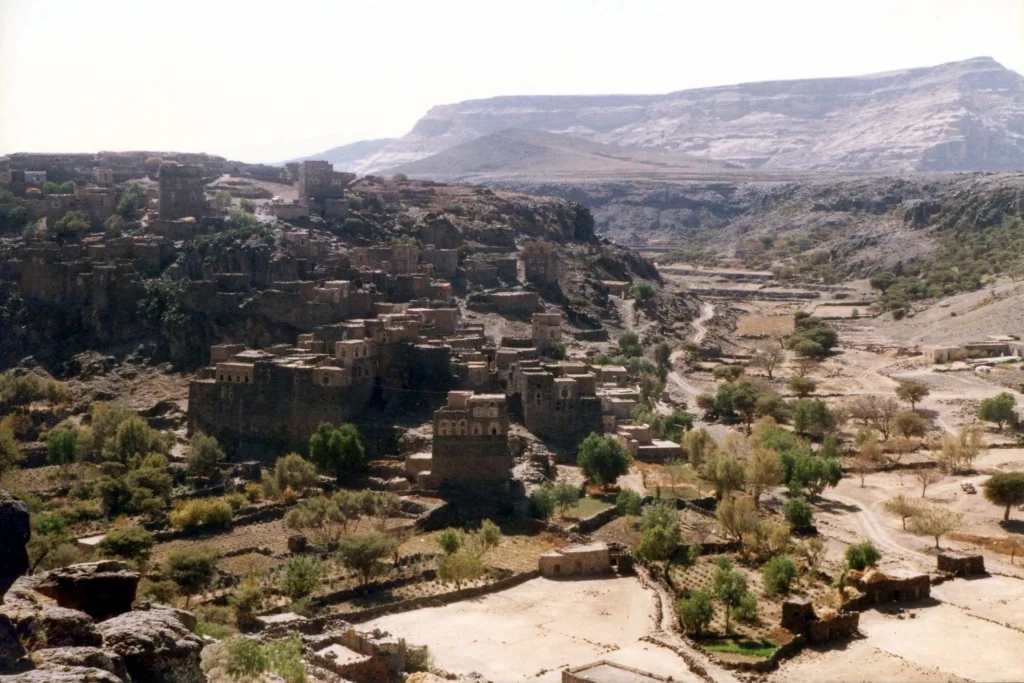
2. Yemen
Yemen continues to struggle with one of the world’s worst humanitarian crises.
Years of conflict have left women with limited access to healthcare, education, and economic opportunities. Child marriage and gender-based violence remain widespread, while basic services are often unavailable.
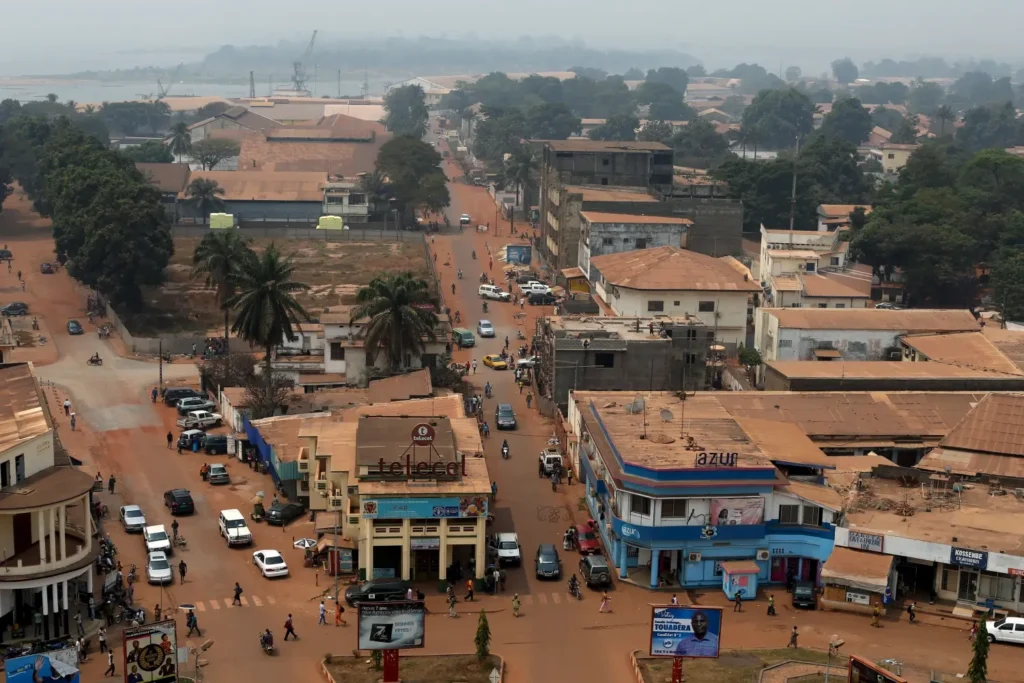
3. Central African Republic
The Central African Republic ranks among the lowest due to ongoing instability and violence.
Women face extremely high levels of insecurity, with limited access to education and healthcare. Armed conflict has significantly impacted daily life, particularly for women and girls.
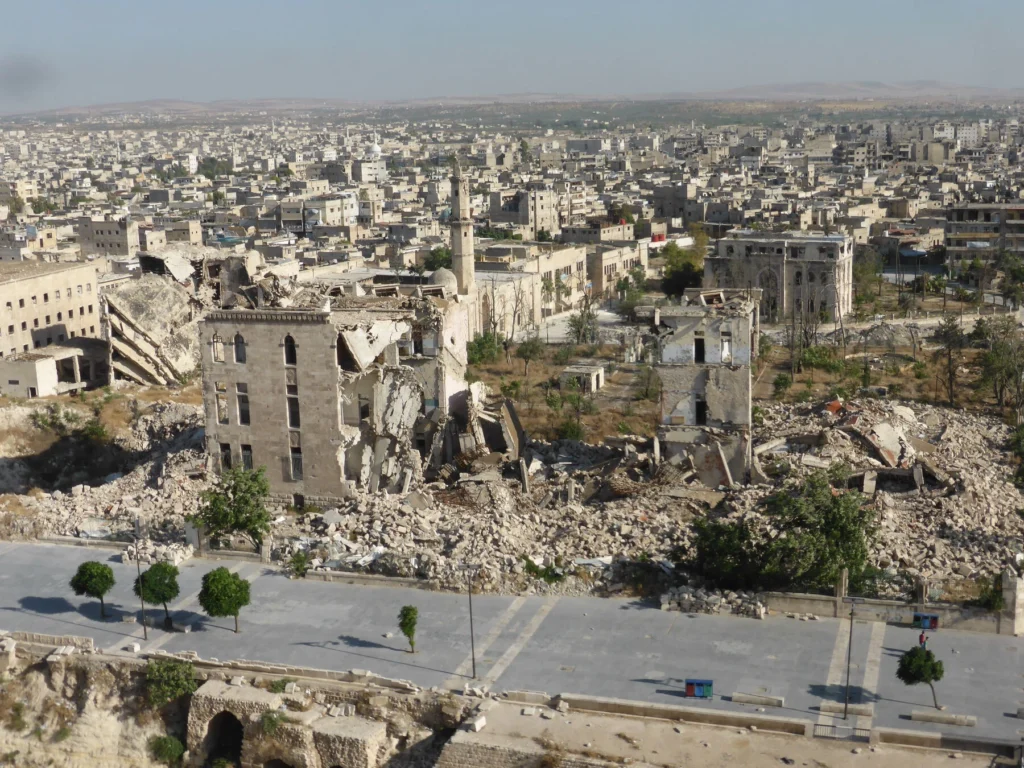
4. Syrian Arab Republic
Syria continues to be affected by years of conflict.
Women in Syria often face displacement, economic hardship, and limited access to essential services. Many are vulnerable to exploitation and violence, particularly in conflict-affected regions.
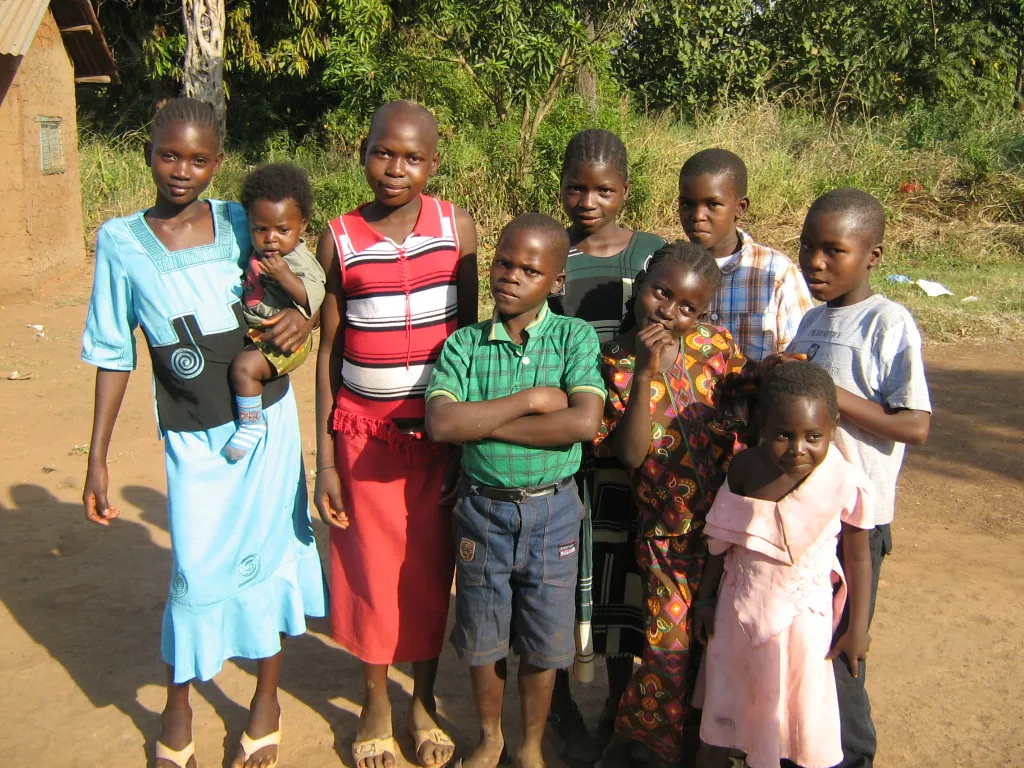
5. Sudan
Sudan remains politically unstable, with ongoing unrest affecting women’s safety and rights.
Access to healthcare and education is limited in many areas, and economic challenges make it difficult for women to achieve financial independence.

6. Haiti
Haiti is the only country from the Americas on this list.
Political instability, economic hardship, and rising violence have created a difficult environment for women. Access to basic services is limited, and safety concerns remain a major issue.
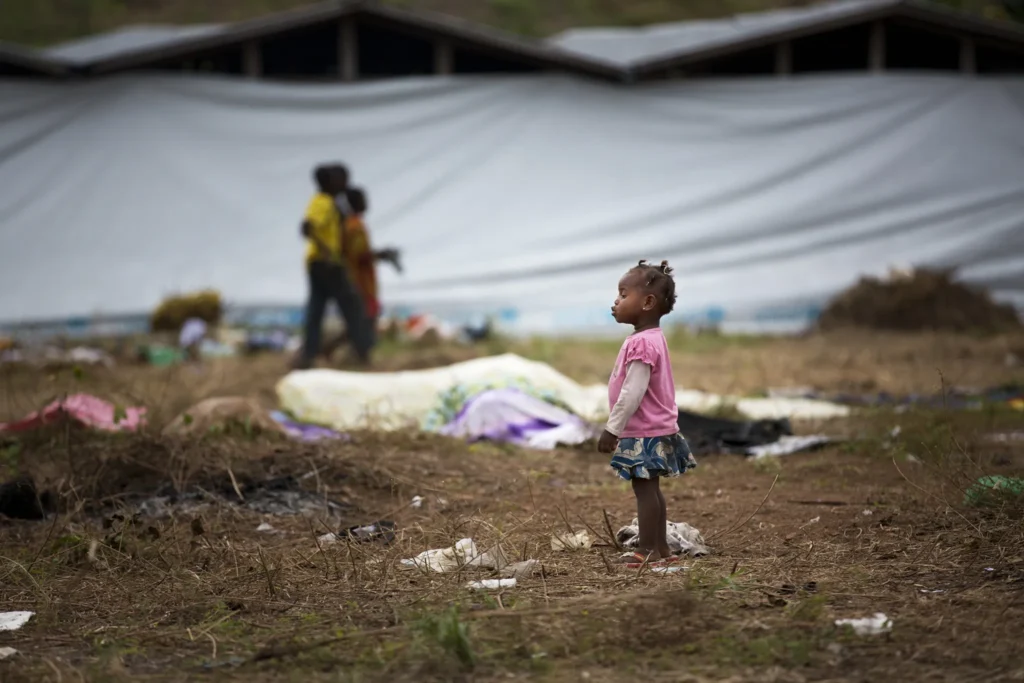
7. Democratic Republic of the Congo
The Democratic Republic of the Congo continues to face conflict-related challenges.
Sexual violence has been a persistent issue in certain regions, while many women lack access to education, healthcare, and stable employment opportunities.
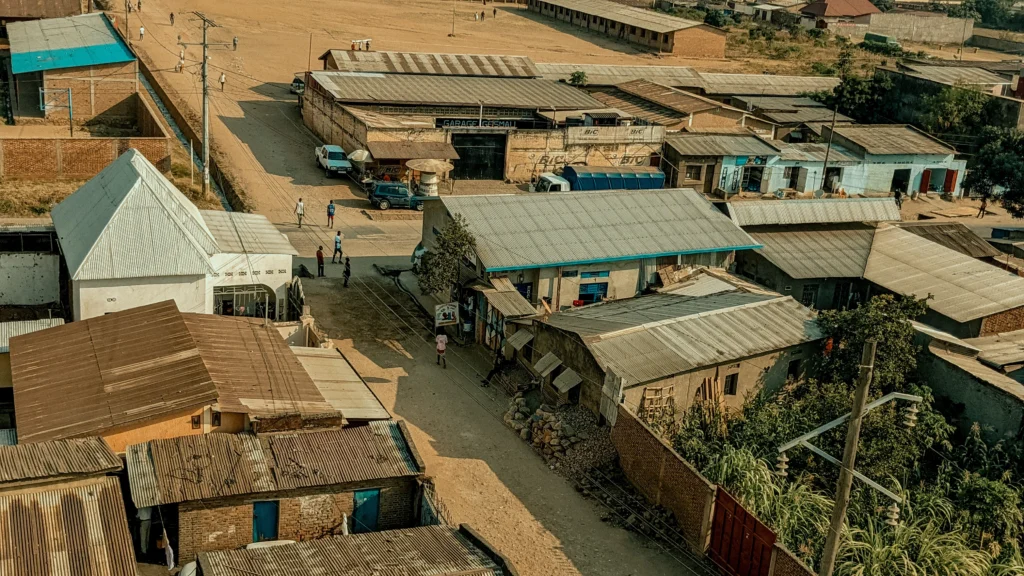
8. Burundi
Burundi ranks low due to poverty and limited opportunities for women.
Access to education and healthcare remains restricted, particularly in rural areas. Women also face barriers to economic participation.
9. South Sudan
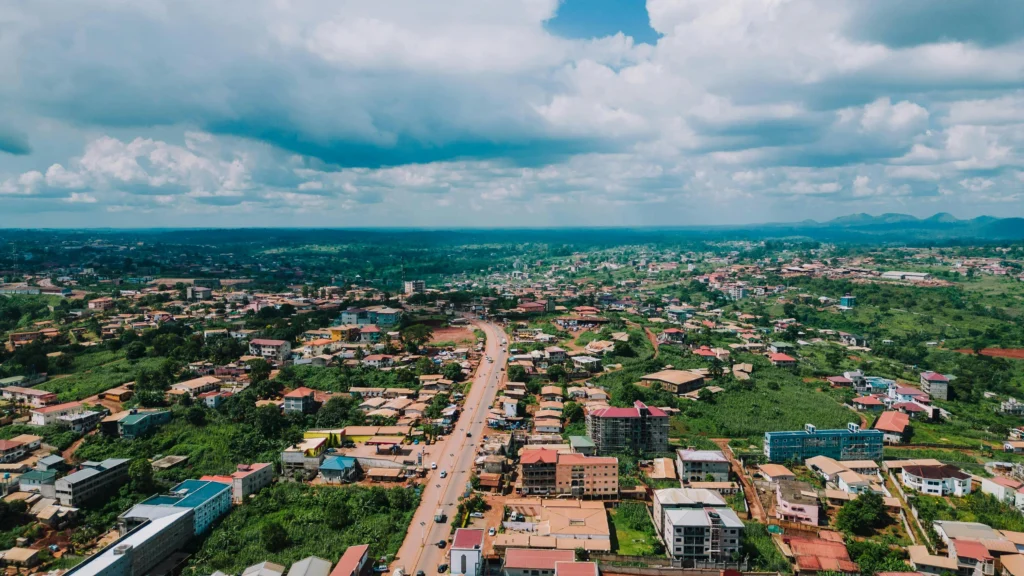
South Sudan continues to struggle with instability and underdevelopment.
Women are disproportionately affected by conflict, poverty, and early marriage. Educational opportunities for girls are particularly limited.
10. Myanmar
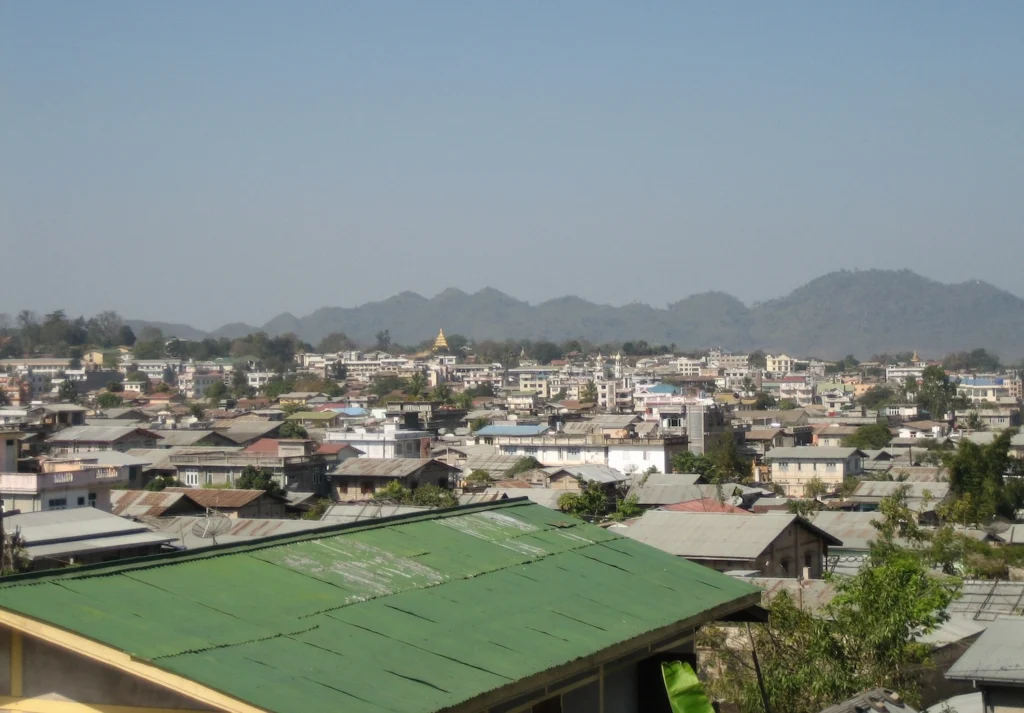
Myanmar completes the list, with political unrest significantly affecting women’s lives.
Ongoing instability has reduced access to healthcare, education, and employment, while safety concerns continue to grow.
Bottom Line
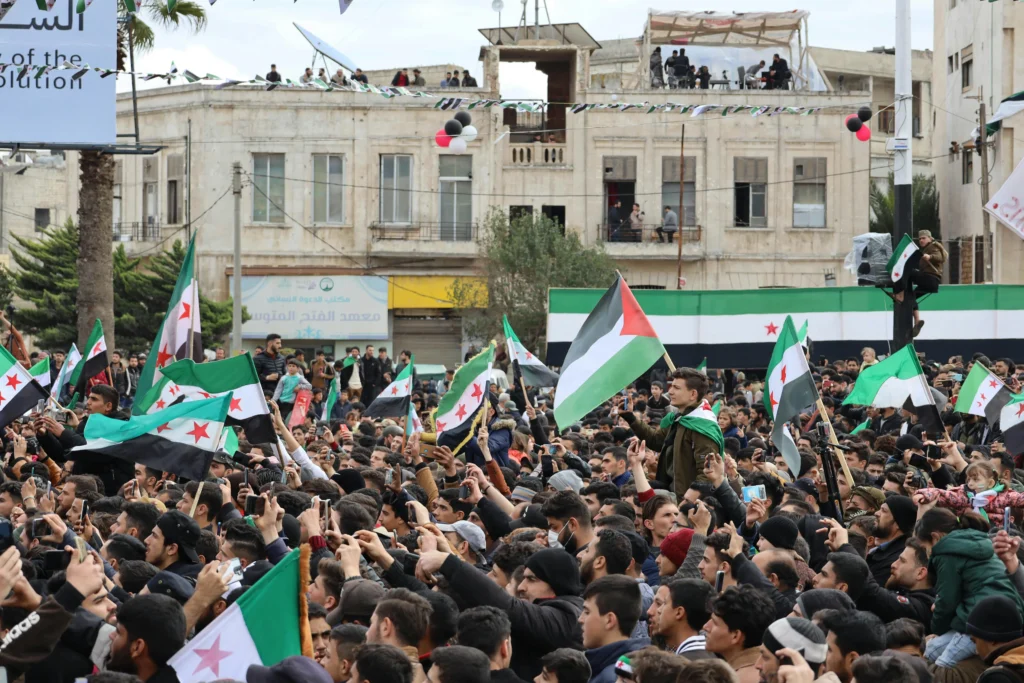
The 2026 rankings from the Georgetown Institute for Women, Peace and Security highlight the harsh realities faced by women in some parts of the world.
A common pattern across these countries is the presence of conflict, weak institutions, and limited access to basic services. These factors create environments where women’s rights are restricted, and opportunities are scarce.
Improving conditions in these nations will require long-term efforts, including political stability, stronger legal protections, and greater investment in education and healthcare. Until then, these countries remain among the most challenging places globally for women.
Worst Women-Friendly Countries FAQs
The Georgetown Institute for Women, Peace and Security considers inclusion, justice, and security, covering education, legal rights, and personal safety.
Conflict leads to instability, weak law enforcement, and limited access to services, all of which disproportionately affect women’s safety and opportunities.
Yes, with political stability, policy reforms, and international support, countries can improve their rankings and create better conditions for women.
Stay tuned with us. Further, follow us on social media for the latest updates.
Join us on Telegram Group for the Latest Aviation Updates. Subsequently, follow us on Google News
