


Gender equality has become one of the most important measures of a country’s social progress. In 2026, the Georgetown Institute for Women, Peace and Security (GIWPS) continues to rank countries based on how well they support women across key areas such as inclusion, justice, and security.
The index evaluates factors like access to education, economic participation, legal rights, safety, and overall well-being.
What stands out once again is the dominance of European nations, particularly those in Northern and Western Europe, alongside one standout country from the Asia-Pacific region. These nations have built strong systems that support women through progressive policies, social welfare, and cultural attitudes that promote equality.
World’s Most Women-Friendly Countries in 2026
Here are the top 10 most women-friendly countries in the world in 2026, according to GIWPS.
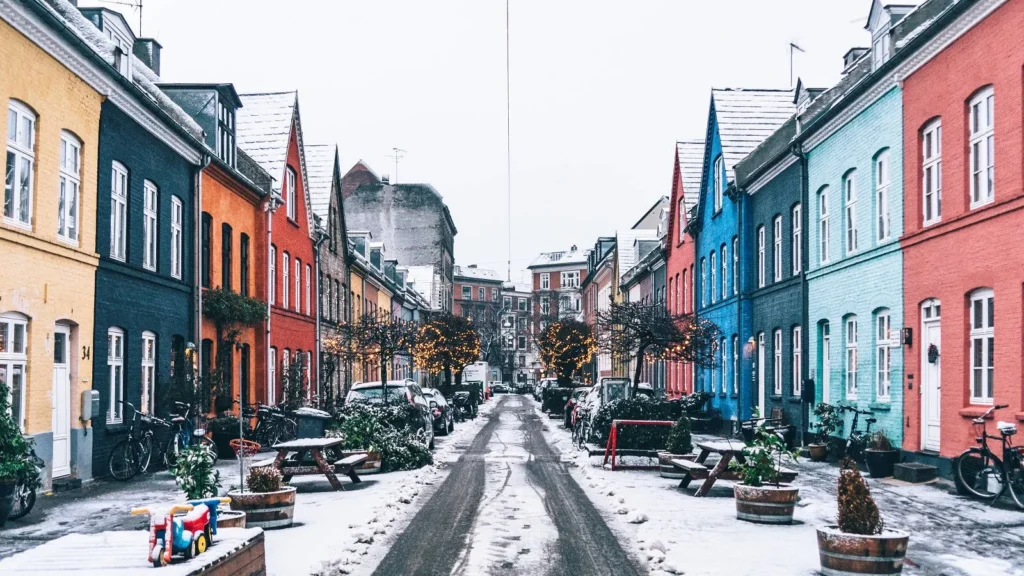
1. Denmark
Denmark ranks at the very top, thanks to its strong focus on gender equality and social welfare. Women in Denmark benefit from equal access to education, high workforce participation, and generous parental leave policies.
The country also maintains low levels of gender-based violence and a strong legal framework that protects women’s rights. Combined with a high standard of living, Denmark sets a global benchmark for gender equality.
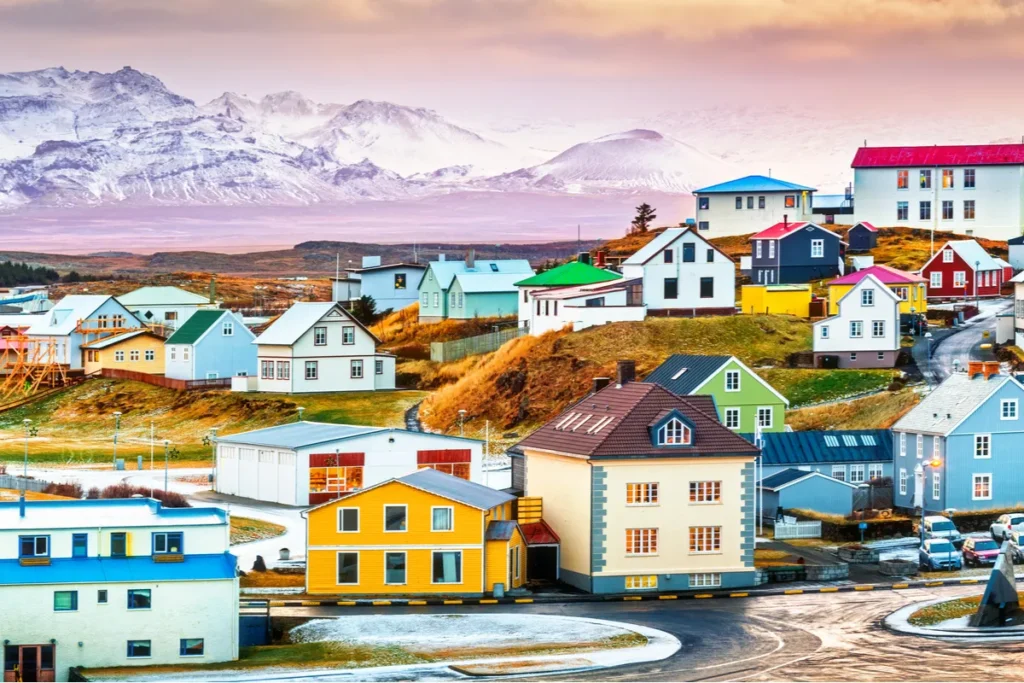
2. Iceland
Iceland has long been recognised as one of the world’s most gender-equal societies. It consistently performs well in areas such as political representation and equal pay.
Iceland was among the first countries to enact laws requiring companies to demonstrate that they pay men and women equally. Its small population and progressive social policies contribute to a highly inclusive environment for women.

3. Norway
Norway combines strong economic opportunities with high levels of safety and social support for women.
Women in Norway benefit from comprehensive healthcare, generous maternity leave, and substantial representation in politics and business. The country’s commitment to gender equality is deeply embedded in its policies and culture.
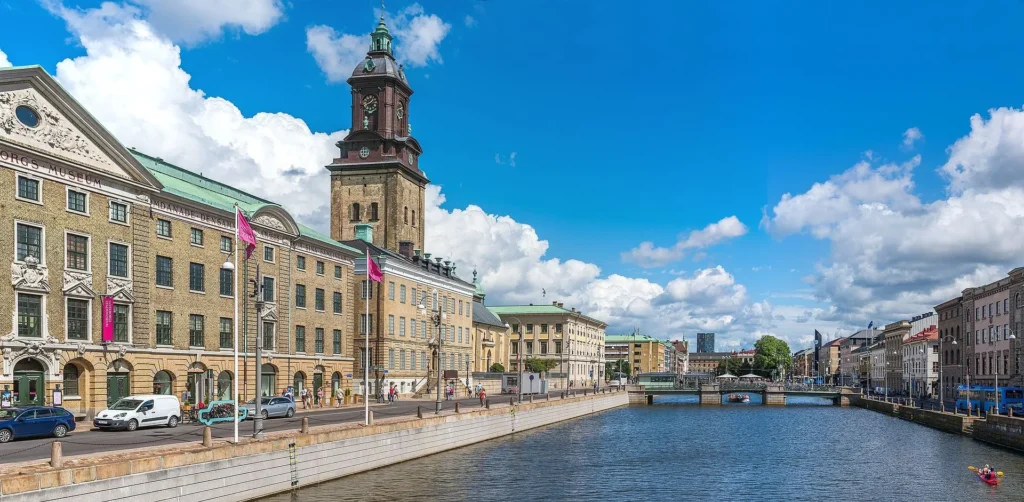
4. Sweden
Sweden is known for its progressive stance on gender equality and work-life balance.
Policies such as shared parental leave and strong childcare support make it easier for women to pursue careers while raising families. Sweden also promotes gender equality in education and employment, contributing to its high ranking.

5. Finland
Finland continues to be one of the most inclusive countries for women. It has a strong education system, high levels of female employment, and a safe environment.
Finland is also known for its political representation of women, having had female leaders and strong female participation in government for many years.

6. Luxembourg
Luxembourg ranks highly due to its strong legal protections and economic opportunities for women.
Despite its small size, the country offers high wages, excellent healthcare, and strong workplace equality laws. Women benefit from a supportive environment that encourages both career growth and family life.

7. Belgium
Belgium has made significant progress in gender equality, particularly in employment and political representation.
The country’s legal framework ensures equal rights, while social policies support women in balancing work and family responsibilities. Belgium’s inclusive society contributes to its position among the top-ranked countries.
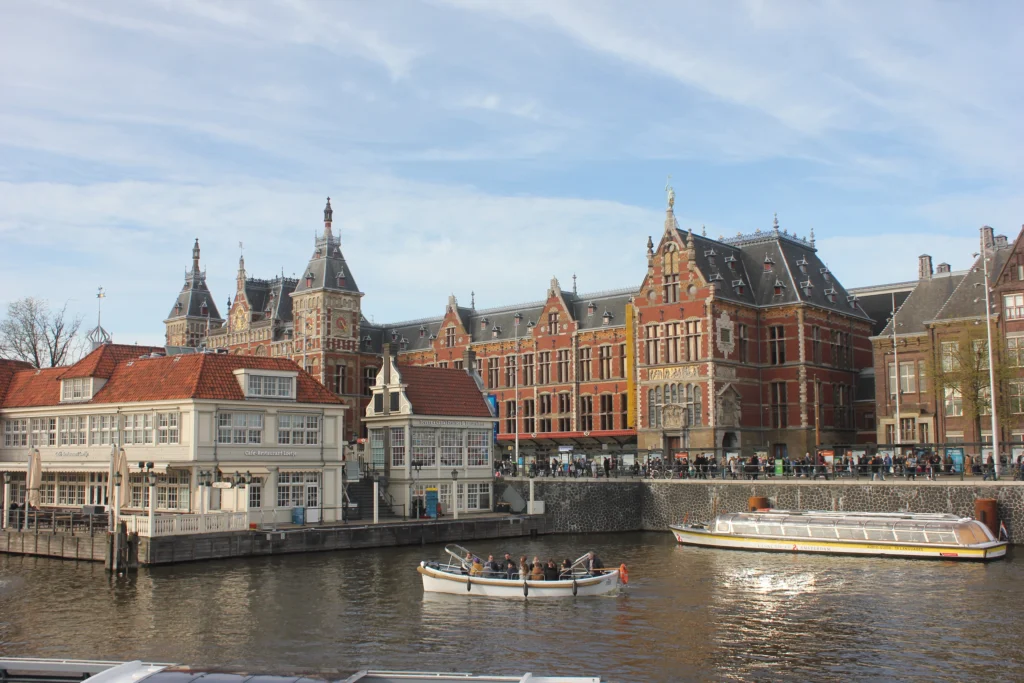
8. Netherlands
The Netherlands is known for its high quality of life and flexible work culture, which benefits women significantly.
Part-time work options, strong childcare systems, and progressive social policies make it easier for women to participate in the workforce. The Netherlands also ranks highly in safety and personal freedom.
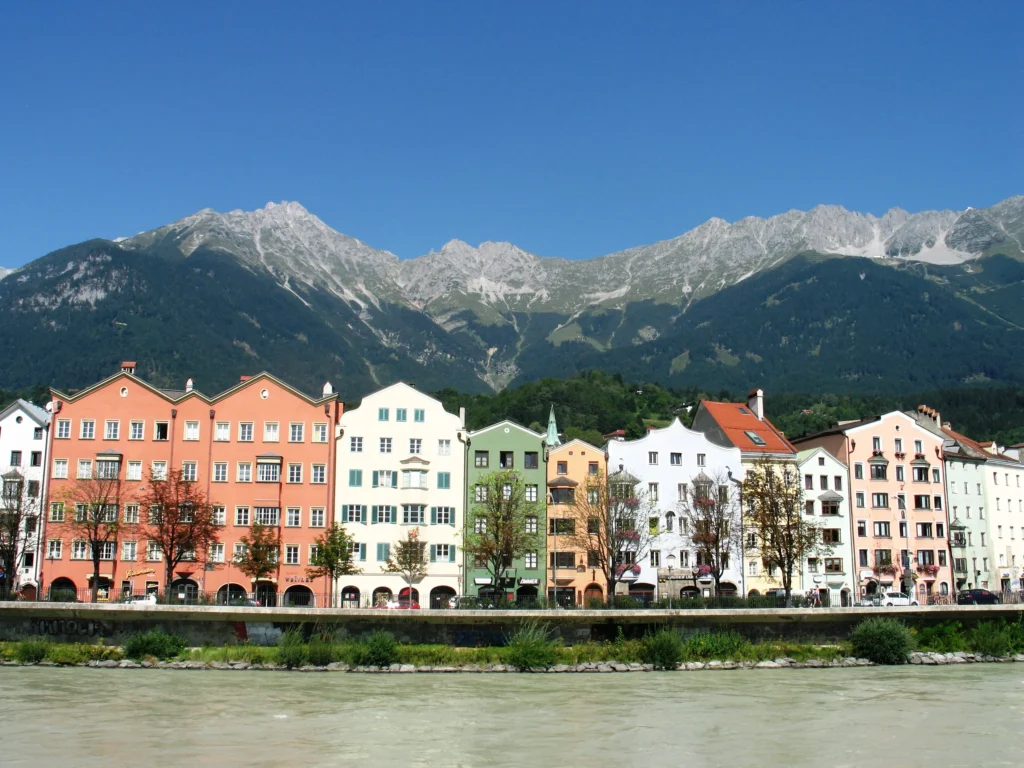
9. Austria
Austria offers a stable and supportive environment for women, with strong legal protections and access to education and healthcare.
The country has made steady progress in reducing gender gaps in employment and income, while maintaining a high standard of living.

10. New Zealand
New Zealand is the only non-European country on the list, highlighting its strong commitment to gender equality.
New Zealand has a long history of supporting women’s rights, as it was the first country to grant women the right to vote. Today, it continues to perform well in areas such as political representation, safety, and economic participation.

Bottom Line
The 2026 rankings by the Georgetown Institute for Women, Peace and Security highlight the importance of strong institutions, progressive policies, and cultural attitudes in creating women-friendly societies.
Nordic countries continue to lead the way, demonstrating that long-term investment in equality, education, and social welfare produces meaningful results. At the same time, countries like New Zealand show that gender equality is achievable beyond Europe.
As global awareness grows, more nations are likely to adopt similar approaches, but for now, these countries represent the highest standards of safety, opportunity, and inclusion for women worldwide.
10 Women-Friendly Countries FAQs
The Georgetown Institute for Women, Peace and Security evaluates countries based on inclusion (education and employment), justice (legal rights), and security (safety and freedom from violence).
Countries like Sweden and Norway have long prioritised gender equality through policies such as equal pay laws, parental leave, and strong welfare systems.
Yes, New Zealand is the only non-European country in the top 10, recognised for its progressive approach to women’s rights and equality.
Stay tuned with us. Further, follow us on social media for the latest updates.
Join us on Telegram Group for the Latest Aviation Updates. Subsequently, follow us on Google News
