

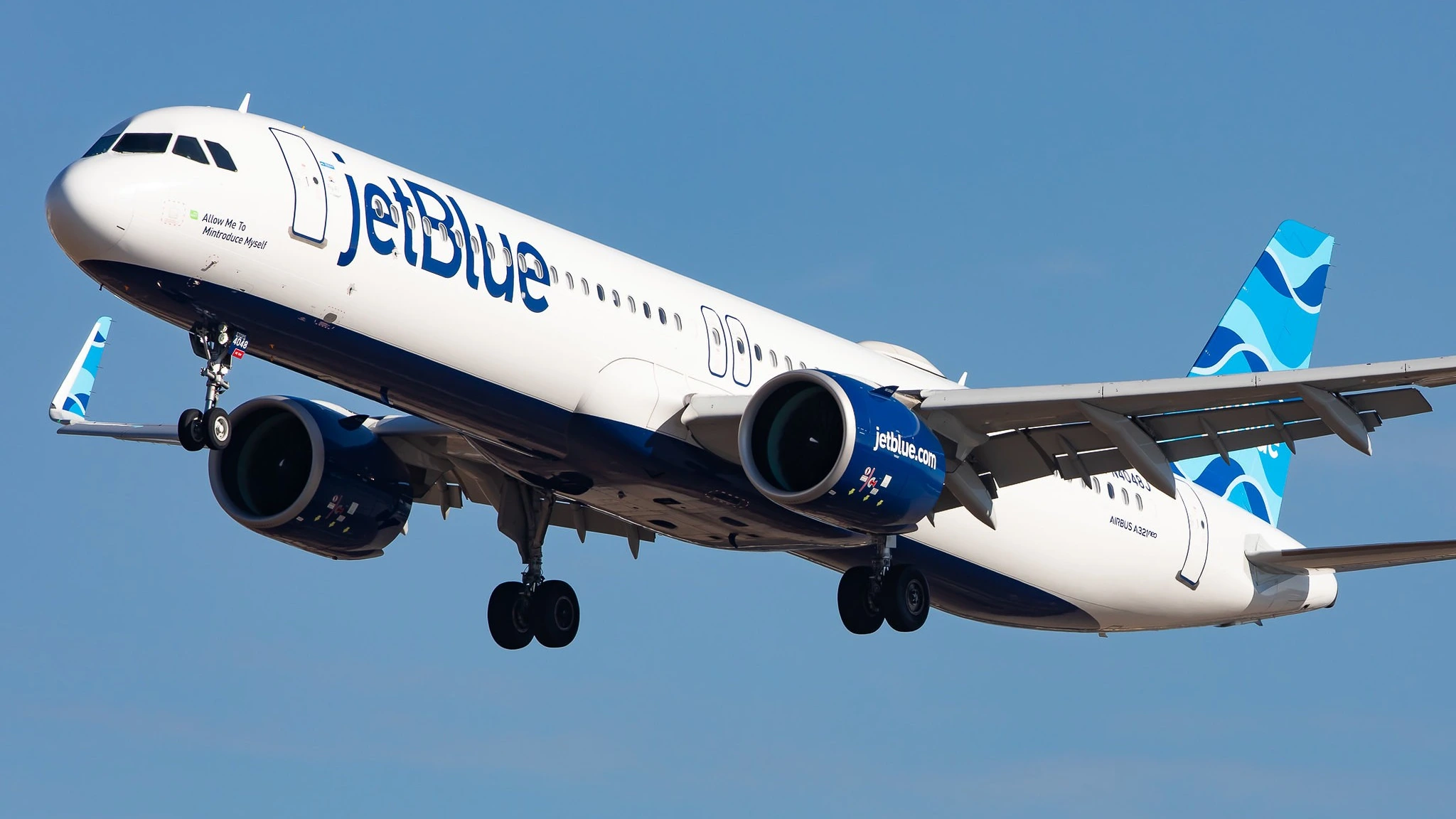
NEW YORK- JetBlue (B6) faced backlash after a viral social media reply suggested airfare pricing could vary based on browser behavior.
The claim triggered concerns about “surveillance pricing” and drew political attention. The issue, however, originated from an inaccurate response rather than actual pricing practices.
JetBlue Surveillance Pricing Controversy
On April 18, 2026, a user on X (formerly Twitter) reported a $230 increase in a JetBlue ticket within one day while trying to book travel for a funeral. The user stated frustration over the sudden price jump, which is a common occurrence in airline pricing systems.
The situation escalated when JetBlue responded publicly with the message:
“Try clearing your cache and cookies or booking with an incognito window. We’re sorry for your loss.”
This response implied that airfare might depend on browsing data. The post quickly gained traction, reaching approximately 1.5 million views and attracting widespread reactions.
Ruben Gallego reacted strongly, questioning whether airlines were increasing fares based on personal circumstances.
He stated that grief should not come with surge pricing and suggested advancing legislation to make surveillance pricing illegal.
Despite these claims, airlines do not collect or use information about the purpose of travel, such as attending a funeral.
Booking systems do not include inputs that capture emotional or situational context, making such targeted pricing impractical.
According to OMAAT, JetBlue later clarified that fares are not determined by cached data, cookies, or personal browsing history.
The airline confirmed that the social media response was incorrect and did not reflect its pricing policies.
How Airline Pricing Systems Actually Function
Airline pricing operates through automated revenue management systems that allocate seats into fare buckets. Each bucket has limited inventory at specific price points.
When lower-priced seats sell out, the system shifts to higher fare levels. This process can result in significant price changes within a short period.
Key drivers of airfare changes include:
- Seat availability within fare classes
- Time remaining before departure
- Demand patterns on specific routes
- Competitive pricing across airlines
These systems function independently of user-specific data such as browser history or device type. The widely circulated idea that clearing cookies reduces airfare is a persistent myth without evidence in modern airline systems.
Miscommunication and Public Interpretation
The JetBlue employee’s response appears to have been influenced by this common misconception. It is likely the advice was shared in good faith but without technical accuracy.
The viral nature of the post amplified the misunderstanding. Several public figures and commentators interpreted the response as an admission of surveillance pricing, despite a lack of supporting evidence.
A MarketWatch report cited a progressive think tank executive who claimed JetBlue had revealed deceptive pricing practices.
However, this interpretation relied entirely on the inaccurate social media reply rather than verified pricing mechanisms.
JetBlue later issued a clarification stating that fares are not influenced by personal data. The airline emphasized that the response was an error made during communication, not a reflection of operational systems.
Final Analysis
The reported fare increase aligns with standard airline pricing behavior driven by inventory and demand. There is no credible evidence that JetBlue engages in surveillance-based pricing.
The controversy originated from a single incorrect response that conflicted with established industry practices.
While the incident generated significant public and political reaction, it does not indicate systemic misuse of customer data.
The situation highlights the importance of accurate communication, especially in highly visible digital channels where misinformation can spread rapidly.
Stay tuned with us. Further, follow us on social media for the latest updates.
Join us on Telegram Group for the Latest Aviation Updates. Subsequently, follow us on Google News
