

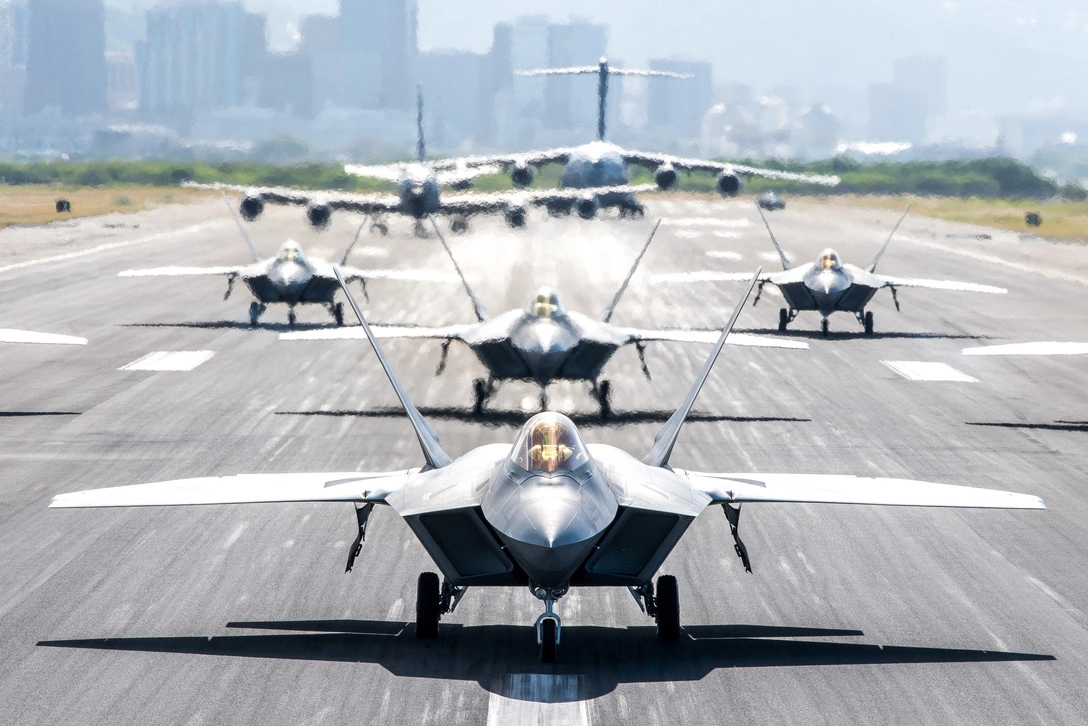
WASHINGTON, D.C.- National Guard adjutants general from 22 U.S. states have signed a joint letter to Congress calling for multiyear funding to procure between 72 and 100 new fighter jets per year.
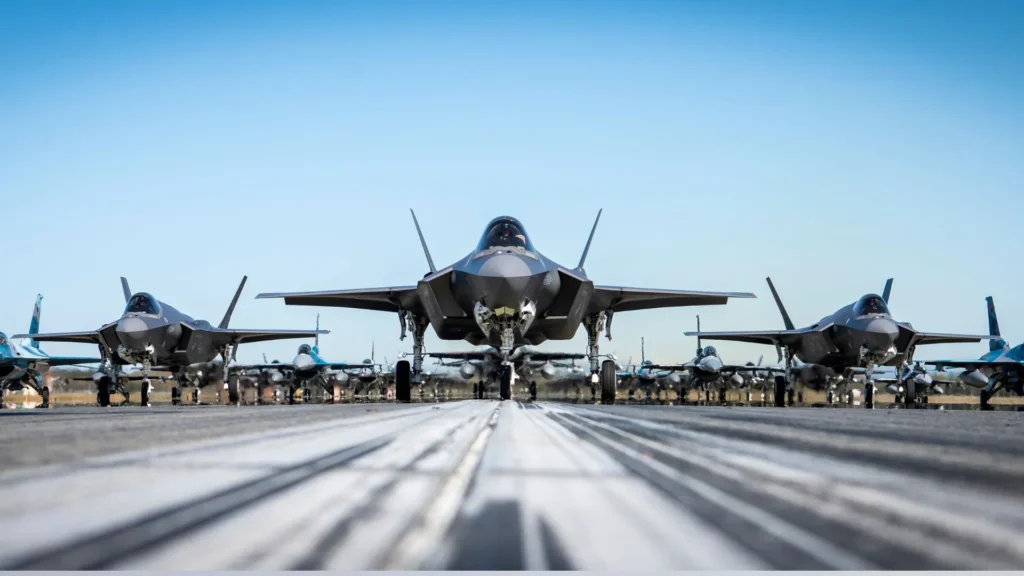
The letter targets modernization of the total Air Force fleet, including Active, Guard, and Reserve components, with the F-35A Lightning II and F-15EX Eagle II at the center of the procurement push.
The unprecedented letter marks the first time all 22 adjutants general from states with Guard fighter units have collectively endorsed a procurement demand.
The generals warn that the United States Air Force is operating with decades-old aircraft and requires immediate congressional action to close a growing modernization gap exposed by ongoing operations, including Operation Epic Fury in Iran, Air and Space Forces reported.
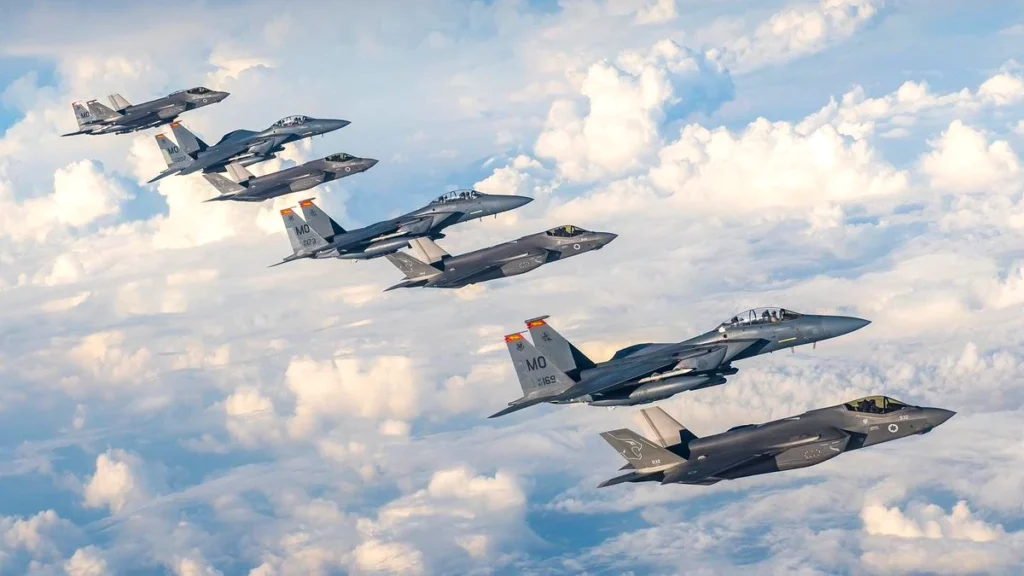
Guard Generals Push for Fighter Jet Procurement Increase
The letter sets a minimum annual procurement target of 72 new fighters, split between 48 F-35As and 24 F-15EXs.
The desired goal is higher, calling for 108 aircraft per year with 72 F-35As and 36 F-15EXs. The generals argue that this volume is necessary to build a force that will prevail if deterrence fails.
Brig. Gen. Shannon Smith, head of the Idaho Air National Guard and the state’s assistant adjutant general, told Air and Space Forces Magazine that the letter sends a strong message from the two-star generals who command National Guards across these states. Smith confirmed the procurement figures apply to the total force, not just the Guard.
The group is now following up with direct communications to congressional delegations this week to build further legislative support.
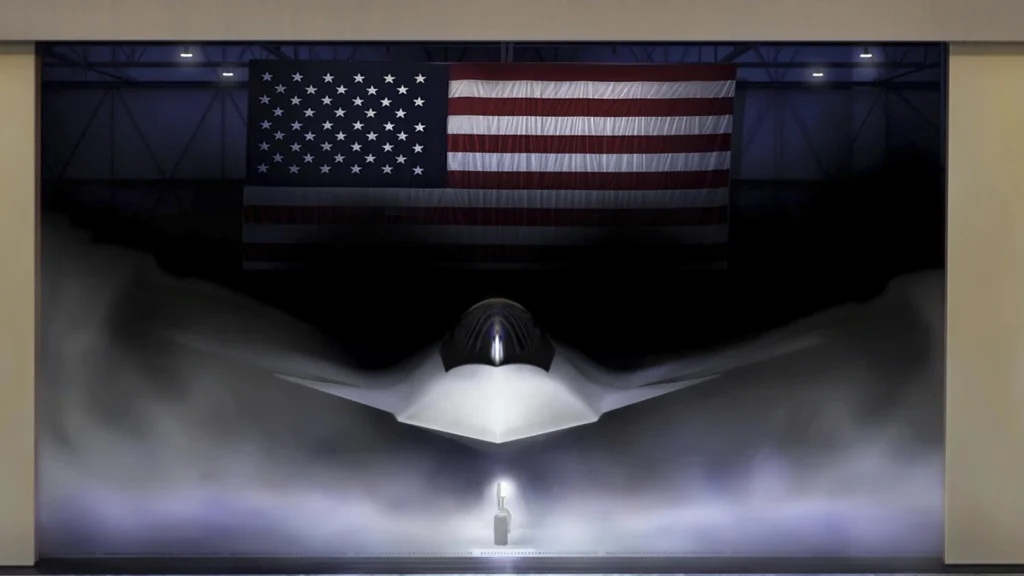
Current Procurement Falls Far Short of Demand
Air Force budget data reveal a significant gap between current procurement rates and the generals’ targets.
The service requested funds for 48 F-35As in fiscal year 2024, 42 in 2025, 24 in 2026, and 38 in the proposed 2027 budget. The highest single-year F-35 request over the past decade was 62 aircraft in 2020.
For the F-15EX, the Air Force sought 24 units in fiscal 2024, 18 in 2025, 21 in 2026, and 24 in 2027. The last time the service acquired more than 72 new fighters in a single year was 1998, making even the minimum threshold a substantial production increase.
Smith warned that procurement rates below 72 aircraft per year will not solve the problem. He stated that if the Air Force does not procure at a higher rate, fighter squadrons will remain equipped with 1970s-era aircraft.
Most funding would go toward keeping aging jets airborne rather than building combat-relevant capability.
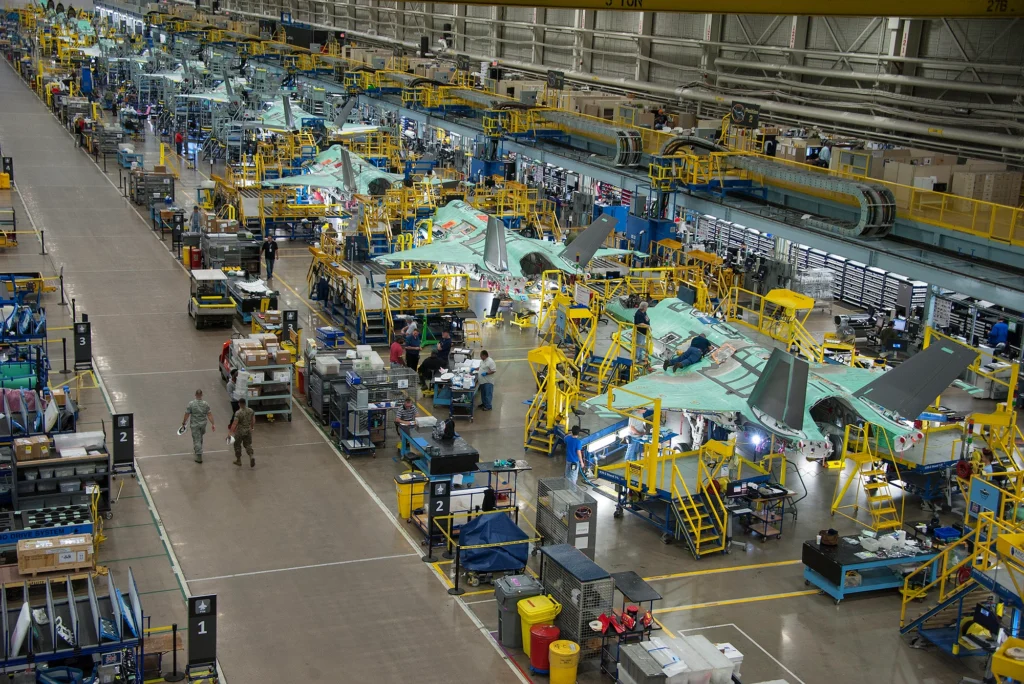
Legacy Fleet Replacement Could Take Over a Decade
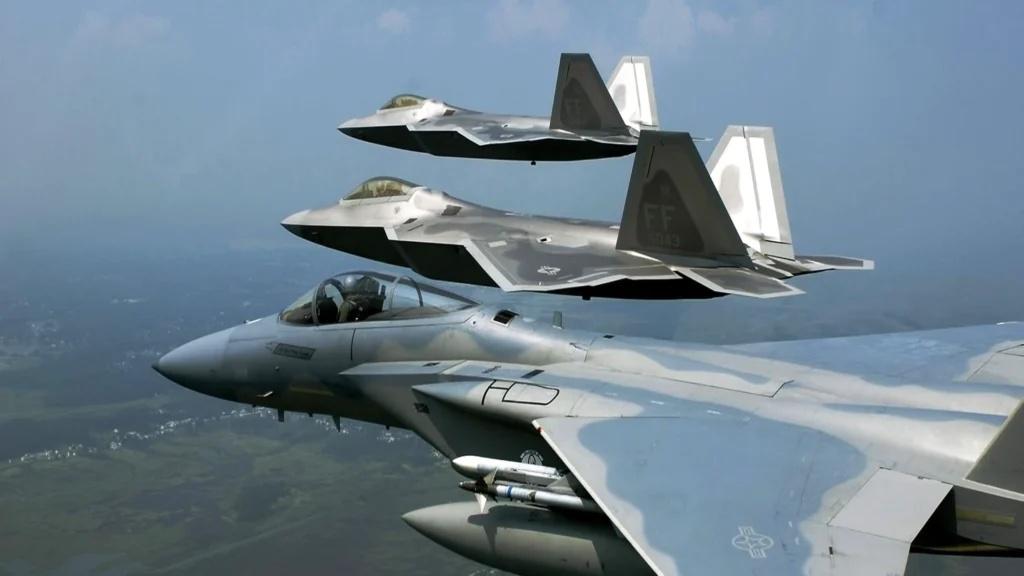
Even if Congress approved funding for 100 new fighters annually and industry could match that production rate, full fleet modernization could still take 10 to 15 years, according to Smith. The new F-35As and F-15EXs are intended to replace aging A-10s, F-15Cs, and eventually F-16s across the force.
Smith noted that aircraft availability directly correlates with age. New fighters improve parts availability, maintenance efficiency, and overall mission readiness. However, he pointed out that even replacing legacy jets with new platforms leaves the inventory behind schedule, as older F-35 models are already approaching replacement timelines.
The ongoing demands of Operation Epic Fury in Iran are accelerating wear on both aircraft and aircrews, Smith added, further underscoring the urgency of modernization.
Multiyear Contracts Could Cut Costs by Up to 15 Percent
The adjutants general also emphasized the need for multiyear procurement contracts in their letter. Such contracts stabilize production rates by enabling industrial base planning, workforce development, and long-term investment in parts supply chains.
A 2025 Congressional Research Service report on multiyear contracts for the F-35 program estimated potential cost savings of 5 to 15 percent.
The generals argue this approach would deliver better value while ensuring consistent delivery of new aircraft over time.
Guard Squadrons Face Uncertain Modernization Timeline
The letter highlights a critical imbalance in modernization planning between Active Duty and Guard forces.
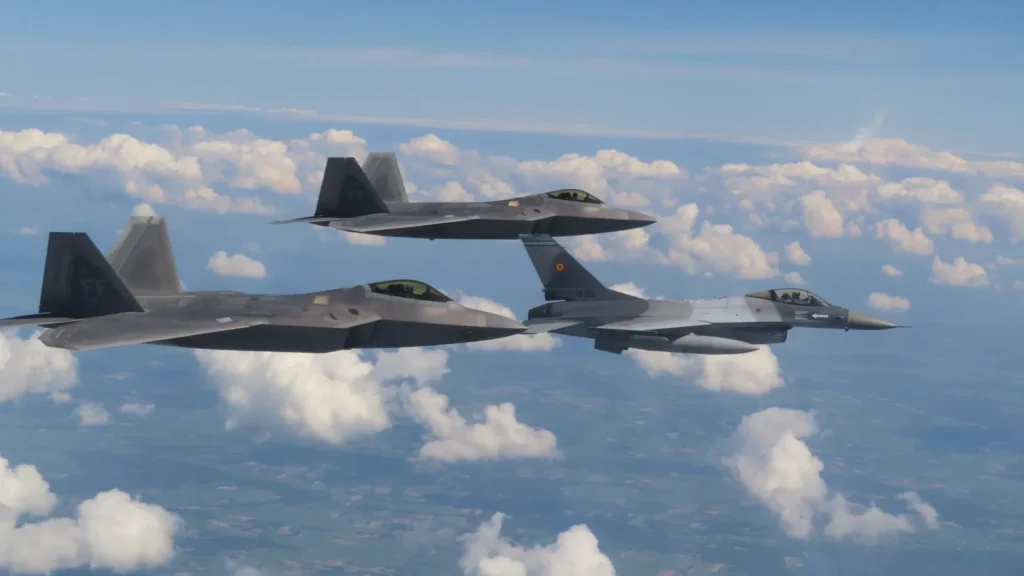
The Air National Guard operates 13 of the Air Force’s 33 total F-16 squadrons, representing 39 percent of the fleet. Among combat-coded F-16 squadrons, the Guard’s share rises to 45 percent, operating 10 of 22 units.
Of the Guard’s 24 total fighter squadrons, 11 either have received or are scheduled to receive modernized aircraft. The remaining 13 F-16 squadrons have no specific recapitalization plans once their legacy jets are divested.
The letter states that the Air Force must equally prioritize these 13 squadrons for transition to advanced fighters. It specifically rejects the practice of cascading older jets from Active Duty to Reserve components, calling it not a recapitalization.
States Backing the Fighter Procurement Push
The 22 adjutants general who signed the letter represent Alabama, Arizona, California, Colorado, Florida, Hawaii, Idaho, Indiana, Louisiana, Massachusetts, Missouri, New Jersey, Ohio, Oklahoma, Oregon, South Carolina, South Dakota, Texas, Vermont, and Wisconsin.
Each of these states operates Air National Guard fighter units that stand to benefit from accelerated procurement.
Stay tuned with us. Further, follow us on social media for the latest updates.
Join us on Telegram Group for the Latest Aviation Updates. Subsequently, follow us on Google News
