

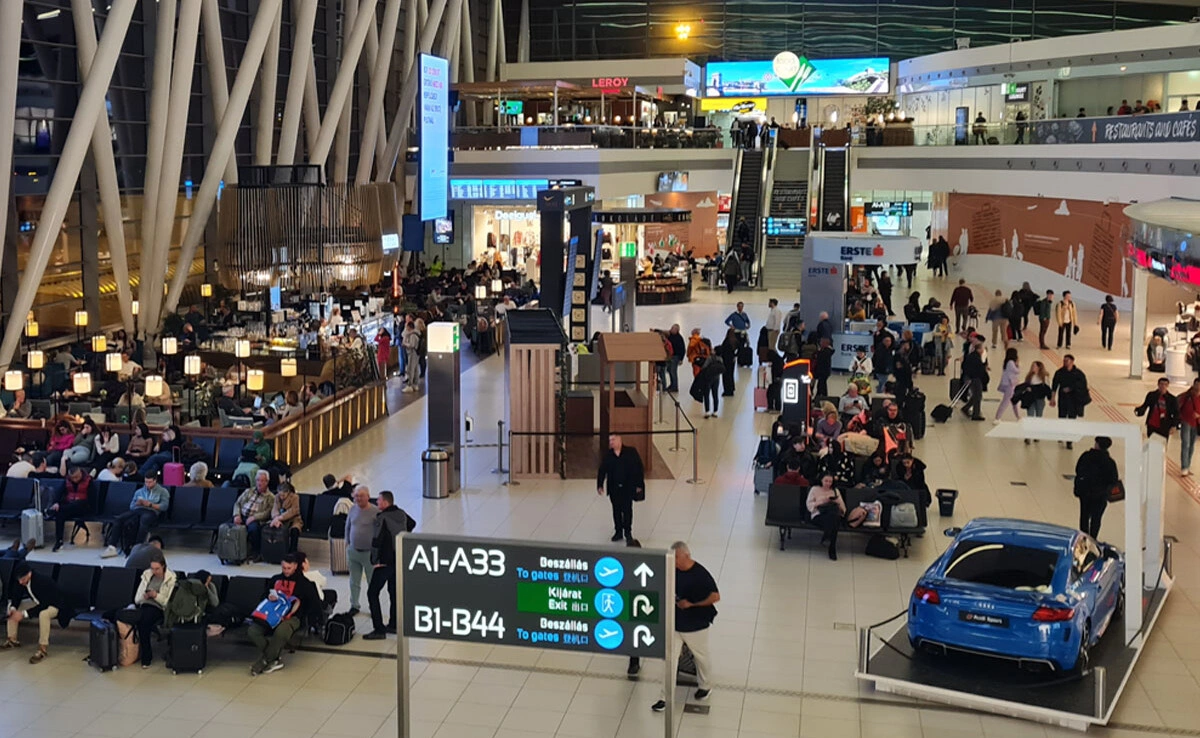
Flight disruptions across major hubs like Hartsfield–Jackson Atlanta International Airport (ATL) and Los Angeles International Airport (LAX) continue to impose a growing financial burden on passengers in 2025. Airlines such as Delta Air Lines (DL) and American Airlines (AA) are operating in an environment where delays are increasingly frequent and costly for travelers.
Recent industry data highlights that disruptions are no longer just operational setbacks. They now translate into measurable economic losses for millions of passengers, reshaping how travelers plan and respond to delays.
Rising Delay Costs
According to Travel and Leisure, Flight delays in 2025 are affecting nearly 248 million passengers in the United States alone.
On average, each disrupted journey results in a financial loss of $484.19 per traveler, reflecting a significant shift from inconvenience to economic impact.
A majority of passengers report spending additional money during disruptions.
About 73 percent experience direct financial losses, while 52 percent incur unexpected expenses such as meals, transport, or rebooking fees.

Expense Breakdown
Accommodation remains one of the largest cost drivers during delays. Travelers lose an average of $311.87 due to late arrivals, especially when overnight stays become unavoidable.
Prepaid experiences also contribute to losses, with passengers forfeiting around $118.74 on missed tours or activities. Meanwhile, alternative transportation costs, including trains and rental cars, average $139.40 per trip.
Passengers also face real-time expenses at airports. One of these is meals, which cost an average of $114.58, while essential replacements like clothing and toiletries add another $93.72. Last-minute transport arrangements further increase costs by approximately $221.33.
Passenger Awareness of Delay Costs
Despite these losses, awareness of passenger rights remains low. Over half of affected travelers do not file for compensation simply because they lack eligibility information.
Airlines often fail to communicate rights during disruptions. Around 68 percent of passengers report receiving no guidance, leaving them to absorb costs independently.
Delays also extend beyond financial consequences. More than 70 percent of travelers report heightened stress and frustration, reflecting the broader impact on travel experience and well-being.
Industry experts emphasize the importance of preparation. Travelers who understand airline policies, retain receipts, and act promptly are more likely to recover some of their losses.
The data confirms that flight delays now represent a significant financial risk. As disruptions continue to rise, passengers must approach travel with greater awareness and proactive planning to reduce their exposure.
Stay tuned with us. Further, follow us on social media for the latest updates.
Join us on Telegram Group for the Latest Aviation Updates. Subsequently, follow us on Google News
