

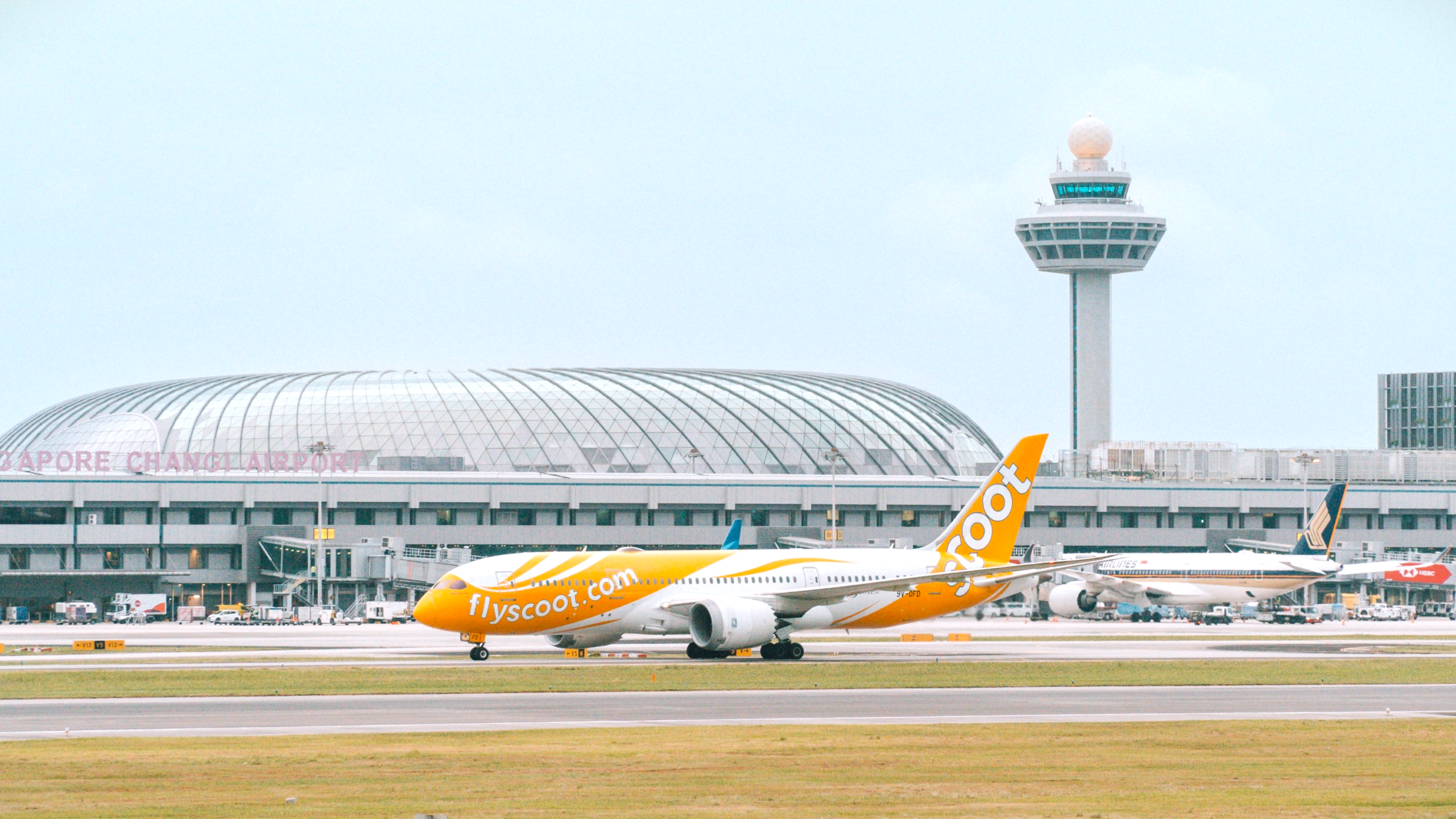
SINGAPORE– Travellers departing Singapore from 15 April will be limited to carrying a maximum of two power banks in their hand luggage, a major change introduced under new International Civil Aviation Organization (ICAO) safety standards.
This move affects all flights leaving Singapore, including those operated by Singapore Airlines (SQ), Scoot (TR), and other carriers serving Changi Airport (SIN).
The two‑unit cap applies to all rechargeable battery packs, whether they fall below 100 watt‑hours (Wh) or between 100Wh and 160Wh, that require prior airline approval.
Singapore Limits Power Banks
ICAO’s new requirements aim to reduce fire hazards posed by lithium batteries in power banks during flights. Lithium‑ion cells can overheat or short‑circuit, increasing the potential for onboard fires that are difficult to manage in enclosed aircraft cabins.
CAAS noted that these safety concerns are central to the updated rules, which mandate a maximum of two power banks per passenger and prohibit charging or use of these devices while airborne.
Under the revised ICAO guidance, portable chargers must be carried only in cabin baggage and must not be placed in checked luggage. CAAS also reinforced that existing restrictions still apply, including protection of battery terminals to prevent short‑circuits.
Passengers flying with power banks between 100Wh and 160Wh must obtain prior airline approval before boarding, while devices exceeding 160Wh are not permitted at all.
Passengers with more than two units will be asked to dispose of the extras before they can board their aircraft.
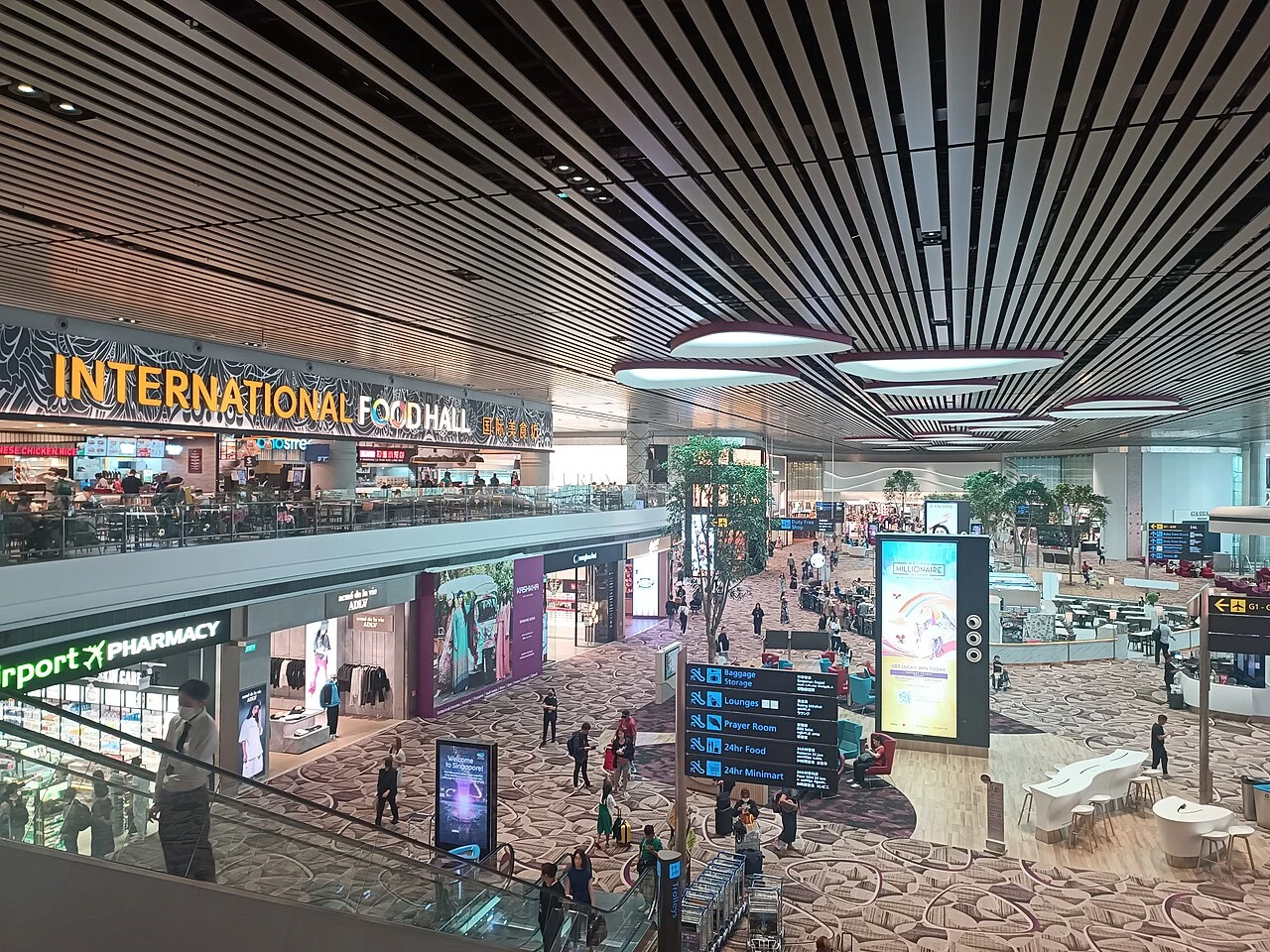
Implementation at Singapore Airport
To ensure widespread awareness of the changes, CAAS plans to display information on the new limits at key passenger touchpoints throughout Changi Airport.
Airlines will also inform their customers of the updated requirements ahead of travel dates. Screening officers will be trained to enforce the policies in a “smooth and orderly” manner, according to the authority.
Passengers who are unaware of the new restrictions may face inconvenience or the unexpected loss of devices if they arrive at the airport with excess power banks.
CAAS has emphasised the importance of travellers checking rules with their airlines before departure, since some carriers may introduce additional restrictions or enforcement policies.
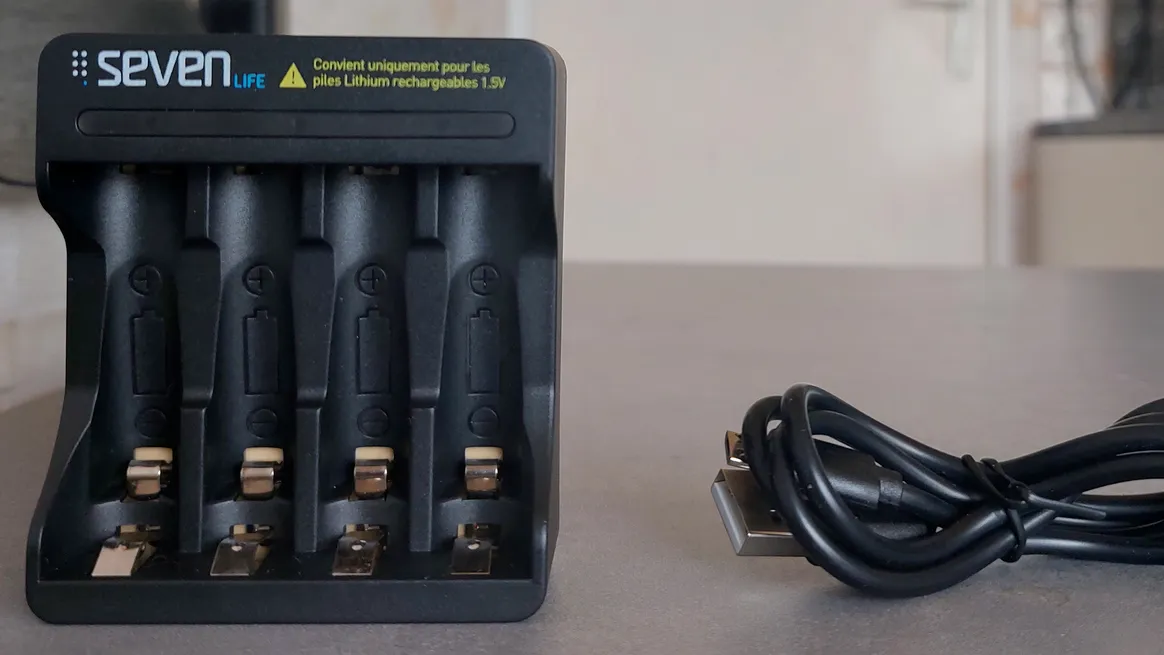
https://commons.wikimedia.org/wiki/File:1.5V_Lithium_Battery_Charger_and_Cable_Front_Picture.png
Industry Context and Prior Actions
Safety concerns linked to lithium‑ion batteries are not unique to Singapore. Many airlines worldwide have tightened regulations around the carriage and use of power banks in recent months.
ICAO’s decision to standardise a two‑unit limit among member states reflects a coordinated global effort to address this emerging risk.
In practice, some carriers had already moved in this direction before ICAO’s directive. For example, Singapore Airlines and Scoot restricted in‑flight use and charging of power banks from earlier in 2026, treating them as spare lithium batteries and limiting where and how they could be used on board.
Stay tuned with us. Further, follow us on social media for the latest updates.
Join us on Telegram Group for the Latest Aviation Updates. Subsequently, follow us on Google News
