

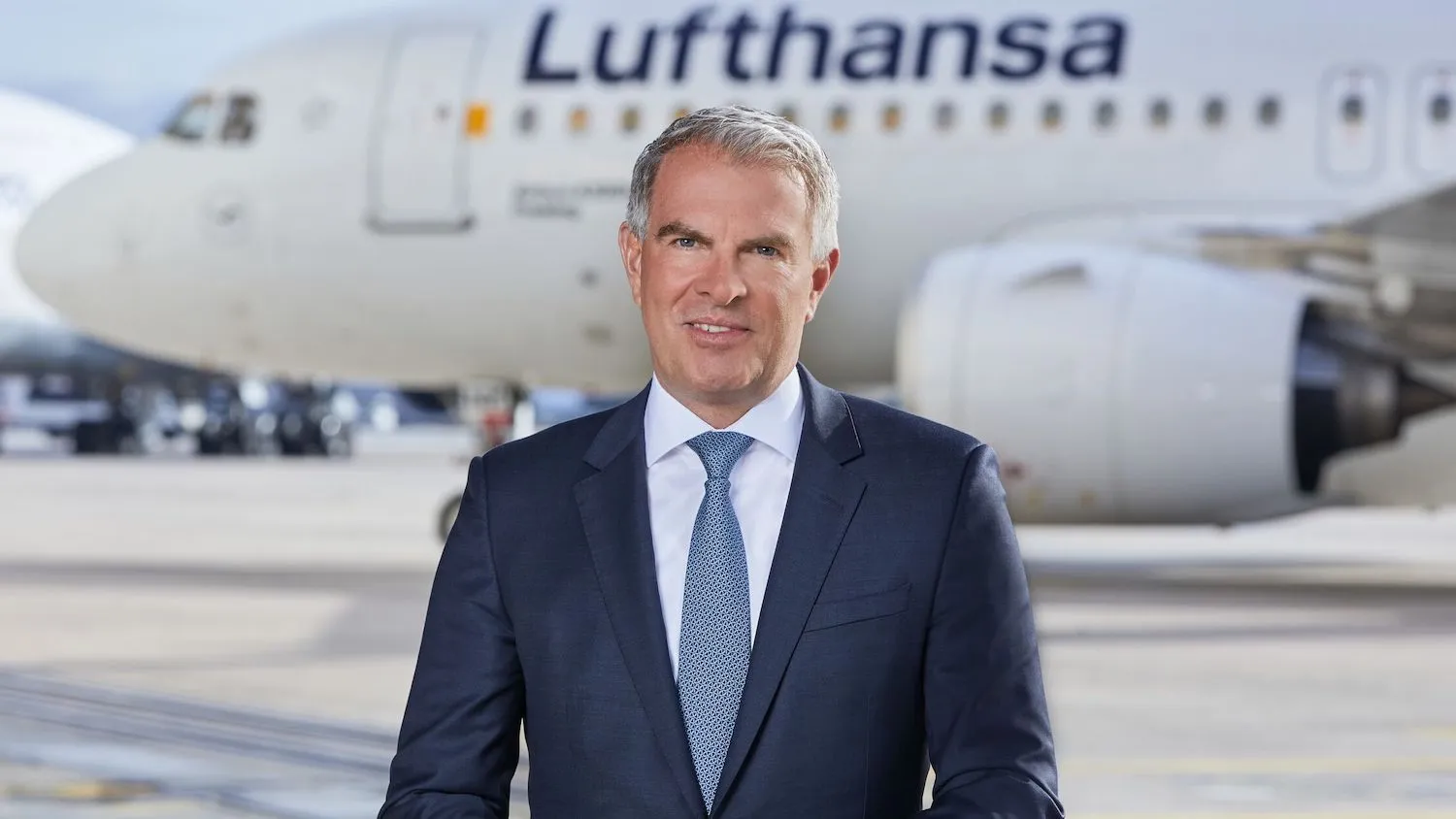
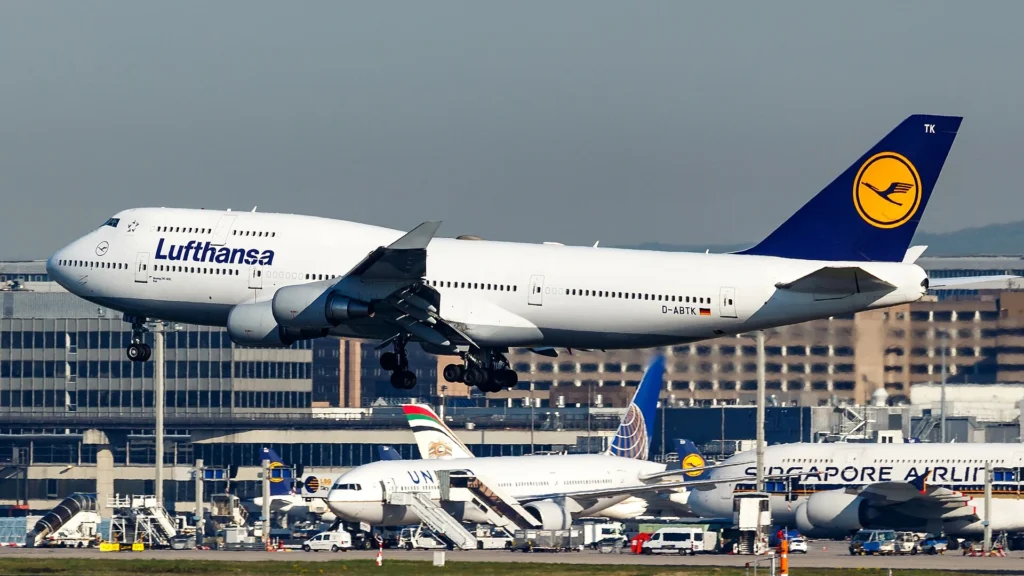
FRANKFURT- Lufthansa (LH) is facing a deepening aviation crisis as the ongoing Gulf War drives fuel prices to record highs and threatens kerosene availability at major airports worldwide. CEO Carsten Spohr has reversed his earlier optimistic stance, admitting the war’s impact is far greater than initially anticipated.
In response, Lufthansa (LH) is now evaluating a cut of up to five percent of its flight capacity, equivalent to roughly 40 aircraft from its 800-strong fleet, with short-time work arrangements likely at German operations and possible implications for ongoing acquisition bids.
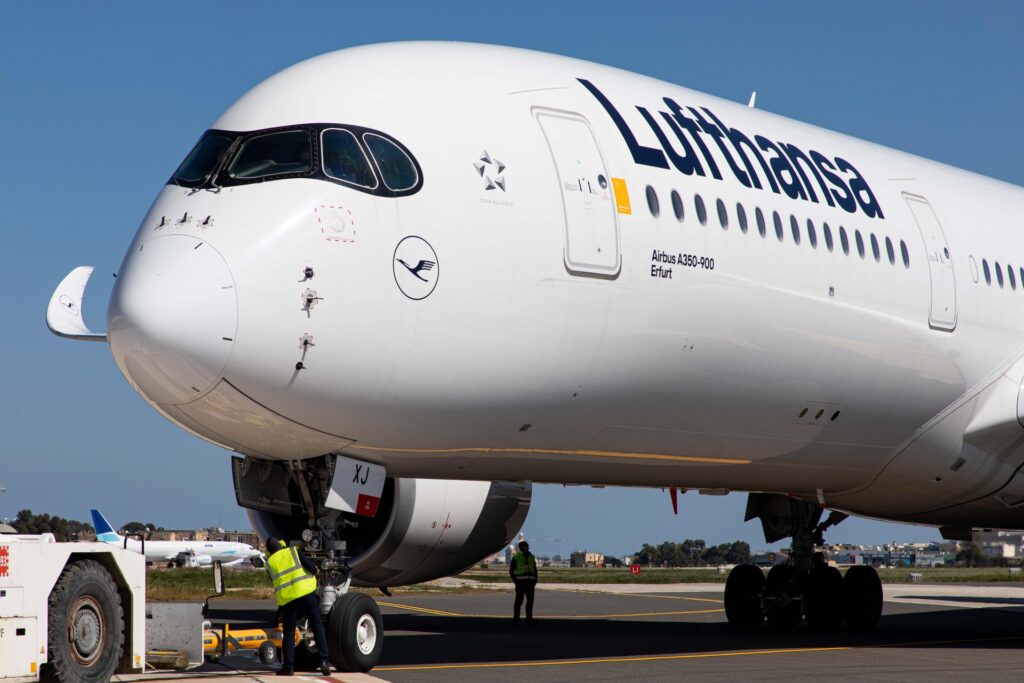
Lufthansa Weighs Fleet Cuts Amid Gulf War Fuel Crisis
The crisis has exposed two major illusions long held across the aviation industry. The first is the belief that fuel hedging provides adequate financial protection.
While European airlines typically lock in advance fuel purchases at fixed prices, they still buy up to 30 percent of their fuel at spot market rates.
With kerosene prices jumping from around $0.50 per liter before the war to $1.20 per liter, Lufthansa’s per-passenger operating cost has risen by approximately 4.5 percent. Given that fuel accounts for roughly 22 percent of Lufthansa’s operating costs, this surge threatens to eliminate not only passenger operating margins but also profits from cargo and maintenance divisions.
The second illusion is that fuel availability is purely a pricing issue. Spohr confirmed that airports in Singapore (SIN), Bangkok (BKK), and several cities across India are already turning away additional flights to protect fuel supplies for existing routes.
With European airports sourcing around 40 percent of their kerosene from the Gulf, and nearly no tankers currently operating from the region, rationing in Europe is now considered a realistic near-term risk, Wirtschafts Woche reported.
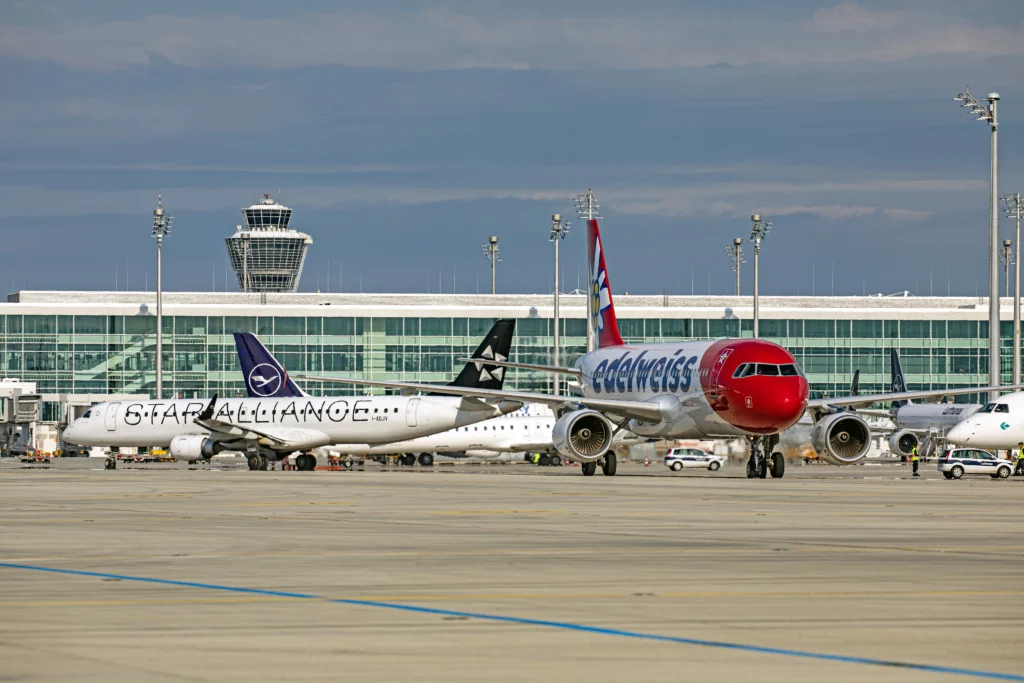
Strategic Opportunity Behind the Crisis Response
Industry insiders suggest Spohr may be using the fuel crisis as cover to accelerate a long-stalled internal restructuring, particularly within the core Lufthansa passenger brand. Two internal teams have been tasked with developing cost-cutting proposals, with findings expected in May and implementation unlikely before the third quarter at the earliest.
Fleet modernization is one key priority. Lufthansa currently operates up to 30 aging long-haul aircraft, including the Airbus A340, partly because Airbus and Boeing remain behind on new aircraft deliveries.
The airline has been forced to run several hundred marginally profitable or loss-making flights simply to keep pilots employed. A crisis environment makes it significantly easier to retire unprofitable routes and aircraft ahead of schedule.
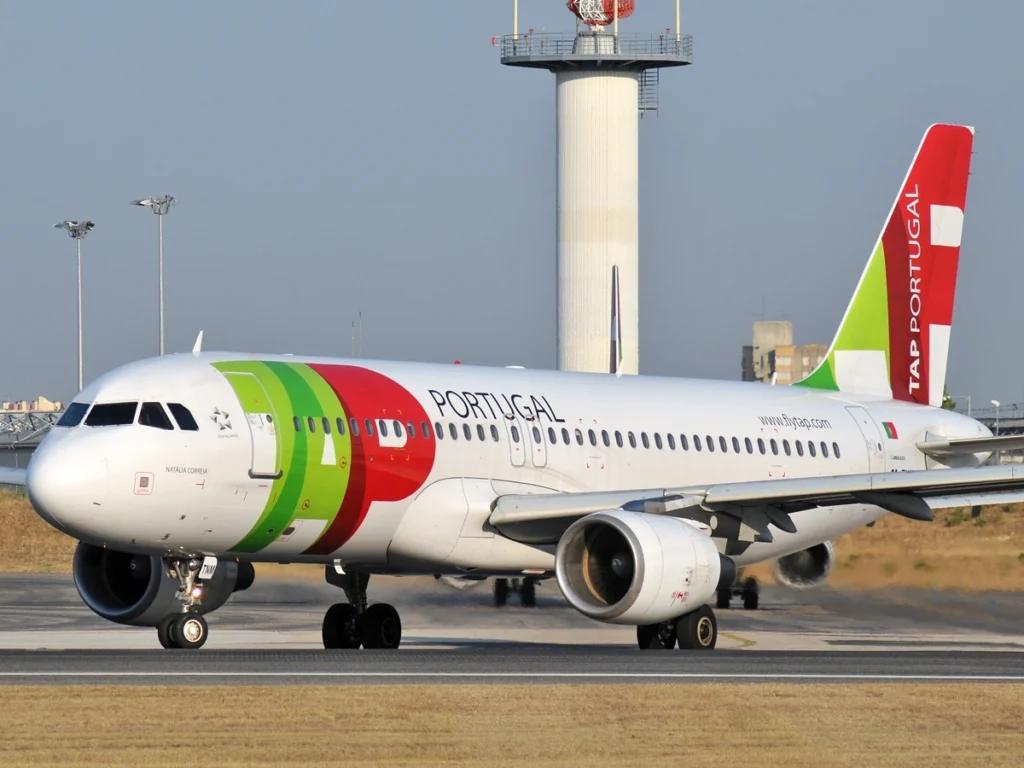
Wage Talks and TAP Acquisition Also in Play
Presenting a challenging financial outlook traditionally strengthens management’s position during labor discussions.
The crisis may also reshape Lufthansa’s bid for Portuguese airline TAP. With the Portuguese government expecting final bids from Lufthansa (LH) and Air France-KLM (AF) by the end of the week, the deteriorating market conditions could reduce the price Lufthansa needs to offer.
Unlike ITA Airways (AZ) or SAS (SK), TAP is currently profitable and represents immediate revenue potential. If Air France-KLM (AF) withdraws due to its own financial pressures, Lufthansa could secure TAP at a considerably lower valuation.
Demand Decline Adds Further Pressure
Travel demand is falling faster than Lufthansa’s proposed capacity cuts. Research from TDA shows holiday booking revenue fell 16 percent in the second week of March compared to the prior year.
Meanwhile, prices for destinations perceived as safe have surged by as much as 20 percent, according to booking platform HolidayCheck, concentrating remaining business among fewer travelers and compressing overall yields.
Despite the turbulence, Spohr remains cautiously forward-looking. He confirmed during a recent visit to Boeing’s facility near Seattle-Everett (PAE) that a large wave of new aircraft, including the 777X, is expected to begin arriving next year, which he believes will ultimately position Lufthansa as a stronger carrier once the crisis passes.
Editor’s Note: We earlier misquoted Aviation consultant Shakeel Adam of Aviado Partners in the article. We are sorry for the inconvenience.
Stay tuned with us. Further, follow us on social media for the latest updates.
Join us on Telegram Group for the Latest Aviation Updates. Subsequently, follow us on Google News
