

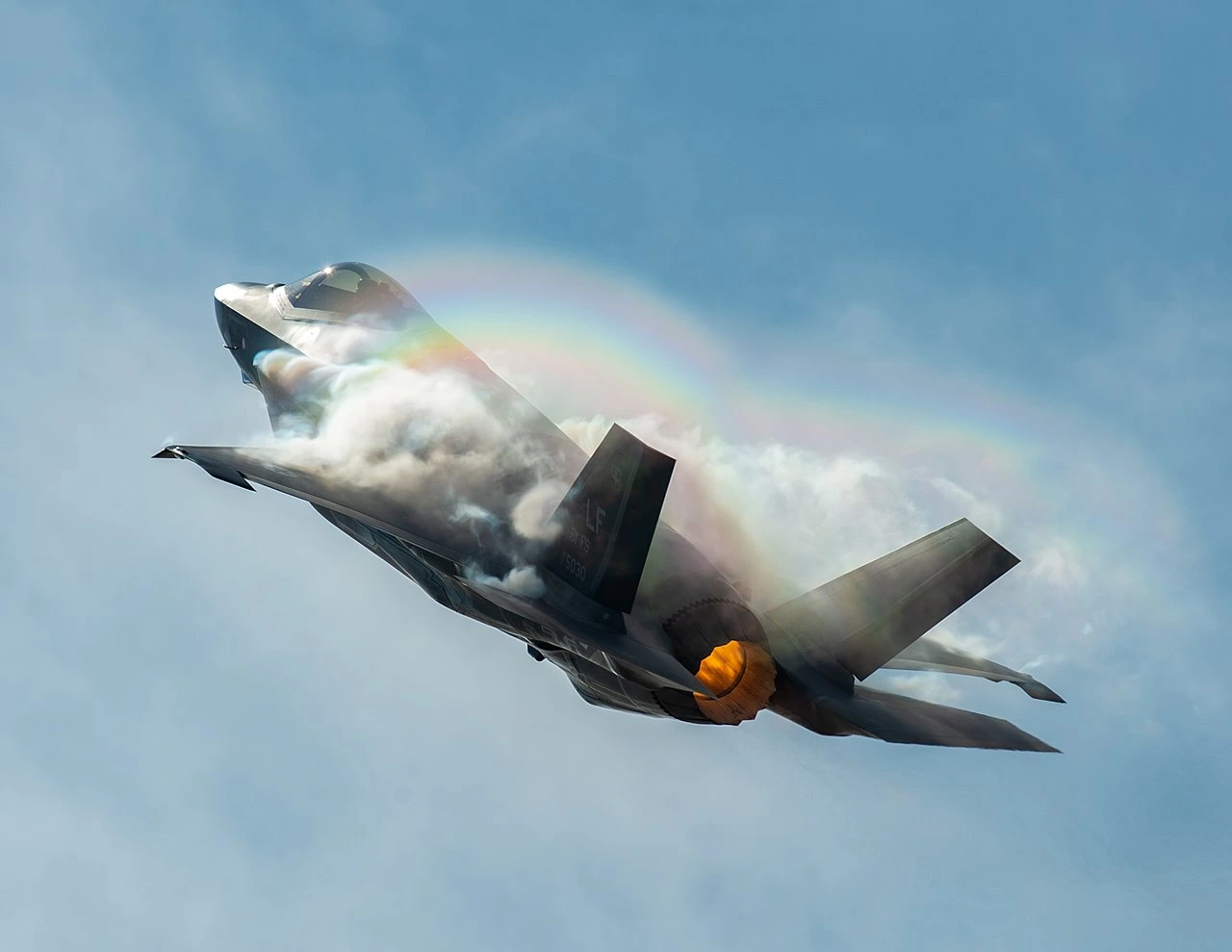
TEHRAN— Iran has claimed it shot down a second United States F-35 fighter jet over central Iran, with authorities stating that the pilot’s survival is unlikely. The report, citing Mehr news agency, was carried by Reuters, though the U.S. Central Command (CENTCOM) has not yet confirmed the incident.
The claim comes as the U.S.-Israeli military campaign against Iran enters its sixth week under Operation Epic Fury, a large-scale offensive launched on February 28 to dismantle Iran’s security apparatus.
Iran Claims Second F-35 Downed
This is not the first aircraft loss reported during the ongoing conflict. On March 2, CENTCOM confirmed that three U.S. F-15E Strike Eagle aircraft were shot down over Kuwait during Operation Epic Fury due to a friendly fire incident.
Kuwaiti air defenses mistakenly engaged the jets during active combat that included Iranian aircraft, ballistic missiles, and drone attacks.
On March 31, CENTCOM Commander Brad Cooper stated that the operation is making “undeniable progress,” noting that Iran’s navy is no longer sailing, its aircraft are grounded, and its air and missile defense systems have been largely destroyed.
Despite this assessment, Iran’s latest claim — if verified — would mark a significant development in the conflict.
Iran Strikes Israel Simultaneously
Alongside the F-35 claim, Iran’s Revolutionary Guards fired long-range missiles toward Israel on Friday morning, targeting areas of Tel Aviv and the port city of Eilat.
Israel’s military confirmed it detected the incoming missiles and activated its defense systems for interception.
The simultaneous escalation on two fronts underscores the widening scope of the regional conflict.
Why Losing an F-35 Is Strategically Significant?
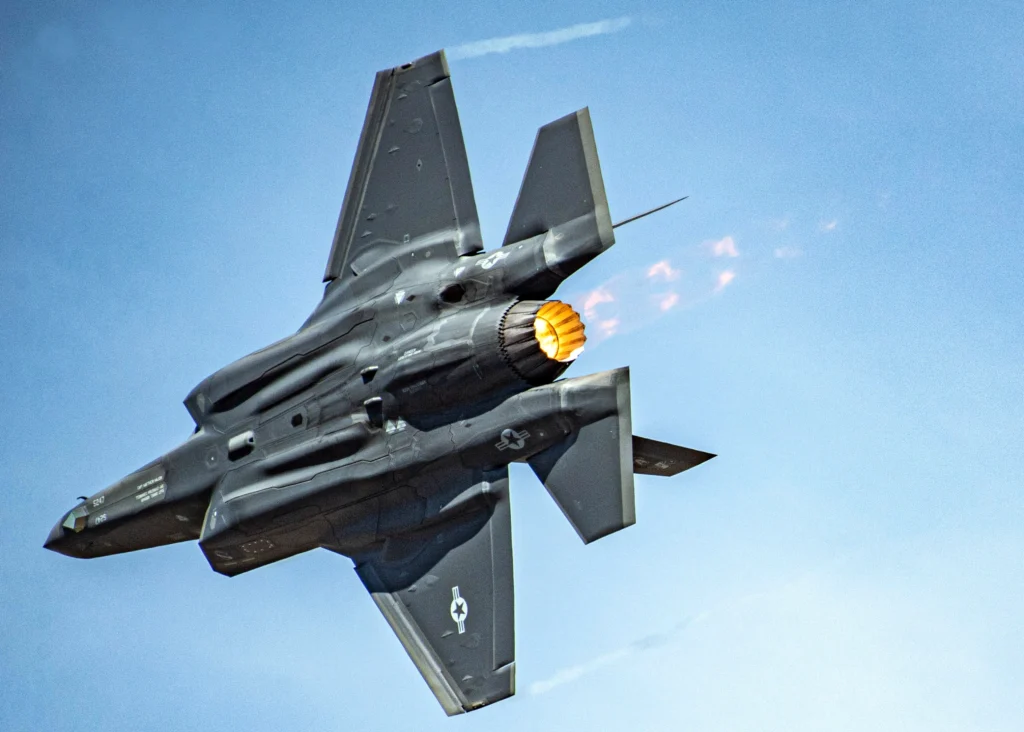
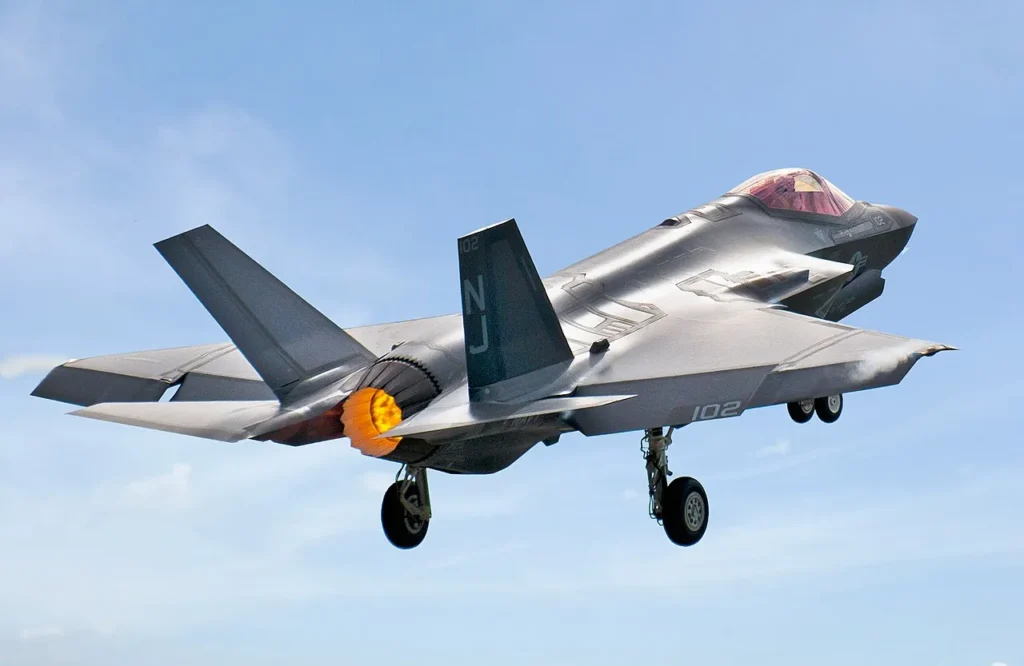
The F-35 is widely regarded as one of the most advanced stealth fighter jets ever built, designed specifically to evade radar detection and operate deep within heavily defended airspace.
The aircraft’s stealth profile allows it to carry weapons internally, preserving its low radar cross-section during combat missions.
Beyond its stealth capabilities, the F-35 plays a critical role in network-centric warfare. It collects and fuses data from multiple sensors, delivering a real-time battlefield picture to the pilot and sharing that intelligence across a broader combat network that includes ships, ground systems, and other aircraft.
The F-35 program has cost approximately $450 billion to date, with total lifetime expenses projected to exceed $2 trillion over several decades, according to the U.S. Government Accountability Office.
A confirmed shootdown would raise serious questions about whether adversaries have developed the capability to detect or track stealth aircraft.

U.S. Assets Deployed in Operation Epic Fury
CENTCOM has assembled a substantial force for the operation, including nuclear-powered aircraft carriers, nuclear-powered submarines, and guided-missile destroyers.
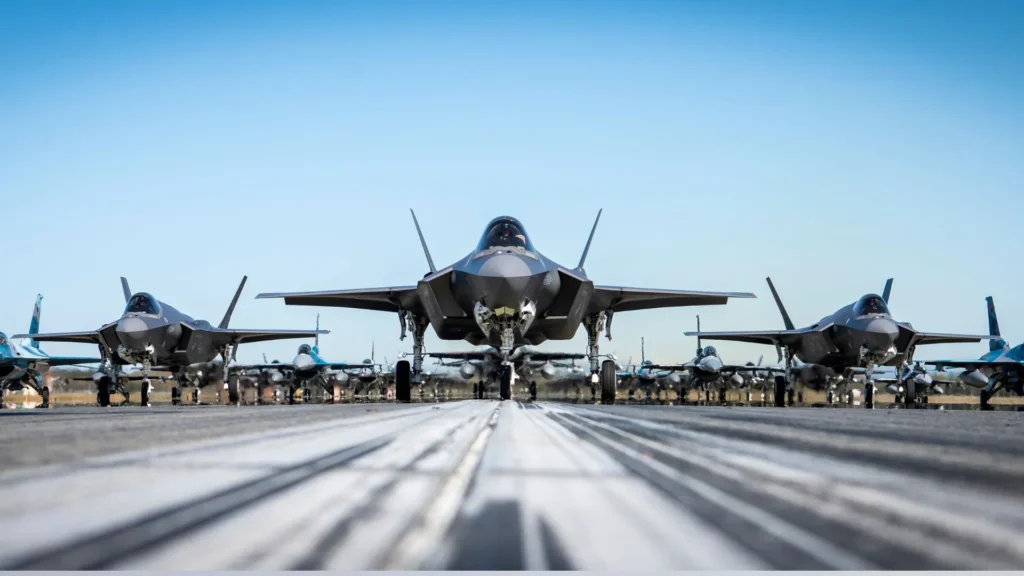
The aerial component includes B-1, B-2 Stealth, and B-52 bombers, alongside F-15, F-16, F-18, F-22, and F-35 fighter jets.
Supporting aircraft include A-10 attack jets, EA-18G electronic warfare aircraft, EC-130H, E-2D airborne early warning and control aircraft, U-2 and RC-135 reconnaissance platforms, and KC-135 and KC-46 refueling tankers.
Rotary-wing and unmanned assets include AH-64 Apache helicopters, MH-60 Sea Hawk helicopters, MQ-9 surveillance and attack drones, and LUCAS one-way attack drones.
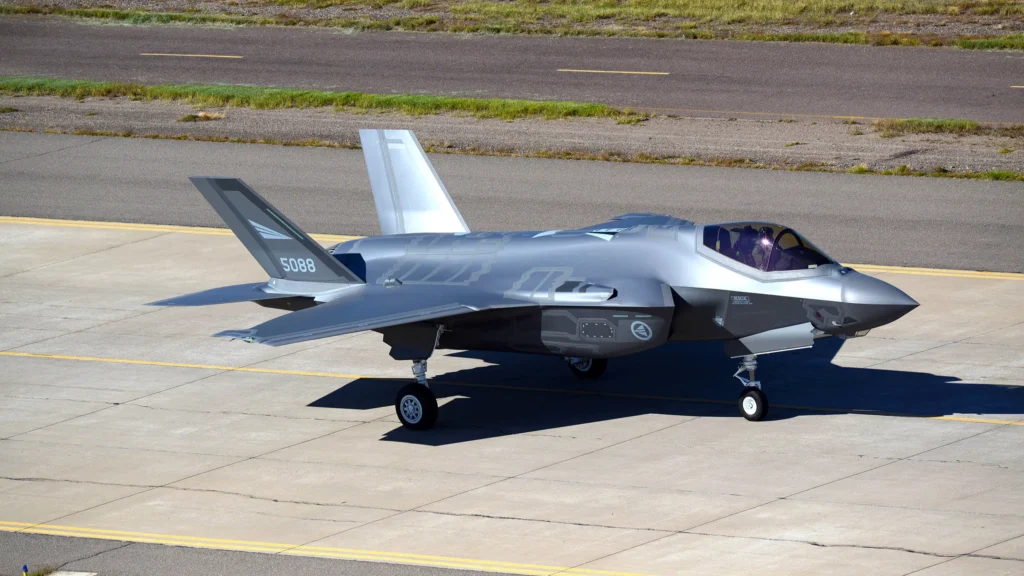
F-35 Technical Specifications
The F-35 Lightning II stands as the most advanced multirole fighter jet in production today, combining stealth, sensor fusion, and combat versatility. It plays a central role in modern air warfare and allied defense strategies.
With over 1,150 aircraft delivered and operations across more than 20 nations, the F-35 continues to shape global airpower and strengthen military cooperation.
What Makes the F-35 a Dominant Combat Aircraft
The F-35 is a fifth-generation fighter designed to operate across air, land, sea, space, and cyber domains. Its strength lies in integrating advanced stealth with real-time battlefield awareness.
The aircraft uses sensor fusion to combine data from multiple onboard systems and external sources. This allows pilots to receive a unified and clear operational picture, reducing reaction time and improving decision-making.
Its stealth design reduces radar visibility through aligned edges, radar-absorbing materials, and internal weapon storage. These features limit detection and tracking by adversary systems.
The F-35 also includes advanced electronic warfare capabilities. These systems can detect, disrupt, and counter threats across the electromagnetic spectrum.
Global Reach and Strategic Importance
The F-35 program includes the United States and 19 allied nations, making it one of the most widely adopted fighter platforms in modern history.
Partner countries include the United States, the United Kingdom, Italy, the Netherlands, Canada, Australia, Denmark, and Norway. Additional customers through foreign military sales include nations such as Japan, Israel, Germany, Finland, and South Korea.
This wide adoption enables interoperability between allied forces. Shared platforms allow coordinated missions, streamlined logistics, and joint operational capabilities.
The aircraft has logged over one million flight hours and has been deployed in active combat by multiple operators. Its continued expansion reflects strong demand and long-term strategic value.
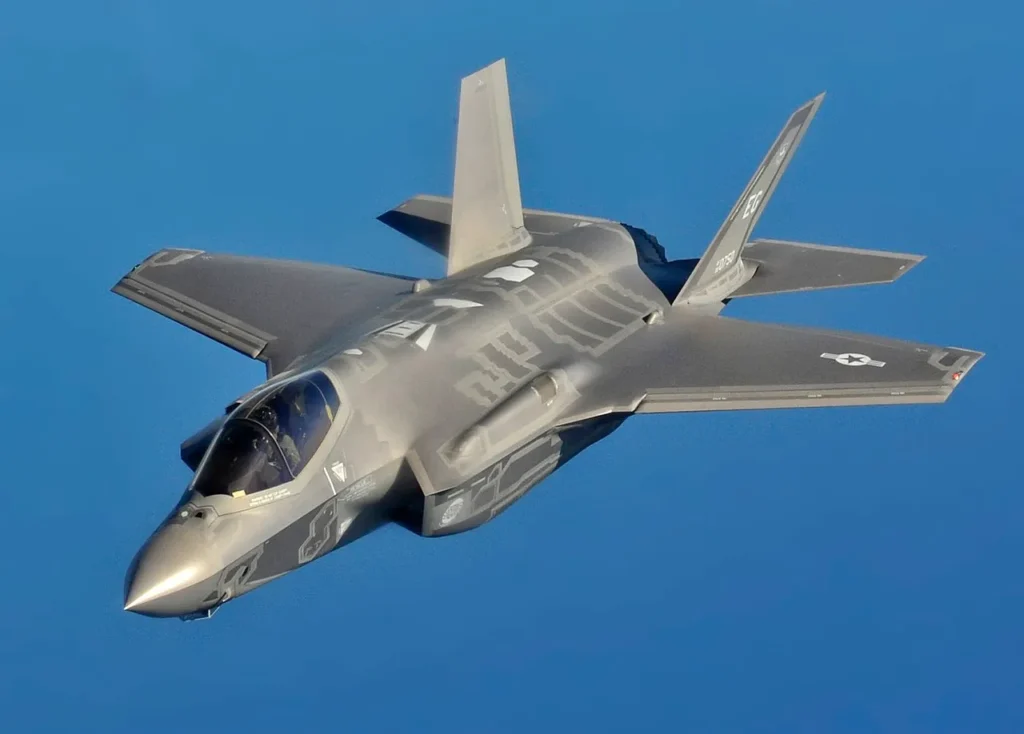
Production Scale and Operational Readiness
More than 1,000 F-35s have been delivered globally, with production continuing at a steady rate of around 156 aircraft per year.
Sustainment remains a key focus. Around-the-clock operations centers and engineering teams support fleet readiness. These systems ensure aircraft availability for missions at any time and location.
The program has also reduced cost per flight hour significantly, with Lockheed Martin reporting a 50 percent reduction in its share of costs since 2015.
Advanced Stealth and Survivability Features
The F-35’s stealth capability does not make it invisible, but significantly reduces detection range and targeting accuracy.
Its design incorporates radar-absorbing coatings and internalized components, including fuel and weapons. This minimizes its radar cross-section while maintaining aerodynamic performance.
The aircraft also reduces its infrared signature, making it harder to detect through heat tracking systems.
Electronic warfare systems provide additional survivability by allowing the aircraft to jam or evade enemy sensors and missile systems.
Continuous Upgrades and Future Capabilities
The F-35 is undergoing continuous modernization through the Block 4 upgrade program. This phase focuses on expanding weapons integration, improving computing power, and enhancing sensor capabilities.
The aircraft is also being developed to operate alongside uncrewed systems and artificial intelligence technologies. This integration will play a key role in future combat environments.
Addressing Common Misconceptions
Surface discoloration observed on some F-35 aircraft does not indicate corrosion or reduced performance. It results from exposure to harsh operating conditions such as sea spray and jet exhaust. These effects are cosmetic and do not impact structural integrity or stealth capability.
Claims about a remote “kill switch” are false. Operator nations maintain full sovereign control over their aircraft. The program is built on cooperative defense agreements, not external control mechanisms.
Weapons Integration and Flexibility
The F-35 is designed to carry both U.S. and allied weapons systems. This flexibility allows each operator to integrate national defense requirements into the platform.
Recent tests, including the integration of the Meteor missile on the F-35B, highlight the aircraft’s expanding weapons compatibility.
Economic and Industrial Impact
The F-35 program contributes significantly to economic activity, generating approximately $79 billion annually for the U.S. economy.
Its affordability compared to competing platforms has influenced procurement decisions by multiple countries, including Germany, Canada, and Switzerland.
| Specification | Detail |
|---|---|
| Cannon | 25 mm GAU-22/A |
| Air-to-Air Missiles | Two AIM-120C/D |
| Bombs | Two GBU-31 JDAM (~907 kg each) |
| Max Weight | ~31,750 kg |
| Top Speed | Mach 1.6 (~1,930 km/h) |
| Engine | F135-PW-100 |
| Max Thrust | ~178 kN |
| Combat Radius | 1,093+ km (internal fuel) |
| Max G-Rating | 9 g |
Stay tuned with us. Further, follow us on social media for the latest updates.
Join us on Telegram Group for the Latest Aviation Updates. Subsequently, follow us on Google News
