

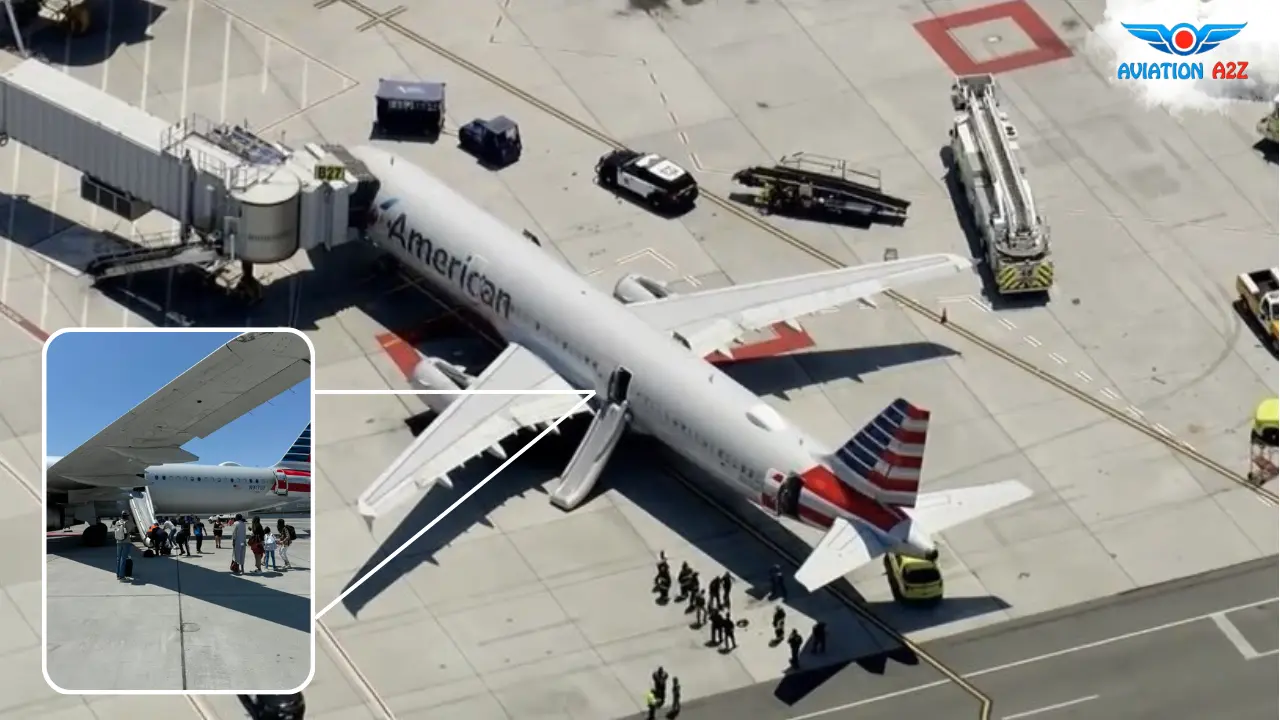
WASHINGTON, D.C.- Aircraft evacuation standards require rapid response, yet evolving passenger demographics are challenging compliance timelines.
Recent simulation-based research highlights how elderly passenger distribution and cabin layout directly impact evacuation efficiency.

Aircraft Emergency Evacuation Study
Aircraft manufacturers and regulators mandate that all passengers must evacuate within 90 seconds during emergencies.
However, recent findings indicate that real-world evacuation times can significantly exceed this threshold, especially in scenarios involving aging passenger populations.
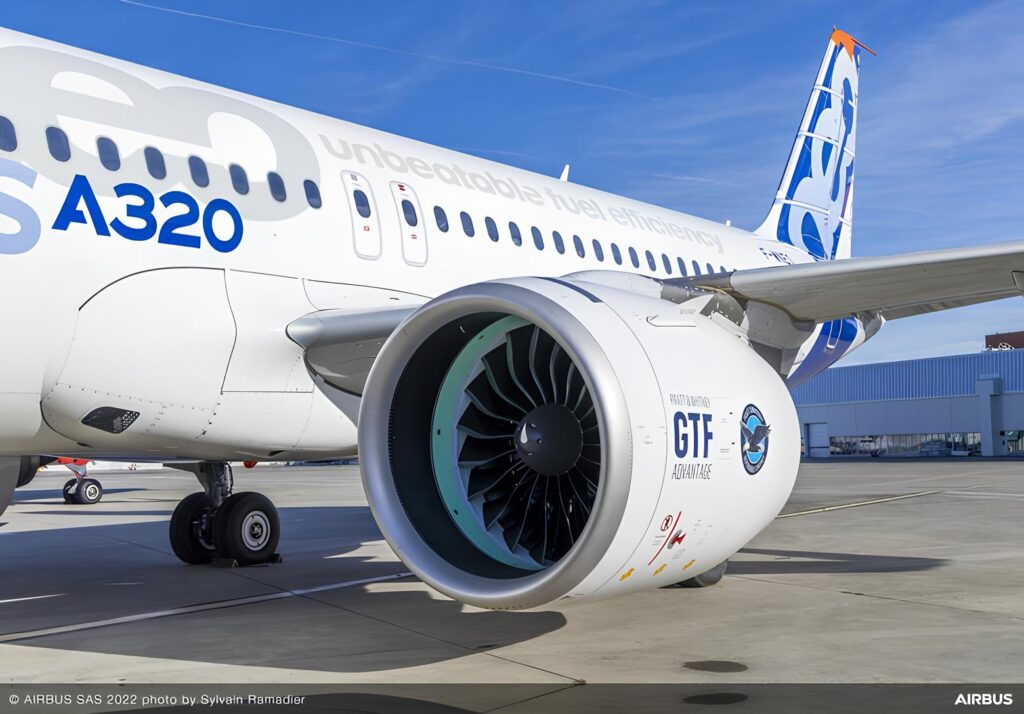
A study published in AIP Advances by AIP Publishing examined evacuation dynamics using the Airbus A320.
Conducted by an international team of researchers, the study analyzed 27 distinct evacuation scenarios.
These scenarios included variations across three cabin layouts, three ratios of passengers over 60 years of age, and three different seating distributions to identify optimal configurations.

Simulation Framework and Emergency Scenario Analysis
The research focused on a dual-engine fire scenario, categorized under rare but high-impact aviation emergencies.
While such events are statistically uncommon, historical incidents demonstrate their potential severity.
The study referenced the Miracle on the Hudson, where Captain Chesley Sullenberger successfully executed an emergency landing following a dual-engine failure.
To ensure precision, researchers developed full-scale computer-aided design models of the Airbus A320 cabin.
They used Pathfinder, an industry-standard evacuation modeling software, to simulate passenger behavior under stress conditions.
This approach enabled accurate assessment of movement patterns, congestion points, and exit flow rates.
Influence of Elderly Passenger Distribution
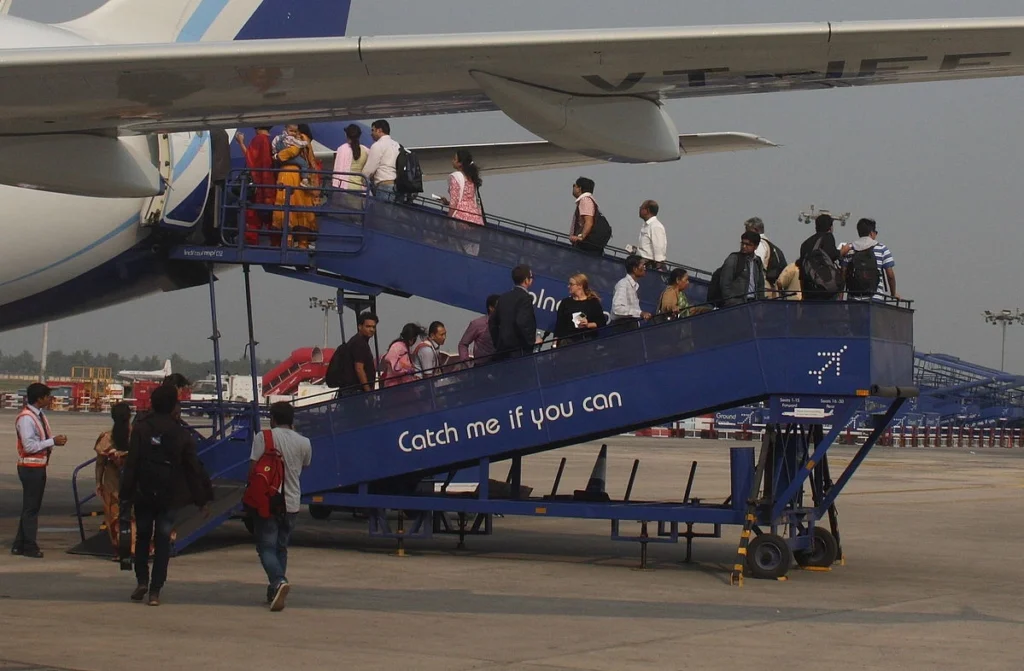
The study found that both the proportion and placement of elderly passengers significantly affect evacuation times.
Older passengers often experience reduced mobility, slower reaction speeds, and diminished situational awareness, which can delay movement during emergencies.
In the most efficient configuration tested, the aircraft carried 152 passengers, including 30 elderly individuals evenly distributed throughout the cabin.
Despite this optimized arrangement, total evacuation time reached 141 seconds, exceeding the Federal Aviation Administration (FAA) requirement by a substantial margin.
Cognitive and Physical Constraints in Emergency Conditions
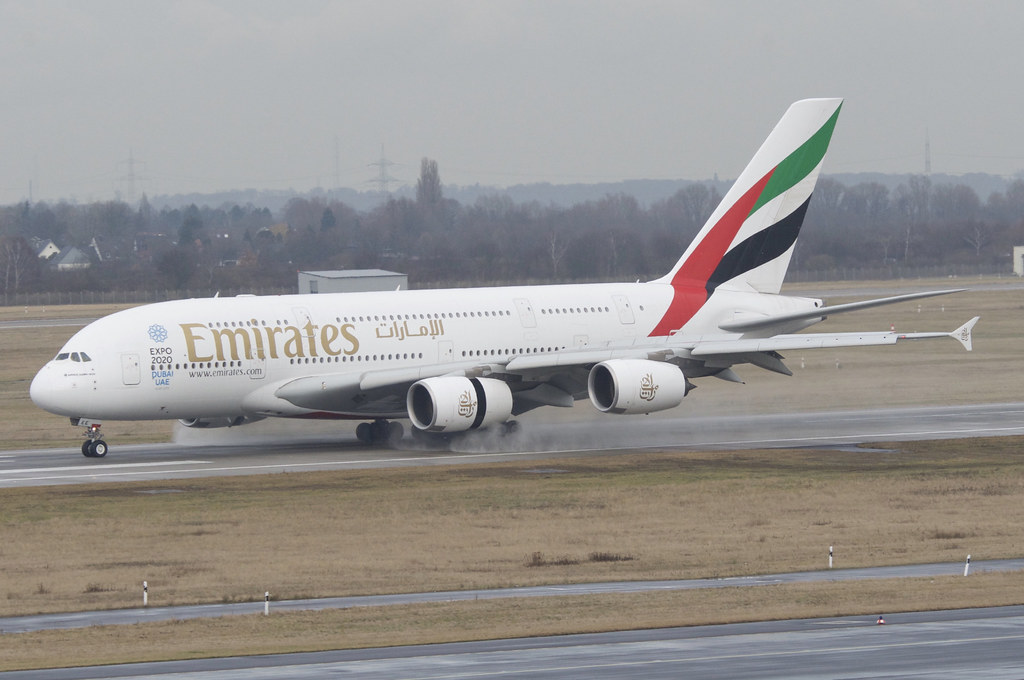
Behavioral factors play a critical role in evacuation efficiency. Cognitive decline among elderly passengers can impair decision-making and delay response to emergency instructions.
Reduced dexterity further complicates tasks such as unfastening seatbelts and navigating narrow aisles.
Targeted safety briefings tailored for elderly passengers could improve response times. Enhancing pre-flight communication and providing clearer instructions may help mitigate delays caused by cognitive and physical limitations.
Cabin Layout Optimization and Operational Implications
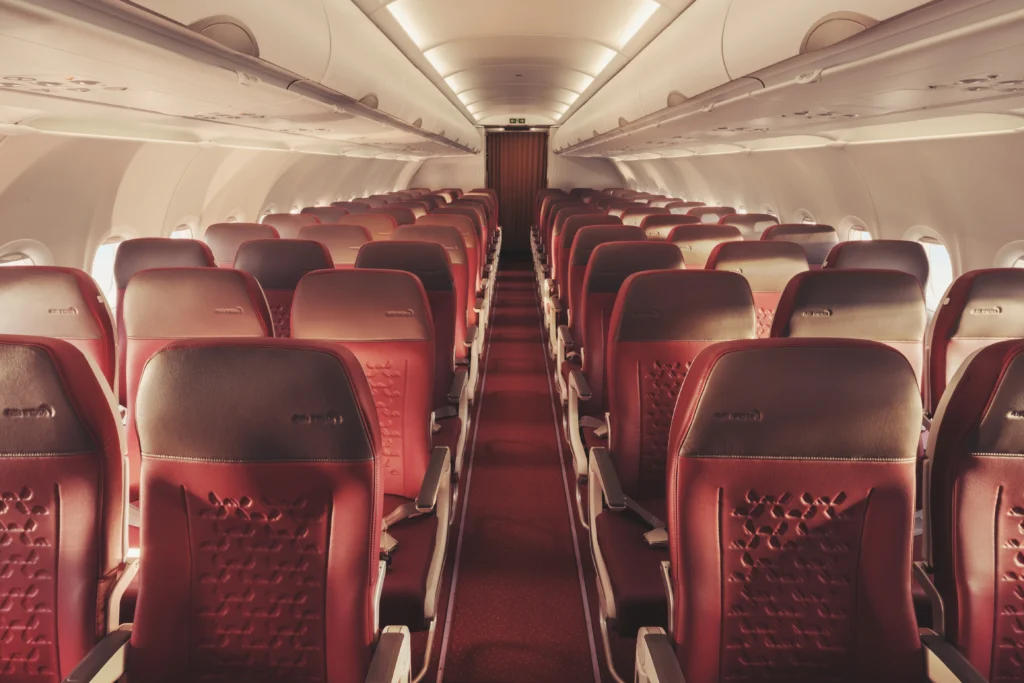
Cabin configuration directly influences evacuation flow. Layouts with balanced passenger distribution and minimized aisle congestion perform better under emergency conditions.
The inclusion of two rows of first-class seating at the front, combined with evenly spaced elderly passengers, demonstrated relatively improved evacuation outcomes.
Airlines can apply these insights to implement strategic seating policies that enhance safety while maintaining operational efficiency.
Proactive adjustments in passenger distribution can reduce bottlenecks and improve exit accessibility.
Expanding Future Evacuation Models
The study also identified the need to include additional passenger categories in future simulations.
Children, infants, and pregnant women introduce distinct behavioral and physical variables that impact evacuation dynamics.
Researchers aim to expand modeling frameworks to account for these groups, enabling more comprehensive safety assessments.
A broader understanding of passenger diversity will support more effective emergency planning across the aviation industry.
Stay tuned with us. Further, follow us on social media for the latest updates.
Join us on Telegram Group for the Latest Aviation Updates. Subsequently, follow us on Google News
