

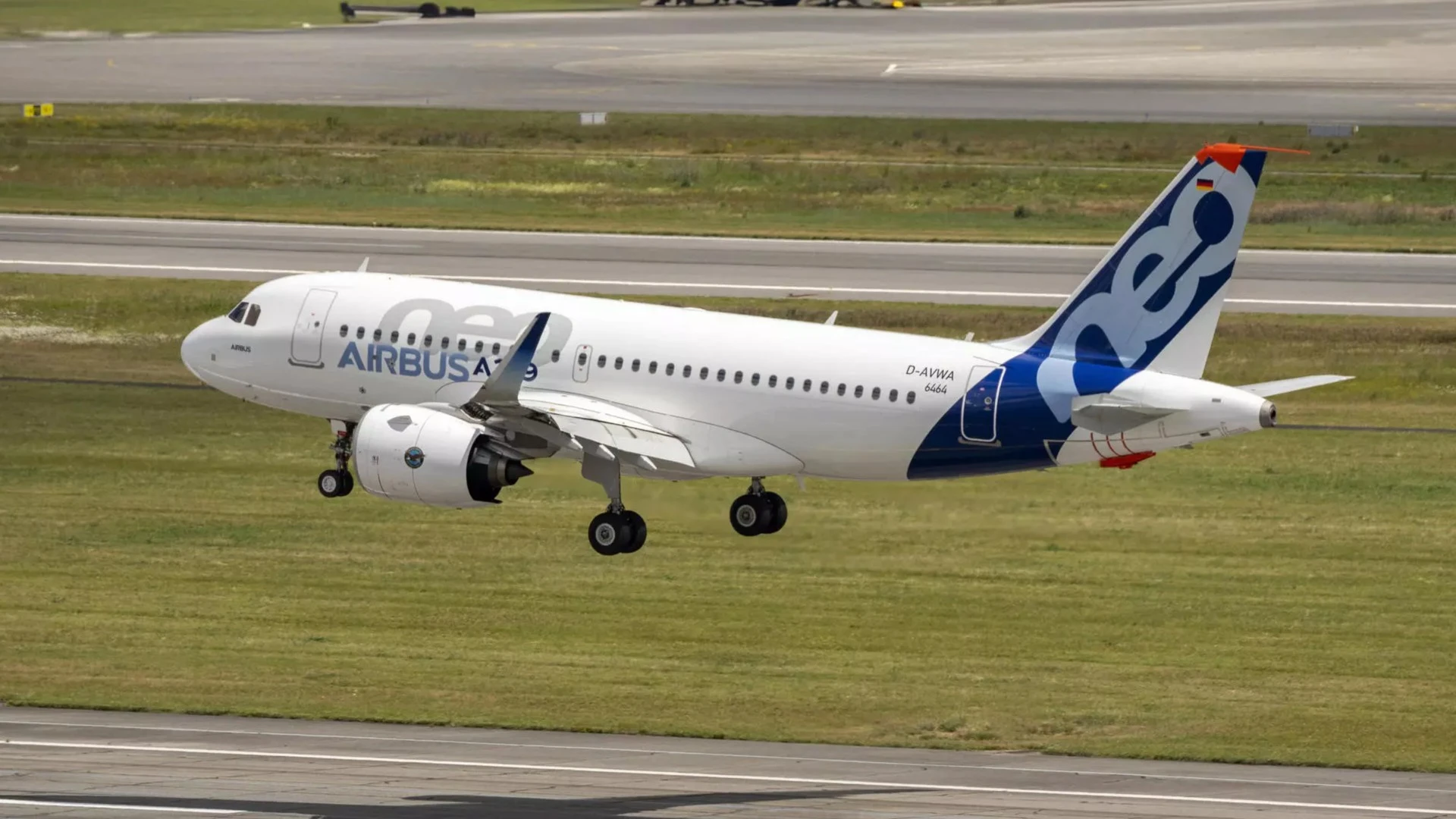
TOULOUSE- Airbus has quietly stopped actively offering the A319neo to airline customers after the jet secured only 57 firm orders by the end of May 2026.
The company will still build the aircraft on request, but it now points most airlines toward the A220, a jet ordered by carriers such as Air China (CA) and China Southern Airlines (CZ).
The A319neo never found broad demand and remained a niche product for high-altitude airports like Lhasa (LXA) in western China.
The original A319 first entered service with Swissair in April 1996 and won 1,486 orders, but its re-engined successor could not match that record as the A220 took over the small jet segment.
Airbus Ends A319neo Orders Promotion
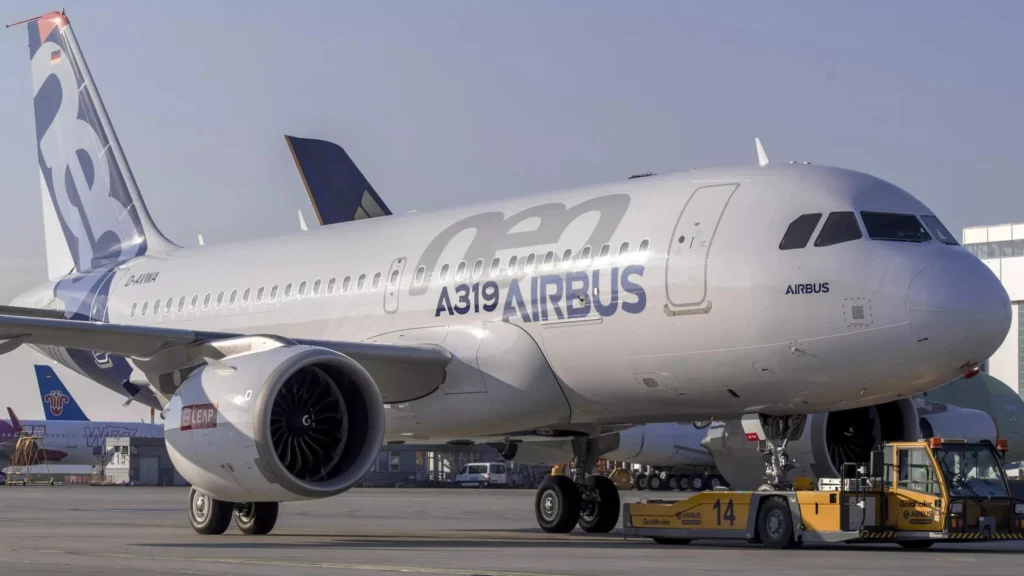
Airbus has confirmed it will no longer actively promote the A319neo to commercial airline customers.
The aircraft has not been formally discontinued, and the company will keep building it when a buyer places an order. Continued production also supports the business version, the ACJ319neo, which remains popular in the corporate and government market.
The shift became visible in a recent Airbus presentation of its short and medium haul aircraft range.
The presentation listed every current single aisle model, from the A220-100 to the A321neo, but the A319neo was completely absent. According to a report by Aero Telegraph, that omission signaled a strategic decision rather than a full end to the programme.
Airbus first weighed dropping the aircraft in the summer of 2025. Marc Guinot, chief engineer for the A320 family, said the company could consider stopping the A319 at some point, but only after developing an A320neo variant that performs well at high-altitude airports.
Why A319neo Failed to Sell
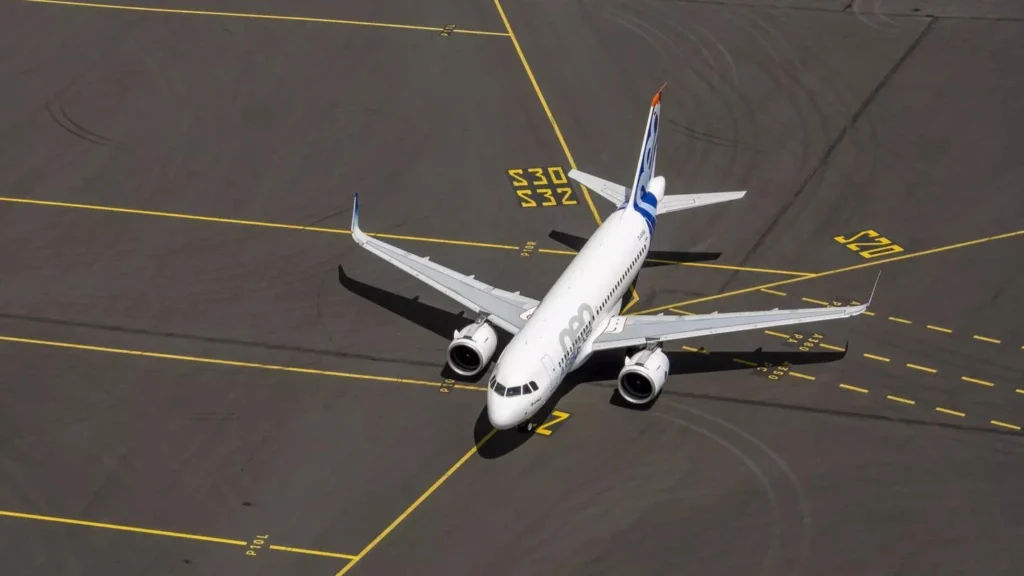
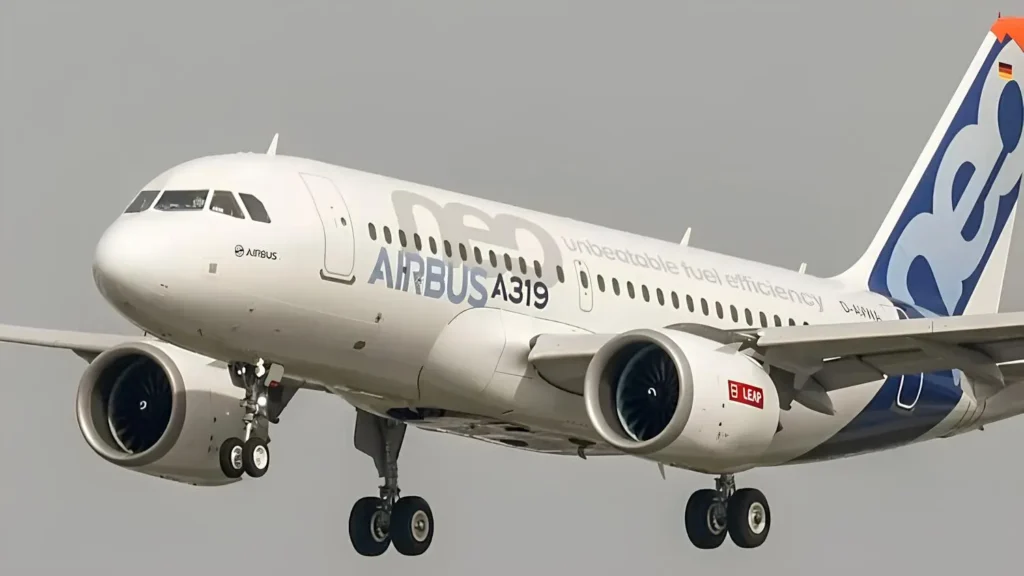
The A319neo carried the same new-generation engines as its larger siblings, either the CFM LEAP-1A or the Pratt and Whitney PW1100G, along with sharklet wingtips and a fuel burn about 20 percent lower than the previous A319ceo.
The problem was size. With fewer seats to spread its costs across, the A319neo delivered a higher cost per seat, which pushed most airlines toward the A320neo and A321neo.
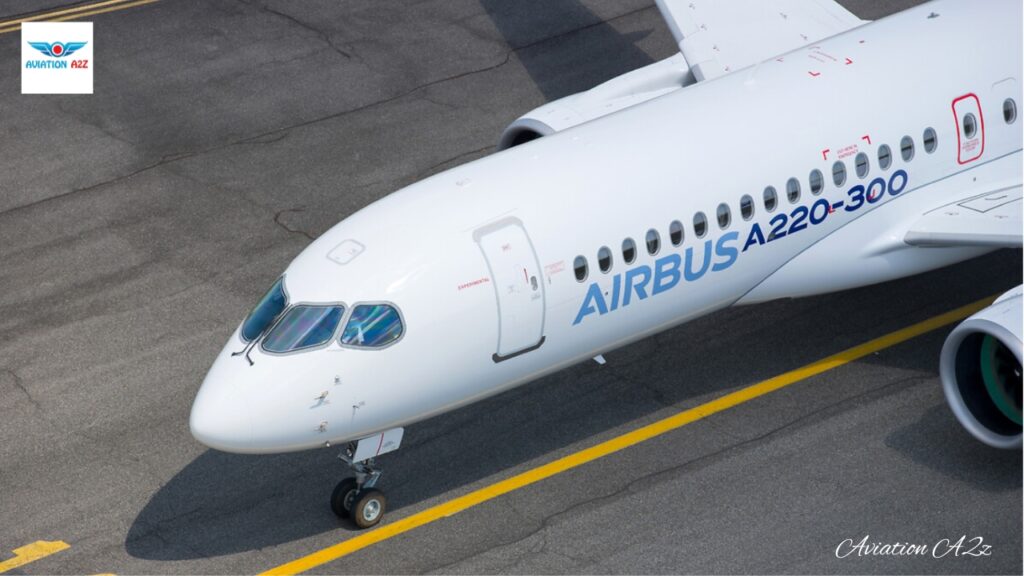
The aircraft also faced a cheaper and lighter rival inside Airbus itself. The A220-300 seats a similar number of passengers, carries a lower operating weight, and lists at roughly 91.5 million dollars against about 101.5 million dollars for the A319neo.
The A319neo held one clear edge, a longer range of about 3,700 nautical miles, but steady improvements to the A220-300 narrowed that gap and removed much of its appeal.
The loss of Western customers sealed the outcome. Spirit Airlines (NK) once held orders for 31 A319neo jets, a rare chance for the type to enter the United States market, but the carrier later converted those orders to the larger A321neo.
Aircraft Built Mostly for Chinese Carriers
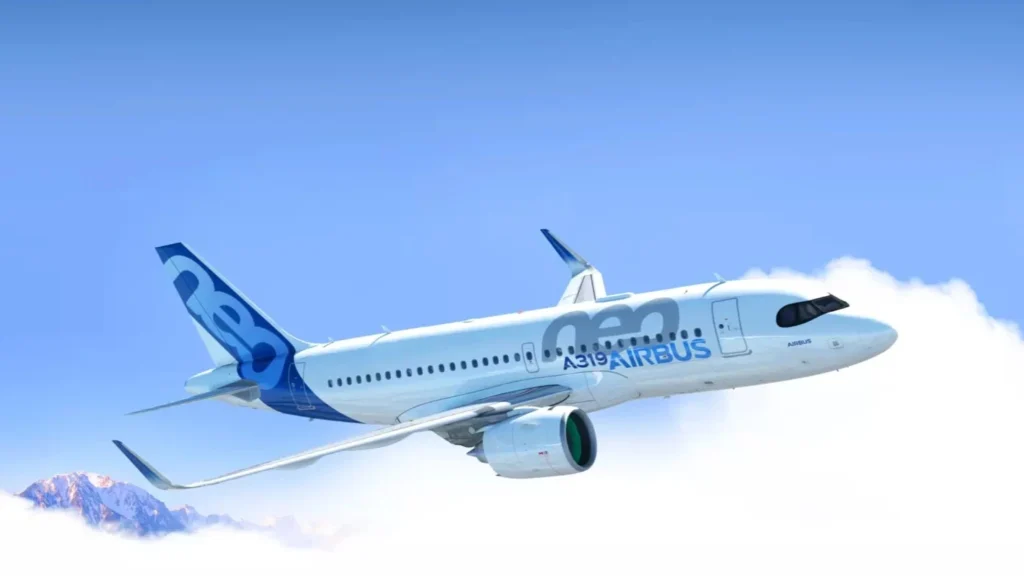
Nearly half of all A319neo orders came from Chinese airlines, including Air China, China Southern Airlines, Tibet Airlines (TV), and West Air. The rest were spread across corporate, government, executive, and undisclosed buyers.
Air China took delivery of its first A319neo in June 2025, and several aircraft reached their operators through the Airbus final assembly line in Tianjin, China.
These carriers valued the A319neo for one specific reason. The jet performs strongly at high-altitude airports such as Lhasa and Nyingchi, where thin air and short runways demand powerful takeoff performance.
That niche kept the aircraft relevant in western China even as the wider market moved toward larger jets, and future A320neo variants are expected to take over those high-altitude routes.
Original A319 Was Strong Seller
The A319 measures 3.70 metres shorter than the larger A320. Airbus offered the model from May 1992 and delivered the first aircraft to Swissair in April 1996. Over its production life, the original A319 collected 1,486 orders.
According to Airbus, the A319 accounts for nearly one-fifth of all sales across the A320 family.
The jet seats up to 160 passengers and earned loyalty for its strong range, its short takeoff and landing performance on challenging runways, and its close commonality with the rest of the Airbus fleet, which lowered training and maintenance costs.
How Neo Family Grew Apart
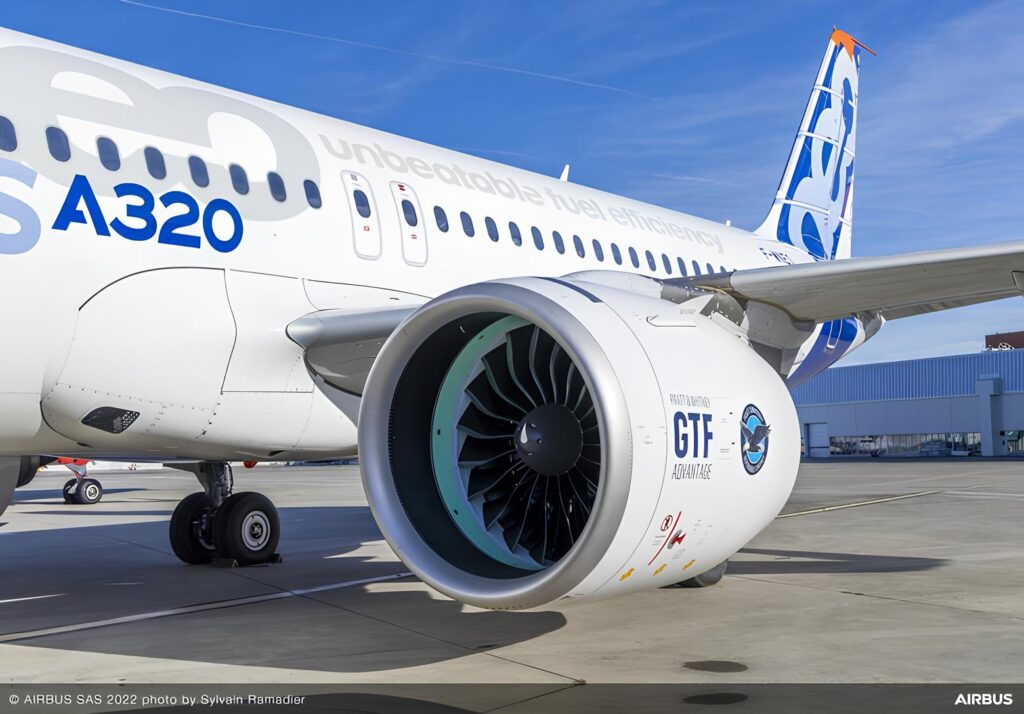
Airbus launched the New Engine Option programme in 2010 to bring more efficient engines to the A319, A320, and A321.
The first A320neo arrived in 2016, followed by the A321neo in 2017, and finally the A319neo at the end of 2019.
To date, Airbus has delivered approximately 4,640 aircraft across the full A320neo family.
The two larger jets became bestsellers, with the A320neo passing 4,000 orders and the A321neo climbing past 7,000.
The A319neo went the other way. By the end of May 2026, it had drawn just 57 firm orders, fewer than the A318, the earlier small Airbus jet that also failed to sell and was never re-engined.
A220 Leads Small Jet Segment
The same Airbus presentation showed why the A319neo lost its place. In the 100 to 160 seat segment, the A220, formerly the Bombardier C Series, holds the top spot with 56 percent market share.
Embraer’s E-Jet E2 family sits second with 26 percent, followed by the Boeing 737 Max 7 with 15 percent. The A319neo trails in last place with only 3 percent.
Airbus positioned the A220 as its main aircraft for smaller-capacity routes after taking over the C Series programme.
With the A220 already leading the segment, the company had little reason to keep marketing a second jet of similar size.
What Move Means for Airbus
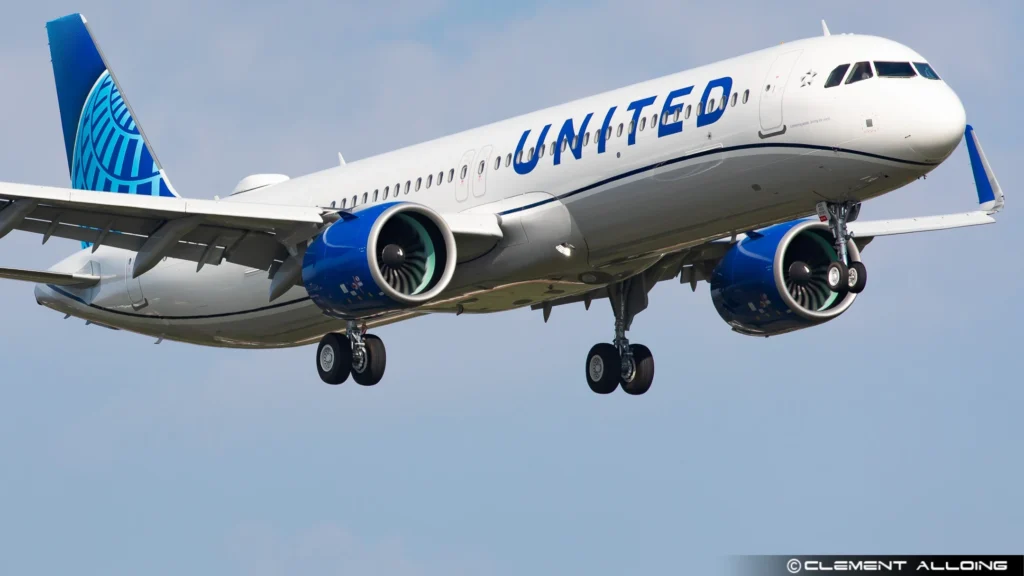
Stepping back from the A319neo lets Airbus simplify its narrowbody lineup and shift factory capacity to the aircraft airlines actually want.
The company still holds 7,461 outstanding orders across the A320neo family, giving its production lines years of work.
The decision reflects changing airline demand rather than a hard end to the programme.
The A319neo stays available for buyers with specific needs, including high-altitude operators and the corporate ACJ319neo market, while most airline customers move to the A220.
Stay tuned with us. Further, follow us on social media for the latest updates.
Join us on Telegram Group for the Latest Aviation Updates. Subsequently, follow us on Google News
