


The global travel and tourism industry continues to expand, with countries investing heavily in transport networks, accommodation, cultural attractions, and sustainable tourism. As international travel reaches new heights, certain destinations are standing out for their ability to attract visitors while providing the infrastructure and services needed to support long-term growth.
According to the World Economic Forum’s Travel & Tourism Development Index (TTDI) 2026, Japan ranks as the world’s best-performing country for travel and tourism, followed by the United States and Spain. Australia and France complete the top five, while Germany, the United Kingdom, China, Switzerland, and Italy occupy the remaining positions.
The 2026 index evaluates 110 economies across 17 pillars covering tourism infrastructure, business conditions, natural and cultural resources, government policies, and sustainability. Unlike rankings based purely on visitor arrivals, it measures how effectively countries support a competitive and resilient tourism industry.
Top 10 Performing Countries for Travel and Tourism
International tourist arrivals reached approximately 1.5 billion in 2025, reflecting the industry’s continued expansion. However, rising travel costs, environmental pressures, and growing demand for infrastructure are creating new challenges.

1. Japan
Japan ranks first globally in 2026, moving up two positions from the previous index. The country combines advanced transport infrastructure, exceptional cultural resources, modern tourism facilities, and a distinctive blend of traditional and contemporary attractions.
Tokyo remains one of the world’s most visited urban destinations, offering shopping districts, restaurants, museums, historic temples, and entertainment. Kyoto attracts travellers interested in traditional Japanese architecture, gardens, and cultural heritage, while Osaka is known for its food culture and lively atmosphere.
Beyond these major cities, Japan offers mountain resorts, hot springs, coastal destinations, and rural communities. Hokkaido is particularly popular for winter sports and natural landscapes, while Okinawa attracts visitors seeking beaches and subtropical scenery.
Japan’s transport infrastructure is one of its greatest advantages. Its extensive railway network, including high-speed Shinkansen services, allows travellers to move efficiently between major cities and regional destinations.
The country welcomed a record 42.7 million international visitors in 2025, with visitor spending reaching approximately US$59.7 billion. Efforts to encourage tourism beyond the busiest cities have also contributed to its improved performance.
However, overcrowding in popular destinations remains a concern. Japan is increasingly focusing on distributing visitors across different regions and seasons to reduce pressure on local communities.
Its strong infrastructure, cultural appeal, and improving tourism management make Japan the world’s leading tourism economy in 2026.
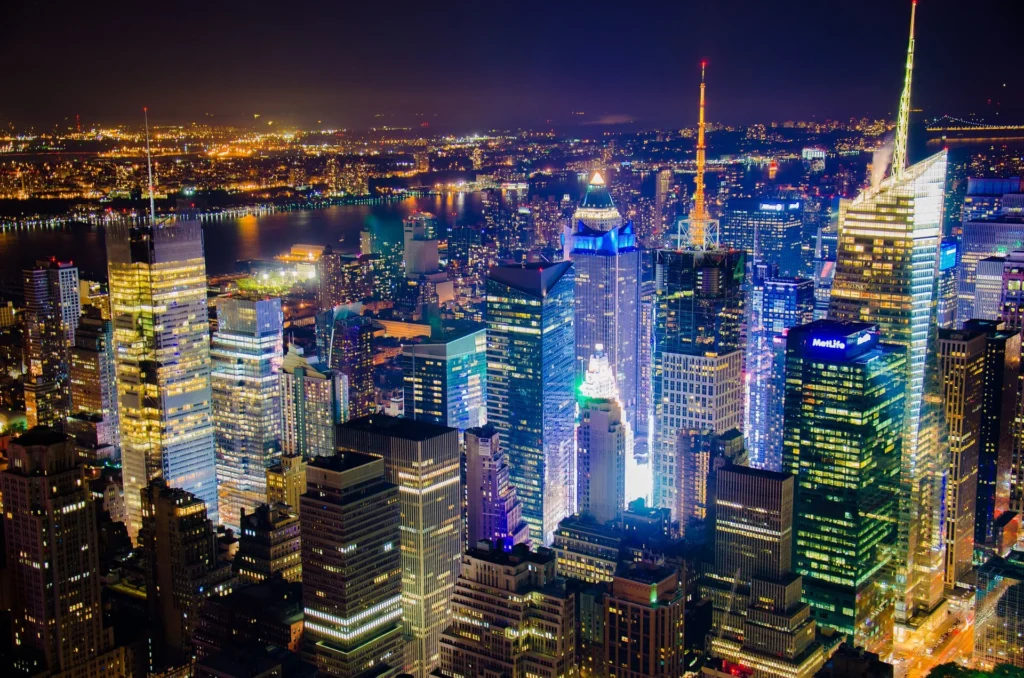
2. United States
The United States ranks second globally, supported by its enormous tourism economy, extensive aviation network, diverse attractions, and well-developed hospitality industry.
Few countries offer the same variety of travel experiences. New York attracts visitors with its skyscrapers, museums, Broadway theatres, and shopping districts, while Los Angeles is internationally recognised for entertainment, beaches, and Hollywood.
Florida remains a major family holiday destination, particularly because of its theme parks and coastal resorts. Las Vegas attracts visitors seeking entertainment, conventions, and nightlife, while cities such as Chicago, San Francisco, and Washington, DC, offer cultural and historical attractions.
The country’s natural landscapes are equally important. Yellowstone, Yosemite, the Grand Canyon, and other national parks attract travellers interested in outdoor recreation, wildlife, and scenic experiences.
The United States benefits from a large domestic tourism market, major international airports, extensive hotel capacity, and a strong business travel sector. Conferences, exhibitions, sporting events, and entertainment contribute significantly to tourism demand.
Nevertheless, travel expenses can be high, particularly in major cities. Long distances between destinations, visa requirements, and transport costs may also affect international visitors.
Despite slipping from first to second place, the United States remains one of the world’s most influential tourism markets, combining exceptional economic scale with a broad range of visitor experiences.

3. Spain
Spain secures third place in 2026, maintaining its position as one of Europe’s most successful tourism destinations. Its combination of warm weather, Mediterranean beaches, historic cities, cultural attractions, and established tourism infrastructure continues to attract international visitors.
Barcelona is famous for its architecture, including landmarks associated with Antoni Gaudi, while Madrid offers major museums, historic neighbourhoods, and a thriving restaurant scene.
Southern Spain attracts travellers with destinations such as Seville, Granada, and Malaga, where visitors can experience traditional architecture, regional cuisine, and cultural heritage.
The Balearic and Canary Islands are particularly important to Spain’s tourism industry. Mallorca, Ibiza, Tenerife, and Gran Canaria attract holidaymakers throughout much of the year, supported by extensive accommodation and aviation connections.
Spain’s well-developed transport network is another major advantage. High-speed rail services connect important cities, while international airports provide access to major European and global markets.
However, the country’s tourism success has created challenges in some destinations. Housing affordability, seasonal overcrowding, water shortages, and environmental pressures have become increasingly important issues.
Spain is therefore placing greater emphasis on sustainable tourism and encouraging visitors to explore less crowded regions.
Its combination of accessibility, cultural richness, and established tourism services secures its position among the world’s three leading countries.
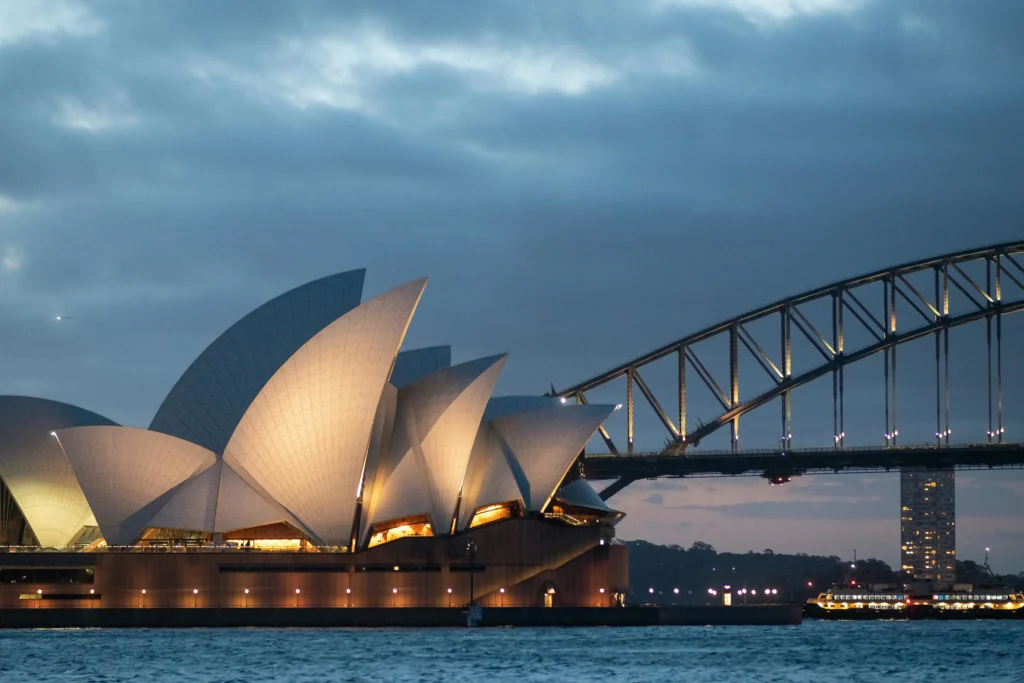
4. Australia
Australia ranks fourth globally, improving by two positions compared with the previous index. The country stands out for its natural resources, distinctive wildlife, modern cities, and strong tourism infrastructure.
Sydney remains one of Australia’s most recognisable destinations, attracting visitors with the Sydney Opera House, Harbour Bridge, beaches, and waterfront attractions. Melbourne is known for its arts, food culture, sporting events, and cultural diversity.
Queensland is particularly important to Australia’s tourism industry. The Great Barrier Reef attracts visitors interested in marine life, snorkelling, and diving, while the Gold Coast and Sunshine Coast offer popular beach holidays.
Other attractions include Uluru, the Great Ocean Road, Tasmania’s wilderness areas, and the national parks of Western Australia.
Australia’s tourism appeal is closely linked to its natural environment. Visitors can experience rainforests, deserts, coral reefs, coastal landscapes, and wildlife that cannot be found in many other parts of the world.
The country also benefits from modern airports, reliable tourism services, and a strong domestic travel market.
However, Australia’s geographic isolation can make international travel expensive, while long distances between attractions require careful planning. Bushfires, extreme weather, and environmental pressures also present challenges.
Its improving tourism performance reflects the country’s ability to combine natural attractions with strong infrastructure and growing international connectivity.

5. France
France occupies fifth place in the 2026 ranking, remaining one of the world’s most established international tourism destinations.
Paris is central to France’s global appeal, attracting travellers with landmarks such as the Eiffel Tower, Louvre Museum, Notre-Dame Cathedral, and Champs-Elysees. Its restaurants, museums, fashion industry, and cultural events make it a major destination for leisure and business visitors.
However, France offers much more than its capital. The French Riviera attracts holidaymakers with Mediterranean beaches and coastal resorts, while Provence is known for its villages, landscapes, and regional cuisine.
The French Alps are popular for skiing, hiking, and mountain holidays, while regions such as Bordeaux and Burgundy attract visitors interested in vineyards and culinary experiences.
France also benefits from an extensive transport network. High-speed rail services connect major cities, and its international airports support travel from across the world.
The country’s cultural heritage, historic architecture, and varied landscapes contribute significantly to its tourism competitiveness.
Nevertheless, popular destinations can experience overcrowding, particularly during summer. High accommodation costs in major tourist centres and the need to protect historic sites are additional considerations.
France’s established tourism infrastructure and exceptional range of attractions ensure that it remains among the world’s five best-performing countries.

6. Germany
Germany ranks sixth globally, supported by its strong transport infrastructure, cultural attractions, business travel industry, and well-developed tourism services.
Berlin attracts visitors with its museums, historic landmarks, nightlife, and contemporary cultural scene. Munich is known for its Bavarian traditions, architecture, and annual Oktoberfest celebrations.
Hamburg, Frankfurt, Cologne, and Dresden offer additional cultural and urban experiences, while smaller towns and villages attract travellers interested in traditional architecture and regional history.
Germany’s natural attractions include the Black Forest, Bavarian Alps, Rhine Valley, and numerous national parks. These destinations provide opportunities for hiking, cycling, river cruises, and outdoor recreation.
Business tourism is another important strength. Germany hosts major international trade fairs, exhibitions, and conferences, attracting professionals from across the world.
The country’s railway network, airports, and road infrastructure make it relatively convenient to travel between destinations. Its central European location also supports cross-border tourism.
However, transport disruptions, rising accommodation costs during major events, and the need to modernise certain infrastructure systems remain challenges.
Germany’s combination of cultural heritage, industrial strength, business tourism, and accessibility helps maintain its position among the world’s leading tourism economies.

7. United Kingdom
The United Kingdom ranks seventh in 2026, benefiting from its cultural heritage, international connectivity, major cities, and established hospitality industry.
London remains the country’s most prominent tourism destination. Visitors are drawn to Buckingham Palace, the Tower of London, the British Museum, Westminster, and the West End theatre district.
Beyond London, Edinburgh attracts travellers with its historic architecture, festivals, and surrounding landscapes. Manchester, Liverpool, Birmingham, and Bristol offer music, sport, cultural attractions, and urban experiences.
The UK’s countryside also plays an important role in tourism. The Scottish Highlands, Lake District, Cotswolds, and coastal regions of Wales and Northern Ireland attract visitors seeking scenery, outdoor activities, and quieter holidays.
The country benefits from internationally recognised universities, major sporting events, historic institutions, and a strong business travel sector.
Its aviation network, particularly through airports serving London and other major cities, provides extensive international connections.
However, accommodation and transport can be expensive, particularly during peak travel periods. Weather conditions and congestion around popular attractions can also affect the visitor experience.
Despite these challenges, the United Kingdom’s combination of cultural resources, international accessibility, and diverse destinations keeps it among the world’s top tourism performers.
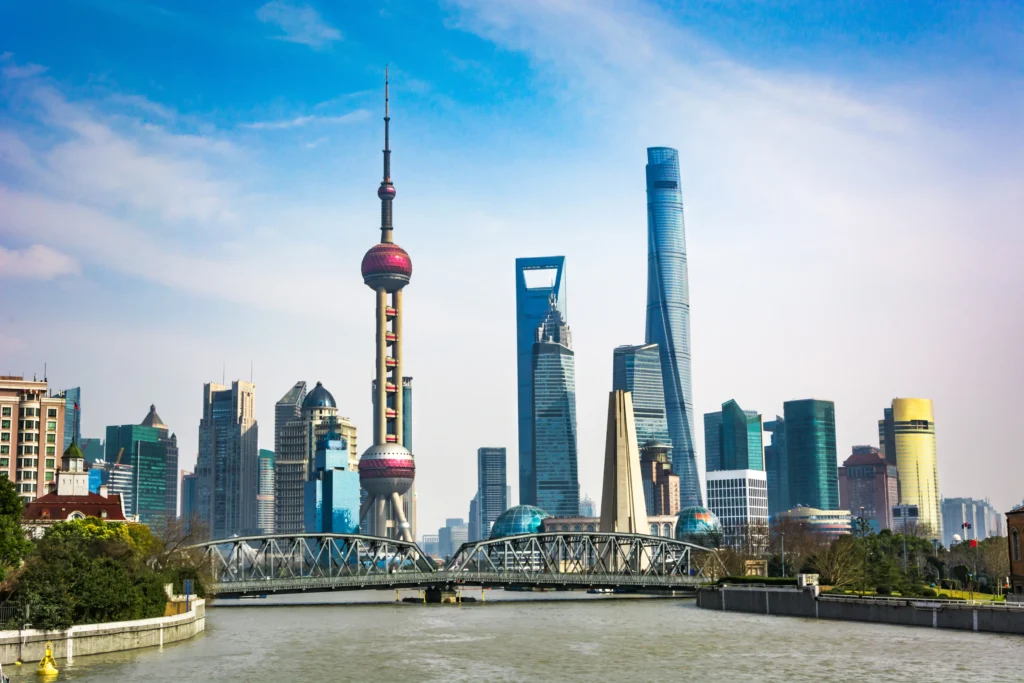
8. China
China ranks eighth globally and is the only economy outside the advanced-economy group to feature in the 2026 top 10.
The country offers an enormous variety of attractions, ranging from ancient cultural landmarks to modern cities and dramatic natural landscapes.
Beijing attracts visitors with the Forbidden City, Temple of Heaven, and nearby sections of the Great Wall. Shanghai offers a modern skyline, shopping districts, museums, and waterfront attractions.
Xi’an is known for the Terracotta Army, while Chengdu attracts visitors interested in giant pandas and Sichuan cuisine.
China’s natural attractions include the karst landscapes of Guilin, the mountains of Zhangjiajie, and scenic regions across Yunnan and Sichuan.
One of China’s major strengths is its extensive transport infrastructure. Its high-speed railway network connects numerous cities, making domestic travel increasingly convenient.
China also benefits from a vast domestic tourism market, substantial investment in visitor facilities, and a growing range of cultural and leisure experiences.
However, language barriers, digital payment systems, and travel regulations can present difficulties for some international visitors. Environmental pressures and overcrowding at major attractions also require continued management.
China’s strong infrastructure, cultural resources, and enormous tourism market secure its place among the world’s leading destinations.
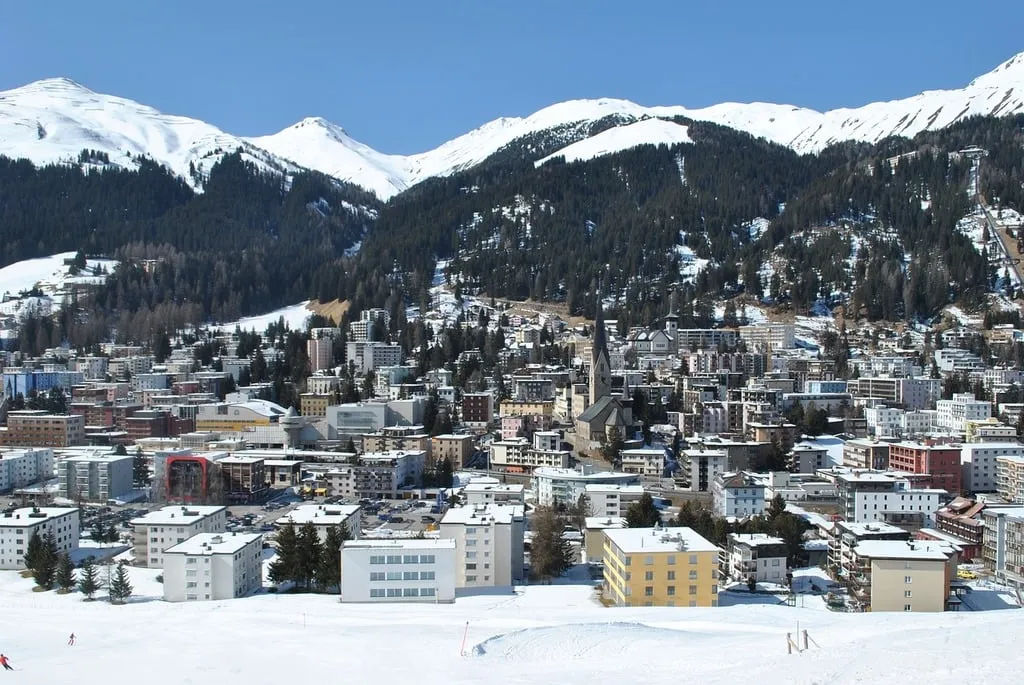
9. Switzerland
Switzerland ranks ninth in the 2026 index, reflecting its excellent tourism infrastructure, natural attractions, and high-quality visitor services.
The country is internationally recognised for its Alpine landscapes, mountain resorts, lakes, and picturesque towns.
Zurich and Geneva attract visitors with their cultural attractions, shopping districts, museums, and international business connections. Lucerne is popular for its lakeside setting and historic architecture, while Interlaken serves as a gateway to the Bernese Alps.
Zermatt, located near the Matterhorn, is one of Switzerland’s best-known mountain destinations. St Moritz, Davos, and other Alpine resorts attract visitors interested in skiing, winter sports, and luxury holidays.
Switzerland’s railway system is a major advantage. Scenic train journeys, mountain railways, and reliable public transport allow visitors to explore destinations without relying heavily on private vehicles.
The country also offers well-maintained hiking trails, outdoor recreation facilities, and a strong reputation for hospitality.
However, Switzerland is one of Europe’s more expensive destinations. Accommodation, dining, and transport costs can be substantial, particularly in popular resort areas.
Despite its relatively small size, Switzerland remains highly competitive because of its natural beauty, accessibility, infrastructure, and established tourism services.

10. Italy
Italy completes the top 10, maintaining its position as one of the world’s most culturally significant tourism destinations.
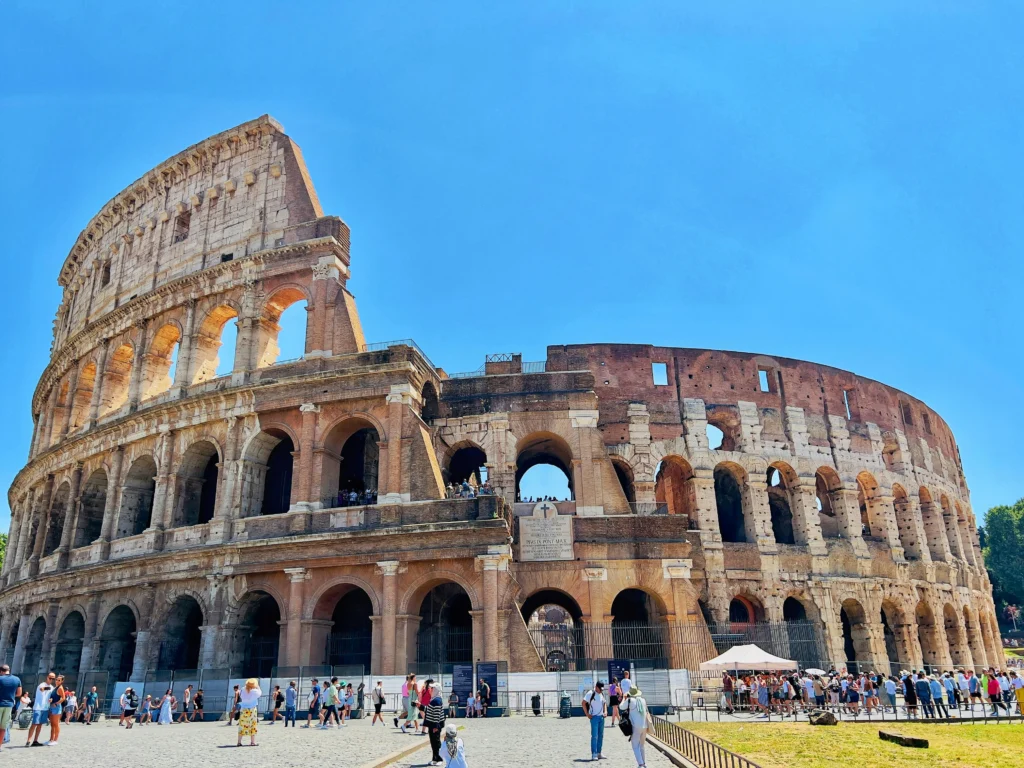
Rome attracts visitors with the Colosseum, Roman Forum, Vatican Museums, and historic streets. Florence is renowned for Renaissance art and architecture, while Venice offers canals, historic buildings, and a distinctive urban environment.
Milan is an important destination for fashion, shopping, and business travel, while Naples provides access to Pompeii, the Amalfi Coast, and southern Italian culture.
Italy’s natural attractions are equally varied. The Dolomites attract hikers and winter sports enthusiasts, while the lakes of northern Italy and coastal regions such as Cinque Terre offer scenic holidays.
Food and cultural experiences are central to Italy’s appeal. Regional cuisine, local markets, historic towns, and traditional festivals attract visitors seeking authentic experiences.
The country benefits from an extensive tourism industry, international airports, rail connections, and a large range of accommodation options.
However, overcrowding remains a challenge in destinations such as Venice, Rome, and Florence. Historic preservation, environmental sustainability, and pressure on local communities are increasingly important concerns.
Italy’s extraordinary cultural resources and established visitor infrastructure ensure that it remains among the world’s ten best-performing tourism economies.

What makes these countries the best performers?
The 2026 Travel & Tourism Development Index highlights the importance of infrastructure, connectivity, cultural resources, and sustainability in determining tourism competitiveness.
Japan leads through its transport systems, tourism services, and cultural attractions. The United States benefits from its enormous economy and extensive tourism infrastructure, while Spain and France combine established hospitality industries with strong cultural and natural resources.
Australia and Switzerland demonstrate the importance of natural attractions, while Germany and the United Kingdom benefit from business travel, international connectivity, and cultural heritage.
China stands out for its large domestic tourism market and substantial transport infrastructure, while Italy remains one of the world’s most important destinations for cultural tourism.
The results also show that tourism development is improving globally. Between 2024 and 2026, approximately 92% of the 110 economies evaluated recorded higher index scores, with average scores increasing by 2.1%.
Nevertheless, challenges remain. Rising costs, labour shortages, environmental pressures, and overcrowding are increasingly affecting established destinations.
Countries that invest in sustainable infrastructure, skilled tourism workers, and responsible visitor management will be better positioned to maintain their competitiveness.
Bottom Line
Japan leads the top 10 performing countries for travel and tourism in 2026 with a TTDI score of 5.27, followed by the United States and Spain. Australia and France complete the top five, while Germany, the United Kingdom, China, Switzerland, and Italy occupy the remaining positions.
Europe dominates the ranking with six countries, highlighting the region’s strong tourism infrastructure and extensive cultural attractions.
However, the ranking is not simply a measure of tourist arrivals or popularity. It evaluates how effectively countries provide the conditions needed for tourism to grow sustainably and remain resilient.
Although established economies continue to lead, emerging destinations are improving rapidly, creating greater competition across the global tourism industry.
FAQs
Japan ranks first in the World Economic Forum’s Travel & Tourism Development Index 2026, with an overall score of 5.27. Its advanced transport infrastructure, cultural resources, and strong tourism services contribute to its leading position.
Europe has six countries in the top 10: Spain, France, Germany, the United Kingdom, Switzerland, and Italy. This makes Europe the most represented region in the 2026 ranking.
The World Economic Forum evaluates 110 economies across 17 pillars covering tourism infrastructure, enabling conditions, government policies, natural and cultural resources, and sustainability. The index measures the conditions supporting tourism development rather than simply counting visitor arrivals or tourism revenue.
Stay tuned with us. Further, follow us on social media for the latest updates.
Join us on Telegram Group for the Latest Aviation Updates. Subsequently, follow us on Google News
