

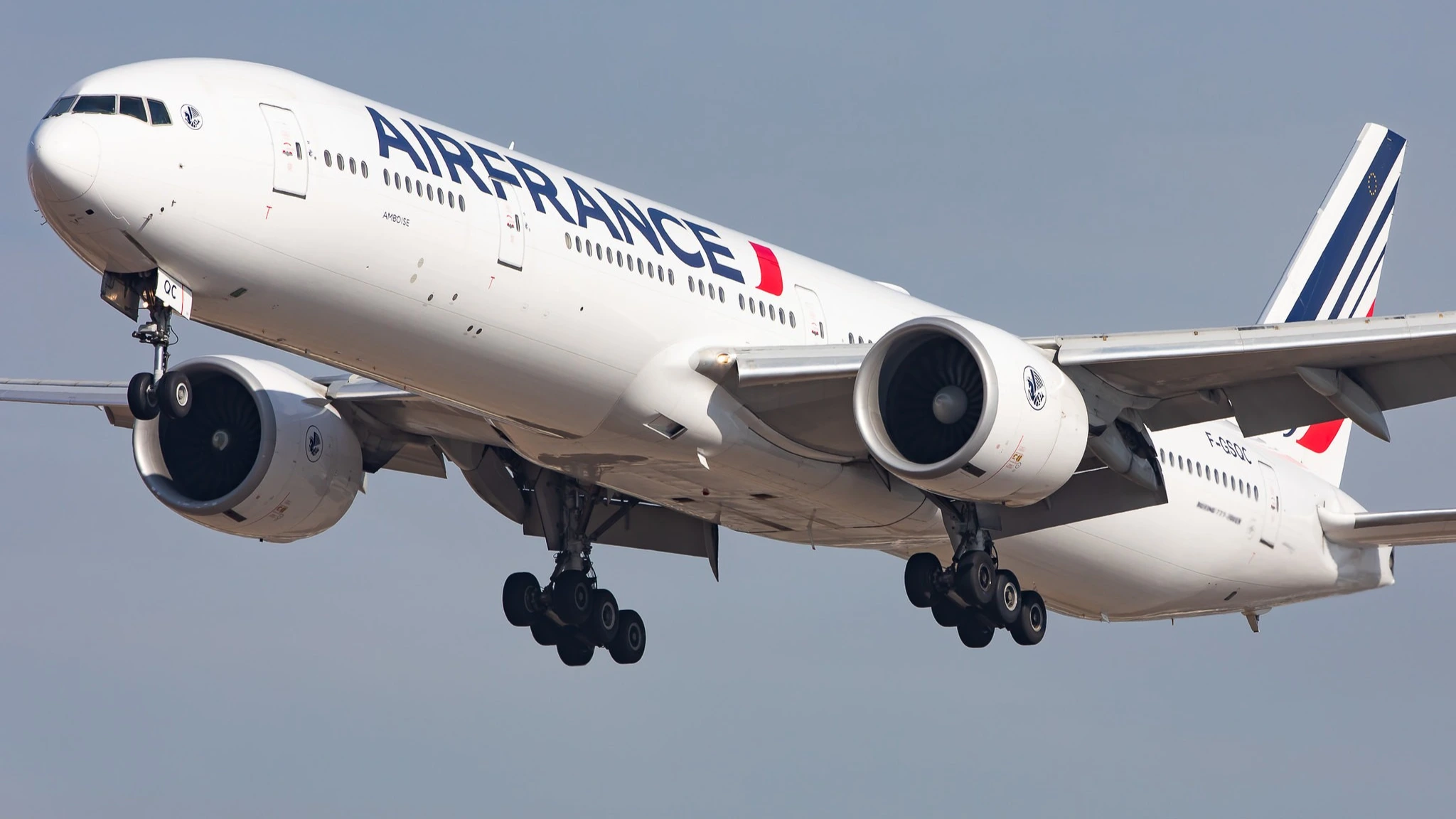
PARIS- Air France (AF) has increased flight capacity between Europe and Asia in response to shifting global air traffic patterns caused by geopolitical conflicts. Routes linking Paris Charles de Gaulle Airport (CDG) with Delhi (DEL), Mumbai (BOM), and Singapore (SIN) have seen temporary frequency and aircraft upgrades.
The airline’s move reflects reduced availability from Gulf carriers and longer flight paths due to restricted airspace over Russia and the Middle East, reshaping connectivity between Europe and Asia, the Air France CEO told Nikkei Asia in an Exclusive interview.
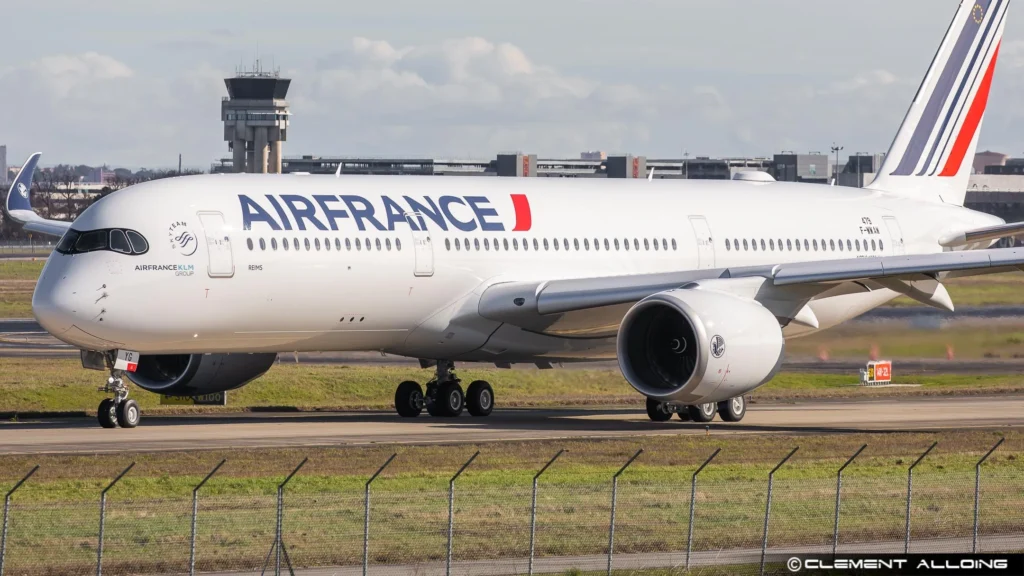
Air France Expands Flights to Asia
Air France has added 22 temporary flights since March 4 across key Asian routes, including Delhi (DEL), Mumbai (BOM), and Singapore (SIN). The airline has also deployed larger aircraft to increase seat capacity where demand has surged.
The shift comes as Gulf carriers reduce capacity, creating a gap in the Europe-Asia travel corridor. Air France has stepped in to capture this demand, particularly as traditional flight paths face operational constraints.
Flights between Europe and Asia are now navigating longer and more complex routes. Northern corridors avoid Russian airspace due to ongoing sanctions linked to the Ukraine conflict. Southern routes are being diverted around the Red Sea due to regional instability. These changes have increased congestion and extended flight durations.
Air France CEO Anne Rigail told Nikkei Asia that adapting to geopolitical disruptions has become a daily operational requirement. The airline is relying on network flexibility developed during the COVID-19 pandemic to respond quickly to changing conditions.
Operational Adaptation and Cost Pressures
Air France continues to adjust its network dynamically while managing rising operational costs. Fuel remains a critical concern, accounting for about 30 percent of total airline expenses.
To reduce exposure to fuel price volatility, the airline has hedged around 70 percent of its fuel requirements for the current and upcoming quarter. However, this strategy offers only partial protection against sustained increases in oil prices.
Some airlines have introduced higher fuel surcharges, but Air France is balancing cost control with competitive pricing as it expands capacity.

Strengthening Presence in the Japanese Market
Japan remains a priority market for Air France. The airline has restored near pre-pandemic capacity on the Paris (CDG) to Tokyo Haneda (HND) route, now operating 17 weekly flights following the addition of three extra services last year.
Passenger demand on this route remains balanced, with approximately 40 percent Japanese travelers and 60 percent international passengers, including French nationals.
To enhance its premium offering, Air France recently introduced an upgraded La Première first-class suite on the Tokyo route. The redesigned cabin features only four seats per aircraft, each offering 3.5 square meters of personal space, including a seat and a convertible flat bed.
The airline positions La Première as a flagship product, targeting high-value travelers. The service is also attracting customers who previously relied on private aviation, indicating a shift in premium travel preferences.

Premium Strategy and Market Positioning
Air France continues to invest in high-end products as part of its broader strategy to differentiate itself in competitive long-haul markets. The airline reports growing demand for premium leisure travel, with more than half of La Première passengers now traveling for personal reasons.
The focus on product quality, combined with flexible network management, allows Air France to respond effectively to both operational disruptions and evolving customer expectations.
Stay tuned with us. Further, follow us on social media for the latest updates.
Join us on Telegram Group for the Latest Aviation Updates. Subsequently, follow us on Google News
