

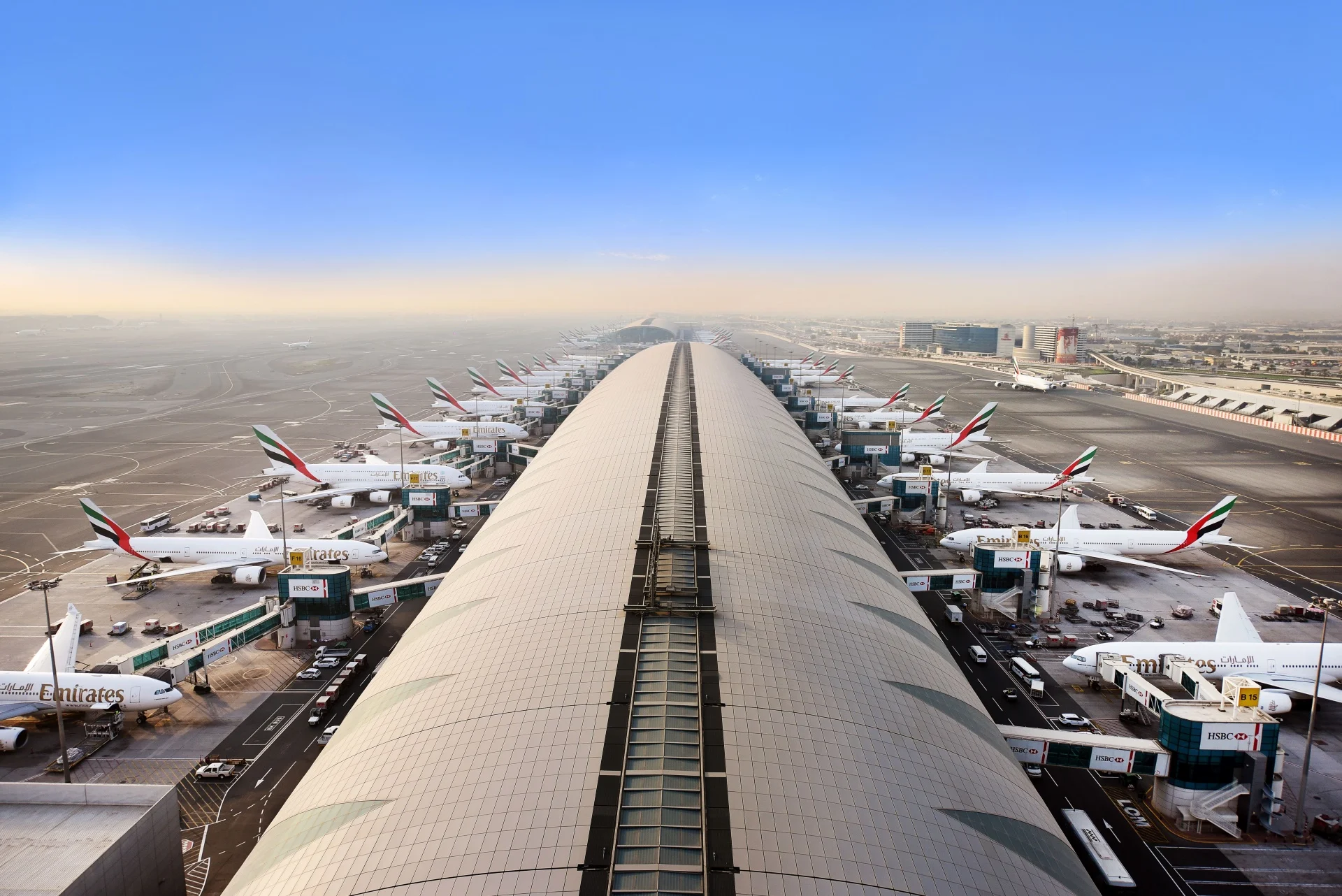
DUBAI— Two drones fell in the vicinity of Dubai International Airport (DXB) on March 11, leaving four people injured and raising fresh security concerns at the world’s busiest international aviation hub. Authorities confirmed that airport operations continued normally despite the incident.
The event occurred amid the ongoing regional crisis involving Iran, which has already triggered widespread airspace closures and flight disruptions across the Middle East. Major carriers, including Emirates (EK) and Etihad Airways (EY), continue to adjust operations as airlines navigate heightened security risks and restricted air corridors.
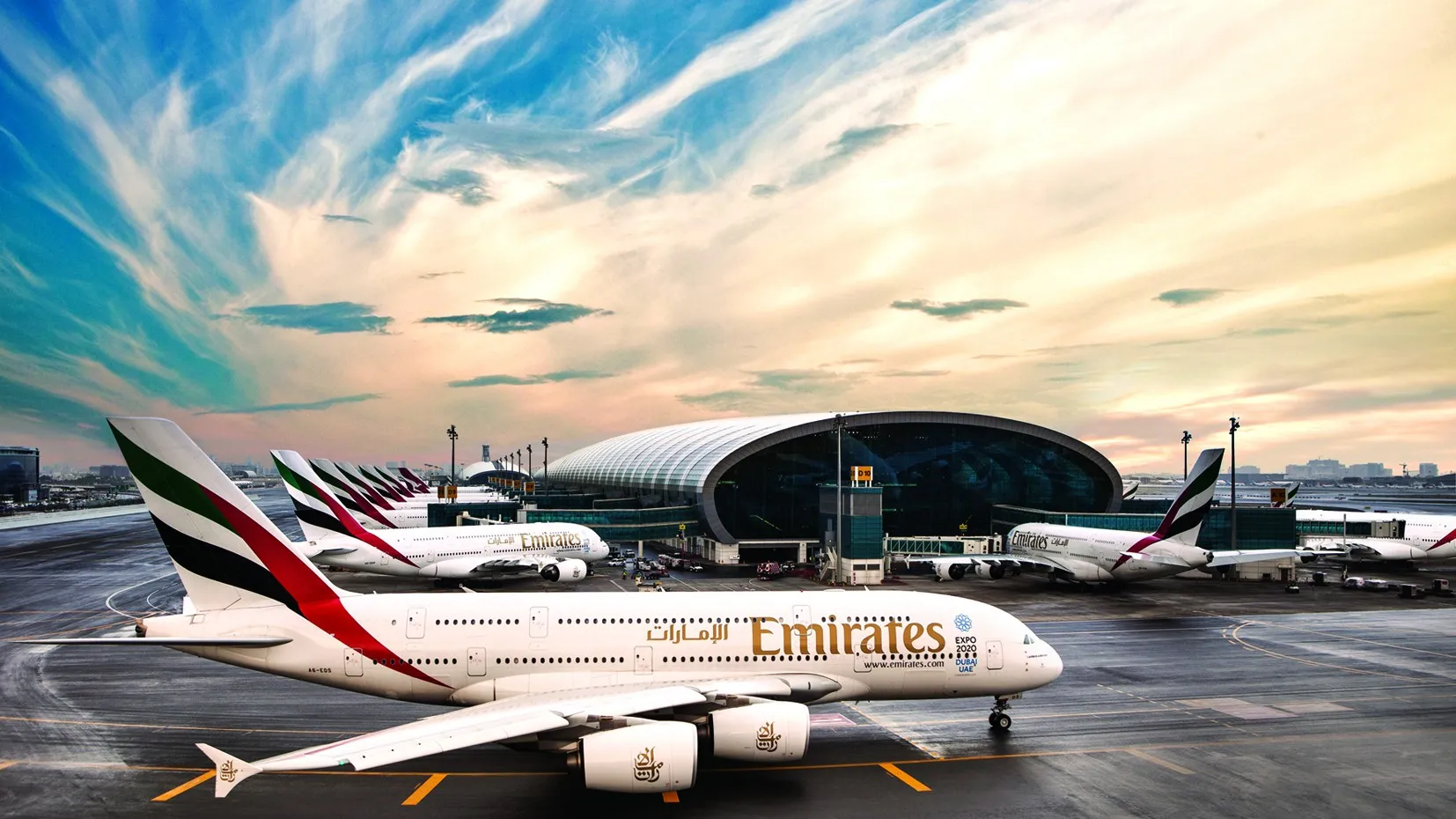
Drone Incident Near Dubai Airport
Authorities in Dubai confirmed that two drones came down near the airport earlier in the day. Emergency services responded quickly, and officials stated that the situation was brought under control within a short period.
Four individuals sustained injuries in the incident. Two Ghanaian nationals and one Bangladeshi national suffered minor injury, while an Indian national sustained moderate injury and received medical attention, according to Straits Times.
Despite the incident occurring near one of the busiest aviation hubs in the world, airport authorities confirmed that flight operations continued without interruption. Dubai International Airport handled close to 100 million passengers in 2025, maintaining its status as the world’s busiest airport for international travelers.
Aviation Disruption Middle East
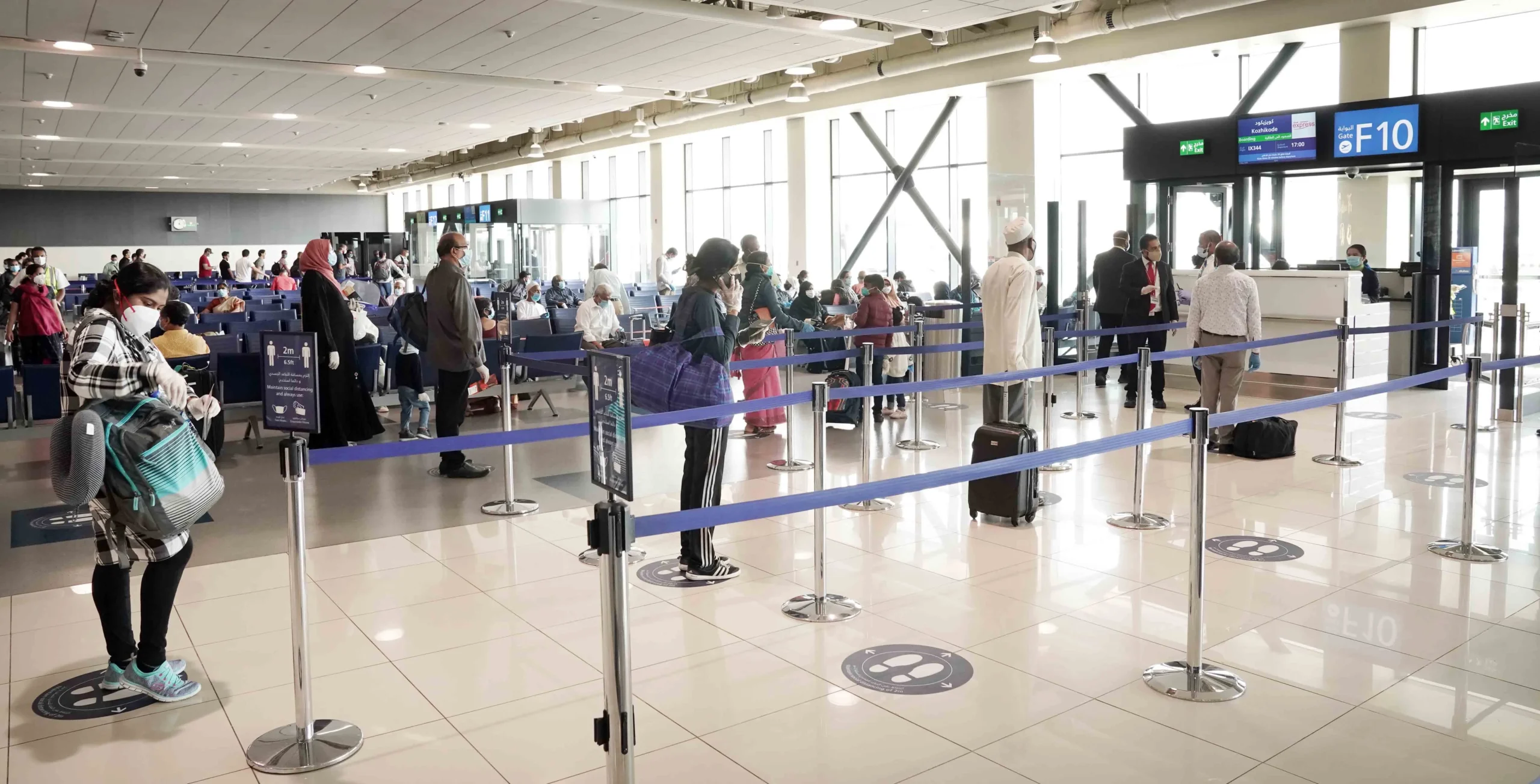
The drone incident reflects the growing impact of the regional conflict on global aviation. Since the beginning of hostilities in late February, multiple Gulf countries have closed or restricted their airspace due to concerns about missile and drone activity.
Airlines worldwide have been forced to cancel flights, reroute aircraft, or delay schedules to avoid potential threats across the region. These disruptions have affected key aviation corridors connecting Europe, Asia, and Africa.
UAE carriers have gradually resumed some services after temporary suspensions earlier in the crisis. However, airlines are still operating below normal capacity as they continue to monitor regional security developments.
The crisis has also triggered a rise in fuel prices and operational costs for airlines. Longer flight paths and rerouting around restricted airspace have increased fuel burn and travel times on several international routes.
Security Measures Aviation
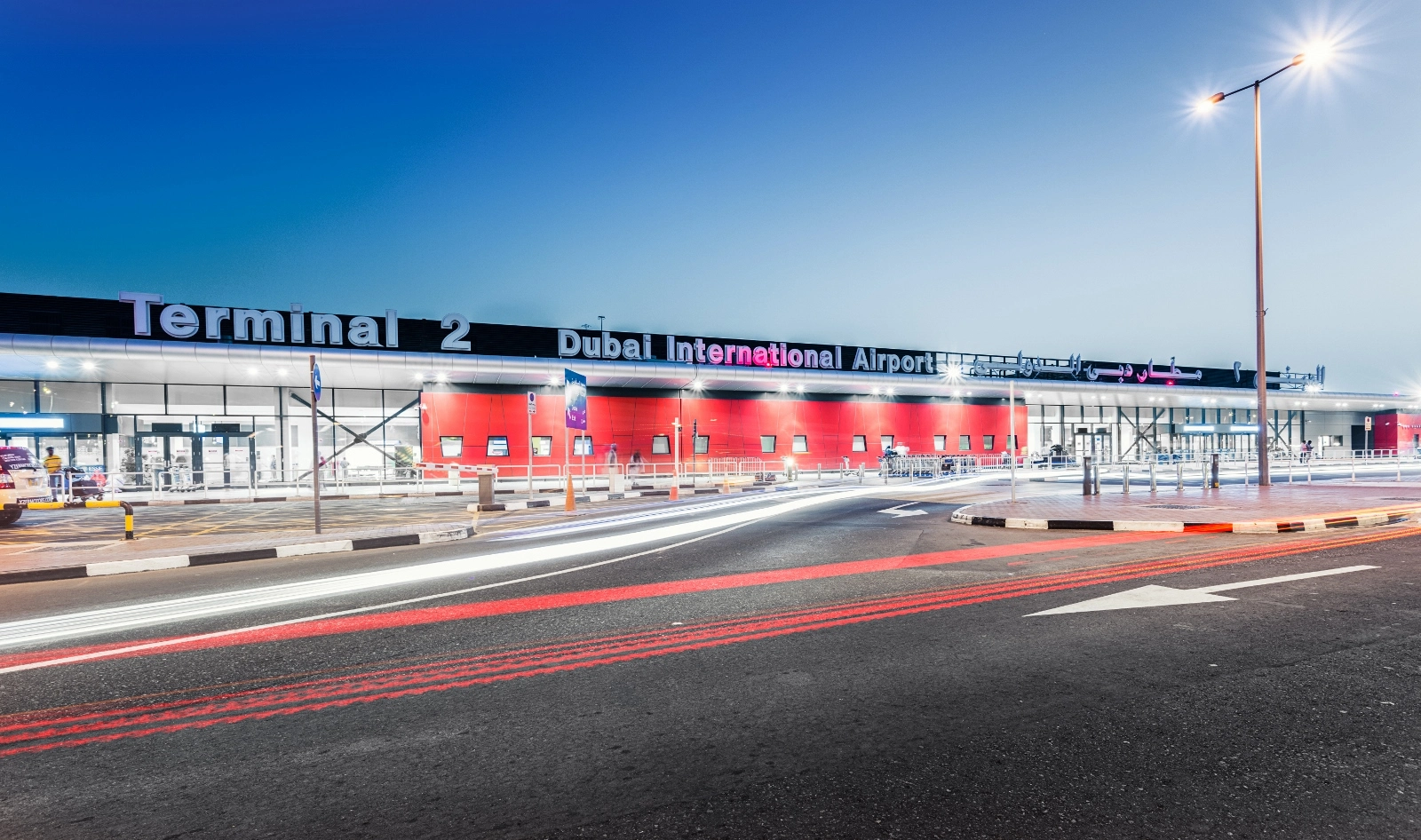
Authorities across the Gulf have increased security and surveillance measures at major airports and strategic infrastructure sites. The UAE’s defense systems have intercepted hundreds of drones since the start of the conflict, highlighting the scale of the threat.
Dubai International Airport remains a critical global aviation hub connecting passengers between continents. Maintaining uninterrupted operations is essential for both international travel and cargo movements.
Airlines operating from the airport are closely coordinating with aviation regulators and security agencies to ensure safe flight operations. Carriers continue to monitor real-time airspace conditions and adjust routes when necessary.
While the latest drone incident did not disrupt airport operations, it underscores the challenges facing aviation in the region. Industry experts expect airlines to remain cautious until the geopolitical situation stabilizes and regional airspace restrictions ease.
Stay tuned with us. Further, follow us on social media for the latest updates.
Join us on Telegram Group for the Latest Aviation Updates. Subsequently, follow us on Google News
