

Airfares in the United States can vary significantly depending on where a journey begins. Even within the same country, travellers may pay hundreds of dollars more simply because of the airports they depart from and arrive at.
Data from the Bureau of Transportation Statistics shows that certain large hubs consistently have higher average fares due to factors such as airline dominance, long-haul routes, strong business demand, and limited low-cost competition.
10 Most Expensive Airports to Fly from the US
The ranking below looks at the 10 most expensive airports to fly from in the United States. Nationally, the average domestic airfare in the U.S. was about $384 in 2025, indicating that several major airports significantly exceeded the national average.
While expensive fares are often frustrating for travellers, they typically occur at major international hubs where long-distance flights and high demand push prices upward.
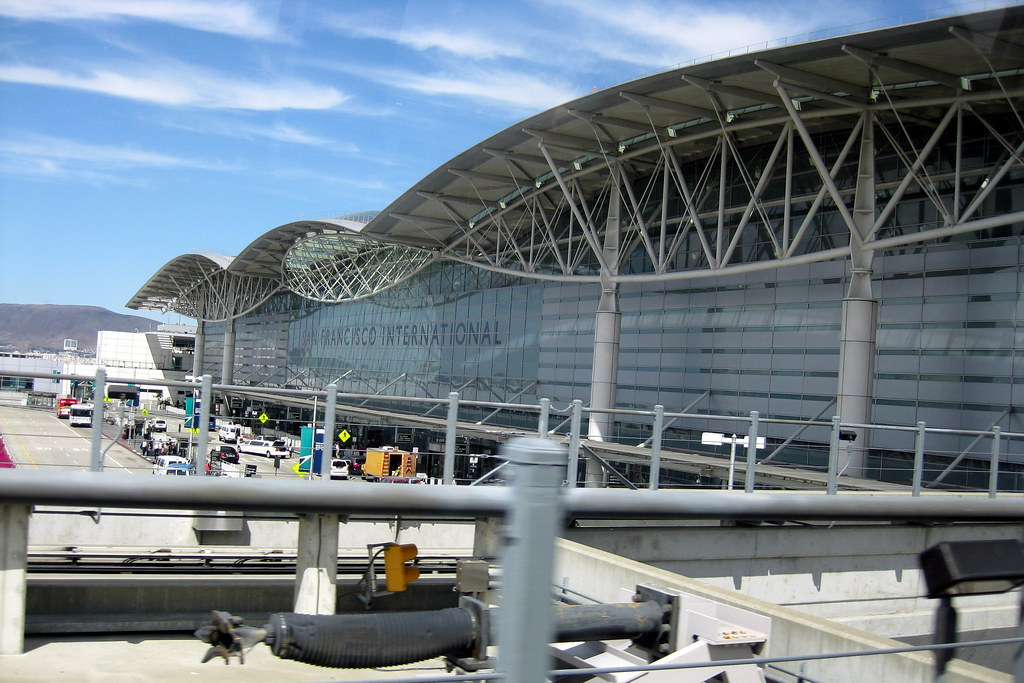
1. San Francisco (SFO) – $445.13
With an inflation-adjusted average fare of $445.13, San Francisco International Airport ranks as the most expensive major airport in the United States among the busiest hubs.
Located in the technology heartland of San Francisco, the airport serves a large number of business travellers, especially from Silicon Valley. These travellers often book last-minute tickets or premium cabin seats, which naturally raises the average fare across all passengers.
Another factor contributing to higher prices is SFO’s strong international connectivity. Many flights departing from the airport are long-haul services to Asia and Europe, which generally cost more than shorter domestic trips. Airlines operating at SFO also face higher operating costs, including airport fees and labour expenses typical of the Bay Area.
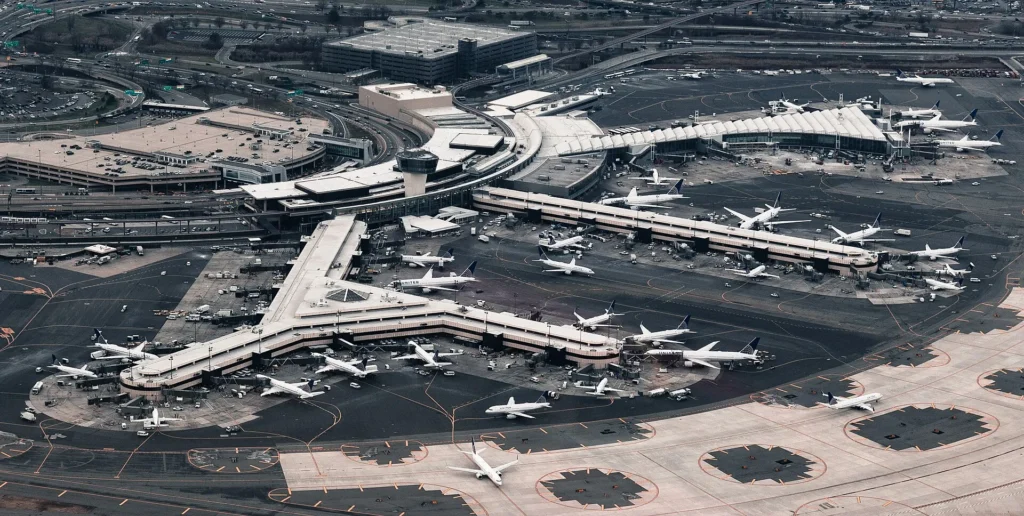
2. Newark (EWR) – $427.44
The second most expensive airport to fly from is Newark Liberty International Airport, with an inflation-adjusted average fare of $427.44.
Located in Newark and serving the wider New York metropolitan region, the airport handles millions of passengers each year. Newark is a major hub for international travel, especially flights across the Atlantic.
Part of the reason for higher fares is the heavy concentration of business travellers departing from the New York area. Corporate travel demand tends to push average ticket prices upward. Additionally, slot restrictions and airport congestion in the region often limit competition, which can keep fares elevated.
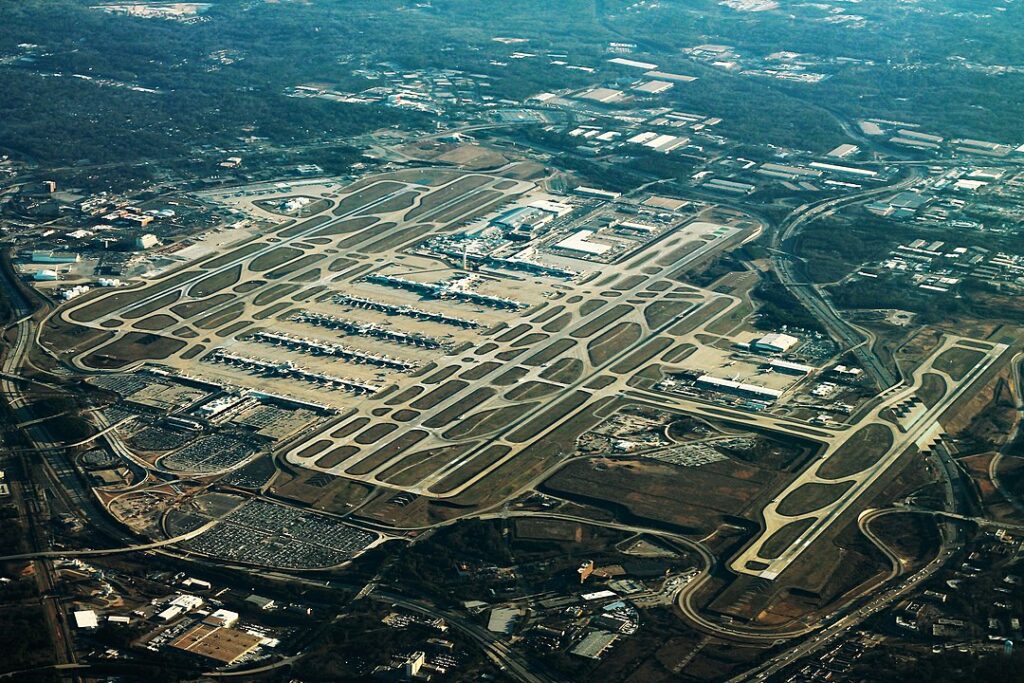
3. Atlanta (ATL) – $418.60
Hartsfield–Jackson Atlanta International Airport ranks third with an inflation-adjusted average fare of $418.60.
Based in Georgia, this airport has long been known as the busiest airport in the world by passenger traffic. Its enormous network of domestic and international routes makes it one of the most important aviation hubs globally.
A key reason fares remain relatively high is the dominance of major full-service airlines operating large hub networks at Atlanta. When one airline controls a large portion of flights at a hub, pricing competition may be lower compared to airports where multiple carriers compete aggressively.
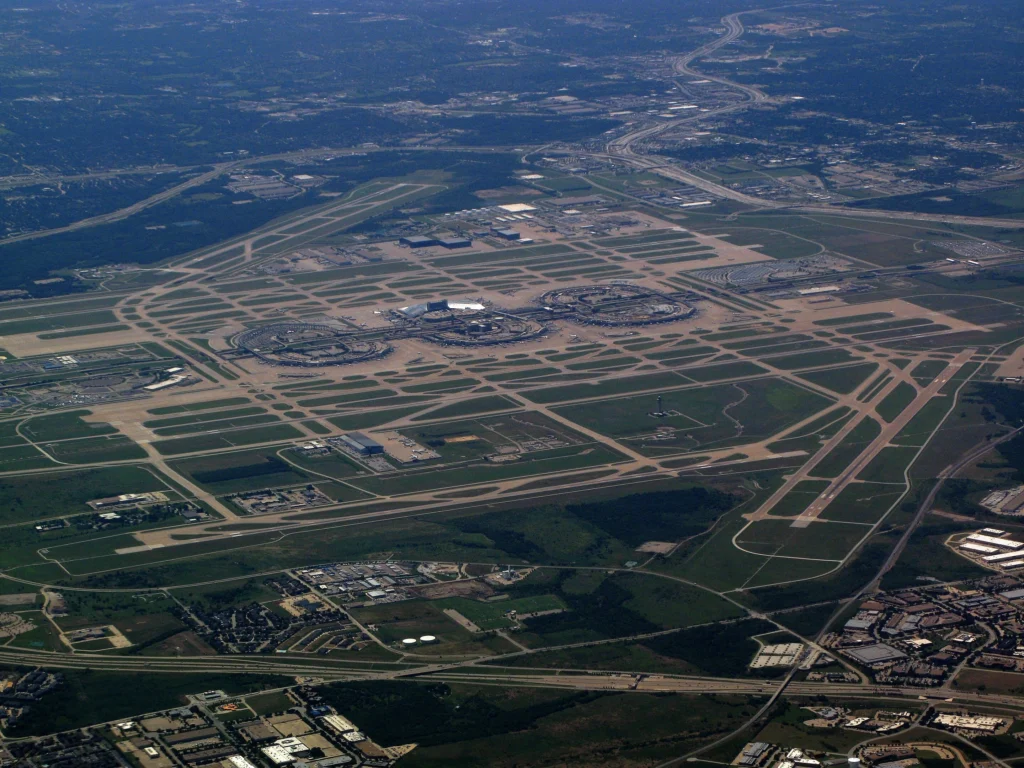
4. Dallas–Fort Worth (DFW) – $418.34
With an inflation-adjusted average fare of $418.34, Dallas/Fort Worth International Airport ranks fourth.
Serving both Dallas and Fort Worth, DFW is one of the largest aviation hubs in North America. The airport’s extensive domestic network and strong international links make it a vital gateway between the United States and Latin America.
High passenger volumes combined with a hub-focused airline structure can keep fares elevated compared with smaller airports. However, the airport also offers a huge range of destinations, making it one of the most convenient starting points for travel across the Americas.
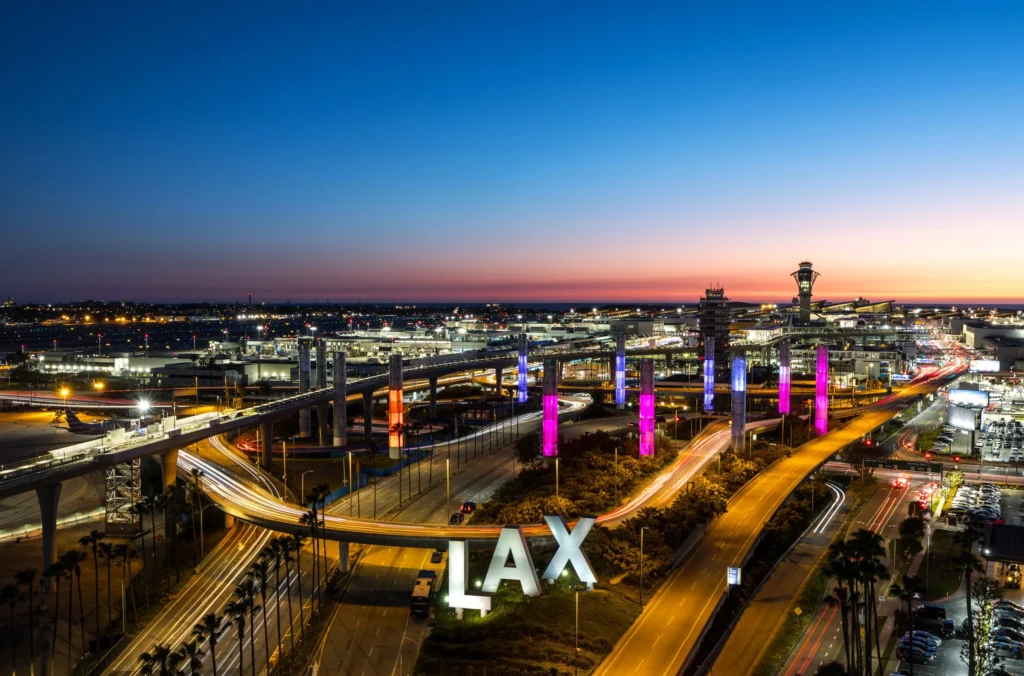
5. Los Angeles (LAX) – $413.68
Next on the list is Los Angeles International Airport, where the inflation-adjusted average fare stands at $413.68.
Situated in Los Angeles, LAX is one of the world’s most important international aviation gateways. Flights from this airport connect passengers to Asia, Europe, Latin America, and Oceania.
The mix of long-haul international routes, high airport demand, and operational costs in Southern California contributes to higher fares overall. Additionally, many travellers departing from LAX fly long distances across the Pacific, which significantly raises the airport’s average ticket price.
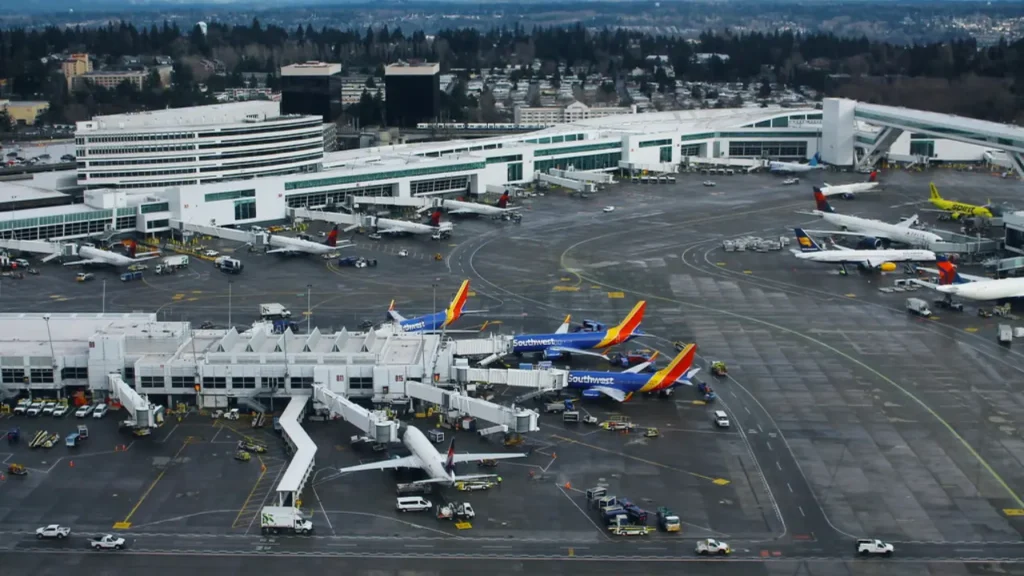
6. Seattle (SEA) – $400.25
Seattle–Tacoma International Airport ranks sixth with an inflation-adjusted average fare of $400.25.
Located near Seattle, the airport serves as a key gateway between North America and Asia. The Pacific Northwest’s strong technology sector also means a steady stream of business travellers departing from Seattle.
Long-distance international routes contribute to higher average fares, especially flights to destinations across the Pacific. As a result, even domestic averages at SEA remain higher than many other airports.
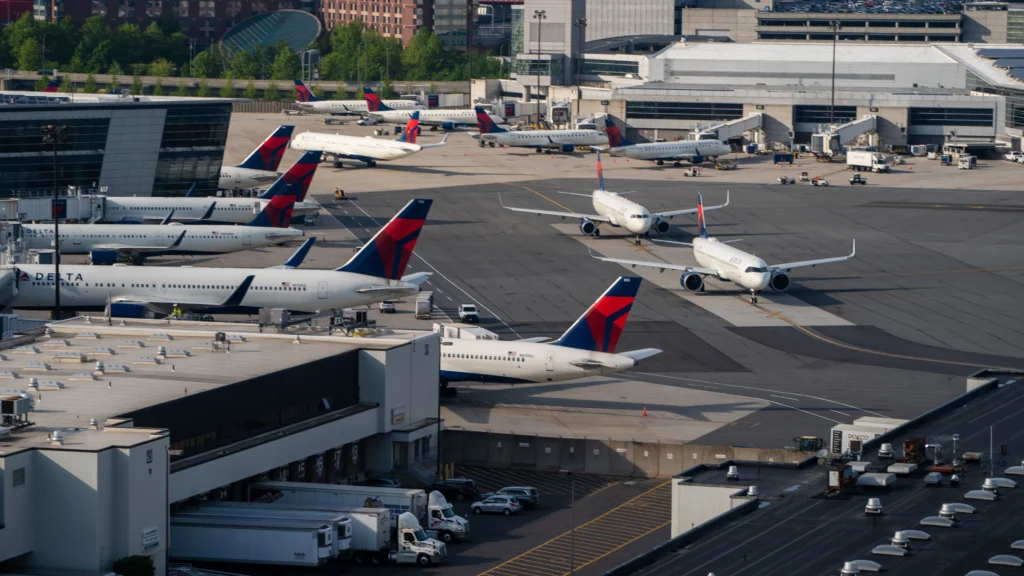
7. Boston (BOS) – $377.15
With an inflation-adjusted average fare of $377.15, Boston Logan International Airport ranks seventh.
Based in Boston, Logan Airport serves as the main aviation hub for Massachusetts. The airport has strong links to Europe, which increases the proportion of long-haul flights departing from the airport.
The combination of international routes, business travel and relatively high regional living costs can drive average ticket prices upward.
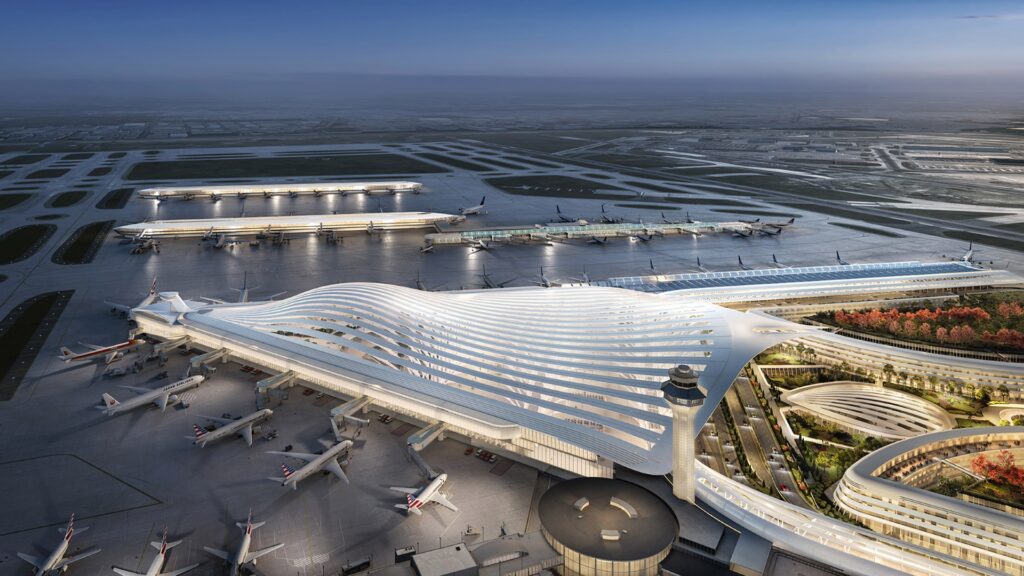
8. Chicago O’Hare (ORD) – $371.91
O’Hare International Airport ranks eighth with an inflation-adjusted average fare of $371.91.
Located in Chicago, O’Hare is one of the most important aviation hubs in the United States. It connects the Midwest to destinations across North America, Europe and Asia.
High traffic volumes and a strong international network influence pricing levels, though competition among airlines at O’Hare helps keep fares somewhat lower than some other major hubs.
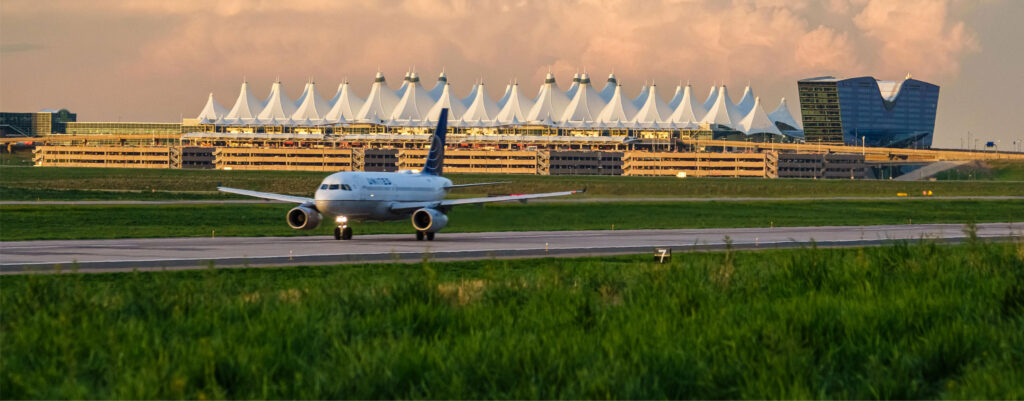
9. Denver (DEN) – $363.47
Denver International Airport ranks ninth with an inflation-adjusted average fare of $363.47.
Located in Denver, the airport is a major hub for flights across the United States. Its geographic position in the centre of the country makes it ideal for connecting flights.
While Denver sees strong competition among airlines, the airport’s large hub operations and long-distance routes can still keep fares relatively high.
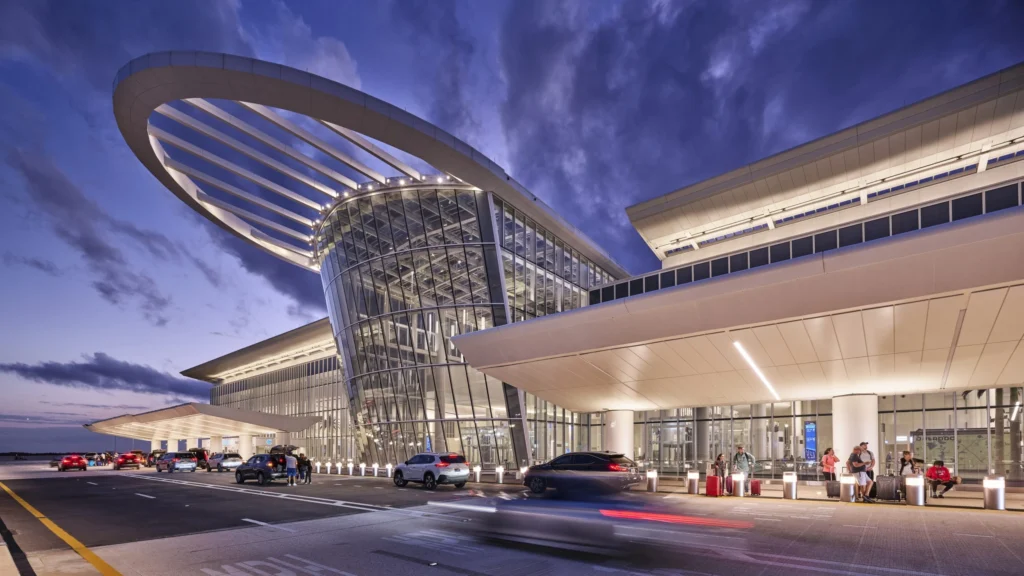
10. Orlando (MCO) – $284.54
Rounding out the list is Orlando International Airport with an inflation-adjusted average fare of $284.54.
Based in Orlando, the airport serves millions of tourists visiting Florida’s theme parks and resorts. Despite its inclusion in the top ten, Orlando actually has a relatively low average fare compared with the other airports on this list.
The presence of low-cost airlines and intense competition among carriers helps keep fares lower than many other major U.S. hubs.
Bottom Line
The cost of air travel in the United States can vary dramatically depending on which airport passengers depart from.
According to data from the Bureau of Transportation Statistics, large international hubs have the highest average fares because they handle more long-distance flights and high-yield business travellers.
While expensive airports may frustrate travellers looking for cheap tickets, they often offer the widest range of destinations and the best global connectivity. In many cases, passengers pay a premium for convenience, frequent flights, and access to international routes.
For travellers hoping to reduce costs, flexibility can make a big difference. Flying from nearby secondary airports, booking early, or choosing low-cost carriers can significantly lower ticket prices.
Most Expensive Airports in the US FAQs
Airports with a high share of international flights, strong business travel demand, or limited airline competition often have higher average fares. Operational costs and airline hub dominance can also influence ticket prices.
Not necessarily. Average fare data includes both cheap and expensive tickets. Travellers can still find deals by booking early, flying mid-week, or using low-cost airlines.
The average domestic airfare in the U.S. was about $384 in 2025, according to government data, although prices vary widely depending on distance, airline, and departure airport.
Stay tuned with us. Further, follow us on social media for the latest updates.
Join us on Telegram Group for the Latest Aviation Updates. Subsequently, follow us on Google News
