

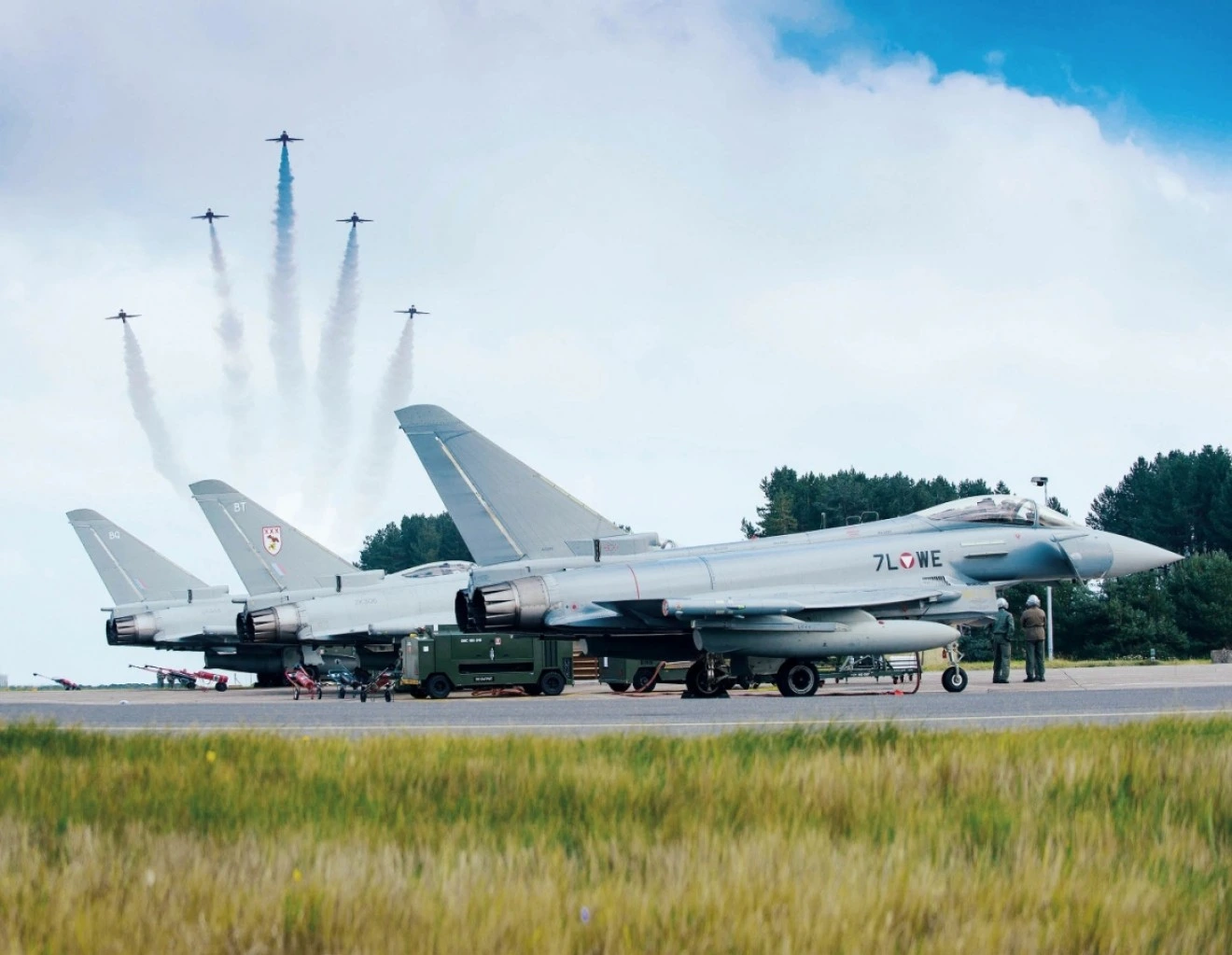
The Eurofighter Typhoon has remained one of the most advanced swing-role combat aircraft in service, and its continued modernization has drawn attention from competitors in the global defense market. Developed by a European consortium, the aircraft has steadily expanded its capabilities while maintaining strong operational demand among NATO and allied air forces.
The growing presence of the Typhoon also places pressure on the manufacturer of the F-35 Lightning II, Lockheed Martin. While the American stealth fighter dominates fifth-generation sales worldwide, the Typhoon offers a different operational approach that appeals to nations seeking performance, flexibility, and industrial collaboration.
Eurofighter Typhoon’s Capabilities
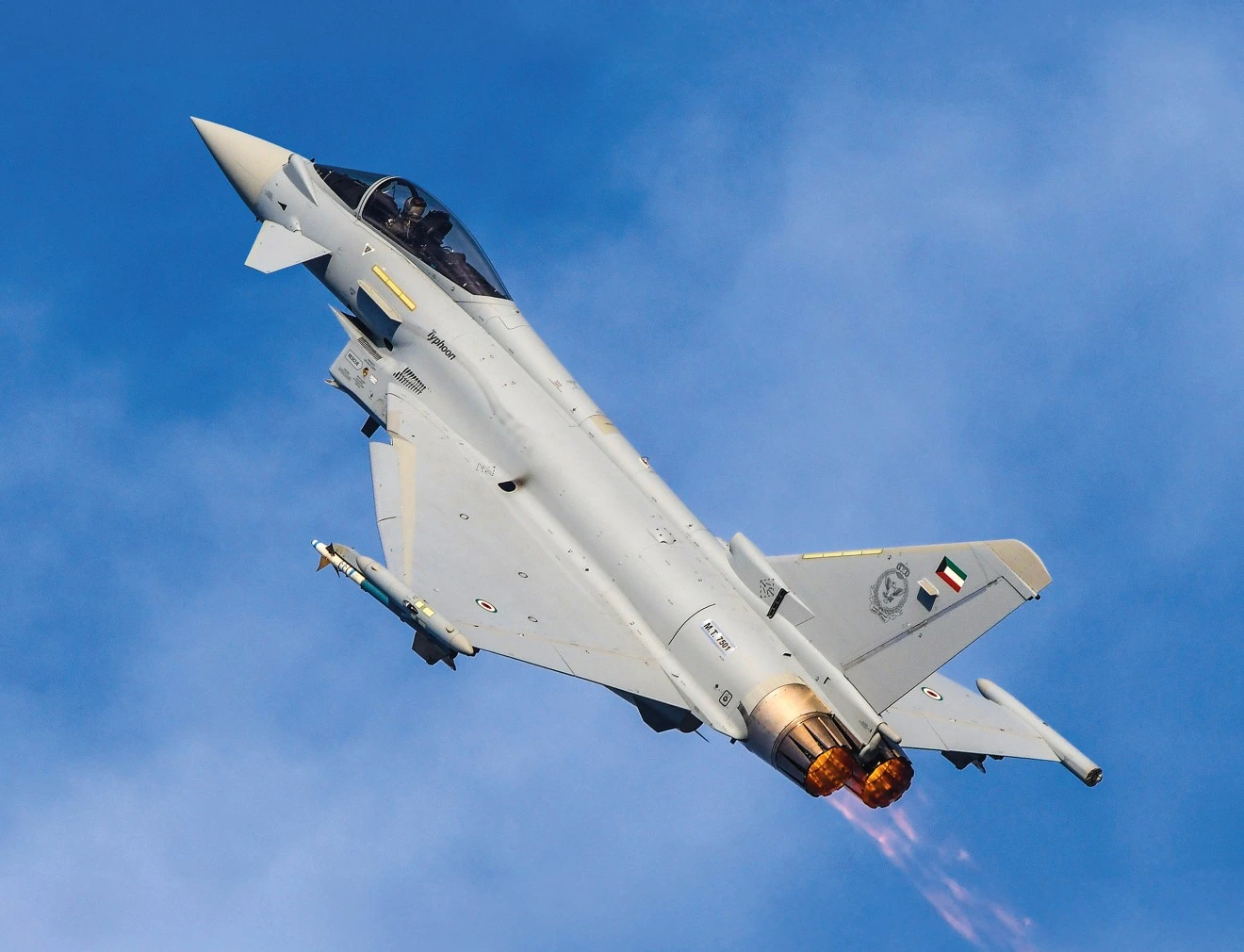
The Eurofighter Typhoon is a twin-engine, canard-delta wing aircraft designed for swing-role missions. This design allows the jet to switch quickly between air superiority and ground attack tasks during a single mission.
Its aerodynamic structure gives the aircraft exceptional maneuverability and high-speed performance. The Typhoon can reach speeds above Mach 2 and maintain supersonic flight without afterburners through a capability known as supercruise.
Modern upgrades have further strengthened the aircraft’s combat effectiveness. The Captor-E AESA radar improves target detection, while integration with the Meteor long-range air-to-air missile significantly enhances engagement range.
Digital cockpit updates and advanced avionics also support pilots with improved situational awareness. These upgrades ensure the Typhoon remains competitive even decades after its initial development.
The Typhoon’s sustained export success and technological upgrades show that fourth-generation platforms can still compete in the modern fighter market.

F-35 vs Typhoon: Cost And Strategy
Operational cost plays a major role in global fighter procurement decisions. While the F-35 introduces advanced stealth and sensor fusion, it also carries higher lifetime maintenance and operating expenses.
According to Simple Flying, the Typhoon offers an alternative model for countries balancing capability with budget constraints.
Lower operating costs and established maintenance systems can make the aircraft more attractive for nations that want advanced fighters without committing fully to the F-35 ecosystem.
Eurofighter Typhoon vs F-35 Specifications
| Specification | Eurofighter Typhoon | F-35 Lightning II |
|---|---|---|
| Manufacturer | Eurofighter Consortium | Lockheed Martin |
| First Flight | 1994 | 2006 |
| Aircraft Type | Swing-role multirole fighter | Fifth-generation stealth multirole fighter |
| Engines | 2 × Eurojet EJ200 turbofan | 1 × Pratt & Whitney F135 |
| Maximum Speed | Mach 2.0+ | Mach 1.6 |
| Combat Radius | ~1,390 km | ~1,100 km |
| Ferry Range | ~2,900 km | ~2,200 km |
| Service Ceiling | ~55,000 ft | ~50,000 ft |
| Stealth Capability | Reduced radar signature | Full stealth design |
| Radar | Captor-E AESA radar | AN/APG-81 AESA radar |
| Primary Strength | Agility and air superiority | Stealth and sensor fusion |
| Unit Cost | ~ $120 million (Tranche 4) | ~ $80 million (F-35A) |
| Operating Cost / Hour | ~ $18,000 – $20,000 | ~ $35,000+ |
| Operators | UK, Germany, Italy, Spain, Saudi Arabia, Qatar, Kuwait | USA, UK, Japan, Israel, Italy, Norway and others |
Another factor is political independence. Some governments prefer a defense platform that allows them to maintain flexibility in procurement, upgrades, and weapons integration without relying entirely on a single supplier.
The Eurofighter program also distributes industrial benefits among partner nations. The United Kingdom, Germany, Italy, and Spain share production responsibilities, which helps sustain thousands of aerospace jobs across Europe.
Global Fighter Competition
The international fighter jet market has become highly competitive in recent years. The F-35 continues to dominate fifth-generation sales, while other advanced fighters compete for strategic export markets.
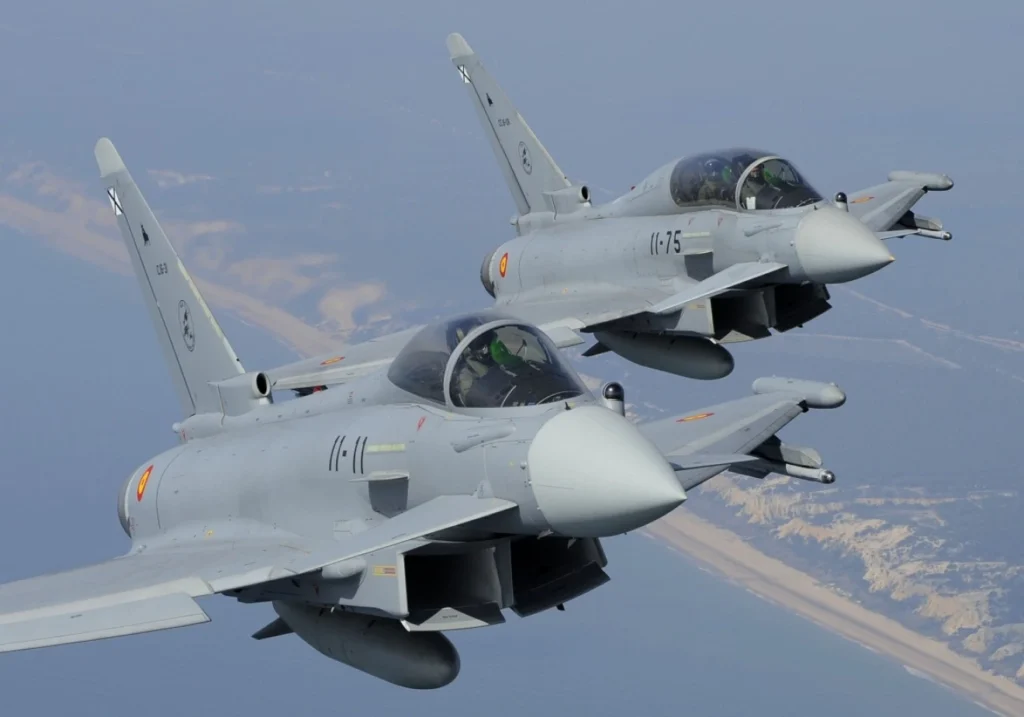
Aircraft such as the Dassault Rafale and the Eurofighter Typhoon have secured several contracts across the Middle East and Europe. These deals demonstrate that many air forces still value high-performance multirole fighters that do not rely entirely on stealth technology.
The Typhoon’s operational history also strengthens its reputation. Since entering service in the early 2000s, it has performed air policing missions across NATO territories and participated in combat operations in the Middle East and North Africa.
Despite these strengths, the aircraft does face limitations. The Typhoon does not feature full stealth design, which remains a core advantage of the F-35 for missions requiring deep penetration into heavily defended airspace.
However, the Typhoon continues to evolve through incremental upgrades and advanced radar systems. This steady modernization ensures the aircraft remains relevant in global airpower discussions.
As countries evaluate future fighter purchases, many choose a mixed fleet strategy. Several NATO nations operate both the F-35 and the Typhoon, combining stealth capabilities with high-performance air superiority aircraft.
This approach shows that the Typhoon does not need to replace the F-35 to remain influential. Instead, its continued upgrades and export success ensure it remains one of the most significant competitors in the modern fighter aircraft market.
Stay tuned with us. Further, follow us on social media for the latest updates.
Join us on Telegram Group for the Latest Aviation Updates. Subsequently, follow us on Google News
