


KUALA LUMPUR— A renewed search effort for the missing Malaysia Airlines (MH) flight MH370 has concluded without discovering the aircraft’s wreckage. The operation focused on a newly identified area of the seabed and was carried out by marine robotics company Ocean Infinity under a government agreement.
The aircraft departed from Kuala Lumpur International Airport (KUL) in Kuala Lumpur and was scheduled to land at Beijing Capital International Airport (PEK) in Beijing. Twelve years after the disappearance of the Boeing 777 carrying 239 passengers and crew, investigators still have no confirmed location for the wreckage.
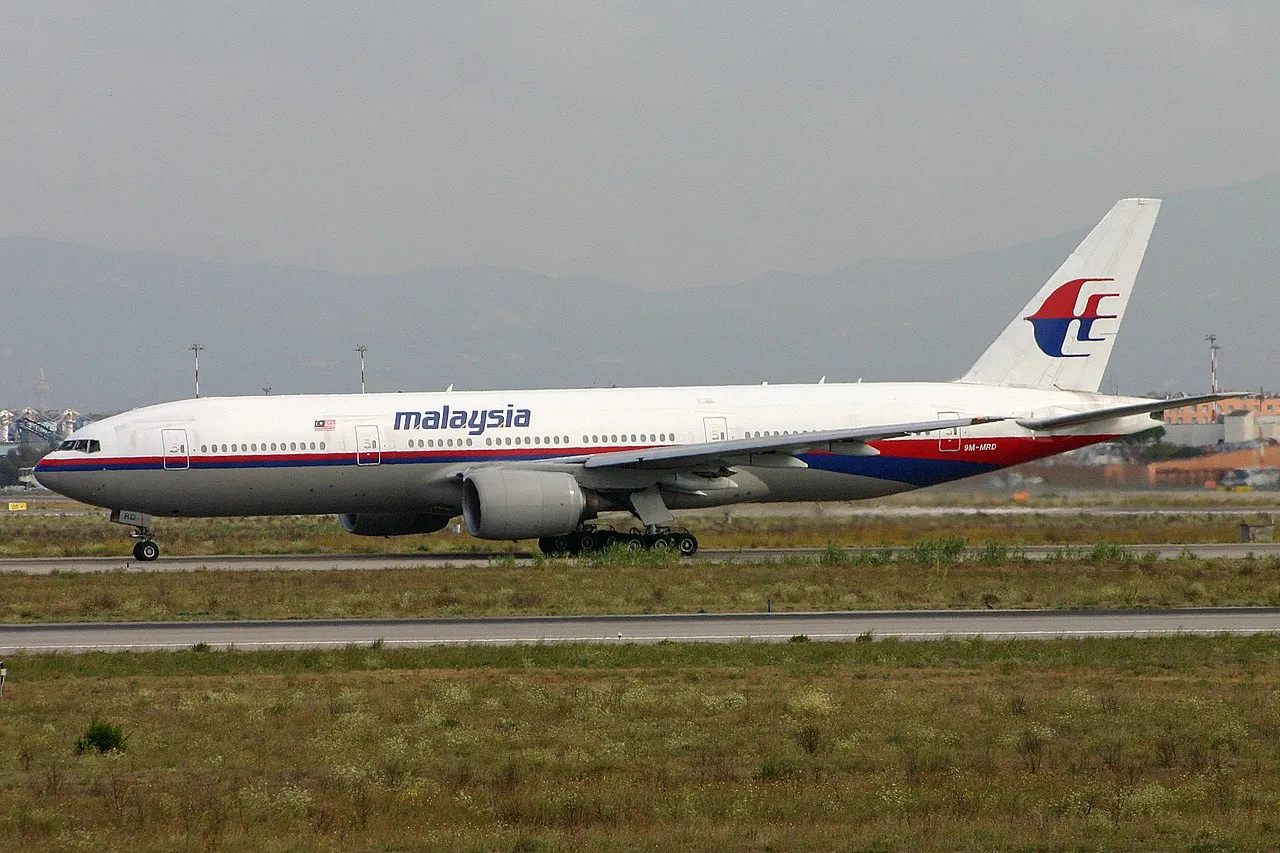
Latest MH370 Search
The Malaysian Transport Ministry confirmed that the latest mission surveyed more than 7,500 square kilometers of seabed in the southern Indian Ocean.
The search formed part of a broader plan targeting a 15,000 square kilometer zone believed to hold potential clues to the aircraft’s location.
Authorities engaged Ocean Infinity to search for a “no find, no fee” contract. Under this arrangement, the company would receive payment only if the aircraft wreckage was successfully located.
The search unfolded in two operational phases. The first phase ran from March 25 to March 28, 2025, while the second phase took place between December 31, 2025, and January 23, 2026.
Across both phases, teams completed 28 operational search days. During this period, autonomous underwater systems mapped roughly 7,571 square kilometers of seabed within the designated search zone.
Officials noted that Ocean Infinity also performed additional survey work in the surrounding region before the formal contract began. These early surveys aimed to refine the search strategy and improve accuracy.
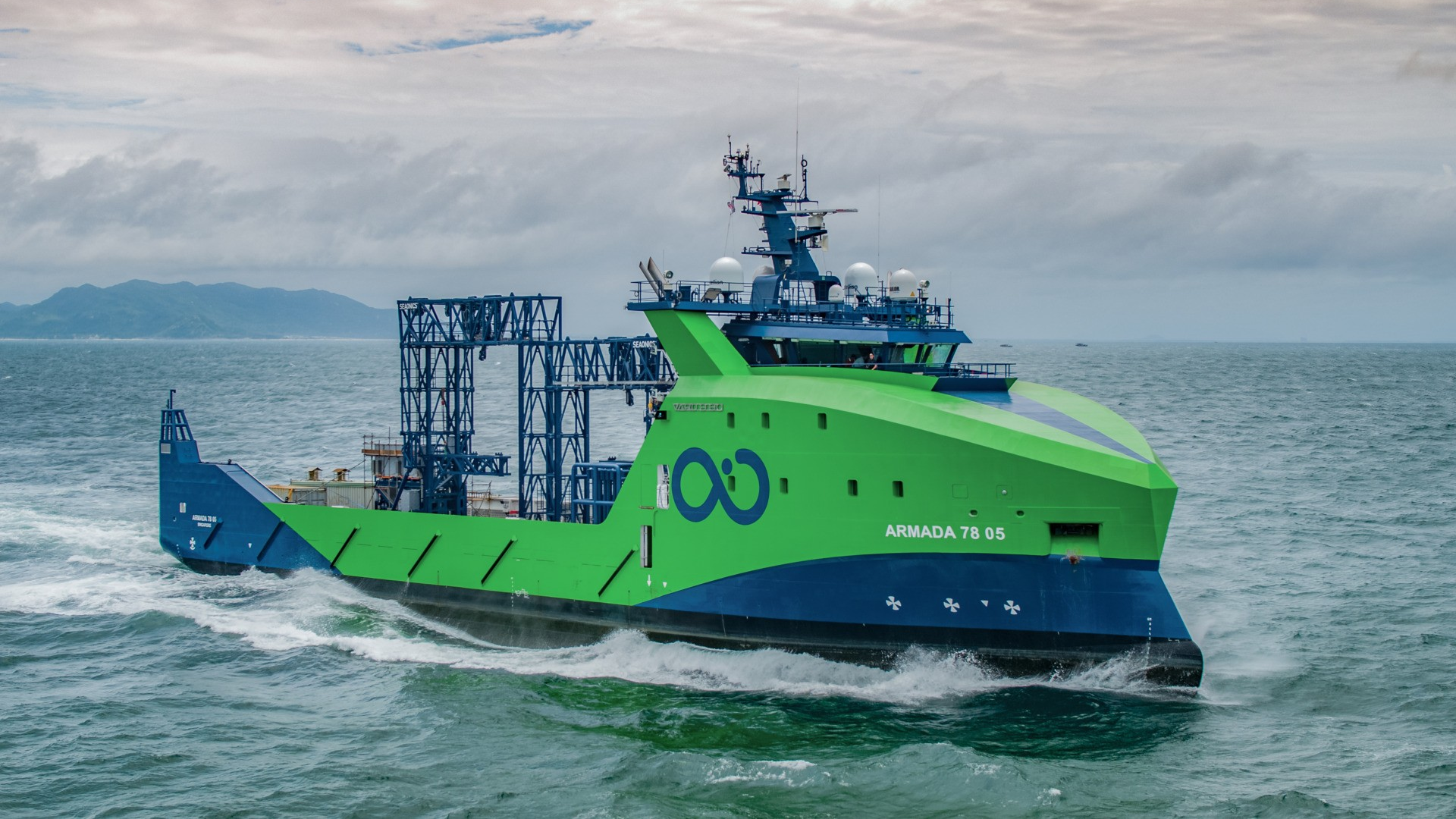
Search Challenges of the MH370
Despite extensive scanning, investigators found no confirmed debris or evidence of the missing aircraft. Officials stated that none of the collected data identified the location of the wreckage.
Weather and sea conditions created intermittent disruptions during the mission. The southern Indian Ocean is known for harsh marine environments, which often complicate underwater search operations.
Rough seas, strong currents, and limited weather windows slowed the pace of deployment for underwater robotic systems. These conditions reduced operational time and affected the overall search schedule.
According to The Star, the second phase of the mission officially ended on January 23, 2026. Authorities later confirmed that the completed search activities did not produce any findings linked to the aircraft.
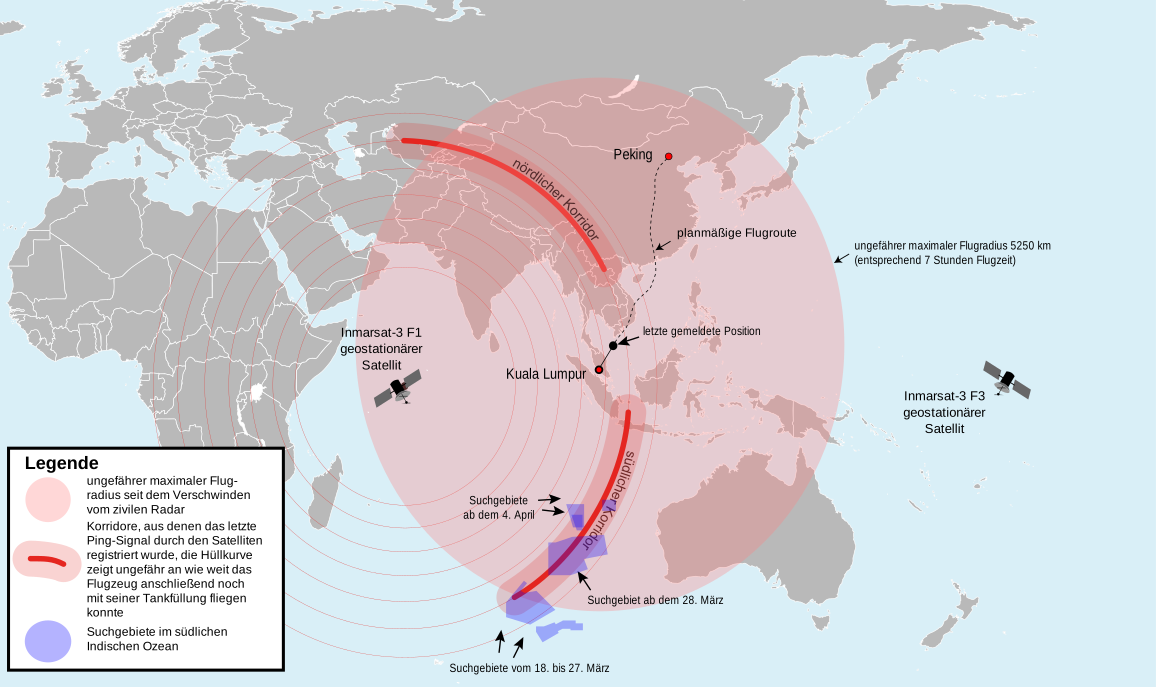
MH370 Disappearance
Malaysia Airlines flight MH370 disappeared on March 8, 2014, less than an hour after takeoff from Kuala Lumpur. The aircraft was flying toward Beijing when it lost contact with air traffic control.
Investigators later determined that the plane deviated from its planned route and likely continued flying for several hours before crashing somewhere in the southern Indian Ocean.
The disappearance triggered one of the largest aviation search operations in history. Multiple countries, including Malaysia, Australia, and China, participated in earlier search missions covering vast ocean areas.
Over the years, investigators recovered several pieces of debris believed to belong to the aircraft along coastlines in the western Indian Ocean. However, the main wreckage of the Boeing 777 has never been located.
Malaysian authorities stated they remain committed to keeping the families of those on board informed about future developments. Officials also indicated that updates will be provided if new search initiatives are launched.
Stay tuned with us. Further, follow us on social media for the latest updates.
Join us on Telegram Group for the Latest Aviation Updates. Subsequently, follow us on Google News
