


Moving to Europe is a dream for many people, but rising living costs often make the idea feel unrealistic. However, several countries and local communities across Europe now offer financial incentives to attract new residents, especially to rural areas facing population decline.
These incentives can include renovation grants, relocation bonuses, tax reductions, and subsidized housing. While headlines sometimes suggest that entire countries will “pay you” to move there, the reality is slightly different and often tied to regional or local programs.
Before exploring the options, it is important to understand how these incentives work. In most cases, the benefits come with conditions such as buying or renovating property, registering as a local resident, or committing to live there for several years.
Another key point is that these programs rarely guarantee residency. Immigration policies remain under national governments, so participants usually still need to qualify for a visa or residency permit separately.
Despite these conditions, several European regions still provide meaningful financial support for newcomers. If you are willing to relocate to smaller towns or less populated areas, these programs can significantly reduce the cost of moving abroad.
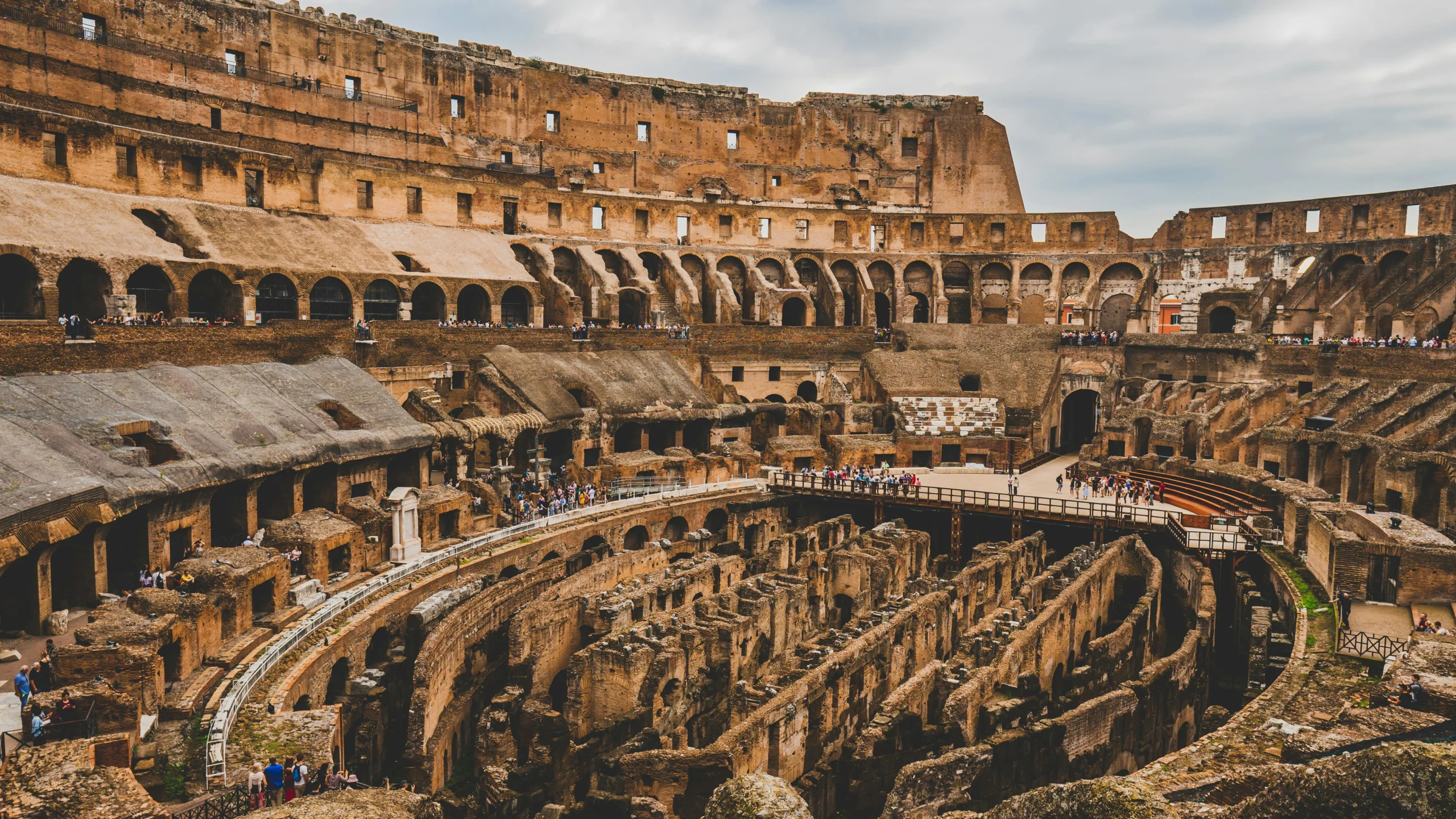
1. Italy
Italy frequently appears in global headlines because of its famous €1 home initiatives in small towns struggling with population decline. These programs allow buyers to purchase abandoned homes for symbolic prices, but they usually require renovation within a specific timeframe.
Local governments often ask buyers to place a deposit and submit renovation plans before completing the purchase. The goal is not simply to sell cheap property but to restore historic buildings and revive local communities.
Beyond the €1 home projects, some regions offer significant financial grants to attract long-term residents. For example, the northern region of Trentino has offered funding of up to €100,000 to help cover the purchase and renovation of properties.
In Tuscany, the historic town of Radicondoli has introduced grants and housing subsidies for new residents. However, applicants must commit to living in the property for at least a decade.
Italy also offers an appealing tax benefit for certain newcomers. Residents who settle in designated southern municipalities can qualify for a reduced flat tax rate of 7% on certain income for up to ten years.

2. Spain
Spain also runs several regional programs aimed at bringing people back to rural towns. Many of these communities offer financial incentives such as relocation bonuses, discounted land, or housing support.
One example is the small municipality of Ponga in the Asturias region. The town has offered cash payments of around €3,000 to new residents who commit to living there permanently.
Another initiative targets digital professionals. Spain’s Extremadura region has introduced grants that can reach €15,000 for remote workers willing to relocate and contribute to the local economy.
Spain also provides a well-known tax incentive for foreign professionals. Often referred to as the “Beckham Law,” this policy allows qualifying expatriates to pay a reduced flat tax rate on certain employment income for a limited period.

3. Ireland
Ireland faces a significant housing shortage, but the government has introduced programs aimed at revitalizing empty properties across the country. One of the most notable initiatives offers financial assistance to renovate vacant or derelict homes.
Under this scheme, homeowners can receive up to €70,000 to restore unused properties and make them livable again. In remote island communities, the available funding can reach €84,000.
The funding must be used specifically for refurbishment projects rather than personal spending. Participants also need to own the property and use it as their primary residence or rent it out once renovations are completed.
This program aims to tackle both housing shortages and rural population decline at the same time.

4. Greece
Some of Greece’s smallest islands have launched creative incentives to attract residents and essential workers. These programs typically combine housing support with monthly financial assistance.
One of the most widely discussed examples is the island of Antikythera. Local authorities have offered participants a house, land, and a monthly stipend of €500 for up to five years.
Greece also operates a national program that supports relocation to areas experiencing population decline. In certain cases, participants can receive grants of up to €10,000.
Many of these benefits target essential workers such as teachers, doctors, and healthcare staff. In addition, Greece offers a reduced 7% flat tax rate for qualifying new residents for up to 15 years.
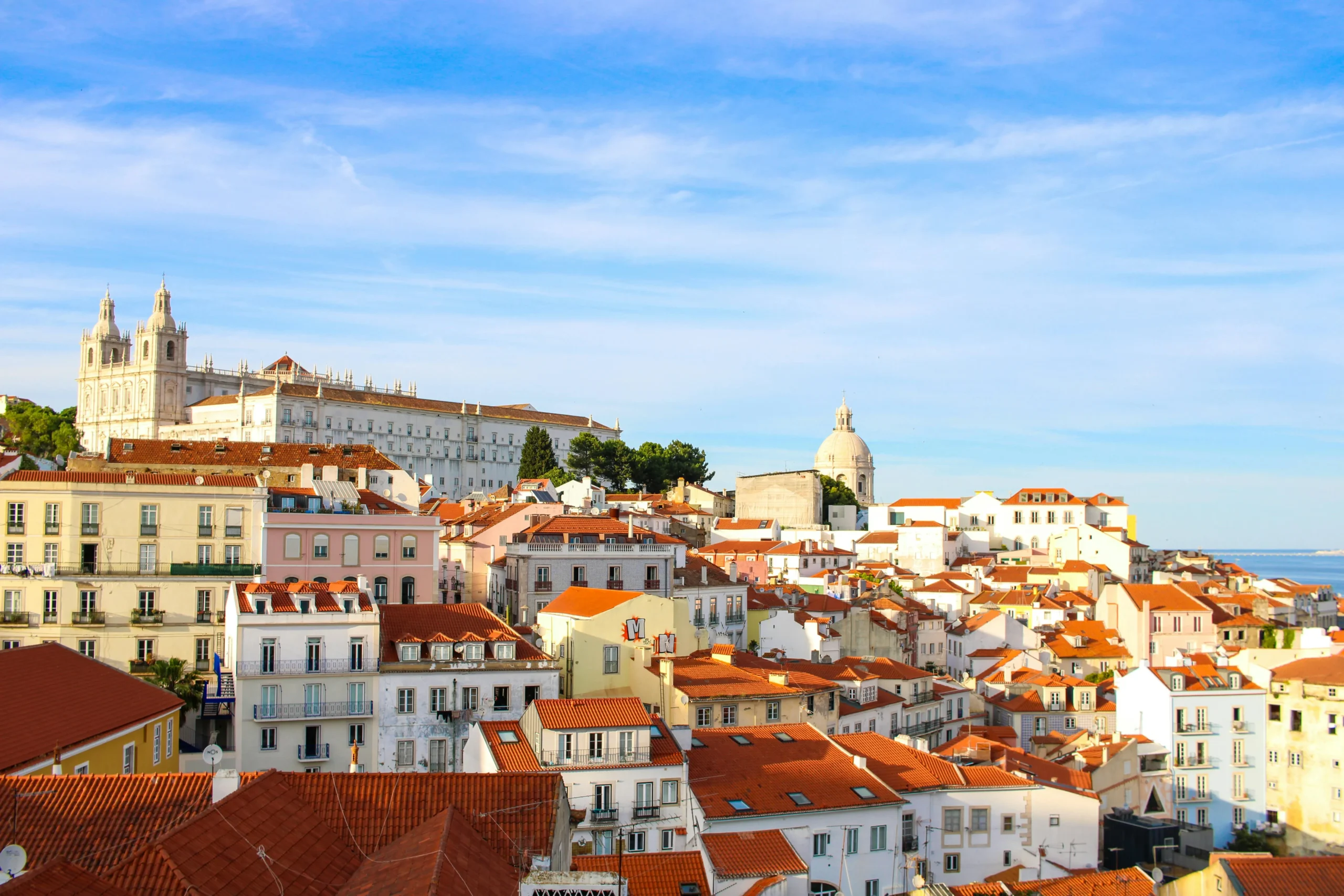
5. Portugal
Portugal has built a reputation as one of Europe’s most welcoming destinations for foreign residents, particularly those interested in rural living.
Through the Emprego Interior Mais program, the government provides relocation support to individuals moving to interior regions of the country.
According to International Living, Eligible applicants can receive a grant of up to €6,000 to help cover moving costs.
Families can also receive additional support, as the program increases the grant amount by about 20% for each dependent household member relocating with the applicant.
Foreign applicants typically need a valid residency permit to qualify. Many people use the country’s digital nomad visa as a pathway, which requires proof of steady income from remote work.
For those willing to settle outside Portugal’s major cities, this program can offer a helpful financial boost during the relocation process.
Stay tuned with us. Further, follow us on social media for the latest updates.
Join us on Telegram Group for the Latest Aviation Updates. Subsequently, follow us on Google News
