

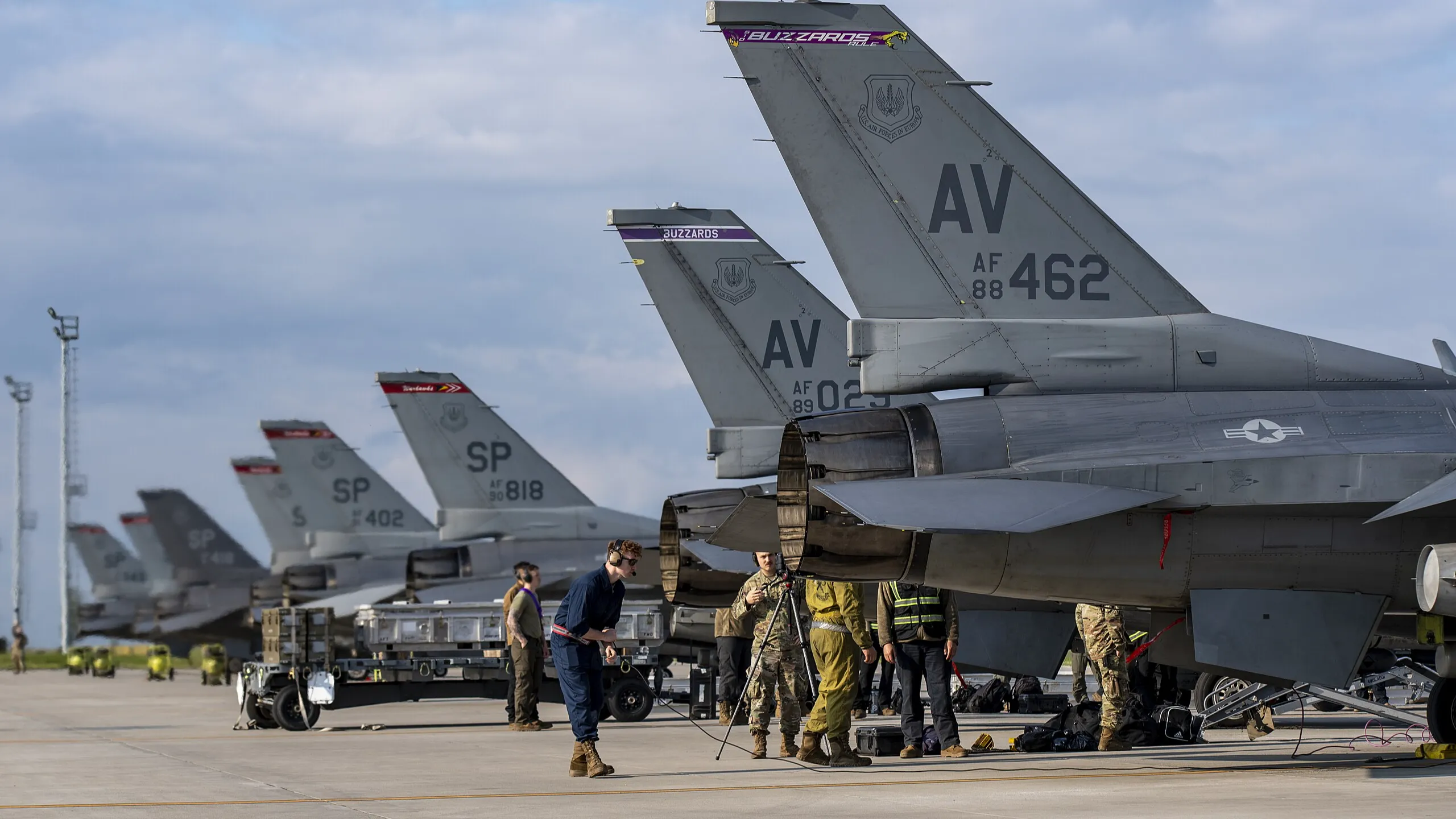
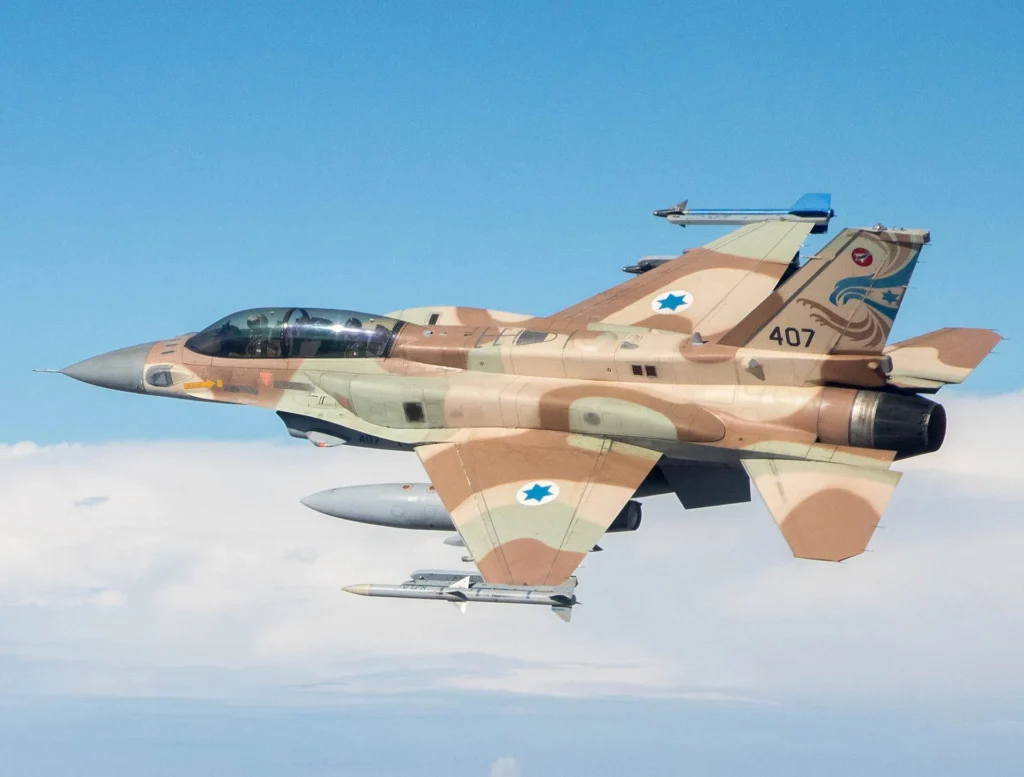
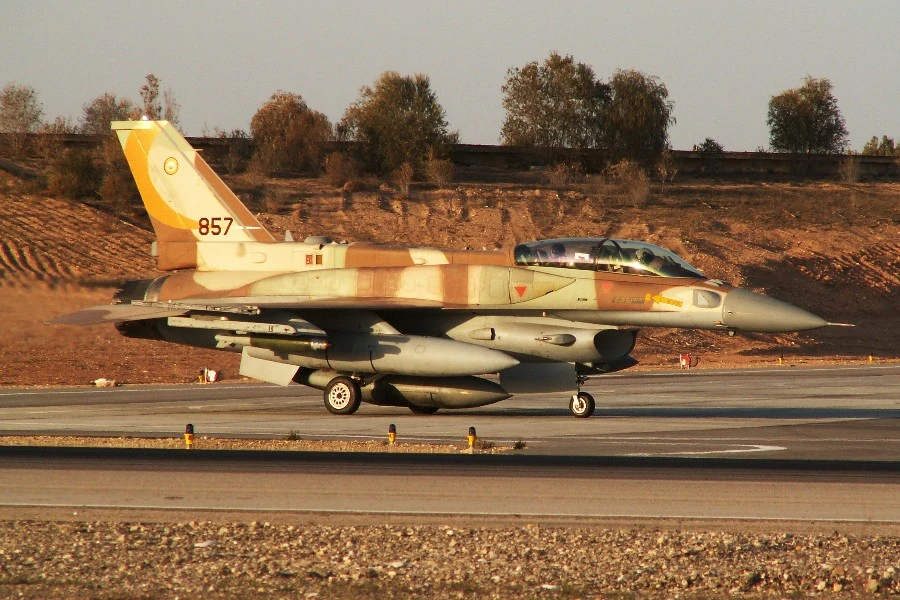
TEL AVIV- Images released by the Israeli Air Force show an F-16C/D Barak fighter operating from Ramat David Air Base carrying unusual versions of the GBU-31 Joint Direct Attack Munition (JDAM).
The aircraft appeared armed with two 2,000-pound precision bombs displaying rare red markings not commonly seen on standard JDAMs.
The photographs surfaced during the early days of Operation Epic Fury and were shared on the Israeli Air Force’s official social media account.
According to TWZ, the distinctive markings may indicate a specialized payload combining high explosive and incendiary components.
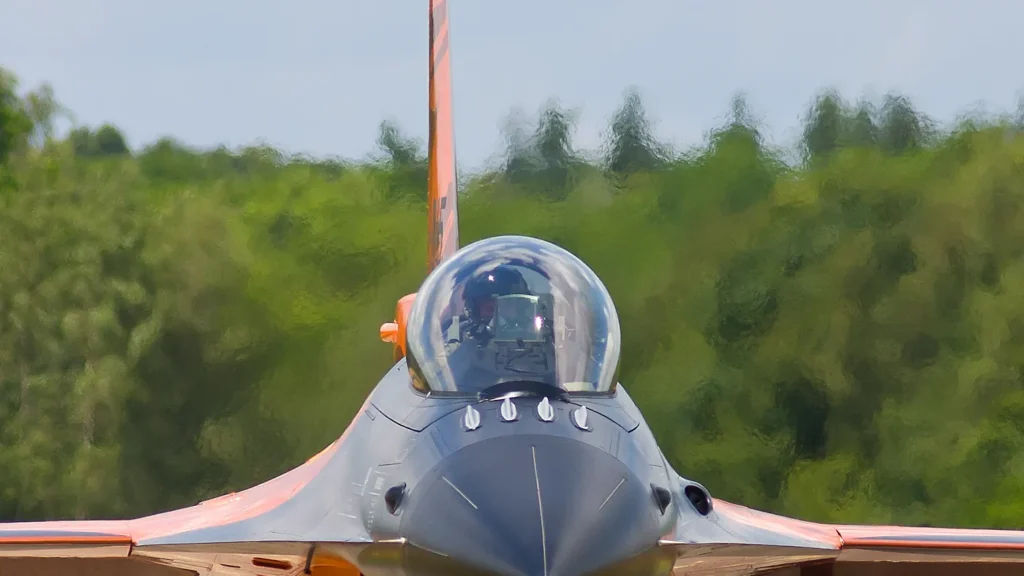
Israeli F-16 Mysterious Missile
The images emerged less than a week into Operation Epic Fury, a campaign that has already revealed a wide range of munitions used by both the United States and Israel. Observers noted that weapon employment has evolved as the conflict progressed.
The photographs showed two GBU-31 2,000-pound JDAMs mounted under the wings of an Israeli F-16 C/D Barak.
The images accompanied a statement describing combat missions flown deep into Iranian territory, including operations over the capital city of Tehran.
The statement was attributed to the commander of Ramat David Air Base, identified only as “Col. A.” The message highlighted the aircraft’s operational reach but did not explain the unusual bomb markings visible in the photos.
Some of the original images were later removed from the Israeli Air Force’s social media account, although at least one version of the photo remains available online.
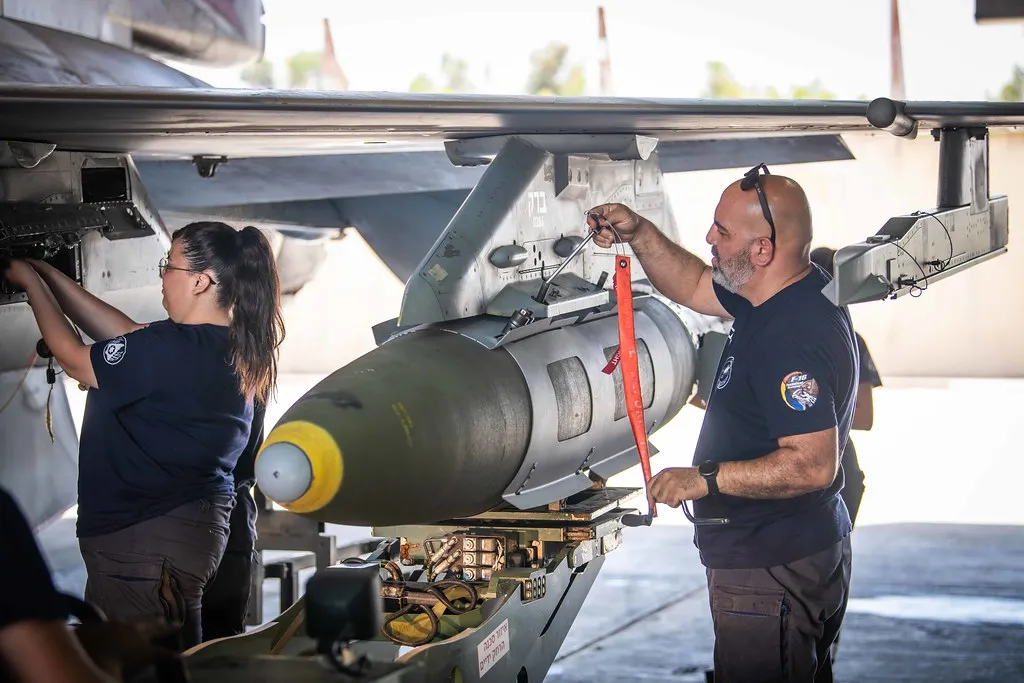
Unusual Red And Yellow Bomb Markings
The most distinctive feature of the bombs was a red band painted around the nose, along with a red nose plug. Each bomb also displayed the familiar yellow band that normally indicates a high explosive payload under U.S. standard ammunition markings.
The yellow band is common on JDAM munitions. However, a red band on a weapon of this type is rarely observed.
In U.S. munition marking systems, red markings can sometimes indicate the presence of an incendiary payload. Another marking convention uses dark red on a gray panel to indicate ammunition containing an irritant or riot control agent.
Because both red and yellow markings are present on the same weapon, analysts believe the bomb could contain both high explosive and incendiary components.
Open-source analysis from the Open Source Munitions Portal noted that Israeli 2,000-pound class air-delivered bombs with this marking combination may indicate a weapon designed to combine explosive force with incendiary effects.
Possible Connection To BLU-119/B CrashPAD
One possible explanation is a munition similar to the BLU-119/B CrashPAD, a specialized weapon developed in the early 2000s.
CrashPAD was designed to destroy chemical and biological weapon stockpiles while reducing environmental contamination. The munition combines approximately 145 pounds of PBX-109 high explosive with about 420 pounds of white phosphorus.
During an attack, the high-explosive warhead first penetrates containers or storage structures. The white phosphorus then ignites and burns intensely, destroying hazardous agents by extreme heat.
This approach helps neutralize dangerous materials rather than dispersing them into the surrounding environment.
CrashPAD was developed in 2002 as a rapid capability ahead of Operation Iraqi Freedom in 2003.

Development And Testing Of CrashPAD
The warhead for CrashPAD was produced by Alliant Techsystems. The company received a $4 million contract from the US Air Force Research Laboratory at Eglin Air Force Base in Florida in October 2003.
Testing progressed quickly due to the operational requirement. Sled-track tests occurred in late January 2003, followed by flight tests in February 2003 shortly before the invasion of Iraq.
Very little information about the operational use of CrashPAD has been publicly released. However, the weapon remained in the US Air Force inventory for several years.
In fiscal year 2011, the Defense Threat Reduction Agency began concept studies for a modified BLU-119/B conversion using a safer and more cost-effective payload mixture.
Other Specialized Bomb Concepts
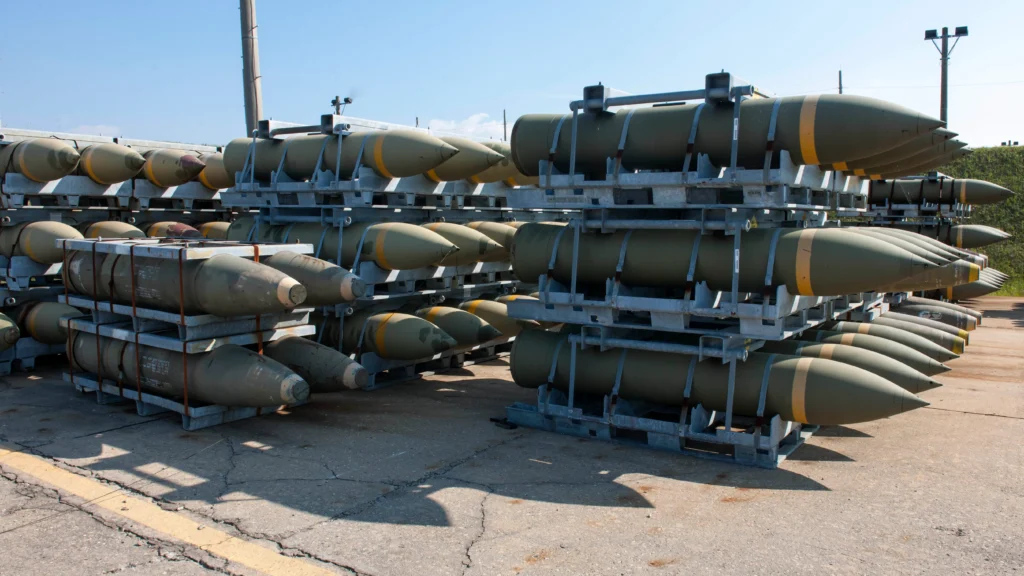
Another concept known as Shredder was also studied. This weapon used the BLU-109 bunker-penetrating bomb body, which is the same penetrator used in the GBU-31 JDAM.
The Shredder design aimed to penetrate deeper into hardened targets before releasing an incendiary payload containing white phosphorus. Available information suggests that the concept was never placed into production.
Even so, additional specialized JDAM-based weapons may exist that have never been publicly disclosed.
Israel has a long history of adapting U.S.-made weapons to meet its specific operational requirements. The unusual markings seen on the F-16’s JDAMs could therefore represent a uniquely Israeli modification rather than a direct copy of an American munition.
White Phosphorus And Its Controversial Role
White phosphorus is frequently misunderstood in public discussions about weapons. It is not classified as a chemical weapon.
Instead, it is primarily categorized as an incendiary substance. It is widely used in military operations to create smoke screens, illuminate targets, or mark positions.
White phosphorus burns at temperatures of around 1,500 degrees Fahrenheit, producing intense heat and thick smoke.
Despite its legitimate military uses, its employment in densely populated areas can violate international law because of the severe injuries it can cause.

Previous Example Of Unusual Israeli Weapon Markings
This is not the first time an Israeli weapon with unusual markings has appeared in official imagery.
During the Gaza conflict, the Israeli Air Force released a photo showing an AH-64D Apache attack helicopter armed with a Hellfire missile carrying a red stripe around the middle of its body.
The marking suggested the missile might have contained a thermobaric warhead, another type of incendiary weapon designed to destroy enclosed spaces such as tunnels or bunkers.
As online discussion about the red-striped missile increased, the Israeli Air Force removed the original image from social media. It replaced the post with another photo showing a different Apache helicopter carrying standard Hellfire missiles.
The unusual JDAM image may represent a similar situation in which sensitive details appeared in publicly released imagery.
Possible Targets For Agent Defeating Weapons
Specialized munitions like CrashPAD are designed for targets that contain hazardous materials. These weapons can destroy chemical or biological agents while limiting contamination.
Iran has faced long standing scrutiny regarding chemical and biological programs. Reports indicate the country developed chemical weapons during the Iran-Iraq War in the 1980s.
A 2025 report from the US Department of State stated that unresolved questions remain about Iran’s biological and chemical activities. The report noted that Iran continues research involving biological agents and toxins.
In addition, certain Iranian facilities produce volatile rocket fuels and other hazardous industrial chemicals.
A report by the International Institute for Strategic Studies (IISS) also warned that some nuclear facilities in Iran contain materials that present chemical and toxic hazards.
Weapons combining explosive and incendiary effects could therefore be designed to destroy such facilities while reducing the spread of dangerous substances.
A Mystery That May Take Time To Explain
The Israeli Defense Forces have not officially explained the unusual markings seen on the JDAM carried by the F-16 C/D Barak.
Given the military’s strict control over operational imagery, the markings may indicate a previously undisclosed munition or a specialized modification developed for specific mission requirements.
For now, the red-banded JDAM remains an unexplained weapon variant. More details may emerge as further information about Israeli air operations becomes available.
Stay tuned with us. Further, follow us on social media for the latest updates.
Join us on Telegram Group for the Latest Aviation Updates. Subsequently, follow us on Google News
