

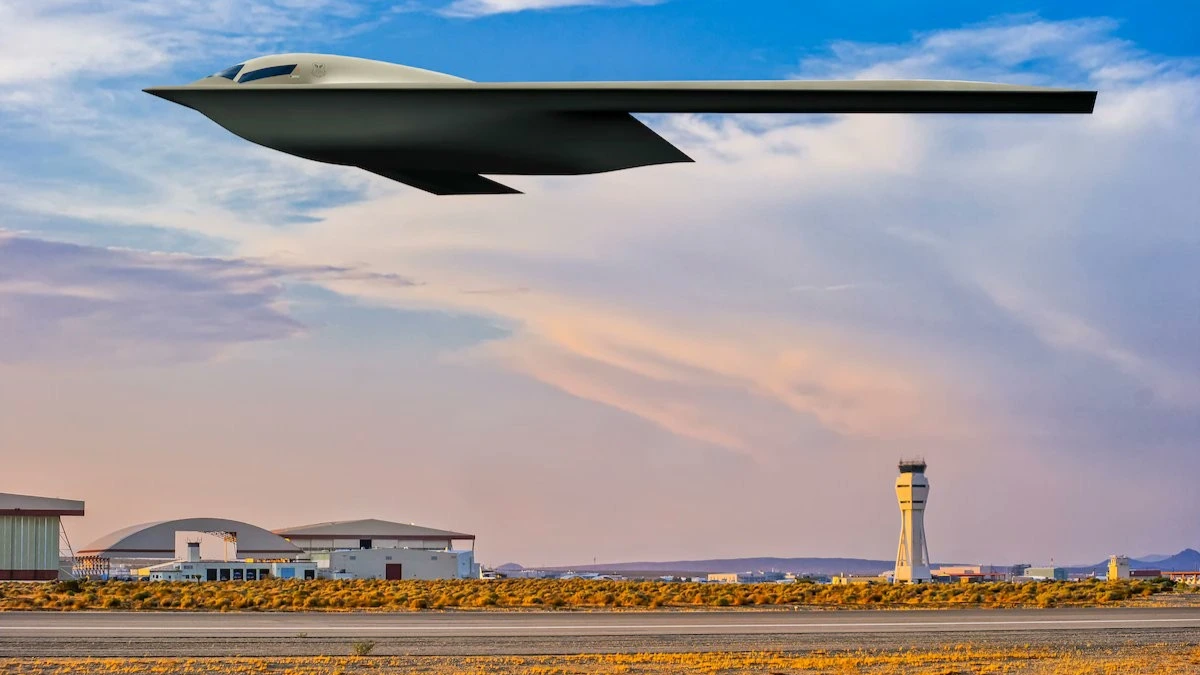
WASHINGTON- The United States and Israel have launched a large air campaign against Iran, striking more than 2,000 targets within the first 100 hours of operations. The campaign involves hundreds of aircraft and the full lineup of US strategic bombers.
The strikes target Iranian missile infrastructure, air defense systems, drones, and naval assets across the country, including facilities near Tehran Imam Khomeini International Airport (IKA) and military zones linked to regional operations affecting Tel Aviv Ben Gurion Airport (TLV).

US Bombers Strike Iran Deeper
The United States and Israel began the campaign with a wave of coordinated strikes aimed at weakening Iran’s ability to launch missiles and drones.
According to Admiral Brad Cooper, commander of US Central Command, the joint forces used more than 2,000 munitions to strike over 2,000 targets during the first 100 hours.
The scale of the operation is significant. Cooper said the opening phase was nearly double the size of the initial US and allied air strikes during the 2003 Iraq War. The operation combines airpower, naval assets, and unmanned systems in a coordinated effort.
More than 200 fighter aircraft are involved in the mission, supported by two aircraft carriers positioned in the region. Strategic bombers and other support aircraft are also participating, forming what Cooper described as the largest US military buildup in the Middle East in a generation.
All Three US Strategic Bombers Used in Combat Operations
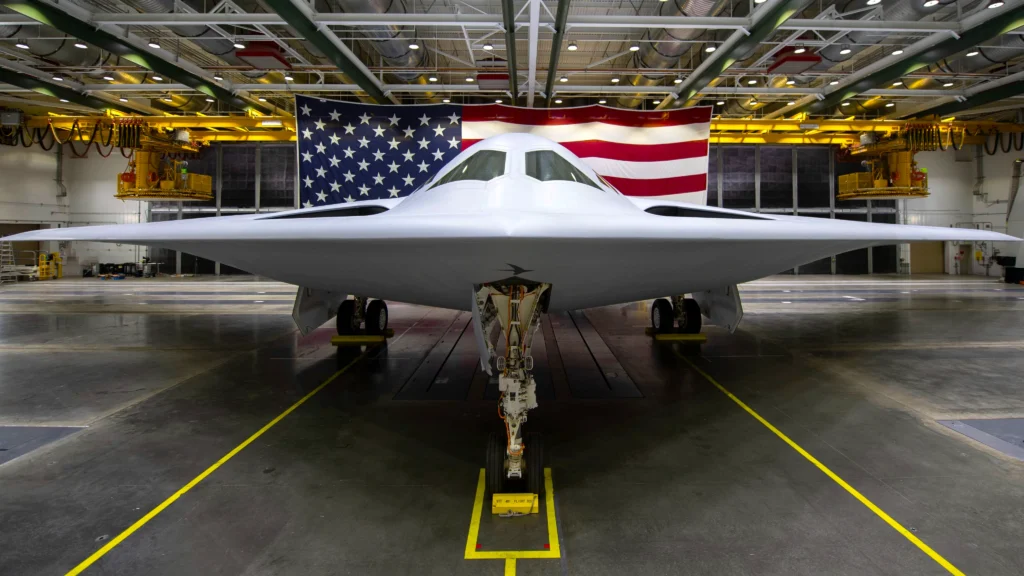
The campaign includes combat missions by all three operational US Air Force strategic bombers.
The Northrop Grumman B-2 Spirit conducted precision strikes against hardened missile facilities located deep inside Iranian territory. Its stealth capability allows it to penetrate heavily defended airspace while delivering guided munitions.
Boeing B-1B Lancer bombers also carried out precision strikes on missile infrastructure and other strategic targets. The aircraft is capable of carrying large payloads and is frequently used for high-volume strike missions.
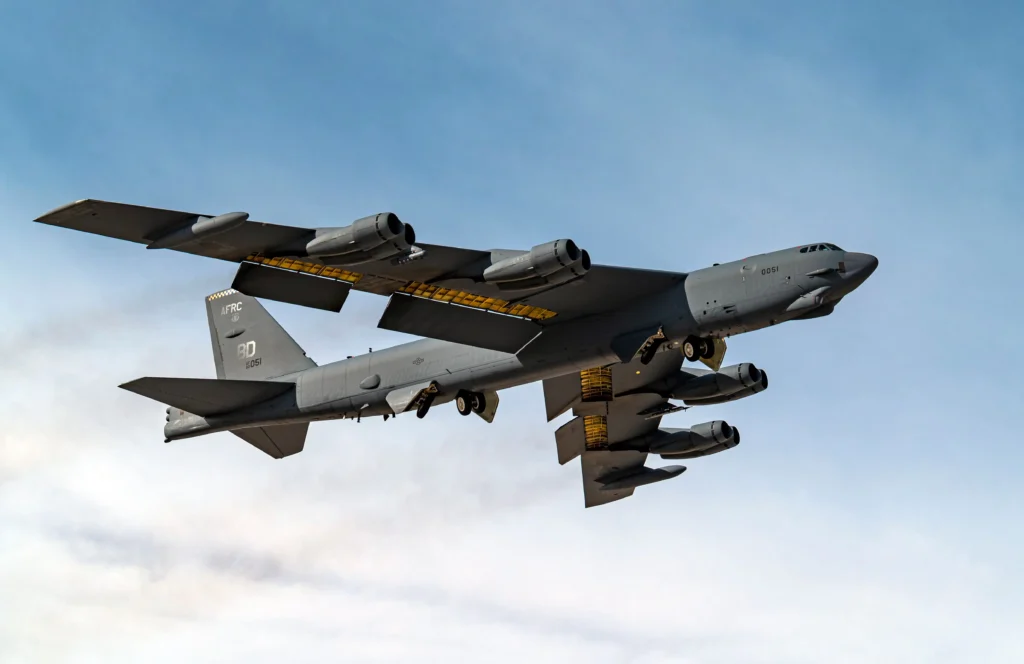
Boeing B-52 Stratofortress bombers joined the operation by targeting Iranian command and control facilities. The aircraft’s long range and ability to carry a wide range of guided weapons make it a key component of the US strategic strike capability.
Admiral Cooper described the bomber missions as uncontested surgical strikes, indicating that Iranian air defenses were largely suppressed during these operations.
Iranian Naval Assets Targeted During the Campaign
The operation has also focused on weakening Iran’s naval capabilities in the region. US forces reported destroying 17 Iranian naval vessels during the strikes.
Among the destroyed assets was Iran’s only operational submarine. Another notable target was the Shahid Bagheri, a container ship that Iran had converted into a drone carrier.
US Central Command confirmed that the vessel was hit on 2 March. The ship was believed to support drone operations and surveillance missions in regional waters.
Ballistic Missile Threat Remains but Is Declining
Iran has attempted to respond to the campaign with missile and drone launches. According to US officials, Tehran has fired more than 500 ballistic missiles and around 2,000 drones toward neighboring countries.
US commanders say most of these attacks are directed at civilian areas. However, Cooper stated that Iran’s retaliatory capabilities are gradually weakening as launch infrastructure and mobile missile systems are targeted.
US forces are continuing dynamic targeting operations aimed at locating and destroying Iran’s remaining mobile ballistic missile launchers.
New LUCAS Drone System Used in Combat
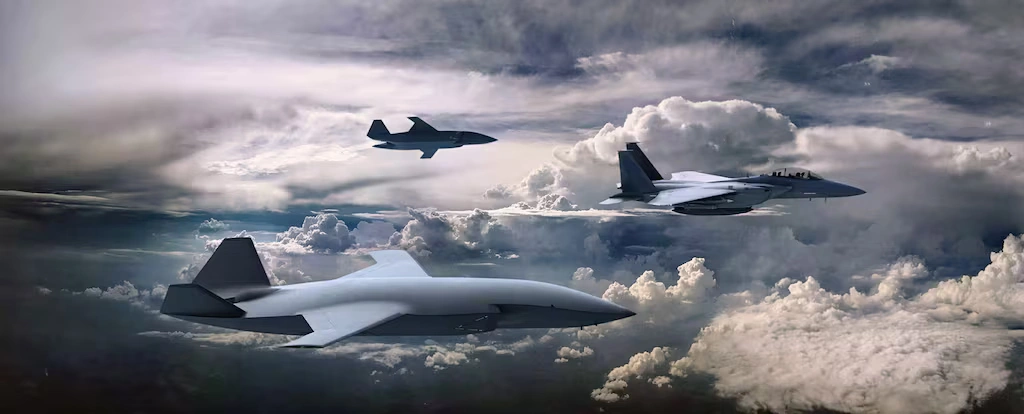
The conflict has also marked the operational use of the Low-cost Unmanned Combat Attack System, known as LUCAS.
The system is based on the design of Iran’s Shahed-136 loitering munition. US forces have deployed large numbers of LUCAS drones during the campaign to strike Iranian targets.
According to Cooper, countless LUCAS drones have been launched and have produced significant operational effects during the conflict.
Air Superiority Claimed by US and Israeli Forces
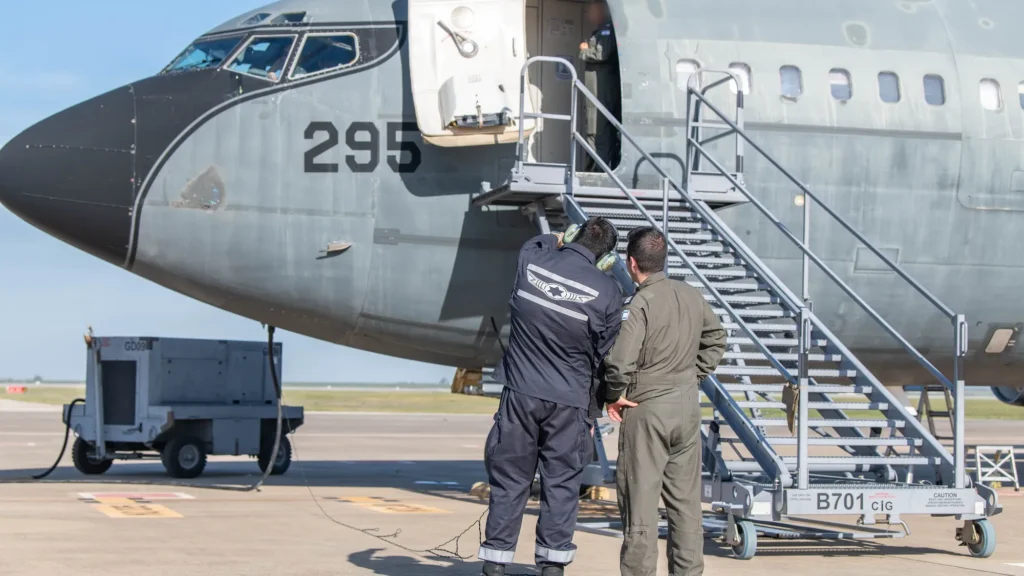
US military officials say the combined air forces of the United States and Israel currently dominate Iranian airspace.
Cooper stated that the two countries operate the most powerful air forces in the world and are conducting high-volume strikes across Iranian territory.
The ongoing operations aim to dismantle Iran’s remaining missile launch capability and reduce its ability to threaten regional security.
Stay tuned with us. Further, follow us on social media for the latest updates.
Join us on Telegram Group for the Latest Aviation Updates. Subsequently, follow us on Google News
