

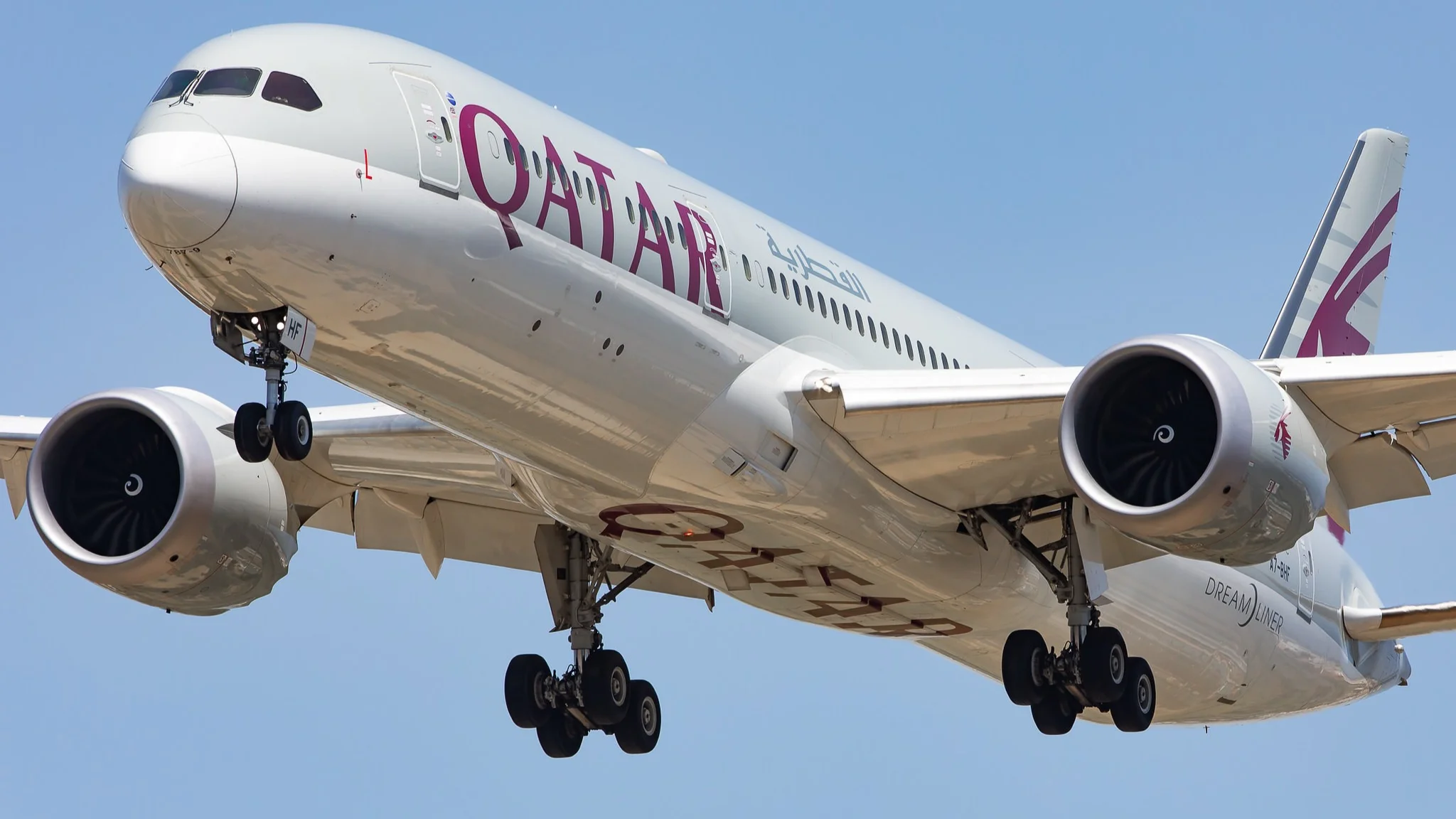
DOHA– Qatar Airways (QR) has temporarily relocated limited flight operations from Hamad International Airport (DOH) to Muscat International Airport (MCT) in Oman. The move comes as Iranian missile and drone attacks continue to threaten Qatari airspace, forcing authorities to keep the country’s skies largely closed.
Thousands of travelers remain stranded in Doha after flights were abruptly suspended following escalating regional tensions. By shifting a small number of operations to Muscat, the airline aims to begin repatriation flights to Europe and help affected passengers gradually return home.
Muscat Operations Shift
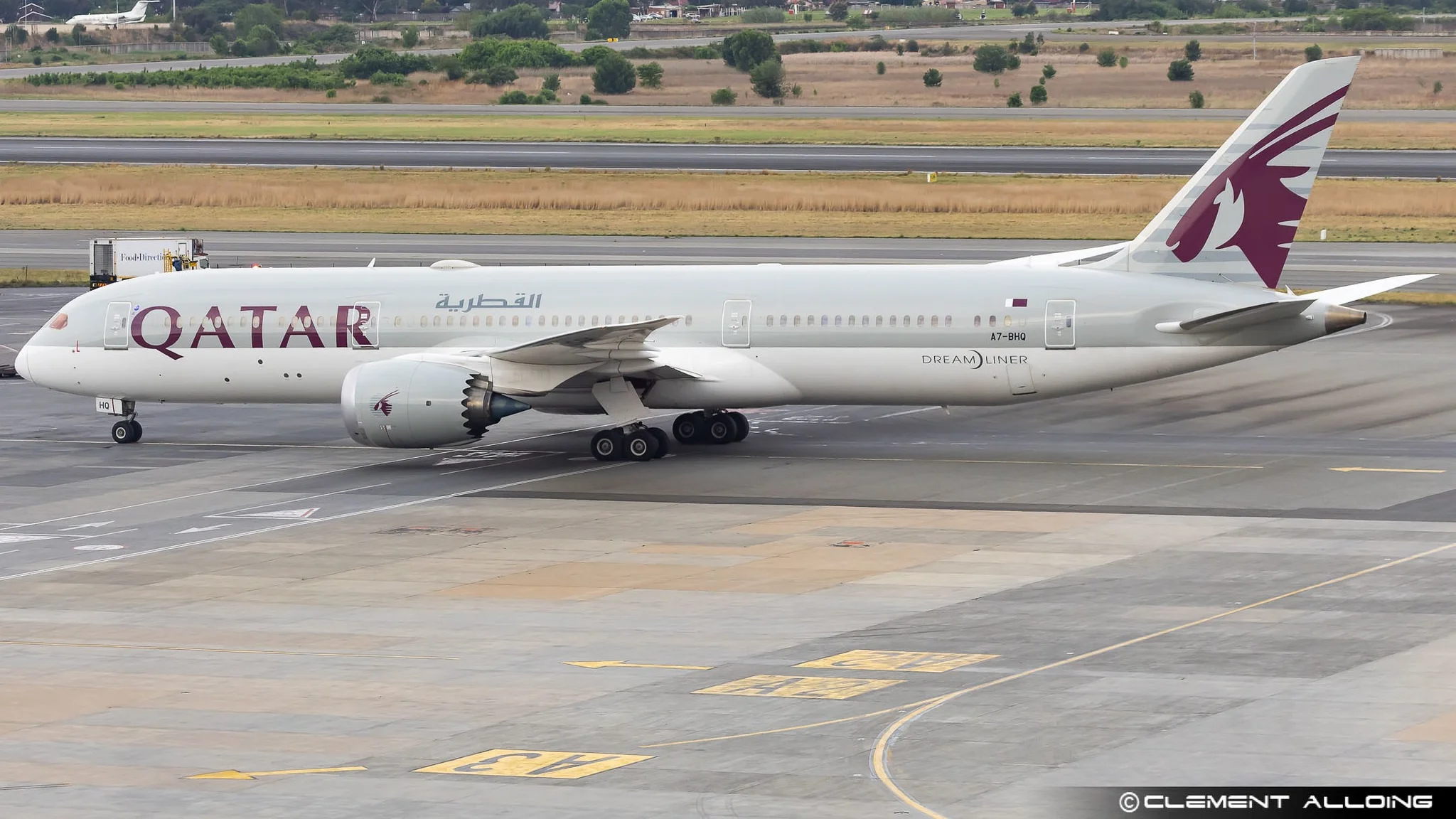
Qatar Airways has initiated a temporary operational shift to Muscat, where airspace has remained open despite the ongoing regional conflict. The airline plans to operate a limited schedule from the Omani capital while restrictions remain in place over Qatar.
Initial repatriation flights will connect Muscat with several major European cities. These include London Heathrow, Berlin, Copenhagen, Madrid, Rome, and Amsterdam.
In addition, the airline has positioned an aircraft in Riyadh to operate repatriation flights between Saudi Arabia and Frankfurt. This strategy allows Qatar Airways to maintain minimal connectivity for stranded passengers despite restrictions at its main hub.
Officials described the move as a short-term operational adjustment designed to manage the ongoing disruption. The airline is focusing primarily on returning passengers who were unable to depart Doha when flights were suspended.
Passenger Repatriation Flights
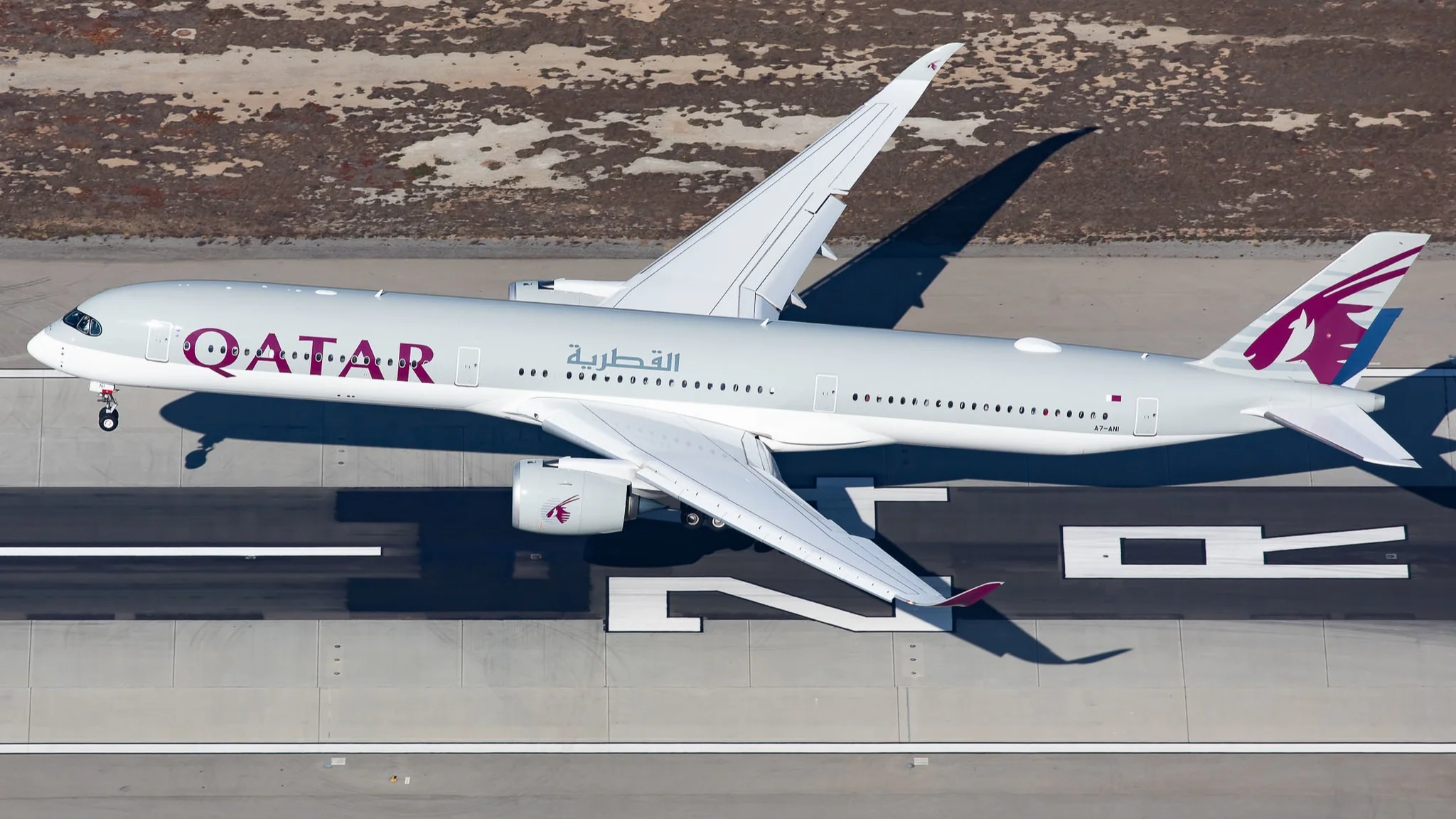
Qatar Airways has emphasized that the repatriation flights will be limited and carefully coordinated. Passengers must wait for direct communication from the airline before attempting to travel to Muscat or Riyadh.
The airline warned that travelers without confirmed bookings should not attempt the journey. This measure aims to prevent further congestion at alternative departure points.
Many travelers stranded in Doha have already begun traveling overland to Oman. The road journey between Doha and Muscat takes roughly 11 hours under normal conditions, according to PYOK.
However, Omani authorities have reported significant traffic congestion near border crossings due to the sudden increase in travelers. Long queues and delays have been recorded as people attempt to leave Qatar by road.
Passengers have been advised to keep their contact information updated in the airline’s system. This allows Qatar Airways to notify them quickly when seats become available on repatriation flights.
Middle East’s Regional Flight Disruption
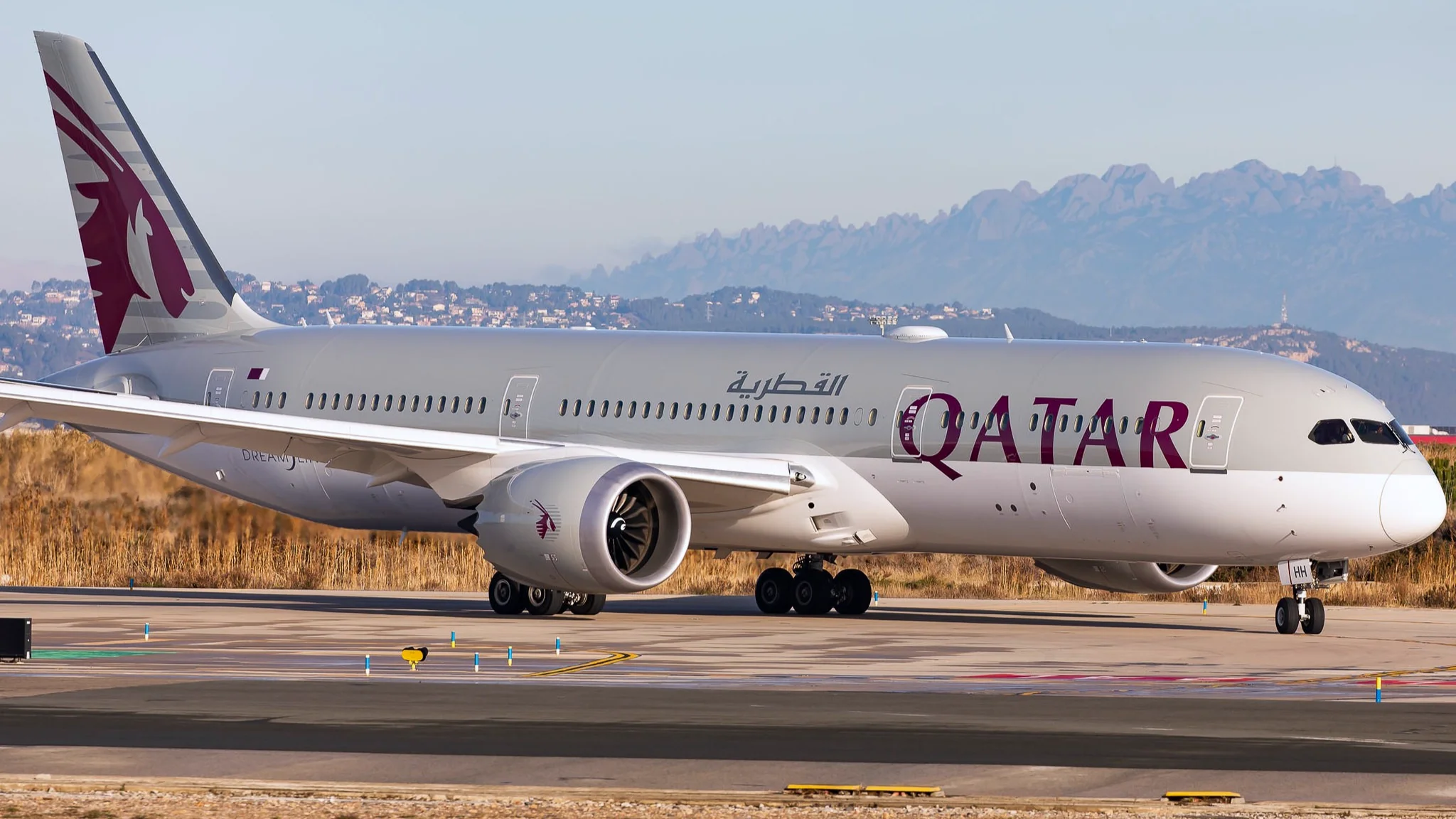
The ongoing security situation continues to disrupt aviation operations across the Gulf region. Airspace closures and safety concerns have forced several airlines to suspend or modify services.
Flights from Qatar to Asia, North America, Africa, and Australasia remain suspended for the time being. Regional routes across the Middle East have also been affected by the restrictions.
Meanwhile, other Gulf carriers have begun cautiously restoring some operations. Emirates has announced that it will run a reduced flight schedule from Dubai while monitoring the evolving security situation.
Authorities in the United Arab Emirates have introduced designated safe air corridors. These corridors allow commercial flights to operate while maintaining a rapid response capability if threats are detected.
Despite these measures, flight movements across the region remain significantly reduced. Airlines and aviation regulators continue to monitor the situation closely as security risks persist.
Stay tuned with us. Further, follow us on social media for the latest updates.
Join us on Telegram Group for the Latest Aviation Updates. Subsequently, follow us on Google News
