

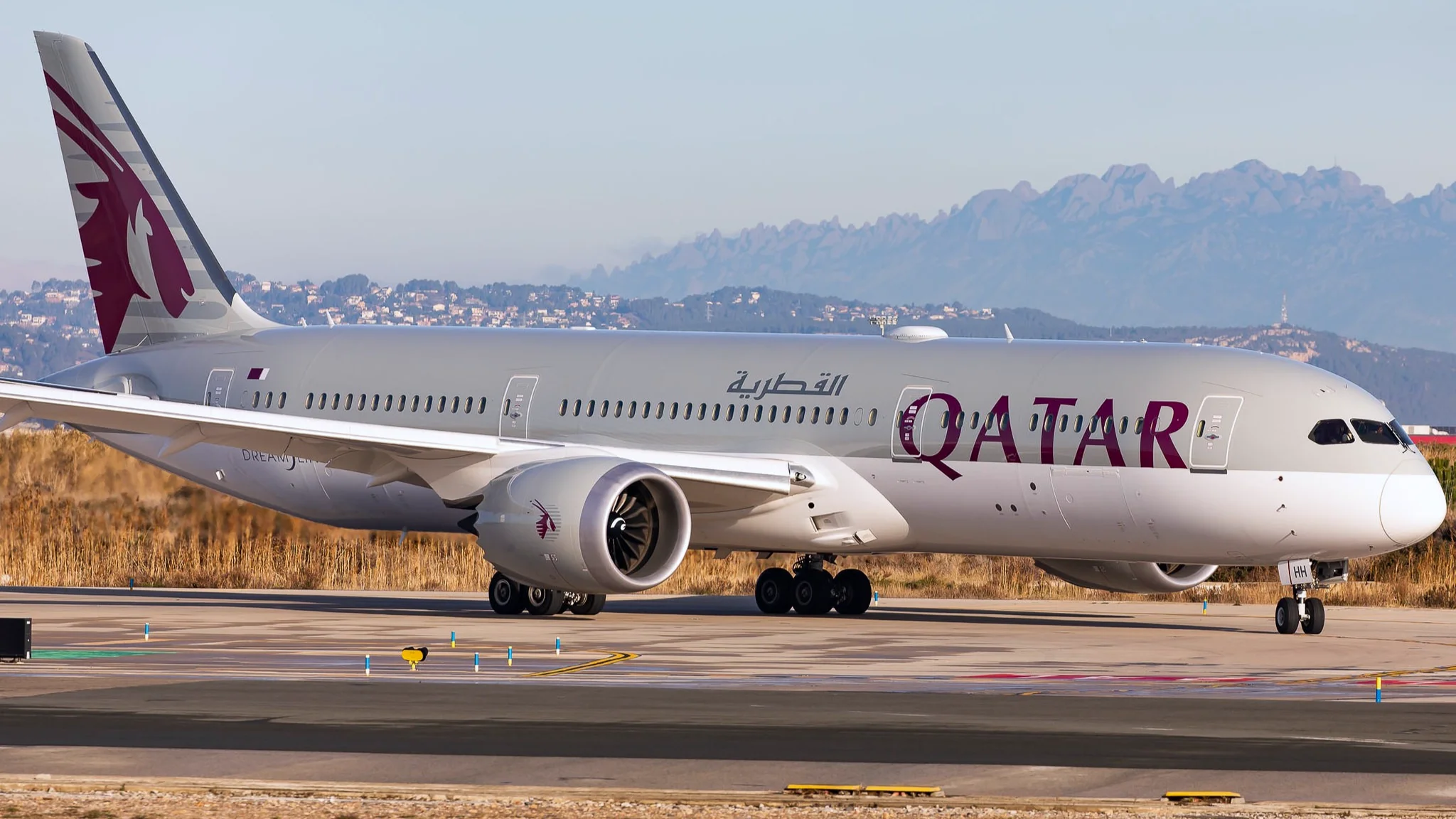
DOHA— Qatar Airways (QR) has filed schedule updates that reduce service on several European routes, signaling a measured approach to capacity deployment during the 2026 season. The changes appear in recent filings to Cirium and are already reflected in the airline’s booking systems, affecting key city pairs across Western and Central Europe.
The adjustments impact London Gatwick Airport (LGW), Venice Marco Polo Airport (VCE), and Warsaw Chopin Airport (WAW), while the carrier maintains a robust presence at London Heathrow Airport (LHR). Qatar Airways continues to prioritize network stability as it balances aircraft availability, demand patterns, and competitive dynamics across its long-haul portfolio.
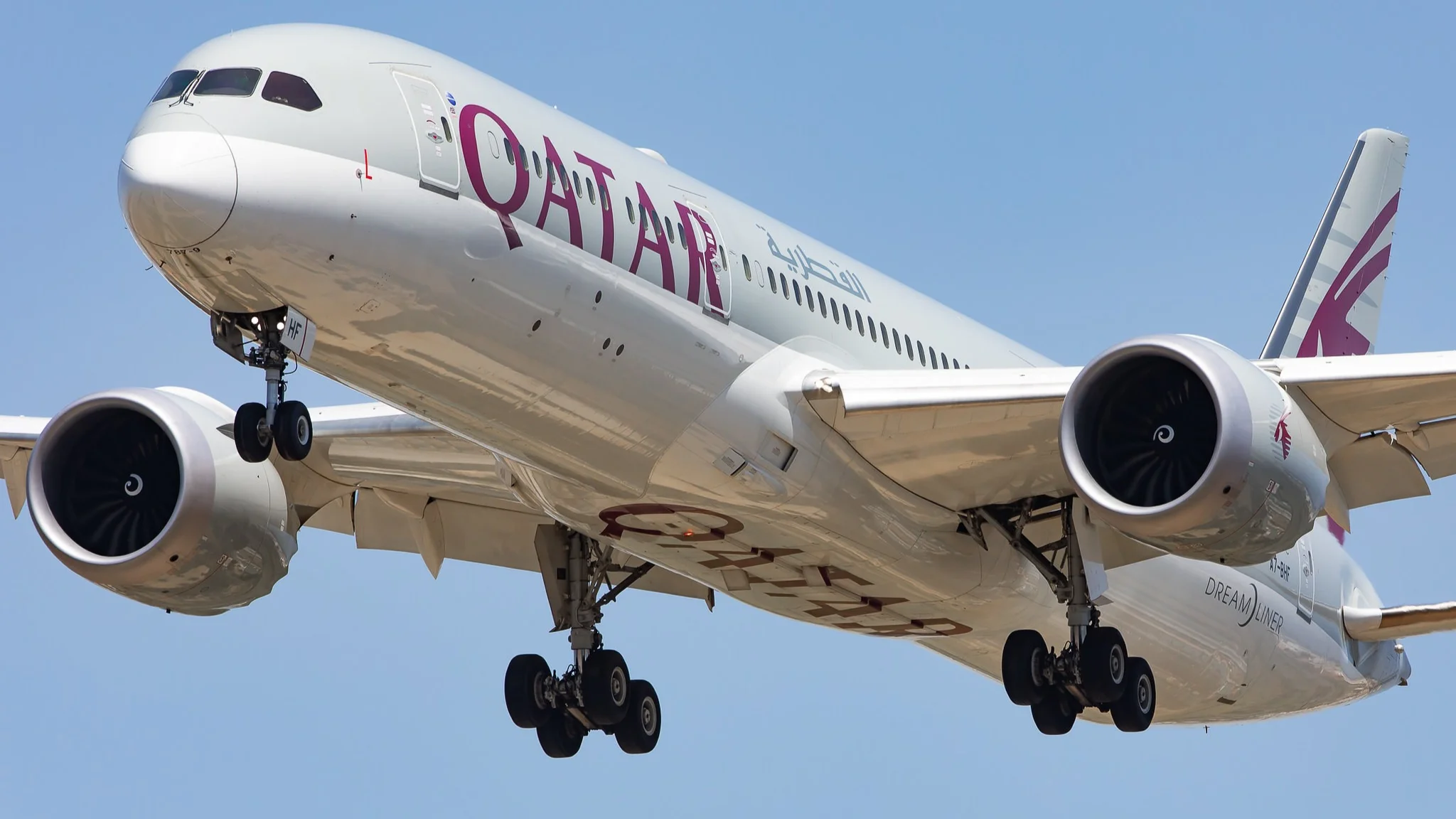
Qatar Airways Reduces Flights
Service between Doha and London Gatwick will reduce from double-daily operations to 11 weekly flights. The revised pattern preserves daytime services on select days, with both rotations operated by the Boeing 787-8.
Despite the Gatwick reduction, Qatar Airways continues to serve London through Heathrow with up to ten daily flights.
According to Aerospace Global News, the Heathrow operation relies on a mix of Airbus A380, Boeing 777, Airbus A350-900, and Airbus A350-1000 aircraft, underscoring London’s continued strategic importance.
The Gatwick changes indicate targeted trimming rather than a broad retreat, as the airline concentrates widebody capacity at higher-yield hubs. This approach allows schedule resilience while aligning supply with observed demand.

Venice Capacity Shift
Qatar Airways will also adjust its Venice operation by reducing both frequency and aircraft size. The route will move from an Airbus A350 used last summer to a smaller Airbus A320, lowering total seat capacity on each flight.
The Venice service will operate four times weekly, reflecting a more conservative stance in a market with growing competition.
Emirates operates a daily Boeing 777 service to Dubai, while other carriers connect Venice with Tel Aviv using narrowbody aircraft.
By downsizing equipment, Qatar Airways retains a presence in northern Italy while limiting exposure during periods of softer demand. The change highlights a preference for right-sized capacity over seasonal expansion.
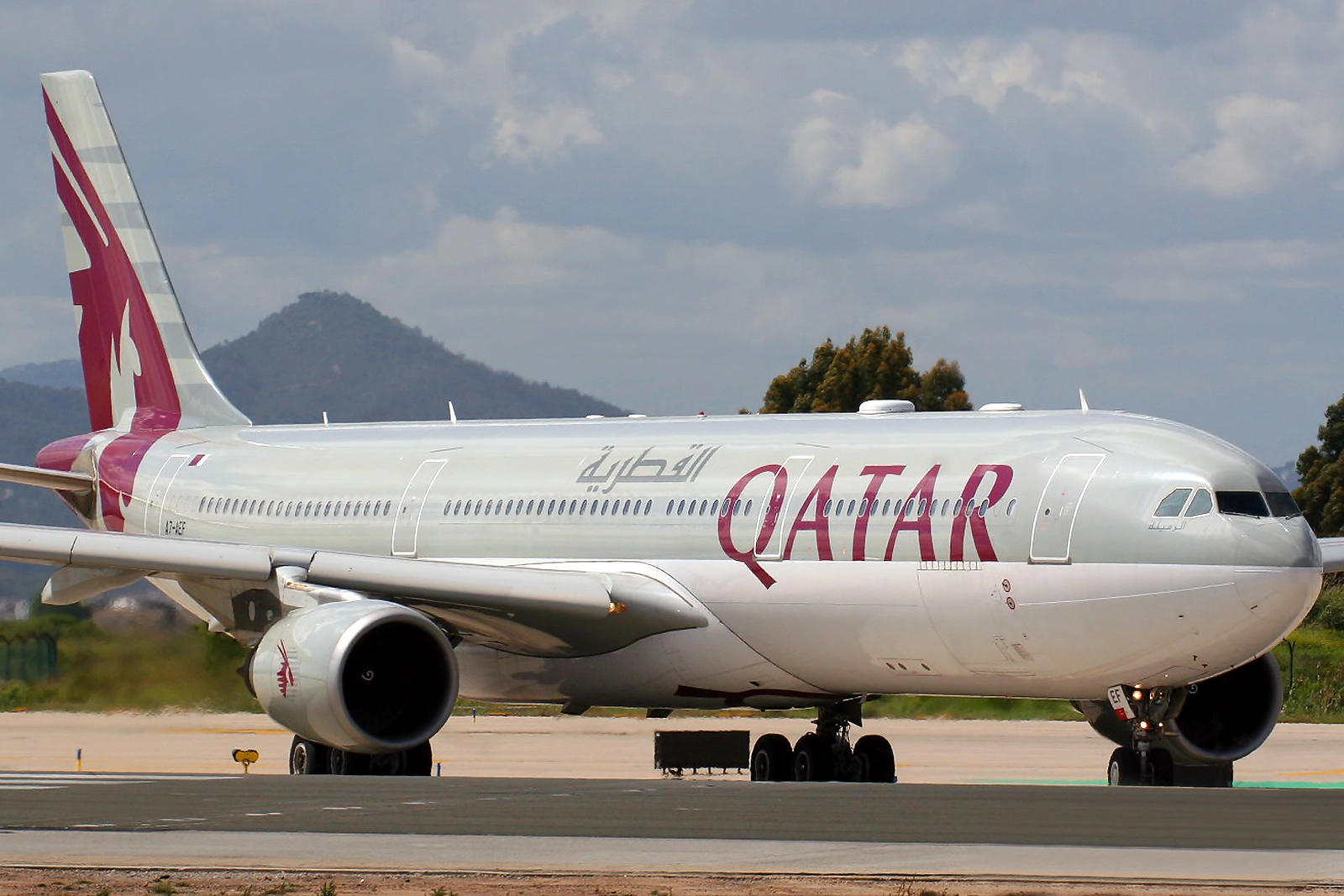
Warsaw Frequency Changes
Flights to Warsaw will also see reduced frequencies, with Airbus A330-300 services dropping from double daily to 12 weekly rotations. The fully daytime flight option will no longer operate on Mondays and Wednesdays.
Warsaw remains an important Central European gateway, but the revised schedule reflects demand normalization compared with earlier growth phases. The retained overnight services continue to support long-haul connectivity via Doha.
Qatar Airways has not disclosed where the freed capacity will be redeployed. No corresponding increases appeared in recent schedule filings, suggesting a focus on utilization flexibility rather than immediate network growth.
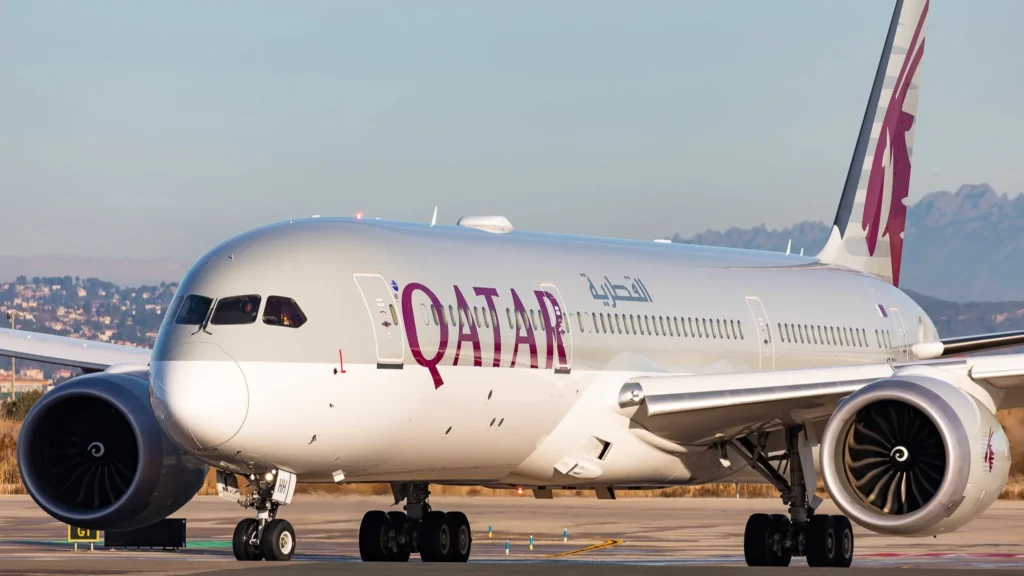
Qatar’s European Network Trends
Overall, Qatar Airways’ European capacity has contracted compared with 2025, with flight counts down about 1.8 percent and seat capacity lower by roughly 2.2 percent.
Suspended or reduced services include Lyon, Hamburg, and several secondary markets, while growth concentrates on select leisure-focused destinations.
In contrast, regional rivals continue to expand. Etihad Airways is adding multiple European routes using Airbus A321neo aircraft, while Emirates is leveraging its new Airbus A350 fleet to increase frequencies and launch a Helsinki service in October 2026.
Qatar Airways remains cautious in Europe, while growth accelerates in Africa and South America. The strategy reflects shifting long-haul demand and a disciplined approach to capacity management.
Stay tuned with us. Further, follow us on social media for the latest updates.
Join us on Telegram Group for the Latest Aviation Updates. Subsequently, follow us on Google News
