

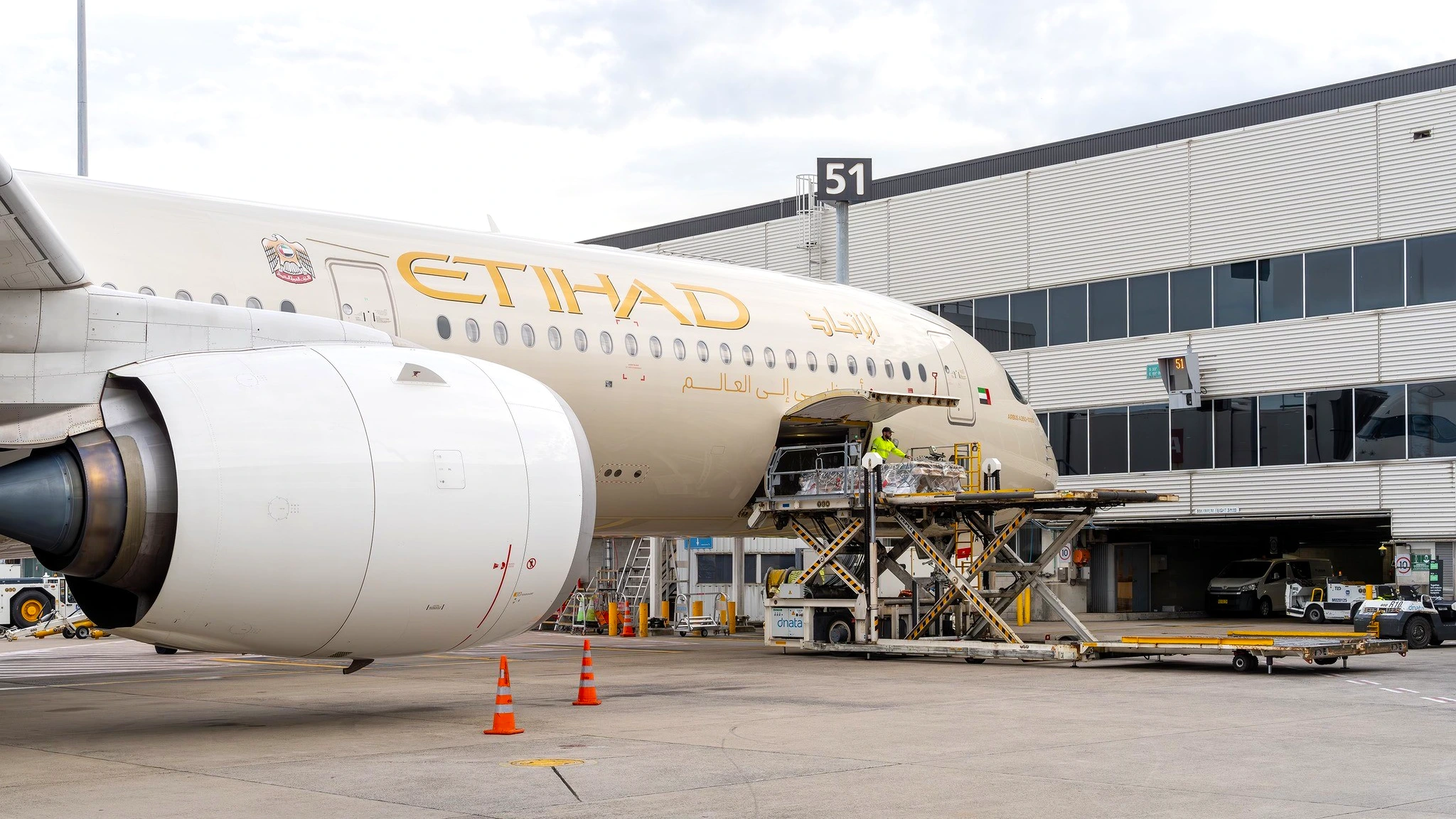
ABU DHABI- Etihad Airways (EY) has resumed a limited flight schedule from Abu Dhabi International Airport (AUH), restoring connectivity to 70 destinations worldwide as regional airspace conditions begin to stabilise.
The Abu Dhabi based airline confirmed that flights will operate between March 6 and March 19, linking Zayed International Airport, Abu Dhabi (AUH) with major global hubs including London Heathrow (LHR), New York John F. Kennedy (JFK), Paris Charles de Gaulle (CDG), Sydney Kingsford Smith (SYD), Singapore Changi (SIN), Tokyo Narita (NRT), and Toronto Pearson (YYZ).
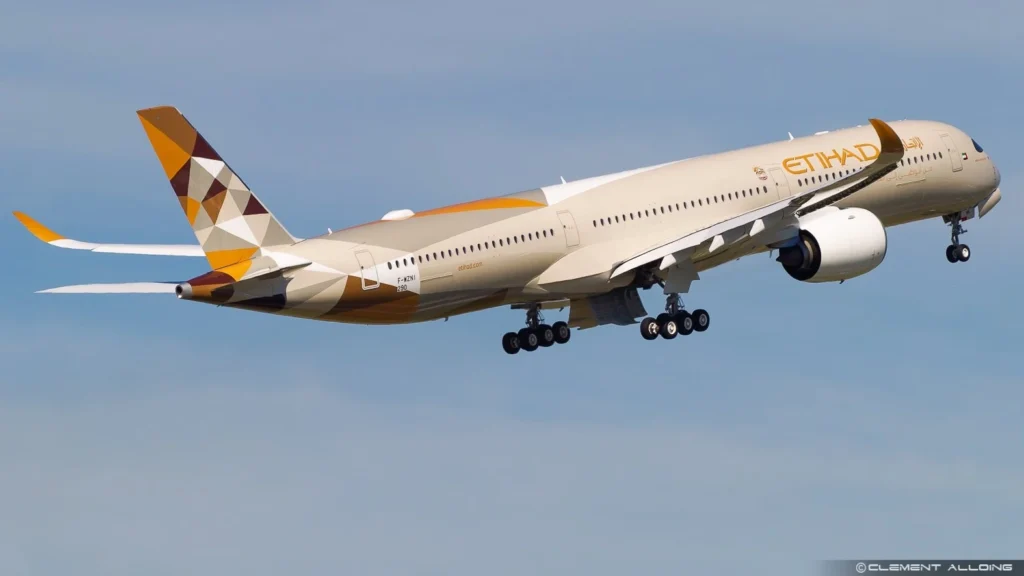
Etihad Restores Global Network from Abu Dhabi
Etihad Airways has restarted international operations with a reduced but wide-reaching network covering Europe, North America, Asia, Africa, and the Middle East. The temporary schedule aims to rebuild connectivity while regional airspace disruptions continue to ease.
The airline confirmed that services will remain limited and may vary by operating day. Flights are subject to regulatory approvals and evolving airspace conditions across the region.
The resumed network reconnects Abu Dhabi with several high-demand long-haul and regional markets. Key European gateways include Amsterdam (AMS), Athens (ATH), Barcelona (BCN), Brussels (BRU), Dublin (DUB), Frankfurt (FRA), Geneva (GVA), Madrid (MAD), Milan Malpensa (MXP), Munich (MUC), Prague (PRG), Rome Fiumicino (FCO), Vienna (VIE), Warsaw (WAW), and Zurich (ZRH).
North American services include Atlanta (ATL), Boston (BOS), Chicago O’Hare (ORD), New York John F. Kennedy (JFK), Toronto Pearson (YYZ), and Washington Dulles (IAD).
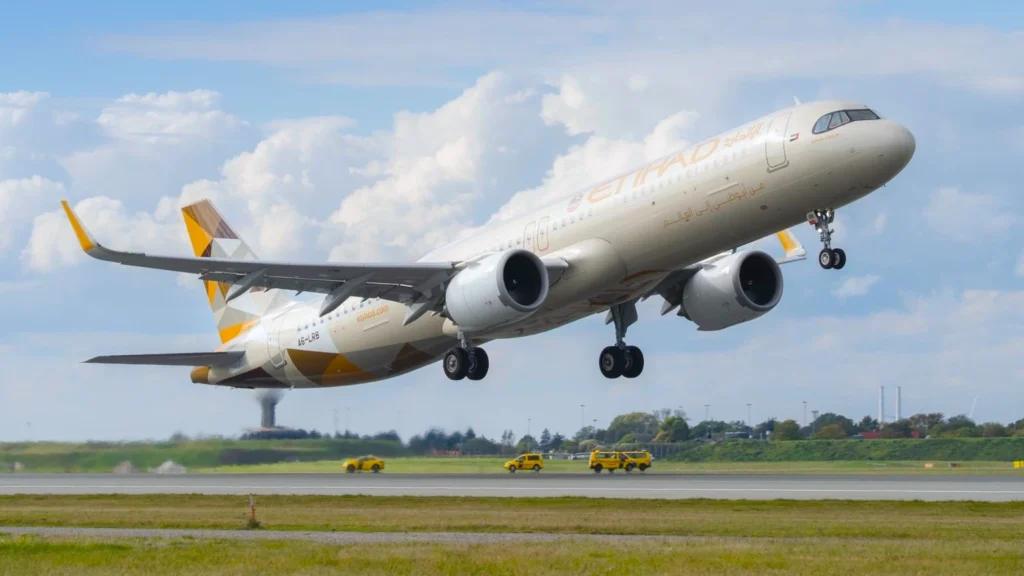
Extensive Coverage Across Asia and the Middle East
Etihad’s revised schedule also restores connections across South Asia, Southeast Asia, and East Asia.
Indian cities on the network include Ahmedabad (AMD), Bengaluru (BLR), Delhi (DEL), Hyderabad (HYD), Kochi (COK), Kolkata (CCU), Kozhikode (CCJ), Mumbai (BOM), and Thiruvananthapuram (TRV).
Additional Asian destinations include Bangkok (BKK), Beijing (PEK), Chiang Mai (CNX), Colombo (CMB), Denpasar Bali (DPS), Hanoi (HAN), Hong Kong (HKG), Jakarta (CGK), Kuala Lumpur (KUL), Manila (MNL), Phnom Penh (PNH), Phuket (HKT), Seoul Incheon (ICN), Singapore (SIN), Taipei (TPE), and Tokyo Narita (NRT).

Middle East and Africa Routes Resume
Regional routes across the Middle East and Africa are also part of the restored schedule.
Middle Eastern destinations include Cairo (CAI), Istanbul (IST), Jeddah (JED), Medina (MED), Muscat (MCT), and Riyadh (RUH).
African services include Addis Ababa (ADD), Casablanca (CMN), Nairobi (NBO), and Seychelles (SEZ).
Long-haul routes to Australia, including Melbourne (MEL) and Sydney (SYD), have also resumed as part of the phased recovery.

Travel Advisory for Passengers
Etihad Airways has advised passengers to verify flight status before heading to the airport. Not all destinations operate daily during the temporary schedule.
Travelers should check operating days and latest updates through the airline’s official website to avoid disruptions.
Airlines and airports across the United Arab Emirates are gradually restoring operations after recent regional airspace interruptions. Limited services have resumed at major airports, including Dubai International Airport (DXB), Zayed International Airport Abu Dhabi (AUH), Sharjah International Airport (SHJ), Ras Al Khaimah International Airport (RKT), and Fujairah International Airport (FJR).
Authorities continue to advise passengers to travel only with confirmed bookings while airline schedules stabilize.
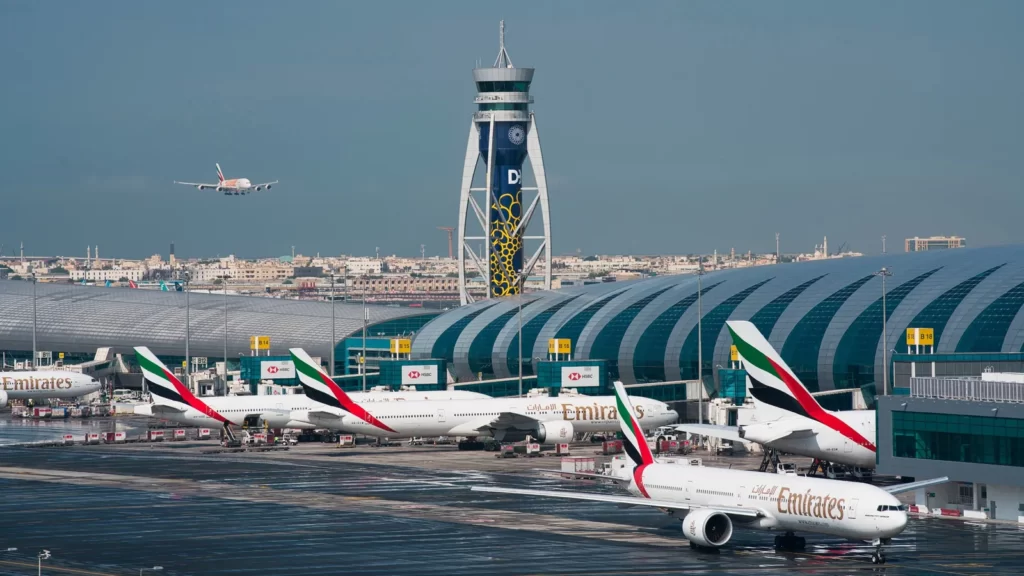
Dubai Airport Traffic Slowly Recovering
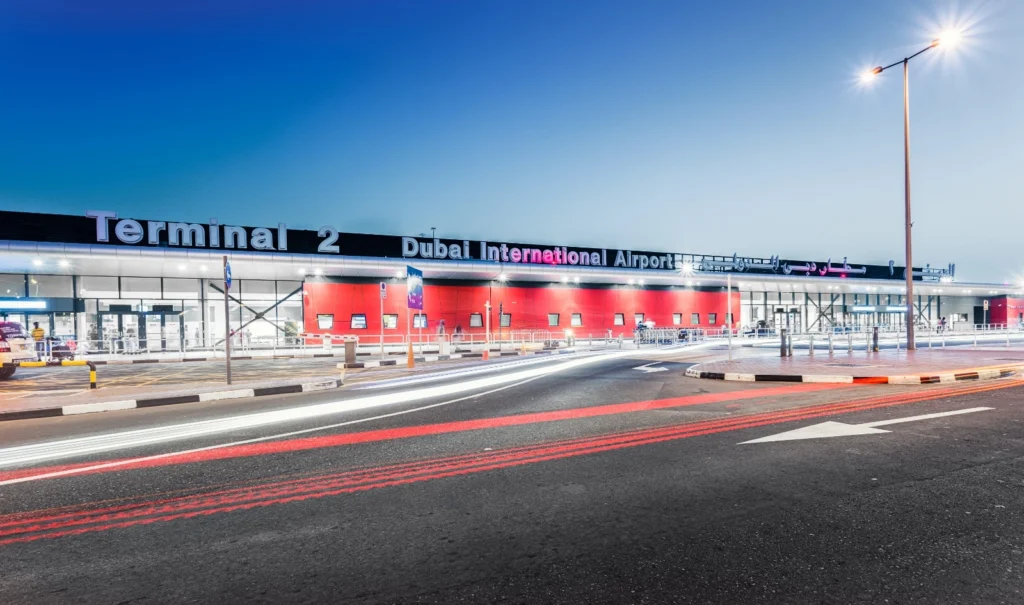
Dubai International Airport (DXB), typically the world’s busiest international hub, has seen a gradual return of flight activity.
Flight tracking data from Flightradar24 showed that airport traffic on Thursday nearly doubled compared with Wednesday. However, overall operations remain significantly reduced, operating at only about 25 percent of normal capacity.
Emirates (EK), based in Dubai, confirmed it is operating a reduced network to 82 destinations, including Sydney Airport (SYD), Singapore Changi Airport (SIN), London Heathrow Airport (LHR), and John F. Kennedy International Airport New York (JFK), Reuters reported.
The airline said transit passengers will only be accepted in Dubai International Airport (DXB) if their onward flights are confirmed to operate.
The disruptions have heavily affected travelers flying between Europe and the Asia-Pacific region. According to aviation analytics firm Cirium, Emirates (EK), Qatar Airways (QR), and Etihad Airways (EY) collectively handle about one-third of passenger traffic between Europe and Asia.
These airlines also carry more than half of all passengers traveling between Europe and Australia, New Zealand, and Pacific island destinations. The ongoing disruptions have therefore created a major bottleneck in long-haul travel.
The partial restart comes as airlines navigate ongoing missile and drone threats linked to the conflict involving the United States, Israel, and Iran. Several countries continue to maintain airspace restrictions across the region due to safety concerns.
Thousands of Flights Cancelled Across the Middle East
Data from Cirium indicates that between February 28 and March 5, more than 44,000 flights were scheduled across the Middle East.
More than 25,000 of those flights were cancelled due to airspace closures and security risks. Qatar’s Doha hub at Hamad International Airport (DOH) remains closed, though authorities have arranged limited evacuation flights through Muscat International Airport (MCT) in Oman and airports in Saudi Arabia.
Several governments have been coordinating repatriation flights to evacuate citizens from the region. A government-chartered Air France (AF) flight scheduled to repatriate French nationals from the United Arab Emirates was forced to turn back on Thursday after missile activity in the area, according to French Transport Minister Philippe Tabarot.
Meanwhile, the United Kingdom’s first repatriation flight from Oman arrived at London Stansted Airport (STN) early Friday after delays caused by operational issues during passenger boarding.
Airlines Add Emergency Capacity for Disrupted Travellers
Some airlines outside the region have added extra capacity to support stranded travelers.
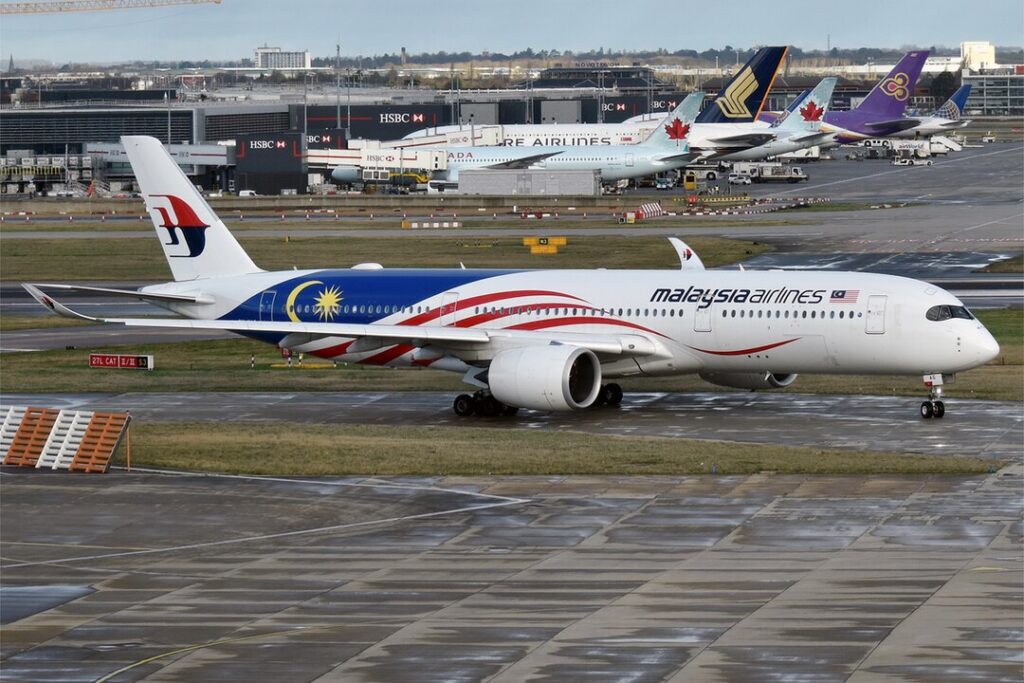
Malaysia Airlines (MH) announced additional flights from Kuala Lumpur International Airport (KUL) to London Heathrow Airport (LHR) and Paris Charles de Gaulle Airport (CDG) between Friday and Sunday.
SriLankan Airlines (UL) also scheduled an extra service between Bandaranaike International Airport, Colombo (CMB), and London Heathrow Airport (LHR) to help passengers affected by cancellations and airspace restrictions.
Travelers attempting to leave the region reported extremely high ticket prices and limited seat availability.
One passenger who traveled from Muscat International Airport (MCT) to London Heathrow Airport (LHR) on British Airways (BA) said it cost £1,500 just to reach Oman from Dubai in order to board a flight home.
Fuel Prices Surge as Oil Markets React to Conflict
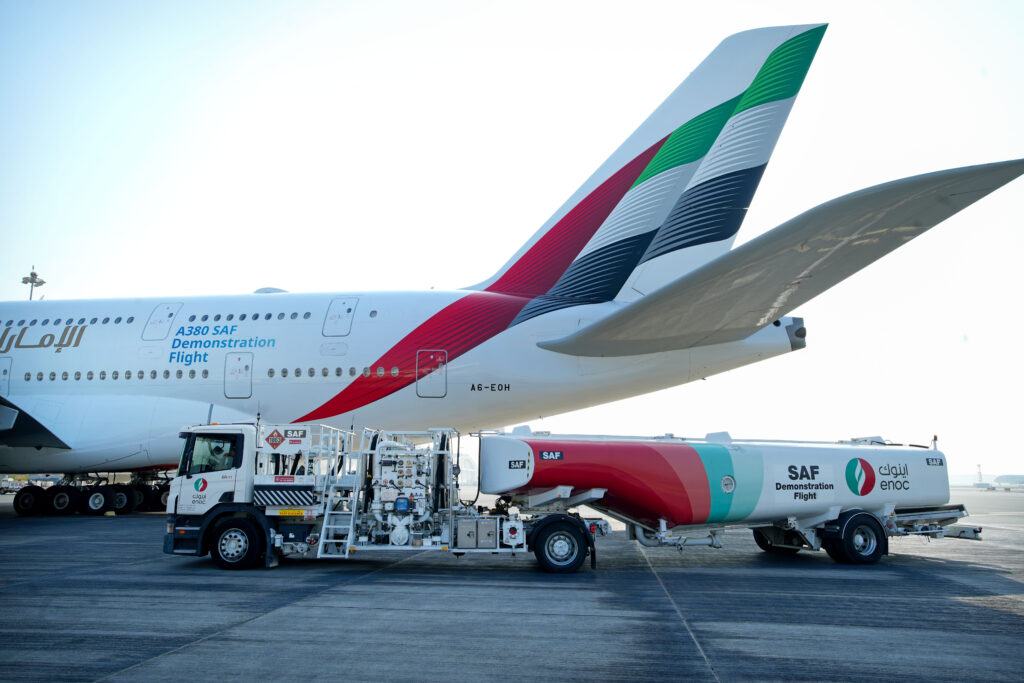
The regional conflict has also triggered a sharp increase in jet fuel prices, placing additional financial pressure on airlines.
Singapore jet fuel prices reached a record high of $225 per barrel earlier this week amid concerns about potential supply disruptions from Middle Eastern refineries. Prices later eased to around $195 per barrel but remain nearly double the level recorded the previous week.
Fitch Ratings stated that airlines could face financial strain not only from lost revenue due to cancellations but also from rising fuel costs.
Most carriers in Europe, the Middle East, and Africa have hedged between 50 percent and 80 percent of their fuel needs for the next three months. However, airlines remain exposed if prices continue rising.
Airline Stocks React to Ongoing Aviation Disruptions
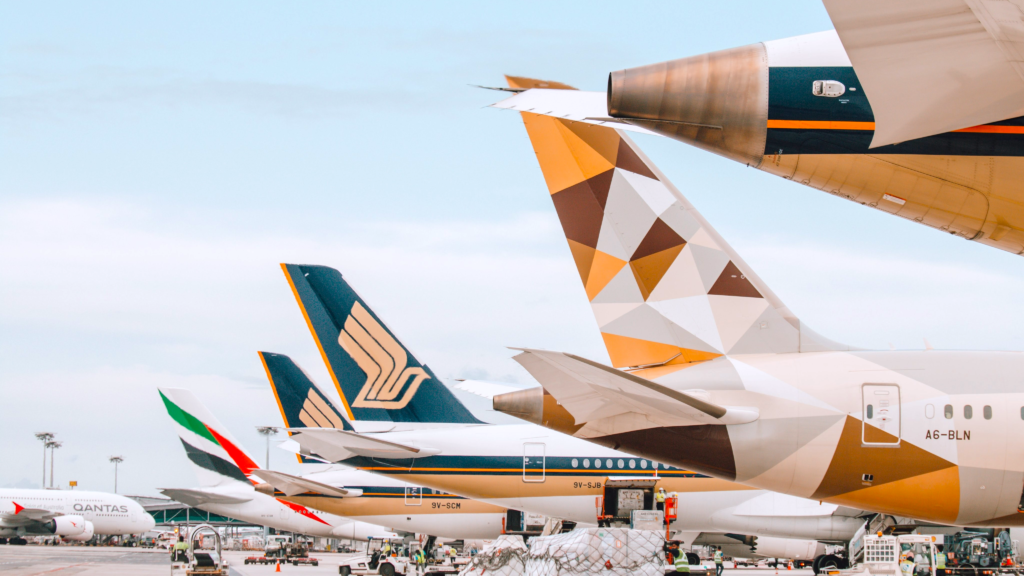
Investor sentiment across Asia-Pacific airline stocks weakened as the conflict continued to disrupt aviation markets.
Shares of Qantas Airways (QF) fell more than 1 percent, while Air New Zealand (NZ) dropped 6.4 percent. Cathay Pacific Airways (CX) declined about 1 percent, Singapore Airlines (SQ) slipped 0.6 percent, and Korean Air (KE) fell around 2 percent.
Shares of major Chinese airlines, including Air China (CA), China Eastern Airlines (MU), and China Southern Airlines (CZ), remained largely unchanged. Japan Airlines (JL) also showed minimal movement.
Stay tuned with us. Further, follow us on social media for the latest updates.
Join us on Telegram Group for the Latest Aviation Updates. Subsequently, follow us on Google News
