

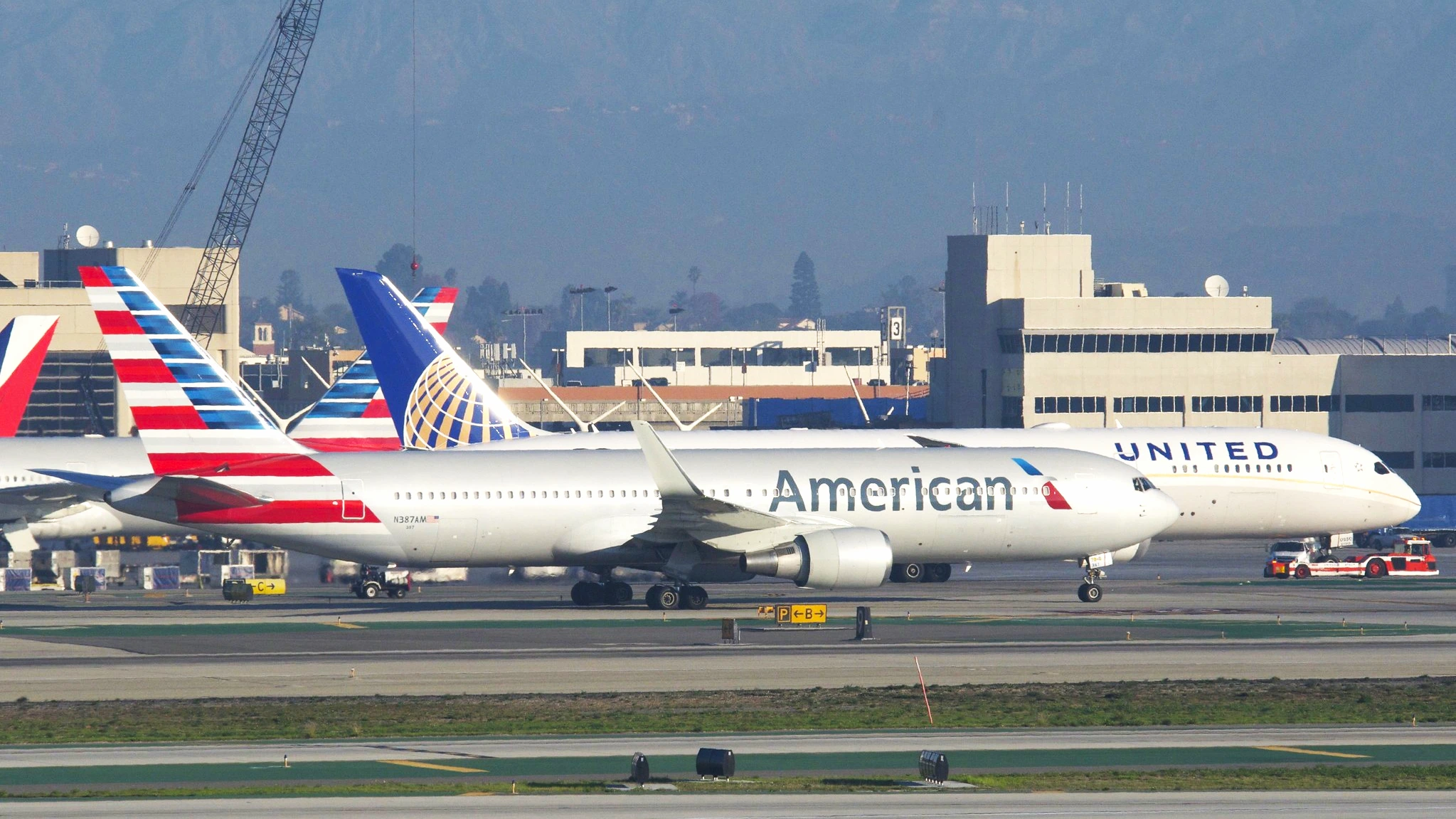
FORT WORTH- American Airlines (AA) has accused United Airlines (UA) of using aggressive scheduling tactics at Chicago O’Hare (ORD) to dominate operations and prevent rivals from gaining airport gates.
The dispute highlights growing tension between the two carriers ahead of the busy summer travel season.
Airline leaders warn that United’s expansion could lead to significant operational disruptions for passengers and crews at the already congested hub. Regulators are now reviewing airline schedules to prevent excessive congestion.
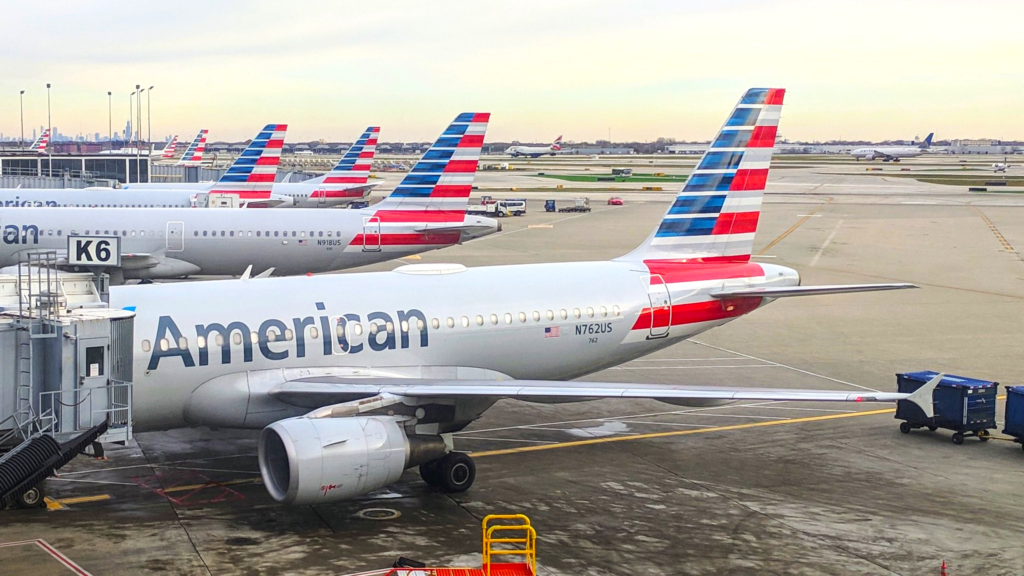
American Airlines and United Chicago Dispute
Chicago O’Hare (ORD) has become the focal point of a major competitive dispute between two of the largest airlines in the United States.
American Airlines (AA) claims United Airlines (UA) is increasing flight schedules aggressively to maintain dominance at the airport and block competitors from expanding.
In an internal memo to staff, American’s chief operating officer, David Seymour, and chief commercial officer, Nat Pieper, warned that United’s strategy could create severe operational strain.
The executives cautioned that the expansion may cause “long taxi times, extensive tarmac delays, missed customer connections, disrupted crew sequences and cascading disruptions across the system.”
The memo argues that United is employing a tactic known in the aviation industry as “flooding the zone.”
This strategy involves scheduling large numbers of flights, sometimes beyond operational necessity, to reinforce an airline’s market presence and limit expansion opportunities for competitors.
One example cited in the memo is United’s plan to operate up to 11 daily flights between Chicago O’Hare and Grand Rapids (GRR) during June.
American Airlines (AA) views this move as part of a broader effort by United to defend its position at the airport.
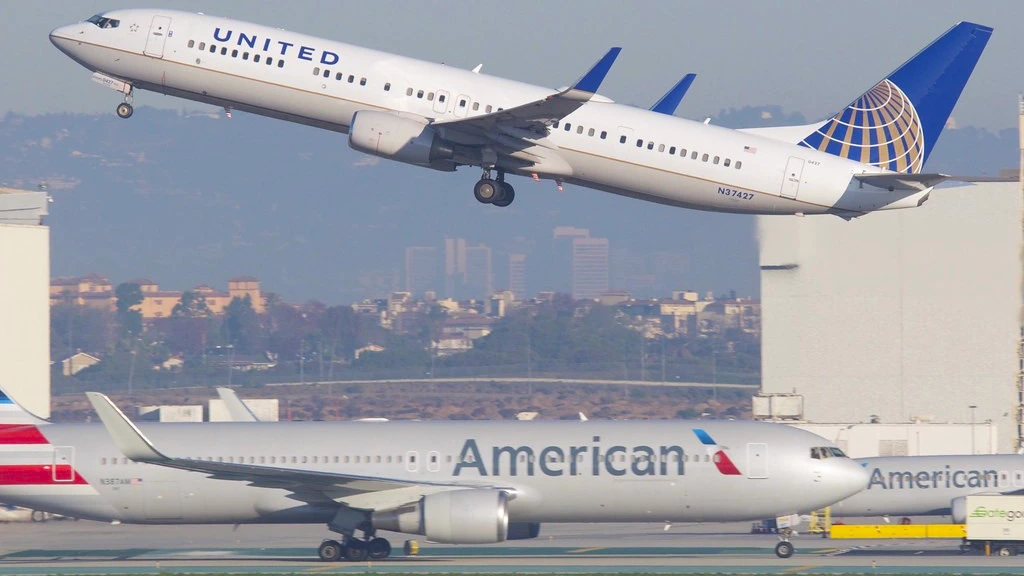
Gate Allocation and Post-Pandemic Recovery
Gate access at Chicago O’Hare depends partly on the number of flights each airline operates during the previous year. Airlines that maintain larger schedules typically secure more gates during periodic reallocations.
American Airlines acknowledged that its recovery at O’Hare after the COVID-19 pandemic was slower than expected.
Regional pilot shortages and delays in aircraft deliveries limited the airline’s ability to rebuild operations quickly.
Seymour and Pieper explained in the memo that this slower recovery resulted in lost gate access during the airport’s most recent gate redistribution.
They wrote, “Because we were slower to rebuild Chicago after the pandemic, we lost a few gates in the airport’s first gate reallocation.”
American Airlines now expects its planned growth during 2025 to help regain gates during the next allocation period scheduled for October. However, company leaders claim United’s recent actions aim to prevent that outcome.
According to the memo, United leadership has declared it will “draw a line in the sand” and “add as many flights as are required” to stop American from gaining additional gates at O’Hare.
American also accused its rival of effectively “dumping capacity” into its summer schedule with the goal of blocking competitors.
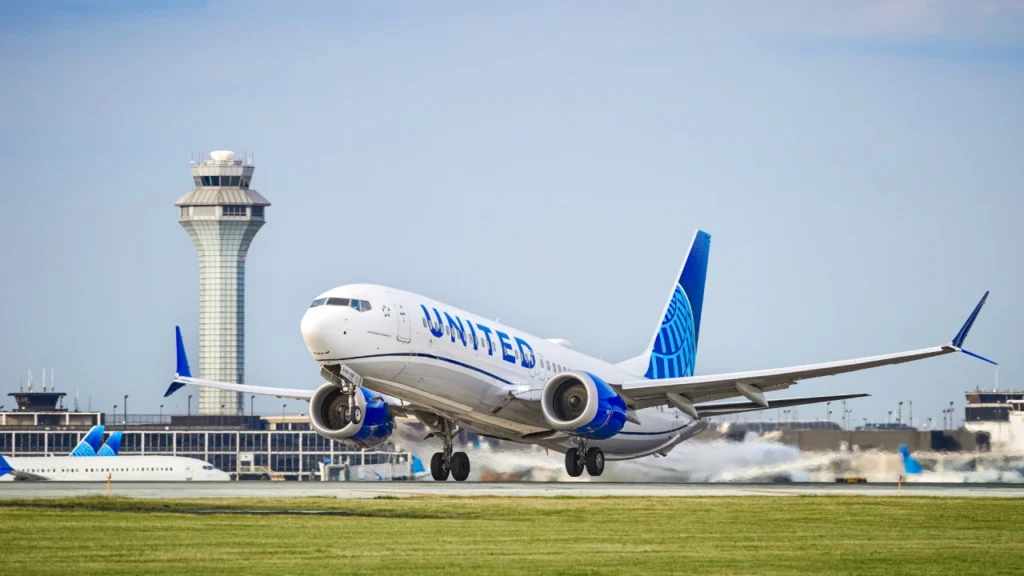
Expansion Plans Raise Operational Concerns
United Airlines is preparing a major increase in operations at Chicago O’Hare for the 2026 summer travel season.
The airline’s schedule could grow by about thirty-four percent year on year, adding roughly 130 additional flights each day.
American Airlines warned that United alone could exceed the Federal Aviation Administration’s maximum published departure rate at certain times of the day. This would occur even before accounting for flights operated by other airlines at the airport.
Such scheduling levels could push Chicago O’Hare toward operational limits. Industry groups have warned that excessive flight schedules may lead to widespread delays, aircraft congestion, and ripple effects across airline networks.
Sara Nelson, president of the Association of Flight Attendants, cautioned that the situation could produce what she described as a “summer of hell” for travelers and airline employees moving through Chicago.
The airport is also expected to experience its busiest summer on record, further increasing pressure on infrastructure and airline operations.
FAA Intervention and Industry Response
The Federal Aviation Administration has stepped in to address concerns about potential overscheduling at Chicago O’Hare.
The agency is reviewing airline schedules to ensure operations remain within safe and manageable limits.
FAA officials are scheduled to meet with airline representatives on Tuesday to discuss possible reductions in planned flight schedules. These discussions will focus on preventing excessive congestion and maintaining safe operating conditions.
American Airlines executives described United’s summer expansion plan as “a ploy to overschedule the airport to manipulate a provision which was meant to promote competition, seemingly without regard for ORD customers, team members, or airport partners.”
They also noted that United’s intentions have been clear for years, stating that its senior leadership had signaled similar strategies as far back as 2017.
According to PYOK, the dispute highlights how intense competition for airport gates can shape airline scheduling strategies at major hubs.
No final decision has yet been announced regarding potential schedule reductions.
Stay tuned with us. Further, follow us on social media for the latest updates.
Join us on Telegram Group for the Latest Aviation Updates. Subsequently, follow us on Google News
