

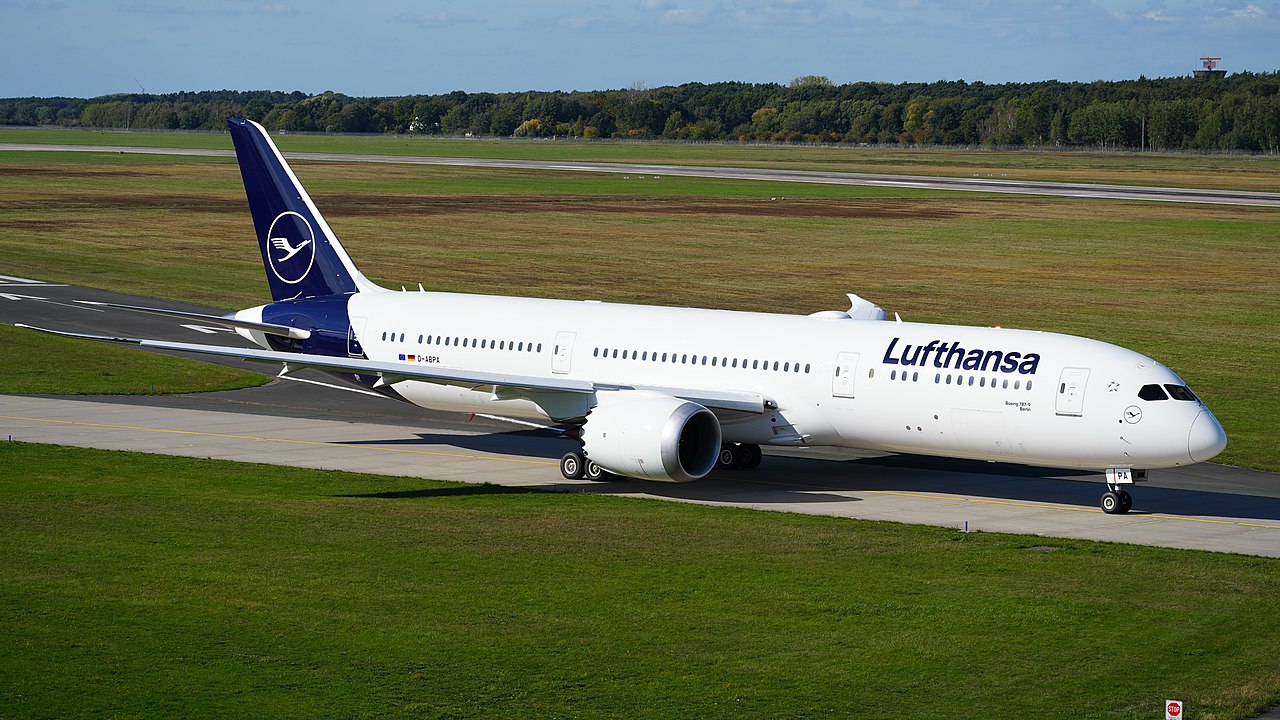
FRANKFURT- Lufthansa Airlines (LH) will launch nonstop flights between Kuala Lumpur International Airport (KUL), Malaysia, and Frankfurt Airport (FRA), Germany, starting October 25, 2026. The new route will operate five times weekly and strengthen the airline’s presence in Southeast Asia.
The service will connect Kuala Lumpur (KUL) with Frankfurt (FRA), Lufthansa’s largest hub, offering onward connections across Europe and North America. Flights will be operated with the Boeing 787 Dreamliner featuring the airline’s new Allegris cabin.
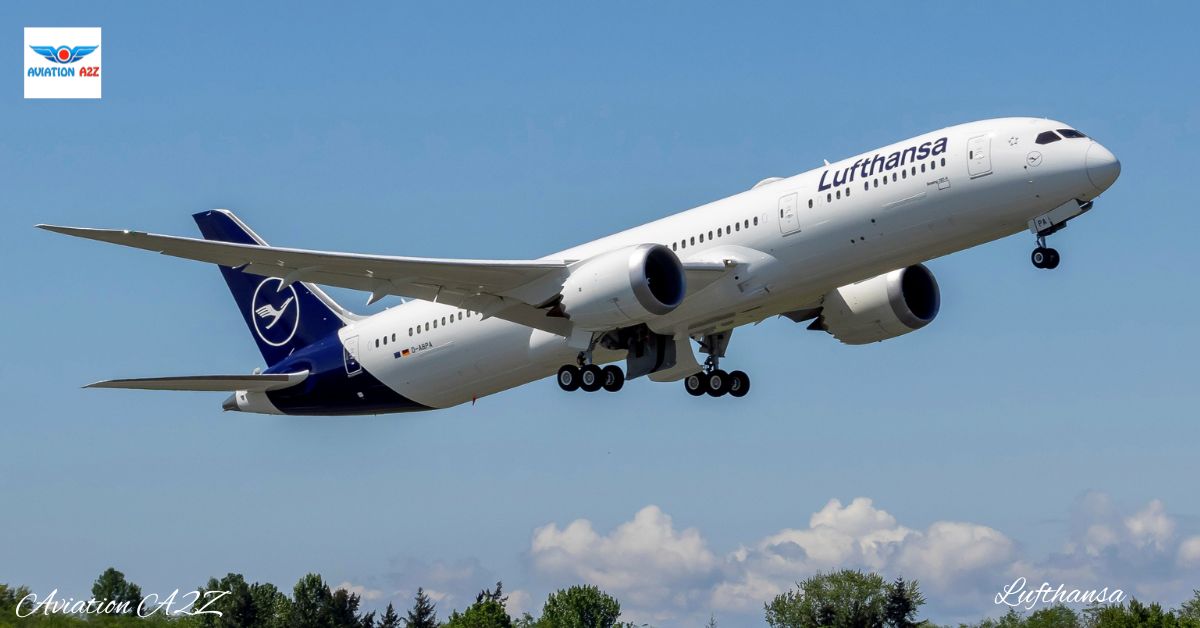
Lufthansa Kuala Lumpur Flights
Lufthansa Airlines (LH) will introduce a new nonstop route linking Frankfurt Airport (FRA) in Germany with Kuala Lumpur International Airport (KUL) in Malaysia. The service begins on October 25, 2026, and will operate five times per week year-round, excluding Tuesdays and Thursdays.
- Flight LH704 will depart Frankfurt at 9:30 PM and arrive in Kuala Lumpur at 4:40 PM local time the following day.
- The return flight LH705 will leave Kuala Lumpur at 11:55 PM and land in Frankfurt at 6:00 AM the next morning.
The schedule aligns with Lufthansa’s global network at Frankfurt, enabling smooth connections to destinations across Europe, North America, and other long-haul markets.
The airline has opened bookings for the route immediately.
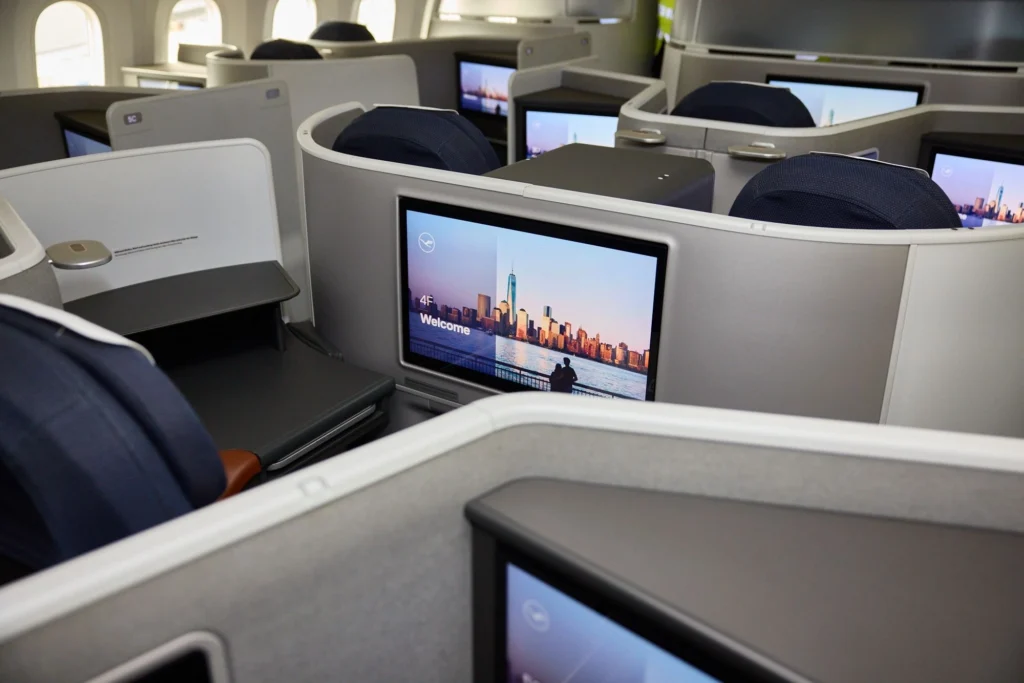
Boeing 787 Dreamliner With Allegris Cabin
Lufthansa will deploy the Boeing 787 Dreamliner on the Kuala Lumpur route. The aircraft is one of the newest and most fuel-efficient types in the airline’s fleet.
The aircraft features 287 seats across three travel classes and includes Lufthansa’s Allegris cabin concept. The product introduces redesigned seats, updated cabin interiors, and enhanced passenger comfort across First Class, Business Class, Premium Economy, and Economy.
According to Lufthansa Airlines CEO Jens Ritter, the new route supports the airline’s strategy to expand in fast-growing Asian markets while offering travelers a premium long-haul experience.
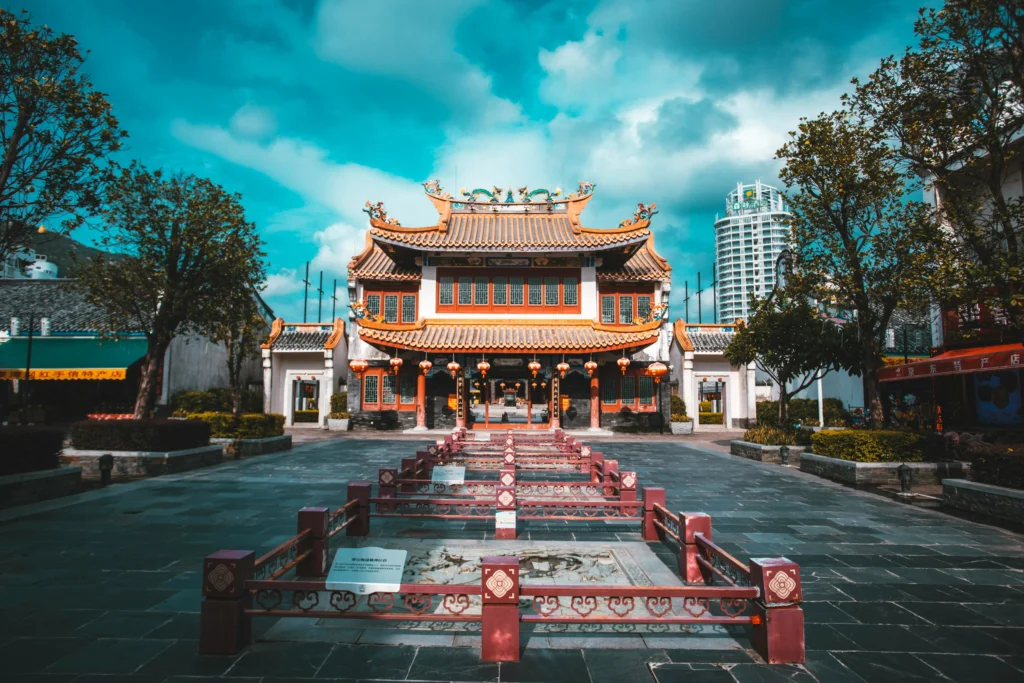
Malaysia’s Strong Tourism and Business Demand
Malaysia has emerged as one of Southeast Asia’s most visited destinations. The country welcomed about 42.2 million visitors in 2025, making it the most visited nation in the region.
Tourism demand is driven by Malaysia’s cultural diversity, tropical landscapes, and historic cities. Kuala Lumpur serves as the country’s main international gateway and a major regional business hub.
Economic ties between Germany and Malaysia also continue to grow. Germany is Malaysia’s largest trading partner within the European Union, and more than 700 German companies operate in the country.
Lufthansa sees strong long-term demand from both business and leisure travelers on this route.
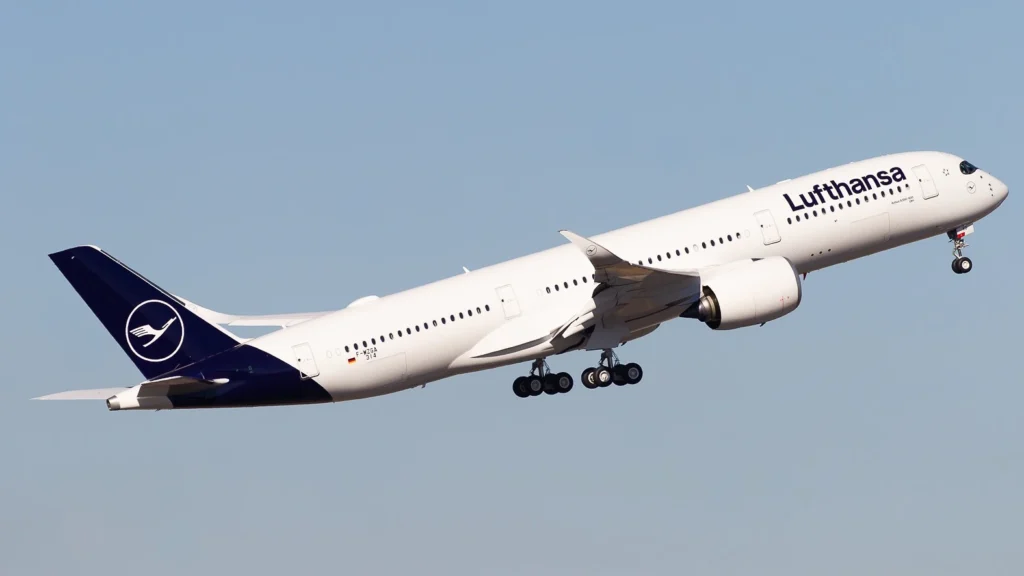
Lufthansa’s Growing Southeast Asia Footprint
With the addition of Kuala Lumpur, Lufthansa strengthens its network in Southeast Asia. The airline group already serves Bangkok, Singapore, and Phuket in the region.
From the Lufthansa Group’s home markets, including Germany, Austria, Switzerland, Belgium, and Italy, Lufthansa Airlines will be the only airline offering nonstop flights to Malaysia.
The route adds a new strategic connection between Europe and Southeast Asia while expanding Lufthansa’s long-haul network from Frankfurt.
About Lufthansa Group
The Lufthansa Group is one of the world’s largest aviation groups with operations across passenger airlines, logistics, and aircraft maintenance services.
The group employs more than 100,000 people from 164 countries worldwide. In the 2024 financial year, Lufthansa Group reported revenue of €37.6 billion.
Passenger airlines remain the largest segment of the group, supported by Lufthansa Cargo, Lufthansa Technik, IT services, and aviation training operations.
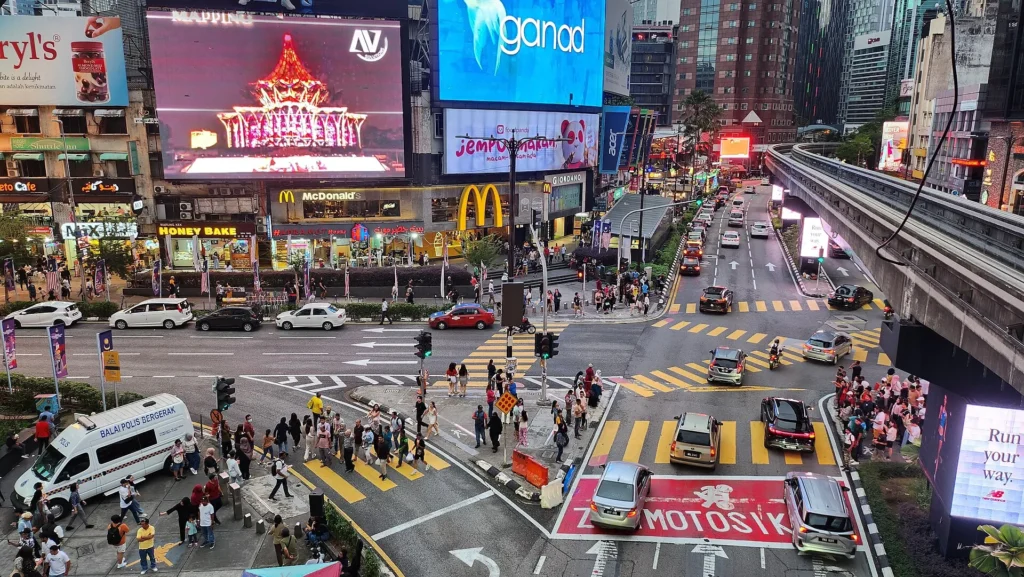
Kuala Lumpur Travel Guide
Kuala Lumpur blends Malay, Chinese, Indian, and Western influences into one of Southeast Asia’s most diverse urban destinations. The Malaysian capital offers iconic landmarks, rich culture, and one of the region’s most vibrant street food scenes.
The city combines modern skyscrapers with historic temples and lively markets. Travelers can explore famous attractions, enjoy affordable food, and navigate the city easily using public transport.
Exploring Kuala Lumpur’s Culture, Food, and Iconic Landmarks
Kuala Lumpur is Malaysia’s largest city and home to about eight million people. Its multicultural population shapes the city’s cuisine, architecture, and daily life. Visitors encounter Indian temples, Chinese markets, Islamic landmarks, and modern shopping districts within a few kilometers.
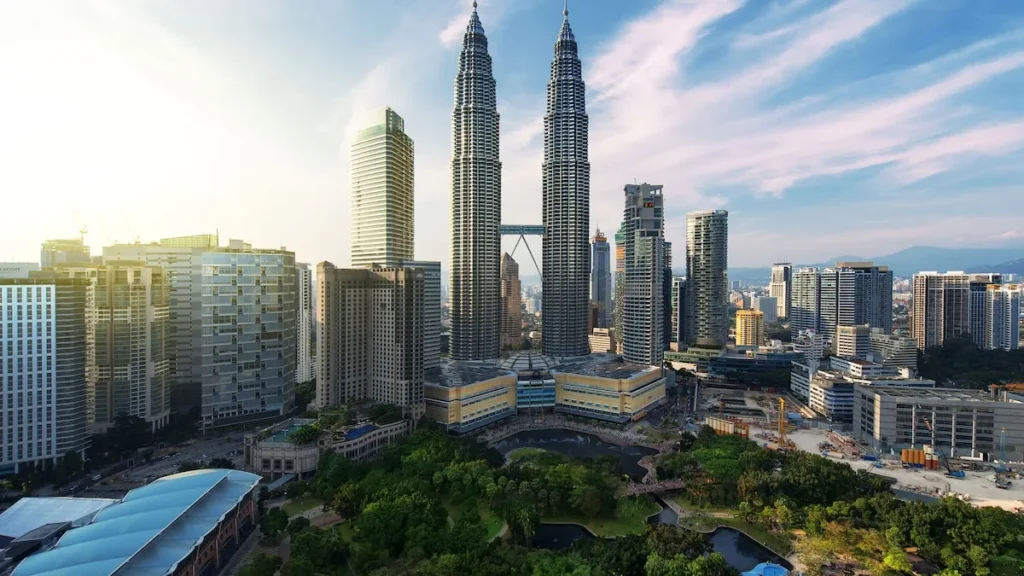
The city skyline is dominated by the Petronas Twin Towers, standing 452 meters tall. These twin skyscrapers were the tallest buildings in the world from 1998 to 2004 and remain a key symbol of Malaysia’s economic growth. Visitors can access the sky bridge on levels 41 and 42 for panoramic views of the city.
Food plays a central role in Kuala Lumpur’s identity. Around seven percent of Malaysia’s population is Malaysian Indian, which helps make the city one of the best places outside India to enjoy authentic Indian cuisine. Street food stalls, night markets, and hawker centers serve local dishes alongside Chinese, Malay, and Western flavors.
Top Attractions in Kuala Lumpur
Petronas Twin Towers
The Petronas Towers dominate the city skyline and attract visitors from around the world. The sky bridge connects the towers and offers views from more than 170 meters above ground. Entry tickets cost about 80 MYR and availability is limited each day.
Batu Caves
Batu Caves is one of Malaysia’s most famous Hindu pilgrimage sites. Visitors climb 272 colorful steps to reach the cave entrance beside a massive golden statue of Lord Murugan. Inside Cathedral Cave, a 100 meter high ceiling shelters Hindu shrines and temples. Entry is free.
Thean Hou Temple
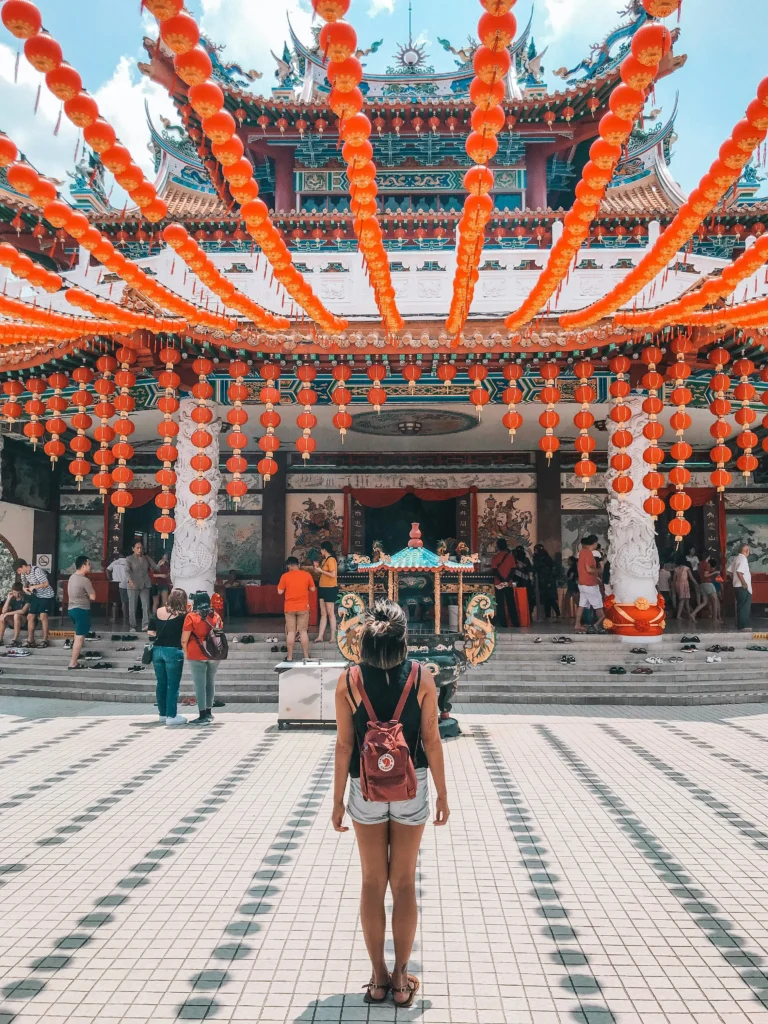
Thean Hou Temple is one of Southeast Asia’s largest and oldest Chinese temples. Built in 1894 by the Hainanese community, the six level structure sits on a hill with wide views across the city. Entry is free.
Sri Mahamariamman Temple
Located near Chinatown, this temple is the oldest Hindu temple in Malaysia. Its ornate gateway tower displays detailed sculptures of Hindu deities and mythological figures. Entry is free.
Kuala Lumpur Butterfly Park
The Butterfly Park houses more than 5,000 butterflies in a landscaped garden filled with tropical plants and flowers. An insect museum on site displays rare beetles and other insects. Entry costs about 25 MYR.
Museums, Parks, and Cultural Experiences
National Museum of Malaysia
The National Museum presents Malaysia’s history through four galleries that cover early civilization, colonial periods, and modern development. A highlight is the skeleton of Perak Man, believed to be over 11,000 years old. Admission costs 5 MYR.
Islamic Arts Museum Malaysia
This museum holds one of the largest collections of Islamic art in Southeast Asia. Visitors can explore over 7,000 artifacts across twelve galleries, including jewelry, architecture models, textiles, and manuscripts.
Masjid Negara
Masjid Negara is Malaysia’s national mosque and can accommodate up to 15,000 worshippers. The mosque’s blue star shaped dome represents the country’s thirteen states and the five pillars of Islam. Visitors are welcome outside prayer times and robes are provided for appropriate dress.
Lake Gardens and Bird Park
Lake Gardens, also known as Tun Abdul Razak Heritage Park, opened in 1880 and is Kuala Lumpur’s oldest public park. The park includes gardens, museums, and the Kuala Lumpur Bird Park, which houses more than 3,000 birds in one of the world’s largest walk in aviaries.
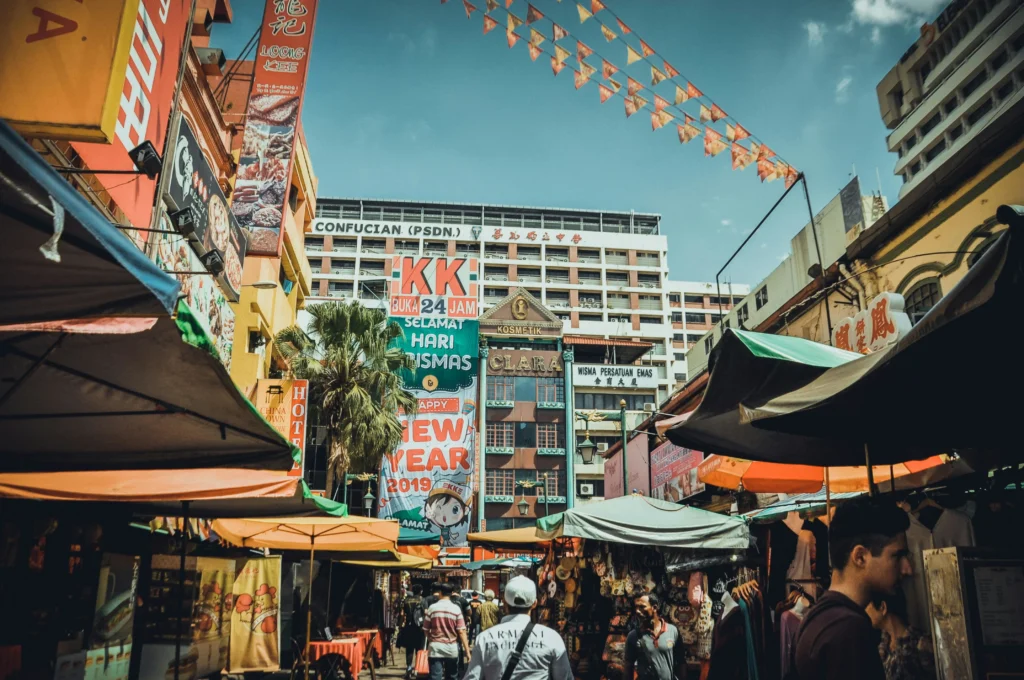
Kuala Lumpur’s Street Food and Culinary Scene
Street food defines the Kuala Lumpur dining experience. Jalan Alor is the city’s most famous street food destination, filled with stalls serving noodles, grilled seafood, satay, and local desserts.
Chinatown and Little India also offer affordable food markets. Petaling Street Market and the Little India Market feature traditional snacks, spices, and fresh dishes prepared by local vendors.
Food tours are another way to explore Kuala Lumpur’s culinary culture. Guided tours introduce travelers to dishes such as nasi lemak, char kway teow, and teh tarik while explaining the city’s multicultural food traditions.
Typical Travel Costs in Kuala Lumpur
Kuala Lumpur remains one of Southeast Asia’s more affordable capital cities.
Hostel dorms cost between 20 and 55 MYR per night, while private hostel rooms range from 85 to 125 MYR. Budget hotels typically charge between 75 and 150 MYR per night.
Street food meals cost around 10 MYR. Dining at local restaurants ranges from 15 to 45 MYR, while Western restaurants may charge between 30 and 50 MYR per meal.
Public transportation is inexpensive, with most rides costing between 2 and 15 MYR depending on distance.
Getting Around the City
Kuala Lumpur has an efficient public transport system that includes buses, light rail trains, commuter trains, and a monorail network. RapidKL operates most of the bus routes in the city.
The MyRapid Touch ‘n Go card offers discounted fares and allows passengers to load daily or multi day transit passes. The Go KL City Bus also runs four free routes through central areas and major attractions.
Ride hailing services such as Grab are widely used and usually cheaper than taxis. Bike sharing systems also operate in the city, allowing short rides through a mobile app.
Safety Tips for Travelers
Kuala Lumpur is generally safe for visitors, but petty crime such as pickpocketing can occur in crowded areas and on public transport. Travelers should avoid displaying phones or valuables openly.
Backpacks should remain within sight in restaurants and markets. ATMs inside banks are safer than street machines when withdrawing cash.
Visitors should also avoid feeding monkeys at Batu Caves, as they often grab bags, sunglasses, and food.
Emergency services can be reached by dialing 999.
Best Time to Visit Kuala Lumpur
Kuala Lumpur experiences warm temperatures throughout the year, with daytime averages around 34°C and nighttime temperatures near 27°C.
The city receives rain during two main monsoon periods from October to January and again from March to April. Rain showers are usually short but frequent.
May to July is generally considered the best time to visit due to lower rainfall. The busiest tourist period runs from June to August, which also coincides with several cultural festivals.
Stay tuned with us. Further, follow us on social media for the latest updates.
Join us on Telegram Group for the Latest Aviation Updates. Subsequently, follow us on Google News
