


The global defence industry in 2025 continues to be shaped by a mix of technological innovation, rising geopolitical tensions, and major modernisation programmes across air, land, sea, and space.
From American giants to Chinese state-owned firms and Europe’s key defence players, the world’s biggest contractors have seen impressive growth as governments pour billions into next-generation weapon systems, cyber capabilities, and advanced aerospace technologies.
Top 10 Largest Defence Companies in the World in 2025
The following ranking, based on Defense News’ annual review, highlights the Top 10 Largest Defence Companies in 2025, measured by their total and defense-specific revenues for 2024.

1. Lockheed Martin, United States
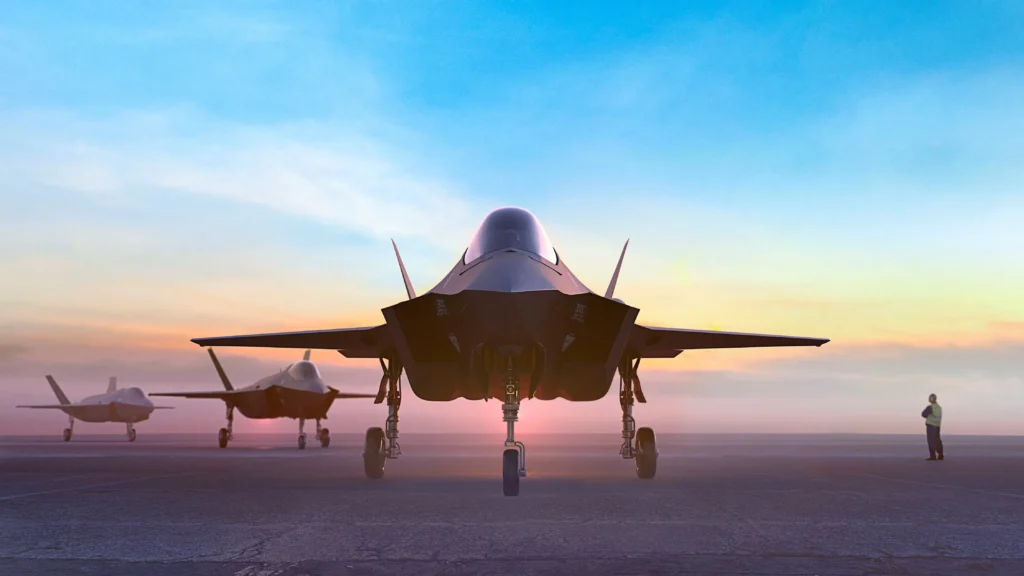
Holding its crown as the world’s largest defence contractor, Lockheed Martin reported an astonishing $68.39 billion in defence revenue for 2024, nearly 96% of its total business.
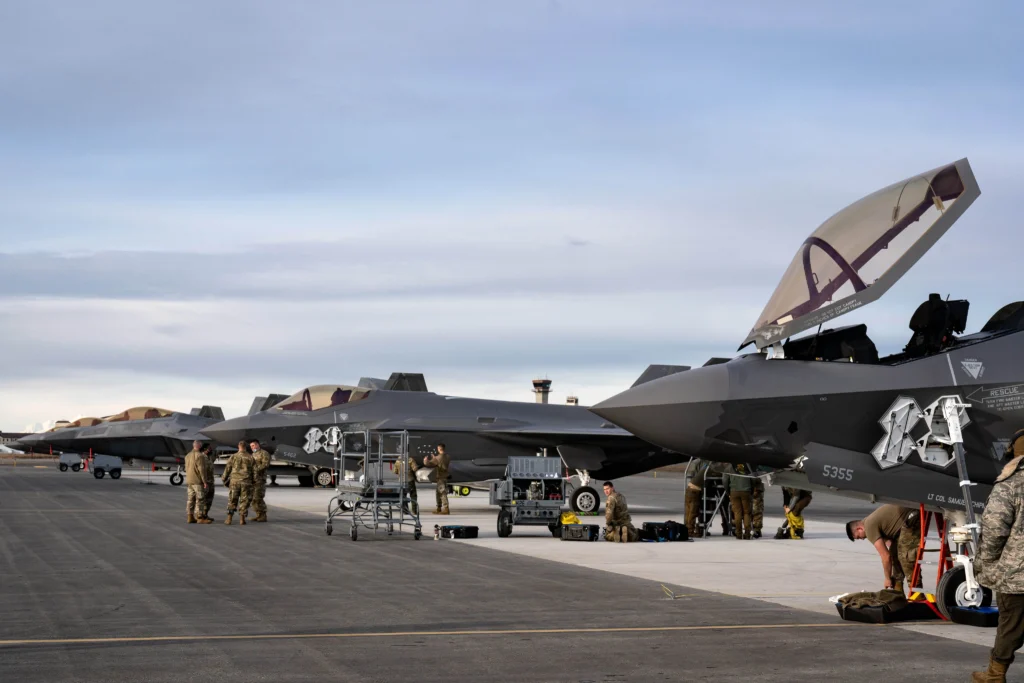
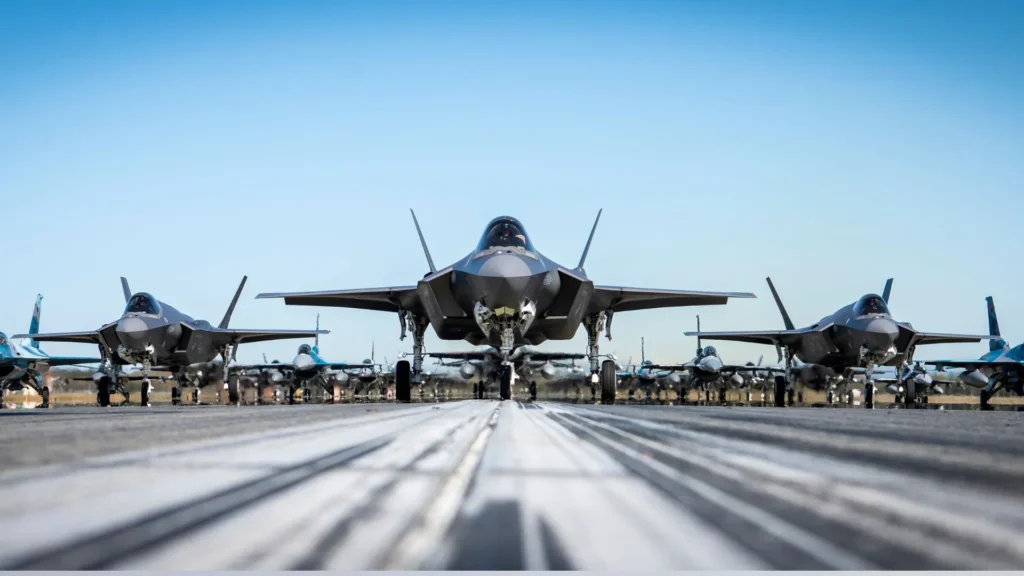
The company continues to dominate through its flagship F-35 Lightning II fighter jet programme, advanced missile systems, and space technologies.
Lockheed’s sustained innovation and deep ties with the Pentagon cement its place at the very top of the global defence hierarchy. In 2025, its focus extends to hypersonic systems, integrated space defence, and digital command solutions, ensuring it remains unmatched in scale and influence.
2. RTX, United States
Formerly Raytheon Technologies, RTX has climbed to second place, generating $43.5 billion in defence revenue from a total of $80.7 billion.
The company’s diversified portfolio covers aerospace, defence electronics, and advanced radar systems. With subsidiaries like Pratt & Whitney and Raytheon Missiles & Defence, RTX plays a pivotal role in modernising both air and missile defence infrastructure worldwide.
Despite a broader commercial focus than Lockheed, over half of its revenue still comes from defence contracts. In 2025, RTX remains a powerhouse in global security, delivering next-generation propulsion, precision weapons, and integrated radar technologies to major armed forces.
3. China Aerospace Science and Industry Corporation, China
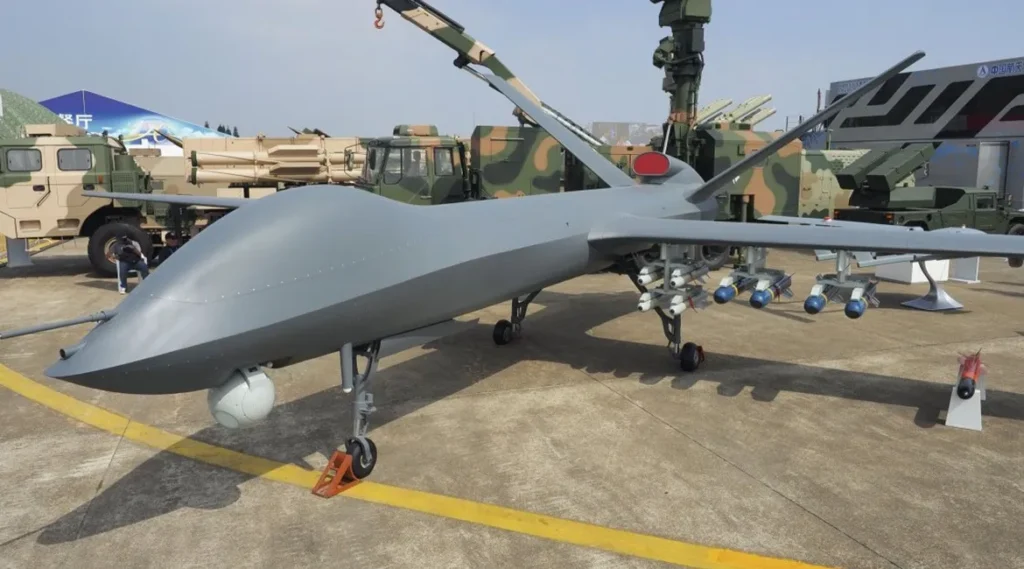
A new entrant in this year’s top three, CASIC is China’s premier missile and space technology conglomerate. With $38.7 billion in defence revenue out of a staggering $120.9 billion total, CASIC reflects Beijing’s continued investment in advanced aerospace capabilities.
The company is known for producing cutting-edge missile systems, drones, and space technologies that form the backbone of China’s defence modernisation.
Its inclusion in the top tier of global defence contractors underscores China’s growing dominance in strategic industries. CASIC’s expansion into commercial space and satellite sectors further amplifies its technological influence on both military and civilian fronts.
4. Northrop Grumman, United States
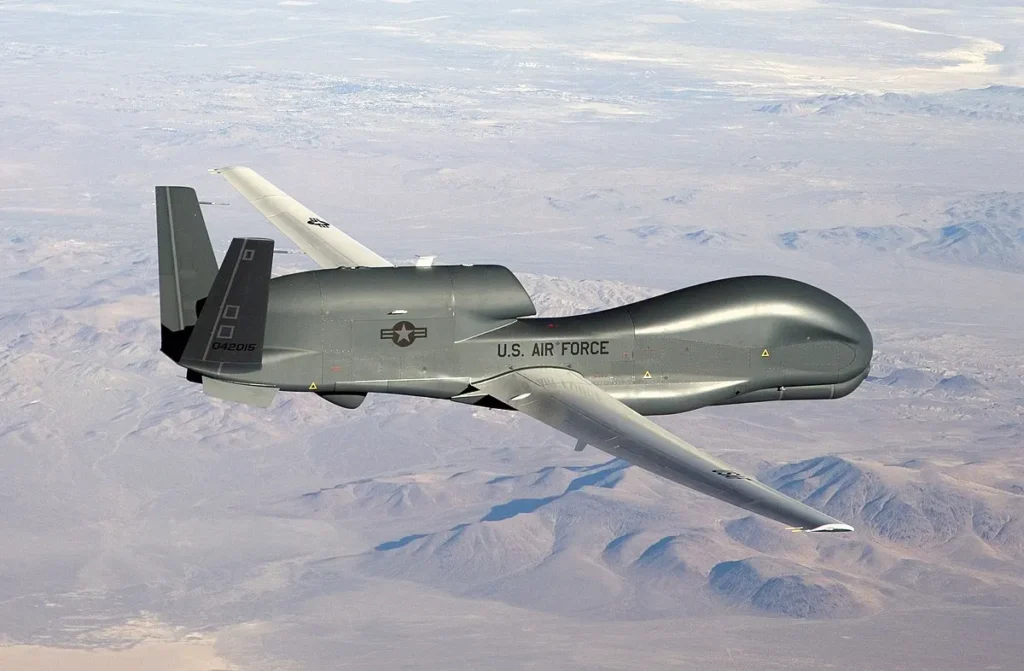
Northrop Grumman retains its fourth position with $36.6 billion in defence revenue, representing 89% of its total income. The company is widely recognised for its expertise in stealth aircraft, missile systems, and cutting-edge autonomous technologies.
Its involvement in the B-21 Raider stealth bomber and advanced space surveillance programmes demonstrates its leadership in next-generation air and space warfare.
Northrop’s heavy focus on cyber resilience and satellite integration also cements its relevance in an era where digital security is as vital as physical defence.

5. General Dynamics, United States
Generating $36.5 billion in defence revenue for 2024, General Dynamics continues to dominate in armoured vehicles, submarines, and defence IT solutions.
The company’s iconic products, including the M1A2 Abrams tank and Virginia-class submarines, remain central to the US and allied armed forces.
Beyond hardware, General Dynamics has carved a significant presence in secure communications and command systems. The group’s balanced approach — blending heavy engineering with technological innovation — keeps it firmly within the world’s top five defence firms.
6. BAE Systems, United Kingdom
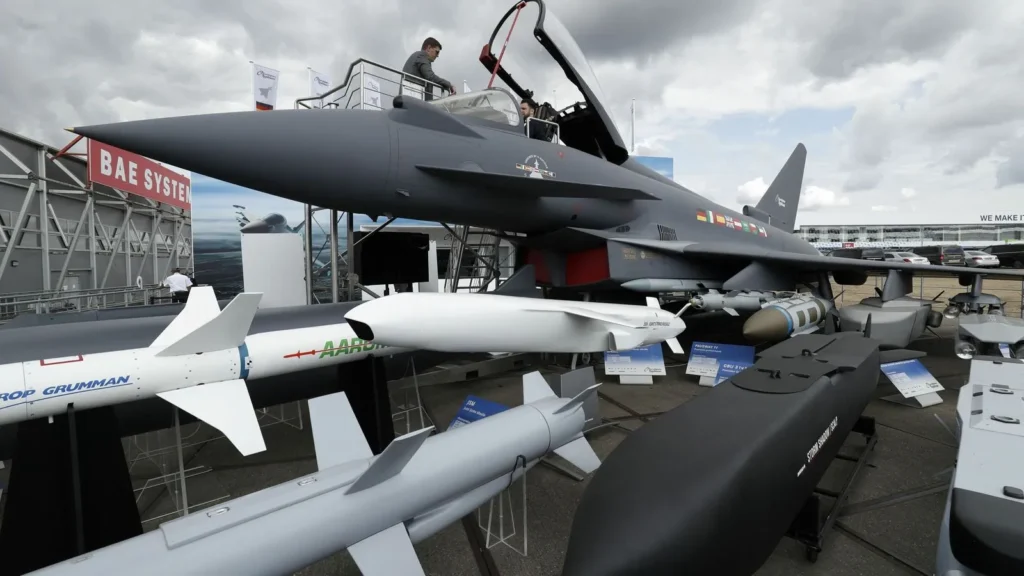
The UK’s BAE Systems continues to maintain a strong global presence, earning $32.26 billion in defence revenue, roughly 96% of its total. A key player in Europe’s defence landscape, BAE is deeply involved in the Eurofighter Typhoon, Tempest next-gen fighter project, and naval shipbuilding.
The company’s reach extends across the US, Australia, and the Middle East, where it supplies everything from armoured vehicles to cybersecurity systems.
In 2025, BAE’s focus on sustainability, digital defence, and space-based surveillance highlights its adaptability in a rapidly evolving industry.
7. Boeing, United States
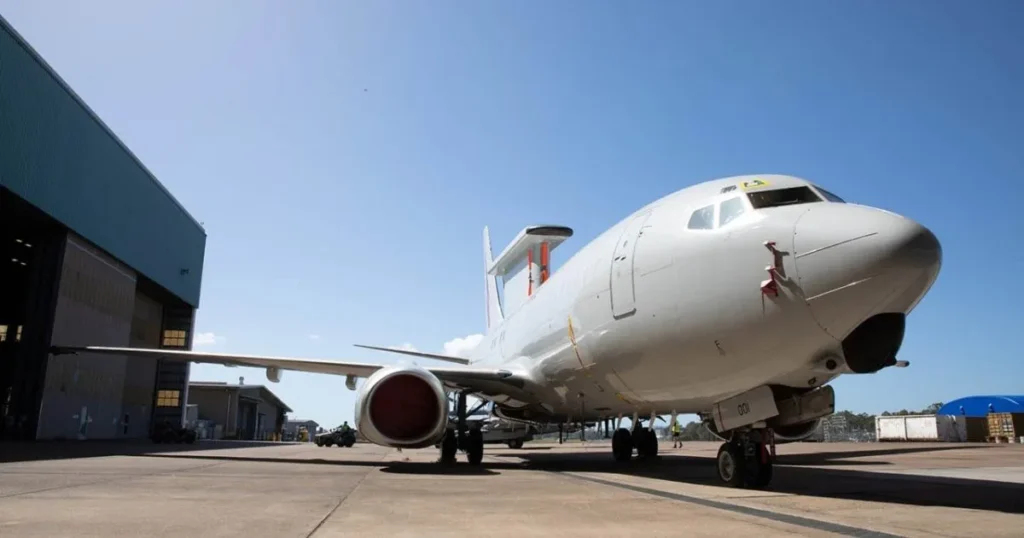
While Boeing is globally recognised for its commercial aircraft, its defence division remains a heavyweight contributor, generating $31.75 billion from military contracts — around 48% of total revenue.
The company’s defence arm produces fighter jets, tankers, helicopters, and space launch systems, supplying multiple global allies. Programmes such as the KC-46A Pegasus tanker and the P-8 Poseidon patrol aircraft remain central to Boeing’s defence identity.
Although challenges in the commercial sector have been widely publicised, Boeing’s military segment continues to perform strongly, keeping it among the top global defence contractors in 2025.
8. China State Shipbuilding Corporation (CSSC), China
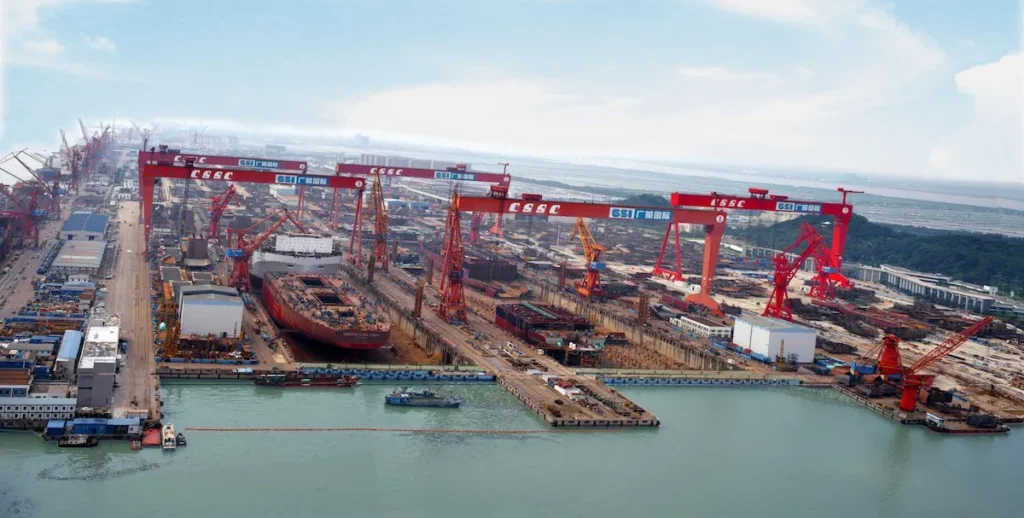
With $22.39 billion in defence revenue from a total of $111.97 billion, CSSC represents China’s naval might.
The company builds the nation’s aircraft carriers, destroyers, and submarines, forming the industrial core of the People’s Liberation Army Navy (PLAN). Its shipyards across Shanghai and Dalian produce some of the world’s most advanced warships.
CSSC’s influence extends beyond China’s borders, with technology exports and naval support projects in developing countries. The firm’s continued growth mirrors China’s strategic ambition to become a dominant maritime power by the end of the decade.
9. L3Harris Technologies, United States
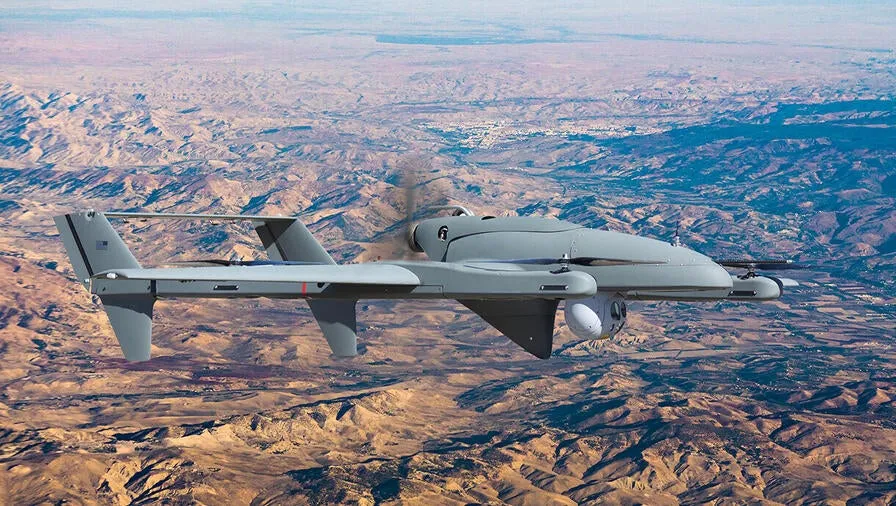
Rising steadily through the ranks, L3Harris Technologies posted $16.98 billion in defence revenue for 2024, around 80% of its total.
The company specialises in advanced communications, electronic warfare, and surveillance systems, crucial to modern command and control operations. Its focus on interoperability and digital integration has made it a trusted partner for NATO and allied forces.
In 2025, L3Harris continues expanding in cyber defence and space technologies, positioning itself as a major innovator in the electronic systems market. Its consistent performance secures its place among the top ten global defence players.

10. Thales, France
France’s Thales Group makes a significant leap this year, climbing from 17th to 10th place thanks to $15.9 billion in defence revenue — a remarkable 72% of its total earnings.
The company has benefited from strong demand for secure communications, radar, and avionics systems across Europe and Asia.
Its involvement in next-generation satellite constellations and air defence systems has also driven growth. Thales’ success highlights Europe’s increasing investment in self-reliant defence technologies amid global tensions. With innovation spanning land, sea, air, and cyber, Thales remains one of the most versatile defence technology groups in the world.
Bottom Line
The 2025 defence landscape reflects a world where military capability and technology remain crucial pillars of national strategy. American firms continue to dominate the upper tier, but China’s growing industrial power, represented by CASIC and CSSC, is unmistakable.
Meanwhile, Europe’s resurgence through BAE Systems and Thales signals renewed focus on continental security. Across the board, investment in space, cybersecurity, and autonomous systems is transforming traditional defence industries.
As global tensions persist, these top ten companies stand at the forefront of innovation, strategy, and power projection, shaping the future of global defence well beyond 2025.
10 Largest Defense Companies FAQs
Lockheed Martin remains the world’s largest defence contractor in 2025, with nearly all its revenue, around 96%, coming from military and aerospace projects, including the F-35 fighter jet and advanced missile systems.
Yes, Chinese firms such as CASIC and CSSC are now major players. Their growing investments in missile technology, naval expansion, and space defence have helped them climb rapidly in global rankings.
Rankings are mainly based on annual defence-related revenue, along with technological capability, global contracts, and production scale across land, air, sea, and space sectors.
Stay tuned with us. Further, follow us on social media for the latest updates.
Join us on Telegram Group for the Latest Aviation Updates. Subsequently, follow us on Google News
