

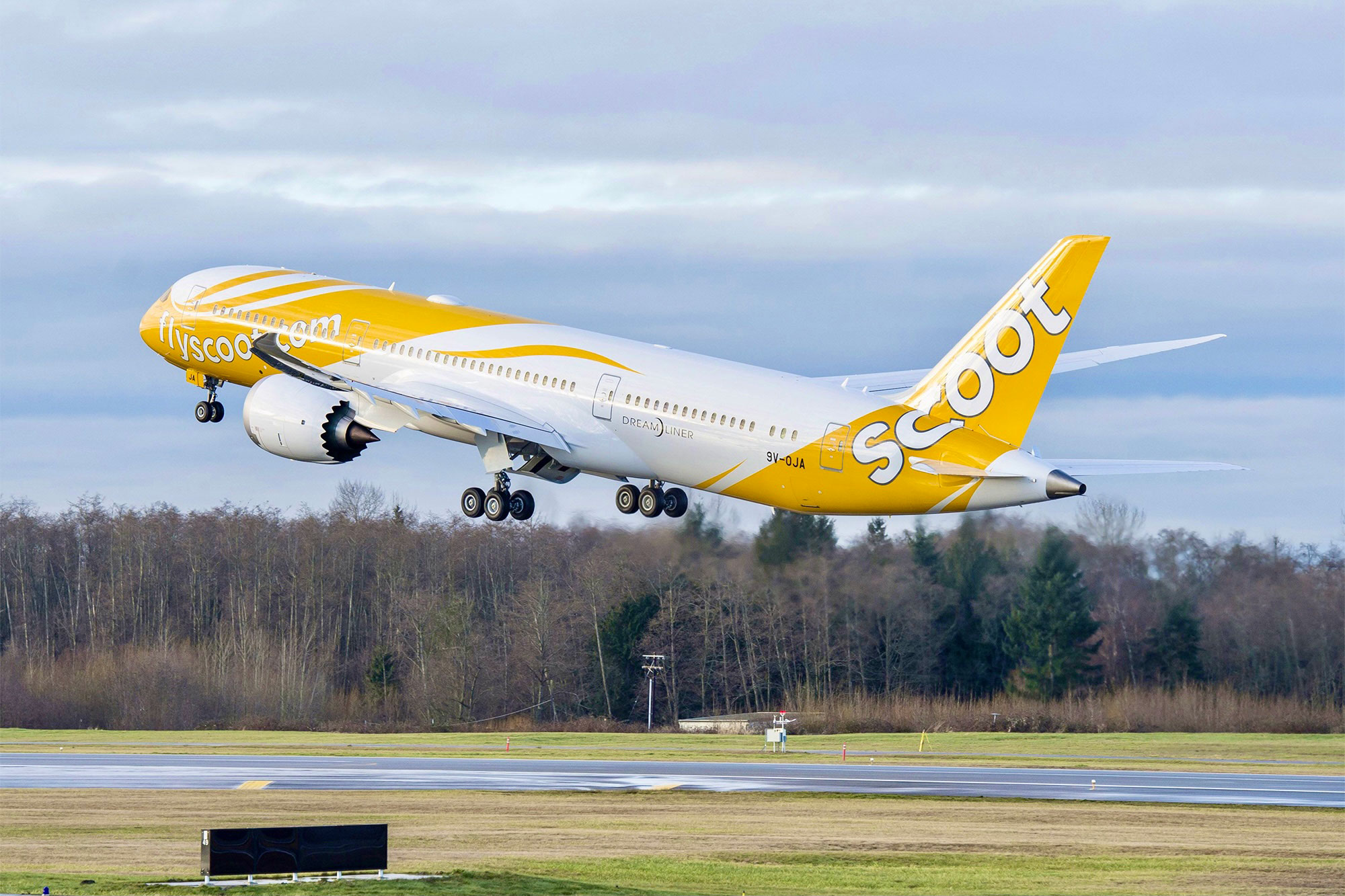
SINGAPORE- Scoot (TR) has launched direct flights between Singapore Changi Airport (SIN) and Tokyo Haneda Airport (HND), entering one of Asia’s most competitive long-haul leisure and business routes. The service places the low-cost carrier alongside All Nippon Airways (NH), Japan Airlines (JL), and parent Singapore Airlines (SQ) at Haneda.
The move expands Scoot’s Japan network to 45 weekly flights and increases overlap within the Singapore Airlines Group portfolio, as both Scoot (TR) and Singapore Airlines (SQ) operate between Singapore (SIN) and Tokyo (HND).
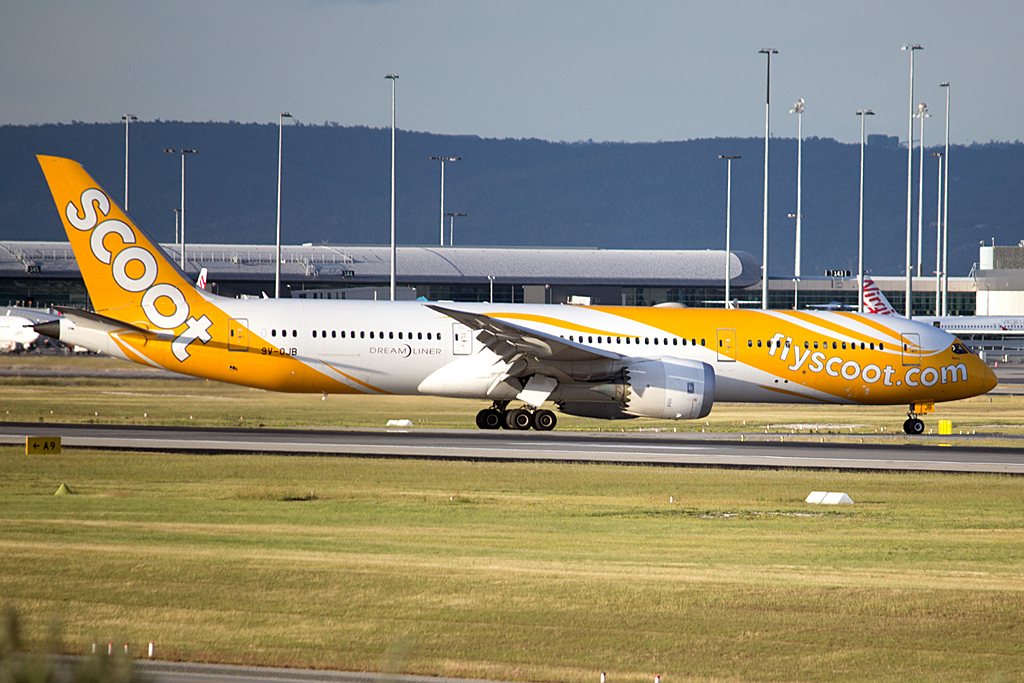
Scoot Launching Tokyo Flights
Scoot’s new Haneda service began operations on Sunday, marking a strategic shift for the budget airline. Haneda Airport (HND), located closer to central Tokyo than Narita International Airport (NRT), offers shorter ground transfer times and stronger domestic connectivity.
Direct flights between Singapore (SIN) and Haneda (HND) are already operated by All Nippon Airways (NH), Japan Airlines (JL), and Singapore Airlines (SQ). By adding Haneda to its portfolio, Scoot increases competition not only with Japan’s two largest carriers but also within its own group structure.
The Singapore Airlines Group now operates 25 overlapping routes between its full-service and low-cost brands. In high-demand sectors such as Singapore to Tokyo, the dual-brand strategy allows the group to target both premium and price-sensitive travelers.
Scoot’s Chief Commercial Officer, Calvin Chan, stated that Japan remains a core growth market. He cited sustained demand and positive passenger response as key drivers behind the expansion, Nikkei reported.
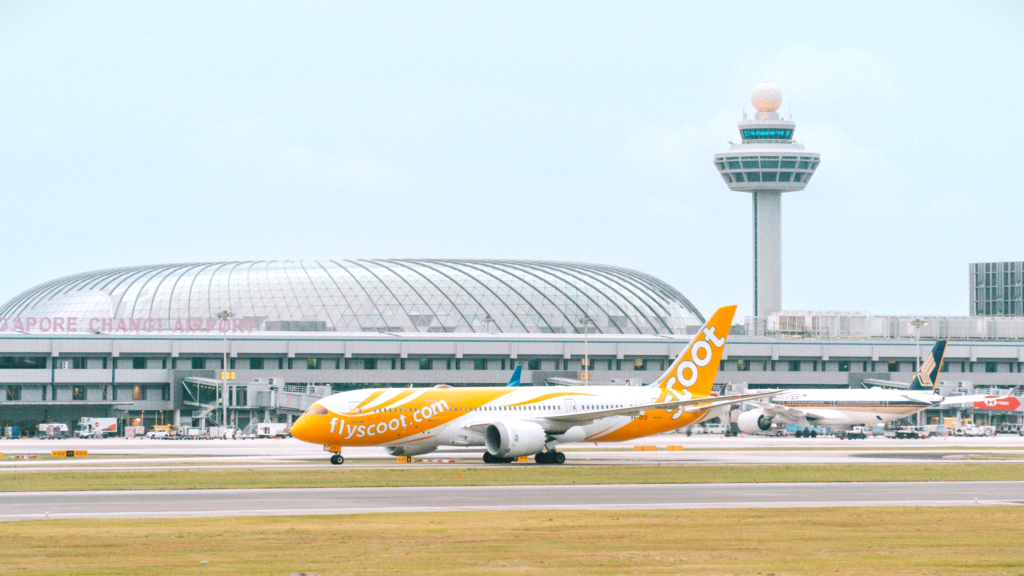
Expanding Japan Network and Domestic Connectivity
With Haneda added, Scoot now operates 45 weekly services to Japan. The airline serves multiple Japanese destinations, including:
- Tokyo Haneda (HND)
- Tokyo Narita (NRT)
- Osaka Kansai (KIX)
- Sapporo New Chitose (CTS) in Hokkaido
- Naha (OKA) in Okinawa
Haneda’s strong domestic flight network supports onward travel across Japan. This enables Scoot to capture passengers traveling beyond Tokyo, improving itinerary flexibility without relying solely on Narita.
Scoot also differentiates its product through unbundled pricing. Passengers can customize services such as meals and checked baggage, allowing the airline to compete on cost while maintaining operational efficiency.

Market Demand Supports Capacity Growth
Japan continues to attract strong inbound travel from Singapore. According to the Japan National Tourism Organization, visitor arrivals from Singapore rose 5.1 percent year-on-year in 2025 to 726,200 travelers. Among Southeast Asian markets, only Thailand and the Philippines recorded higher numbers.
Outbound Japanese travel is also rebounding. The Immigration Services Agency of Japan reported that 14.73 million Japanese residents traveled overseas in 2025, up 13.3 percent year-on-year. Travel agency JTB projects further growth in 2026.
These demand indicators provide a supportive environment for capacity expansion in the Singapore–Japan sector.

Competitive Pressure on Asia’s Low-Cost Carriers
Scoot’s expansion comes as several Asia-Pacific low-cost carriers face operational and financial pressure.
Jetstar Asia (3K), based in Singapore and owned by Qantas (QF), ceased operations in July 2025, impacting 16 intra-Asia routes. Qantas has also announced plans to divest its 33.3 percent stake in Jetstar Japan (GK).
AirJapan (NQ), launched by ANA Holdings as a hybrid carrier positioned between full-service and low-cost models, will suspend operations in March 2026. ANA cited aircraft allocation priorities and global fleet constraints as key reasons.
Despite these challenges, Scoot has continued network expansion. Since April 2025, the airline has launched 12 new destinations, including cities across Indonesia, Malaysia, the Philippines, Thailand, Vietnam, and long-haul service to Vienna.
The airline’s near-term focus remains on strengthening its Asia-Pacific footprint while capturing growth in high-demand regional markets.
Stay tuned with us. Further, follow us on social media for the latest updates.
Join us on Telegram Group for the Latest Aviation Updates. Subsequently, follow us on Google News
