

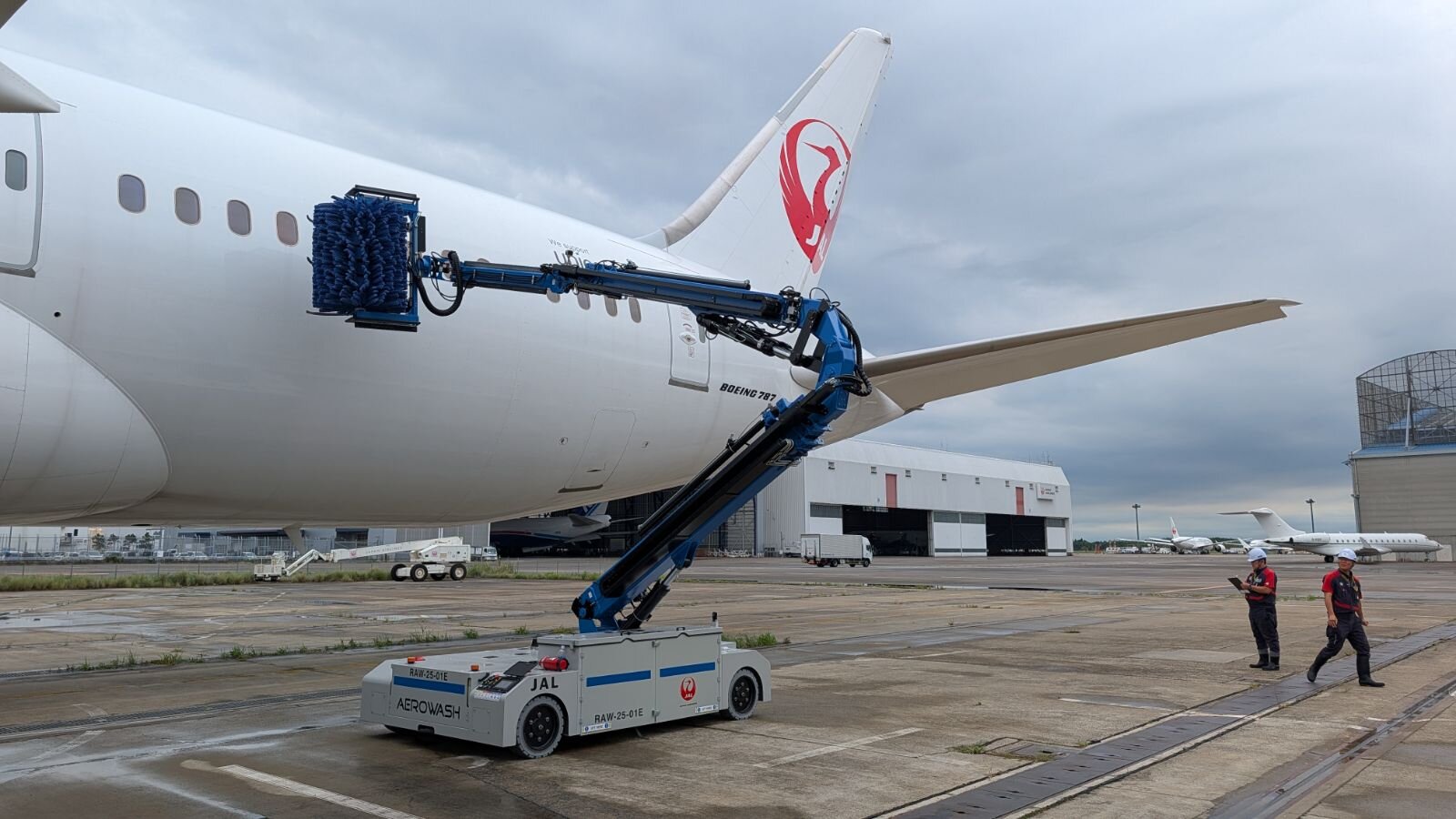
TOKYO- Japan Airlines Co. (JL) will introduce an automated aircraft-washing robot at Tokyo Narita International Airport (NRT), becoming the first Japanese domestic airline to use the technology.
The AW3 robot from Sweden-based Aerowash AB will begin full-scale operations later in 2026, with JAL expecting the system to cut aircraft exterior cleaning labor hours by up to 40%.
Japan Airlines Turns to Robots for Aircraft Washing
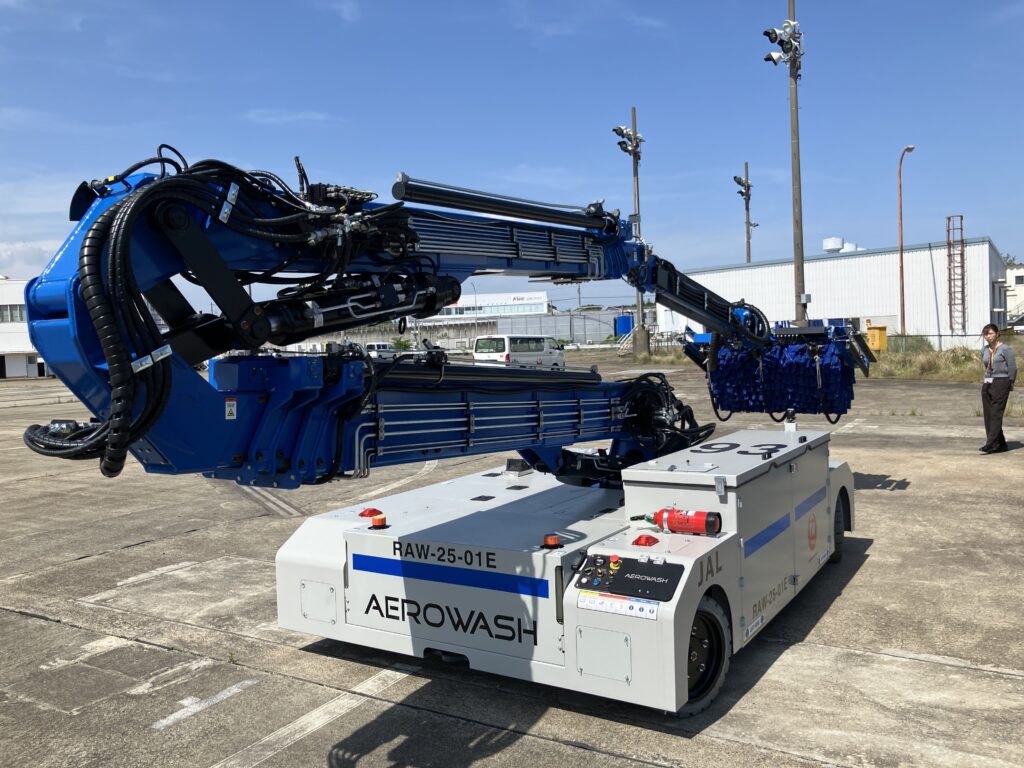
Japan Airlines is preparing to automate part of its aircraft exterior cleaning process at Narita International Airport (NRT) near Tokyo. The airline demonstrated the new AW3 aircraft-washing robot to the press at its aircraft washing facility on Friday.
Developed by Sweden-based Aerowash AB, the AW3 uses a remotely operated telescopic arm to clean an aircraft’s exterior. JAL plans to begin full-scale operations later this year after employees complete the required training.
The introduction makes JAL the first domestic airline in Japan to adopt a robot for aircraft exterior washing, according to the airline.
Robot Designed to Reduce Manual Work
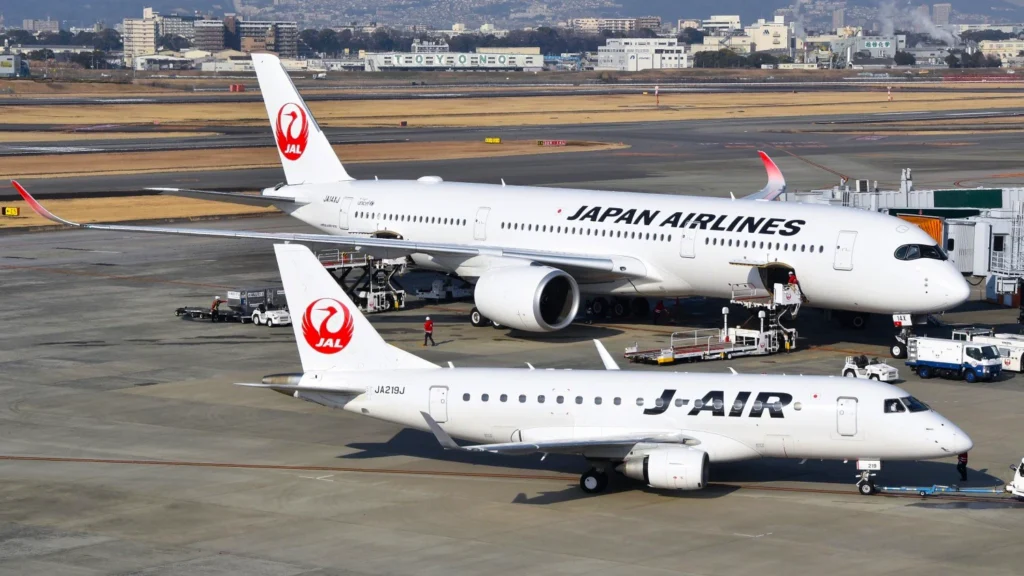
Aircraft washing currently requires ground staff to perform significant amounts of cleaning manually, including work with long-handled mops. JAL will continue using some manual cleaning methods even after the AW3 enters regular service.
The airline expects the robot to reduce labor hours by as much as 40% per aircraft. The reduction is intended to ease the physical workload for employees rather than eliminate their roles.
Atsuki Kino of JAL’s Airport Ground Handling Planning Department said the airline’s objective is to allow employees to use time saved through automation for other higher-value tasks.
Safety Benefits for Ground Staff
JAL also expects the automated washing process to improve working conditions for employees.
Manual aircraft cleaning can require staff to work at height while handling cleaning chemicals. By using a remotely operated telescopic arm, the AW3 can reduce employees’ exposure to these risks.
The airline said automation will therefore address both workload and occupational safety concerns associated with aircraft washing.
JAL Demonstrates Manual and Automated Washing
JAL held a demonstration at its aircraft washing facility at Narita International Airport in Chiba Prefecture.
The demonstration showed the existing manual washing process alongside the automated method using the AW3. The comparison highlighted how the robot can perform exterior cleaning while staff operate the system remotely.
Employees will receive the necessary training before the robot moves into full-scale operational use.

Initial Deployment at Narita Airport
JAL plans to deploy one AW3 unit at Narita International Airport initially. The airline will assess the technology’s use before considering deployment at other airports.
The initial rollout gives JAL an opportunity to evaluate the robot’s effect on cleaning times, employee workloads, and operational procedures.
The move also reflects the airline’s broader use of automation to support airport ground operations while keeping employees focused on tasks that require greater human involvement.
What the AW3 Introduction Means for JAL
The aircraft-washing robot is not being introduced as a replacement for JAL’s ground staff. Instead, the airline is positioning automation as a way to reduce repetitive and physically demanding work.
If the system delivers the expected reduction in labor hours, JAL could consider expanding its use beyond Narita. Any wider rollout would depend on the results of the initial deployment and operational requirements at other airports.
Stay tuned with us. Further, follow us on social media for the latest updates.
Join us on Telegram Group for the Latest Aviation Updates. Subsequently, follow us on Google News
