


GURUGRAM- Tata Air India (AI) recorded its highest rate of technical incidents in at least 14 months in January, with fuel and engine oil leaks among the key concerns. The airline operated over 17,500 flights across major hubs, including Delhi Indira Gandhi International Airport (DEL) and Mumbai Chhatrapati Shivaji Maharaj International Airport (BOM).
Internal data shows 1.09 technical incidents per 1,000 flights in January, sharply up from 0.26 in December 2024. The increase comes as the carrier works to rebuild its safety and operational standards following regulatory scrutiny.
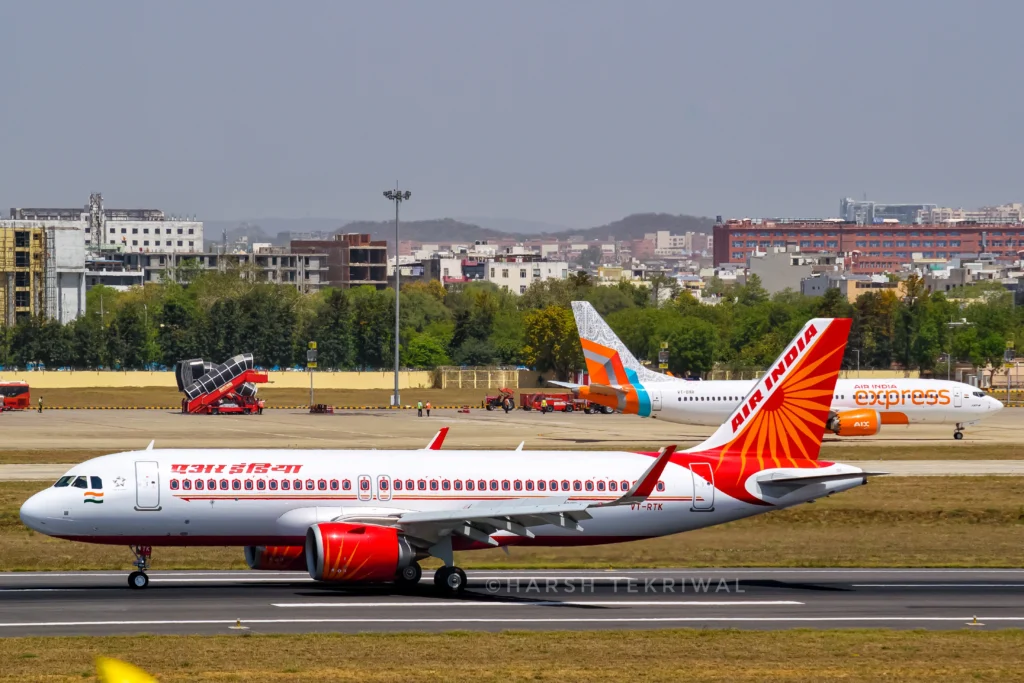
Air India Technical Incidents Surge
Air India’s January data recorded 23 technical incidents across domestic and international operations. At least 21 of these cases were formally investigated. The incidents included engine stall warnings, hydraulic system issues, flight control faults, and five instances of fuel or engine oil leaks.
One Dubai to Mumbai flight arriving at Mumbai (BOM) reported low engine oil quantity. In another case, a Delhi to Dubai flight departing from Delhi (DEL) returned shortly after takeoff on January 12 due to the absence of water in the lavatory and galley systems.
The airline’s internal document attributes the spike to operational and engineering reliability gaps. It states that systemic improvements are being introduced across flight operations, training, engineering quality control, and procedural oversight to prevent recurrence.
The data does not include figures for Air India Express (IX), the airline’s budget subsidiary.
Regulatory Scrutiny and Safety Concerns
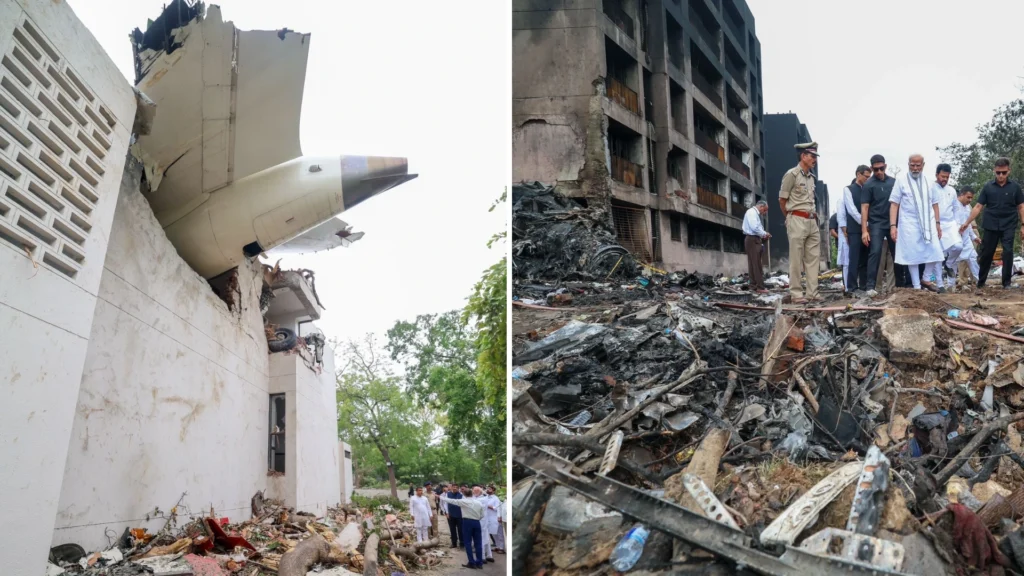
Air India has remained under close observation from India’s civil aviation regulator following a fatal crash last year that killed 260 people. Since then, the airline has acknowledged lapses and identified urgent needs in process discipline, communication, and compliance culture.
According to India’s civil aviation ministry, 82.5 percent of 166 Air India aircraft analyzed since January 2025 showed recurring technical defects. In comparison, market leader IndiGo (6E) recorded 36.5 percent. The ministry did not disclose further technical details behind the assessment.
Operational incidents such as rejected takeoffs, restricted altitude operations, and incorrect takeoff settings stood at 0.29 per 1,000 flights in January. This was more than double the December 2024 level. However, the airline states that overall operational incidents have declined in recent months.
Fleet Challenges and External Pressures
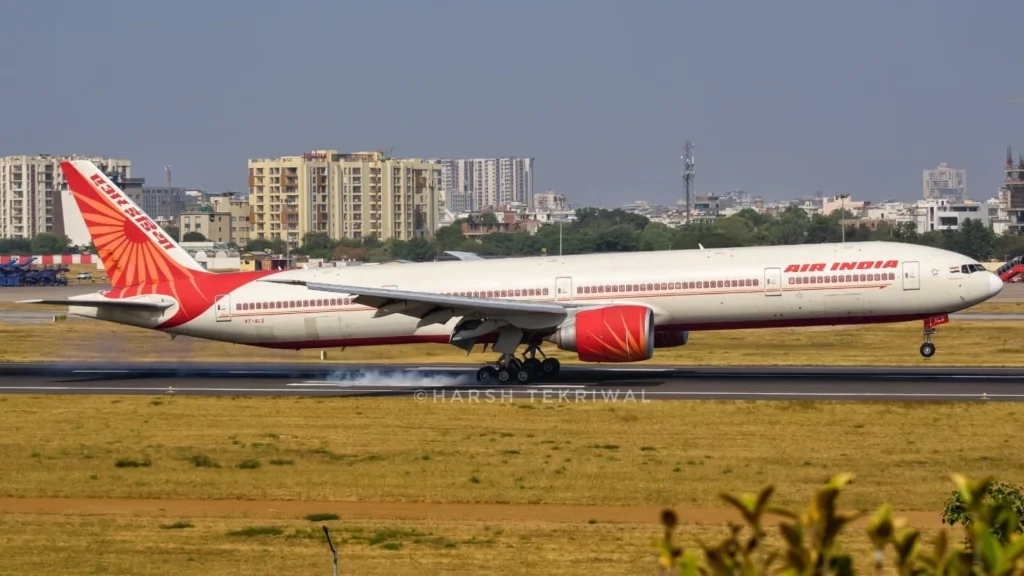
Air India, owned by Tata Group and Singapore Airlines (SQ), operates a fleet of 191 aircraft and has placed orders for more than 500 new planes. The carrier continues to face supply chain delays affecting cabin retrofits and aircraft upgrades.
Diplomatic tensions have added further strain. Pakistan’s closure of its airspace to Indian carriers has forced route adjustments and the suspension of some long-haul services, increasing operating costs.
Technical incidents affected both Airbus and Boeing aircraft types in the fleet. In response, the airline has introduced a periodic inspection program for its Airbus A320 family aircraft and replaced steering system hydraulic hoses across its Boeing 777 fleet.
It has also implemented a periodic air conditioning leak check program and initiated targeted engineering measures to improve aircraft reliability and reduce incident frequency.
International Oversight and Corrective Actions
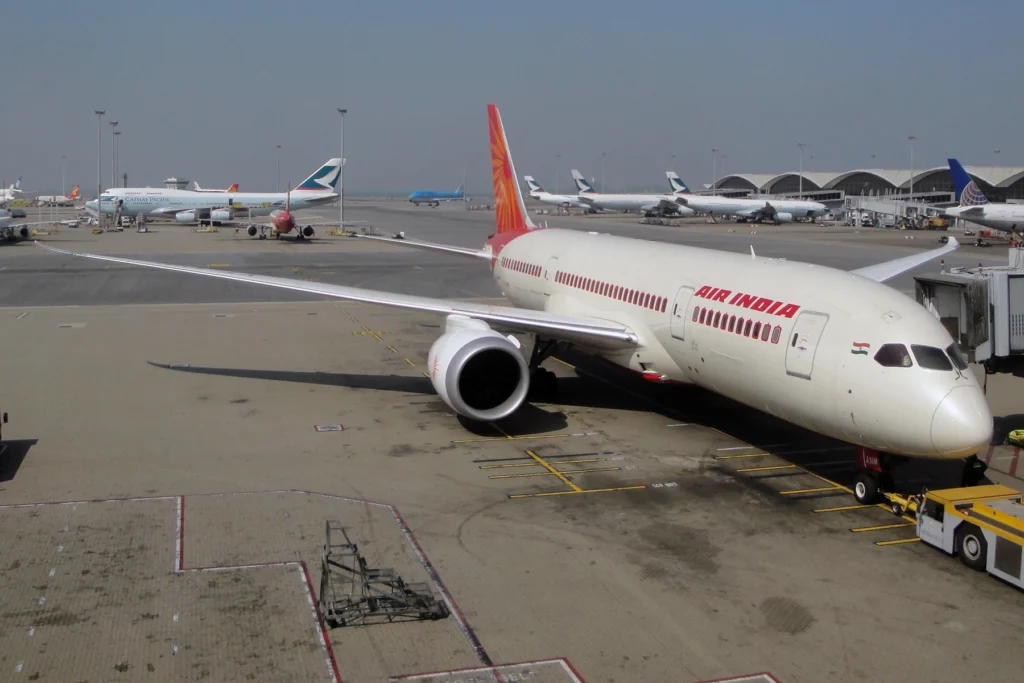
Air India’s operations have also drawn attention from overseas regulators. The UK Civil Aviation Authority sought clarification after a Boeing 787 Dreamliner departed London despite a possibly faulty fuel switch. The aircraft was later grounded in India for safety checks.
Air India stated that it reminded pilots to strictly follow operational procedures and replaced the throttle control module on the aircraft as a precautionary measure.
The airline and India’s civil aviation ministry did not publicly respond to media queries regarding the January data.
Stay tuned with us. Further, follow us on social media for the latest updates.
Join us on Telegram Group for the Latest Aviation Updates. Subsequently, follow us on Google News
