

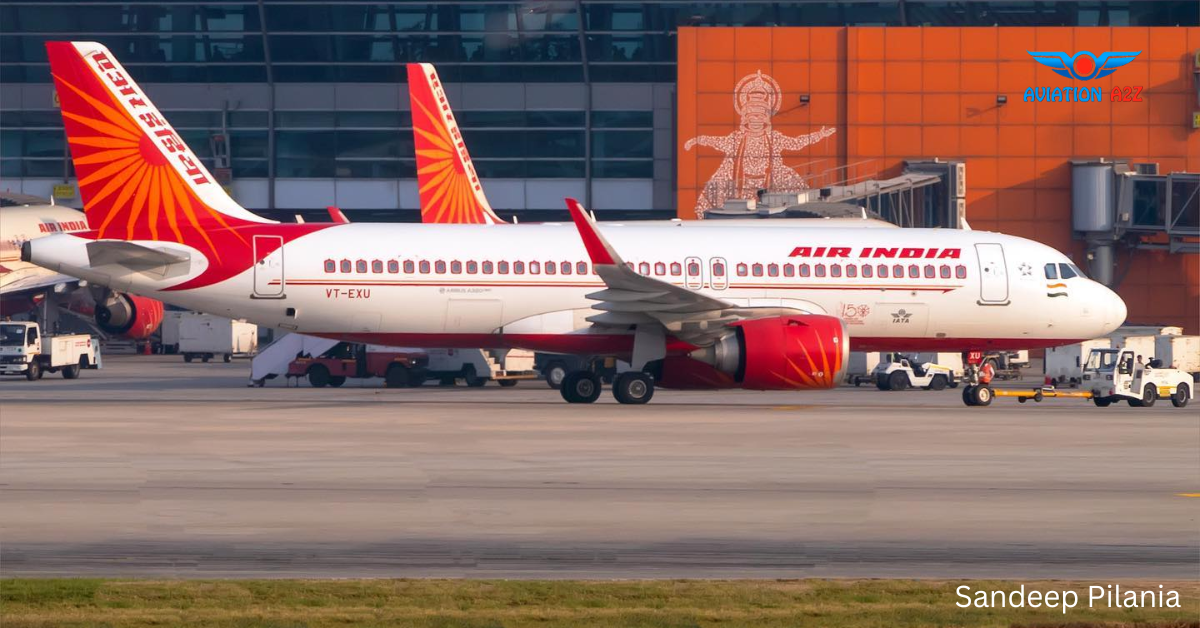
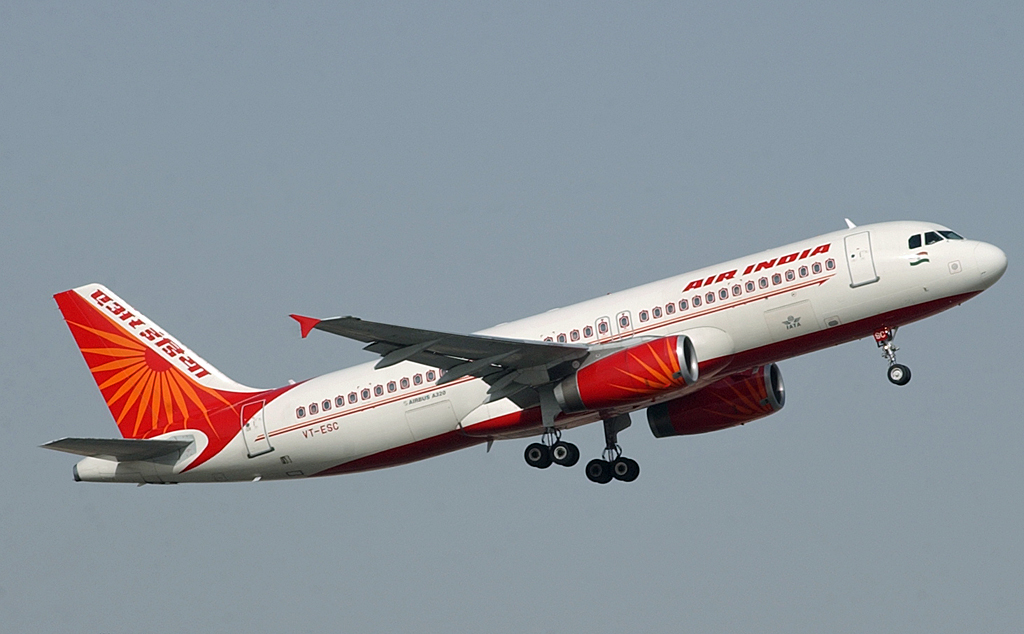
GURUGRAM- India’s aviation regulator, DGCA, has fined Air India (AI) ₹1 crore after an aircraft was flown without a valid airworthiness review certificate, raising serious compliance concerns.
The Directorate General of Civil Aviation (DGCA) also directed the airline to remove certain engineering post holders following findings from an investigation into the lapse involving flights connected to New Delhi operations, TOI reported.
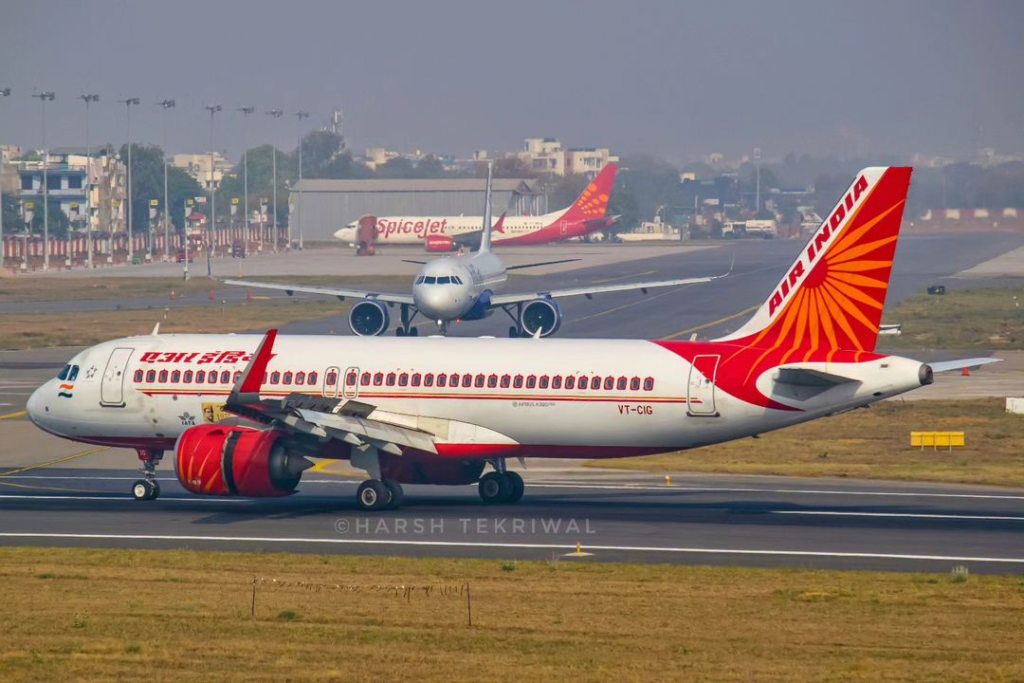
DGCA Fines Air India
The Directorate General of Civil Aviation imposed the penalty after confirming that an Air India aircraft conducted revenue flights despite lacking a valid Airworthiness Review Certificate (ARC). The order was issued after completion of a probe launched in late 2025.
According to DGCA findings, the lapse weakened public confidence and negatively affected the airline’s safety compliance record. The regulator held the airline’s accountable manager responsible for the failure.
Air India acknowledged receipt of the order and stated that the incident had been voluntarily reported earlier. The airline also confirmed corrective measures were implemented and shared with authorities.
How the Certificate Lapse Occurred
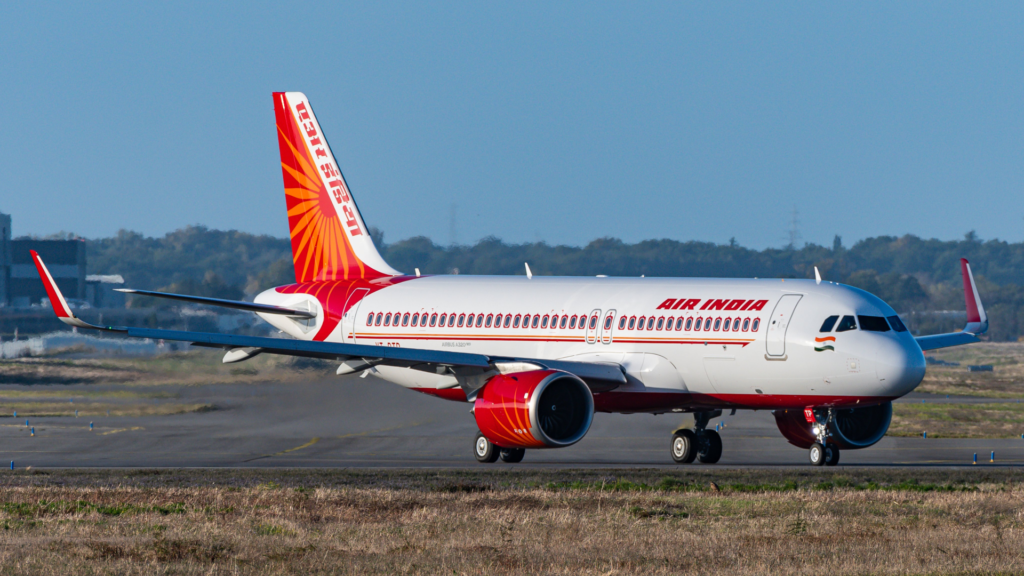
Under delegated authority, Air India is permitted to issue ARC certificates for aircraft in its fleet. These certificates are renewed annually after reviewing maintenance records, aircraft condition, and regulatory compliance.
During the post-merger fleet transition following Vistara’s integration into Air India, DGCA handled the first ARC renewal process for Vistara’s aircraft fleet.
While ARC renewals were completed for 69 aircraft, one Airbus A320, registered VT-TQN, did not receive certification and was grounded for an engine replacement. After the engine change, the aircraft was released for operations without ARC renewal.
On November 26, 2025, Air India informed DGCA that the aircraft had operated eight revenue flights with an expired certificate.
Regulator Orders Organizational Corrective Measures
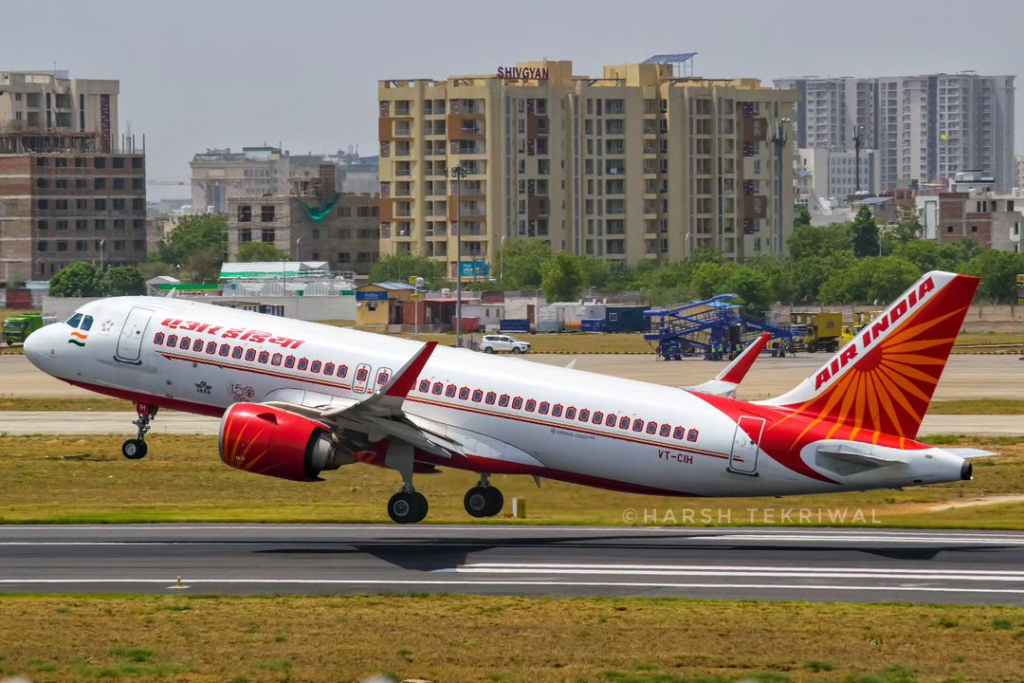
Following the probe, DGCA imposed a ₹1 crore fine and directed the removal of certain engineering post holders involved in operational oversight. The regulator also instructed Air India to conduct internal investigations and strengthen compliance systems to prevent recurrence.
DGCA emphasized that airlines must ensure strict verification before aircraft are released for commercial service.
Air India stated that the lapse was regrettable and unacceptable. The airline reported the issue promptly after discovery and suspended personnel linked to the decision pending review.
The airline initiated a comprehensive internal investigation and reiterated its commitment to operational safety and regulatory compliance.
Authorities confirmed that corrective steps were reviewed before concluding the probe.
Bottom Line
The case highlights challenges in large-fleet integrations and the need for strict monitoring during operational transitions. Aviation experts note that ARC validity is critical because it validates the aircraft’s Certificate of Airworthiness, which ensures safety compliance.
The regulator’s action reinforces India’s focus on tightening aviation oversight as airline fleets expand and merge operations.
Stay tuned with us. Further, follow us on social media for the latest updates.
Join us on Telegram Group for the Latest Aviation Updates. Subsequently, follow us on Google News
