

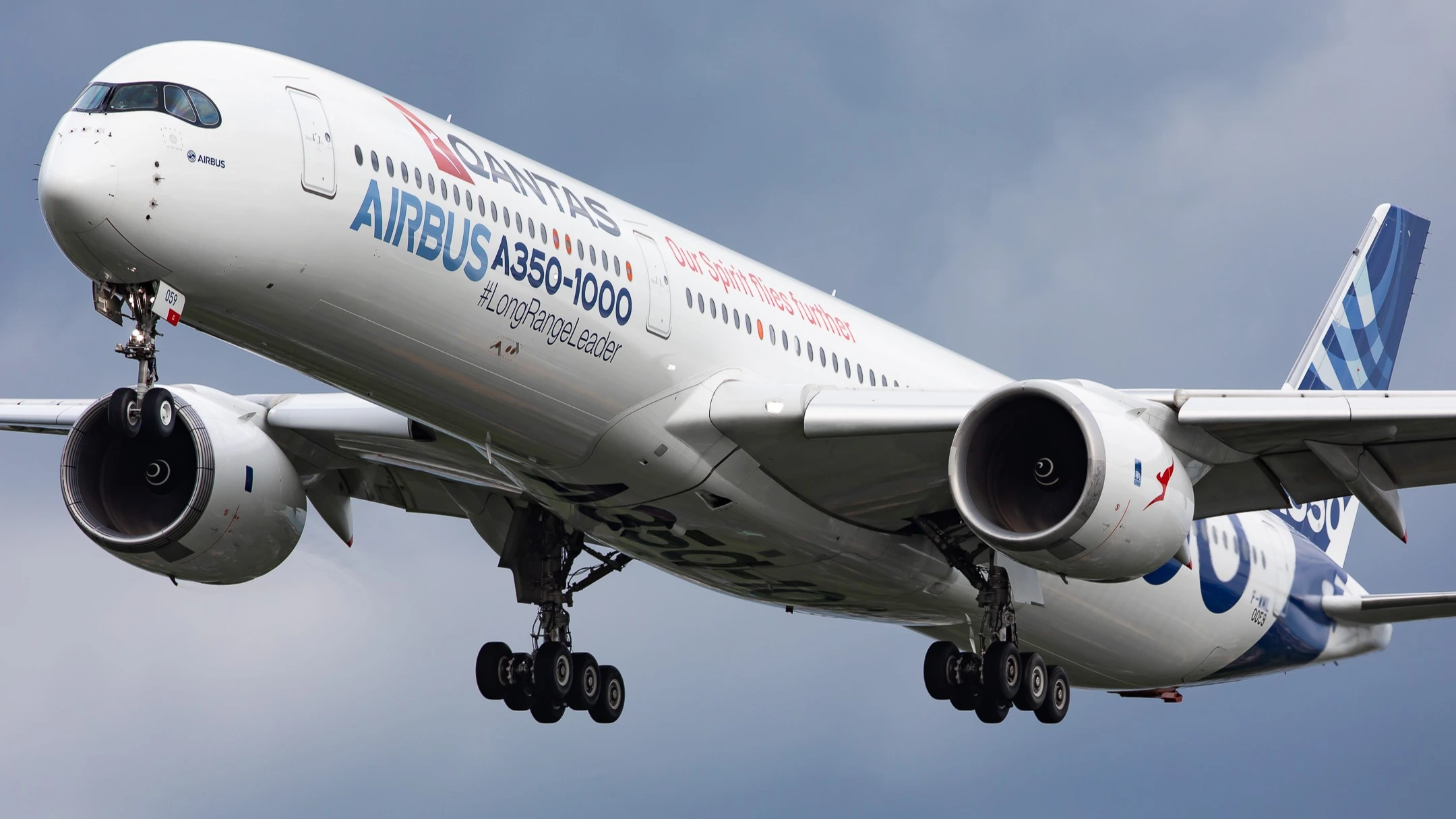
SYDNEY- Qantas’ (QF) second Airbus A350-1000ULR has entered the final assembly line in Toulouse as the first aircraft progresses through advanced ground testing.
The milestone supports the airline’s Project Sunrise strategy to launch non-stop flights from Australia’s east coast to London and New York.
These specially configured aircraft will enable the world’s longest commercial services, operating for up to 22 hours and reshaping ultra-long-haul travel.
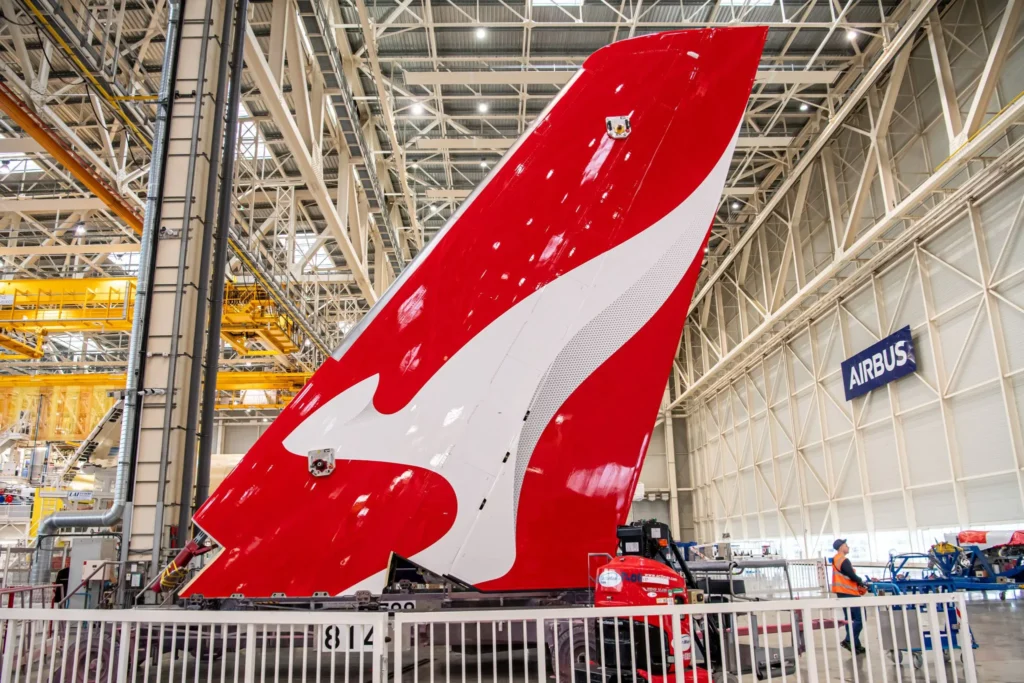
Qantas A350-1000ULR Assembly Progress
The second Airbus A350-1000ULR has moved into final assembly at Airbus’ Toulouse facility. Fuselage sections and wings have been joined, and the vertical tail was installed during the past week. This marks a critical structural integration phase before systems testing begins.
Qantas confirmed the update in a LinkedIn post, stating that the first Project Sunrise aircraft left the initial assembly line in November.
That aircraft is now in advanced stages of ground testing and is preparing to enter its flight test program in the coming months.
According to Australian Aviation, the coordinated production progress ensures the program remains aligned with its long-term operational targets.
The manufacturer will deliver the first aircraft in late 2026. Qantas plans to launch commercial non-stop services from Australia’s east coast to London and New York in 2027.
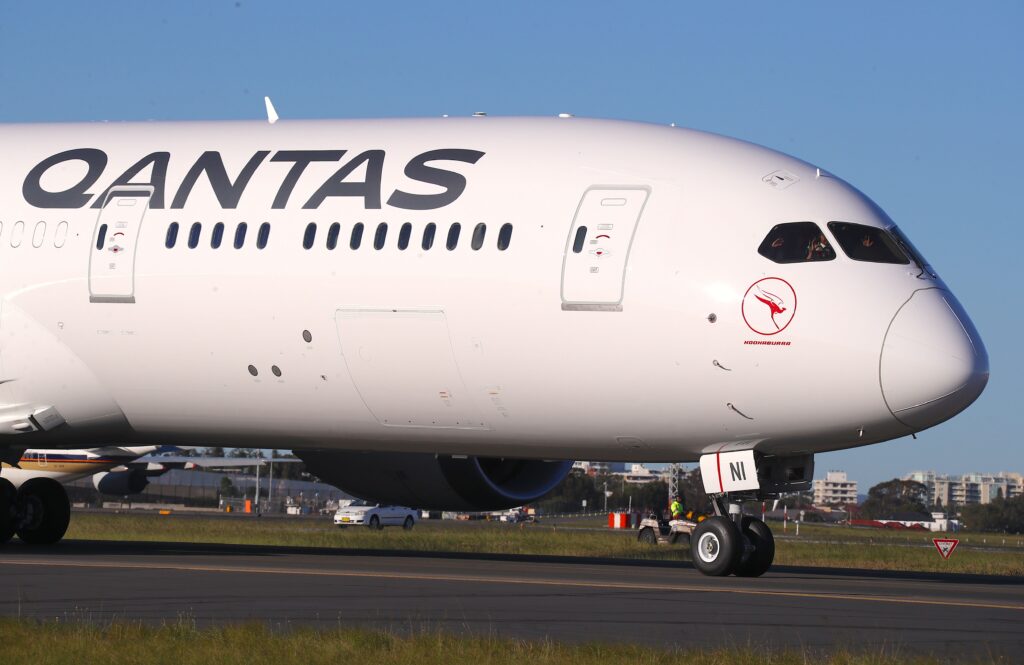
Enabling the World’s Longest Commercial Flights
Project Sunrise aircraft are engineered to operate flights of up to 22 hours nonstop. The A350-1000ULR includes an additional 20,000 litre rear center fuel tank and enhanced systems that support extended range operations.
Qantas stated that these aircraft will overcome the tyranny of distance and connect Australia directly with major global cities.
The airline expects the flights to cut up to 4 hours from current journey times between Australia and Europe or North America.
In November, Qantas chief executive Vanessa Hudson said the airline has a long history of breaking aviation barriers given Australia’s geographic position.
She added that Project Sunrise will fundamentally change how customers travel globally and transform the ultra long-haul experience through science-backed cabin design focused on minimising jetlag and maximising wellbeing.
Qantas has not yet confirmed whether London or New York will host the inaugural non-stop service.
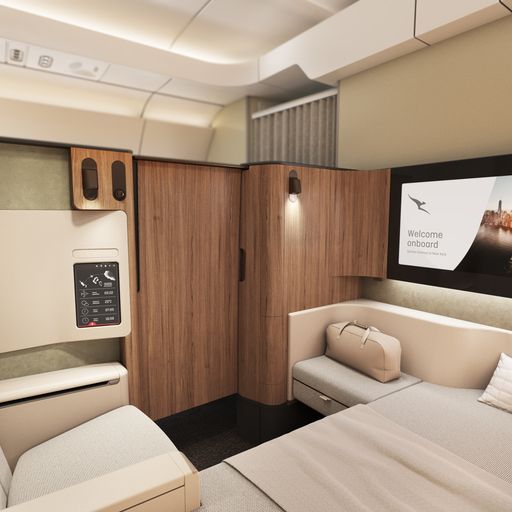
Cabin Design Focused on Space and Wellbeing
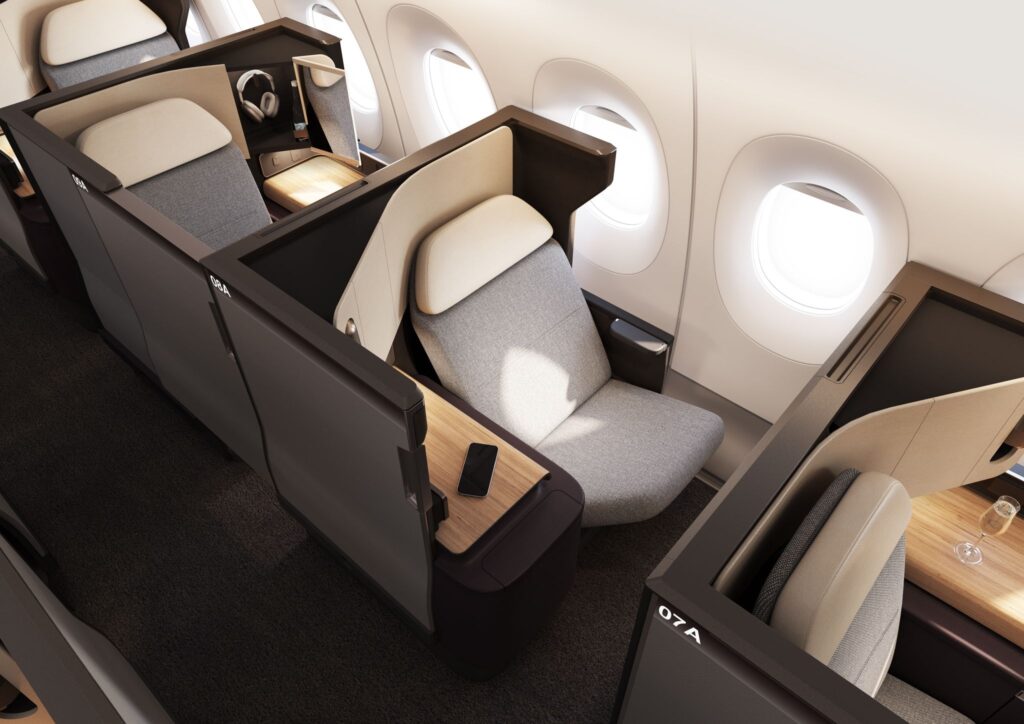
Qantas designed the cabin from the ground up for ultra long-haul comfort. The aircraft will feature a 238 seat configuration, compared with the 300 plus seats typically installed on other A350-1000 aircraft. The lower density layout increases personal space across all cabins.
A purpose-built Wellbeing Zone will be located between Premium Economy and Economy cabins.
The area includes integrated stretch handles, guided on-screen exercise programs, a hydration station, and a range of refreshments. Each feature supports passenger movement, hydration, and comfort during extended flights.
Qantas stated that it has developed every cabin element specifically for ultra long-haul operations, making passenger wellbeing the central design principle.
Fleet Renewal and Strategic Transition
Project Sunrise forms part of Qantas’ broader fleet renewal program. The initiative represents a significant shift from a predominantly Boeing-operated long-haul fleet toward a largely Airbus-based structure.
The first A350-1000ULR services will likely operate to New Zealand for training and crew familiarisation before entering scheduled ultra-long-haul operations.
This phased introduction will support operational readiness ahead of the 2027 route launches.
The introduction of the A350-1000ULR positions Qantas at the forefront of non-stop intercontinental aviation and signals a structural evolution in global long-haul travel.
Stay tuned with us. Further, follow us on social media for the latest updates.
Join us on Telegram Group for the Latest Aviation Updates. Subsequently, follow us on Google News
