

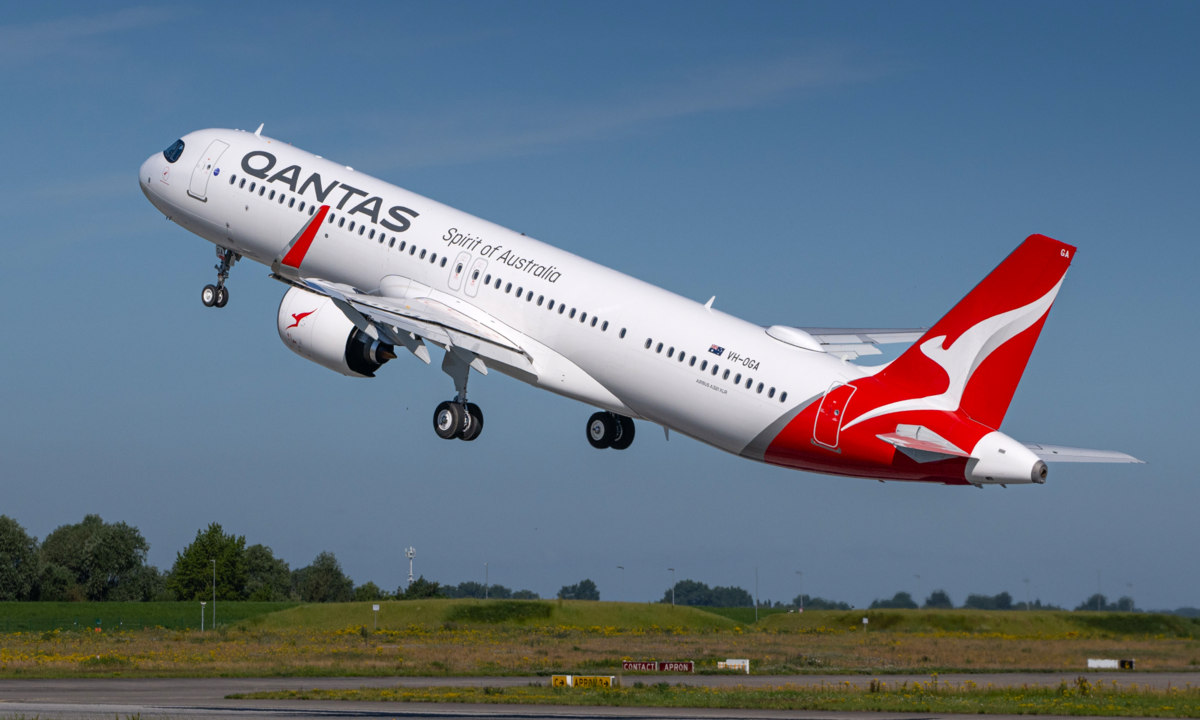
CANBERRA– Qantas (QF) is facing fresh legal action as licensed aircraft engineers challenge the airline’s decision to outsource key duties linked to its incoming Airbus A321XLR fleet. The dispute centers on operational changes affecting engineers based primarily in Sydney (SYD) and Melbourne (MEL).
The Australian Licensed Aircraft Engineers Association has initiated proceedings in the Federal Circuit Court, alleging the airline breached existing workplace agreements. The case follows a formal dispute first lodged with the Fair Work Commission over consultation failures and job security concerns.
Qantas’ Outsourcing Dispute Escalates
The union argues that Qantas removed receive and dispatch responsibilities, along with aircraft towing duties, from licensed aircraft maintenance engineers (LAMEs) without adequate consultation.
These responsibilities represent around 70 percent of the daily workload for line LAMEs, The Australian reported.
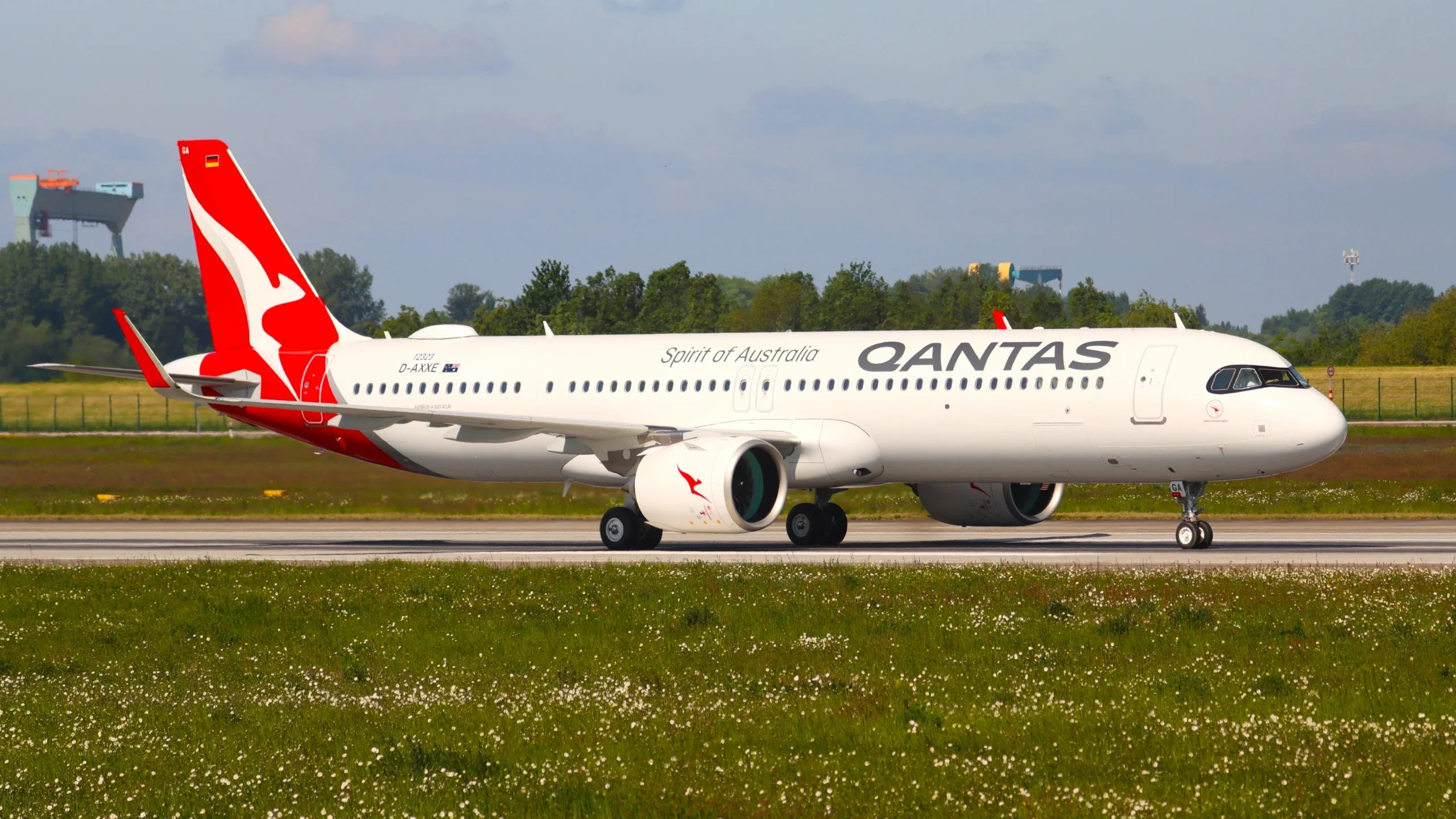
Under the new arrangement, third-party ground handlers employed by Swissport and Menzies Aviation are conducting dispatch and towing operations for the A321XLR aircraft.
Engineers contend that towing involves strict technical procedures, including brake pressure monitoring, adherence to speed limitations, and ensuring correct tow bar attachment.
The matter has now progressed to a federal hearing before Judge Rania Skaros, scheduled for next month. The association declined public comment, citing ongoing court proceedings.
Fleet Modernization Strategy
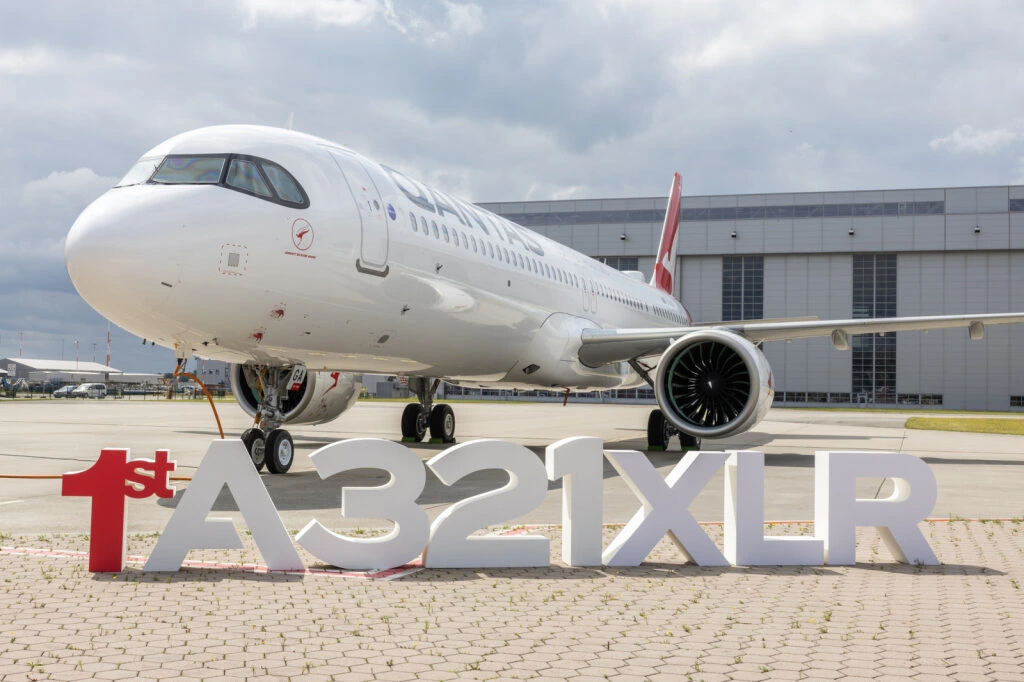
Qantas has 48 Airbus A321XLR aircraft on order, positioning the type as the future backbone of its domestic narrowbody fleet.
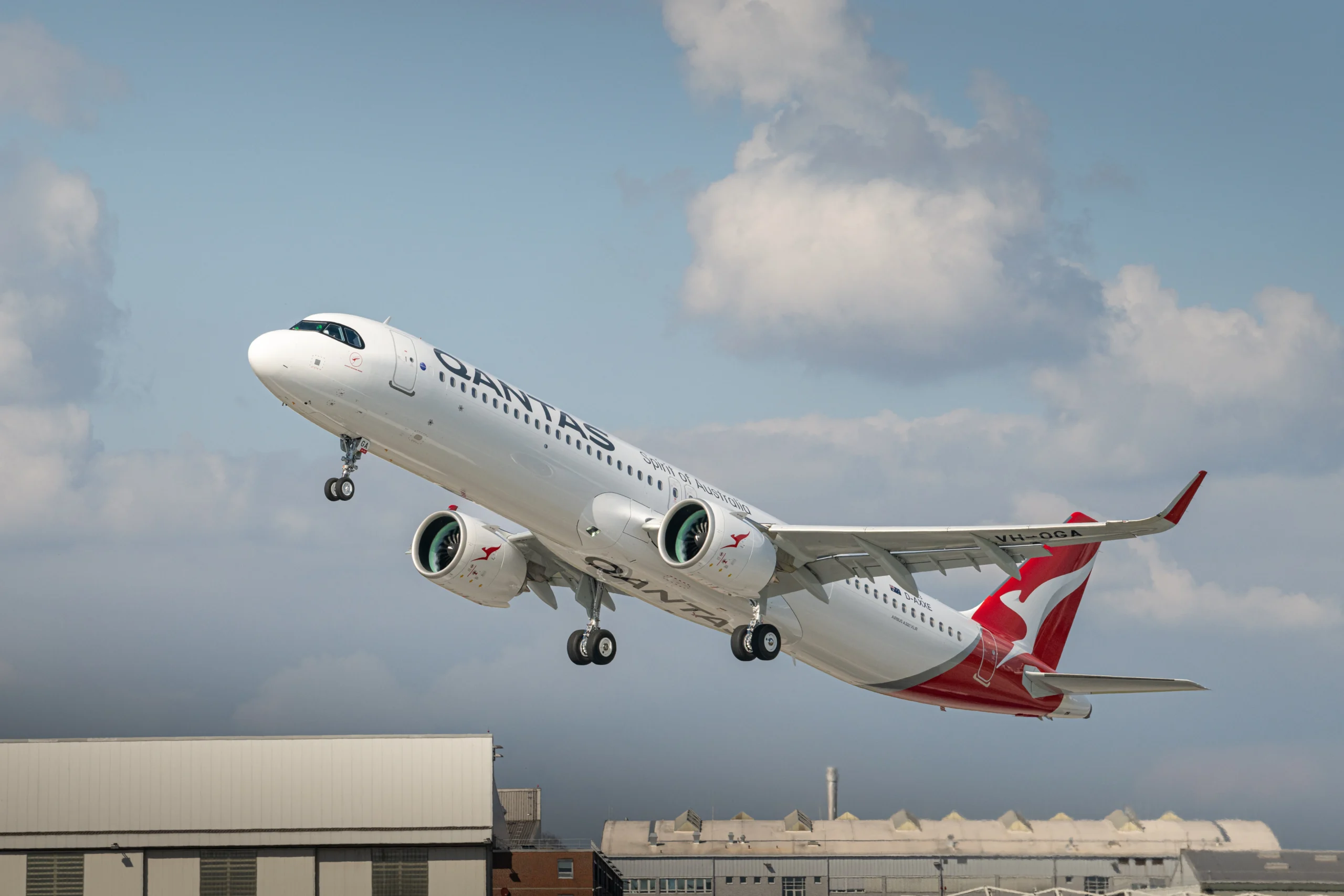
The aircraft will gradually replace Boeing 737-800 jets and expand medium-haul connectivity across Australia and Southeast Asia.
Three A321XLRs have already entered service, with a fourth currently in Hamburg (HAM) ahead of delivery. The aircraft seats 197 passengers, including 20 in business class, and 16 of them will feature lie-flat seats for longer regional routes.
The airline maintains that shifting towing and dispatch tasks to ground service providers allows licensed engineers to focus on higher-value maintenance work. A company spokesperson stated that Qantas is hiring hundreds of additional engineers this year to support fleet expansion.
Legal Context and Impact
This dispute emerges months after Qantas finalized a high-profile outsourcing case brought by the Transport Workers Union.
That case stemmed from the airline’s 2020 decision to outsource approximately 1,800 ground handling jobs during the COVID-19 pandemic.
The decision was ultimately ruled unlawful by the High Court of Australia, following earlier findings in the Federal Court of Australia. Justice Michael Lee ordered significant penalties, including $120 million in compensation and a $90 million fine.
Although Qantas has assured engineers that no current jobs will be lost due to the A321XLR operational changes, union representatives argue that long-term risks remain as more aircraft join the fleet.
With 48 jets scheduled for delivery, the outcome of the Federal Circuit Court case may shape how technical duties are allocated across Australia’s evolving aviation workforce.
The A321XLR program has otherwise generated strong passenger satisfaction ratings, despite early criticism regarding cabin facilities.
As fleet modernization accelerates, industrial relations will remain a central issue for the airline’s operational strategy.
Stay tuned with us. Further, follow us on social media for the latest updates.
Join us on Telegram Group for the Latest Aviation Updates. Subsequently, follow us on Google News
