

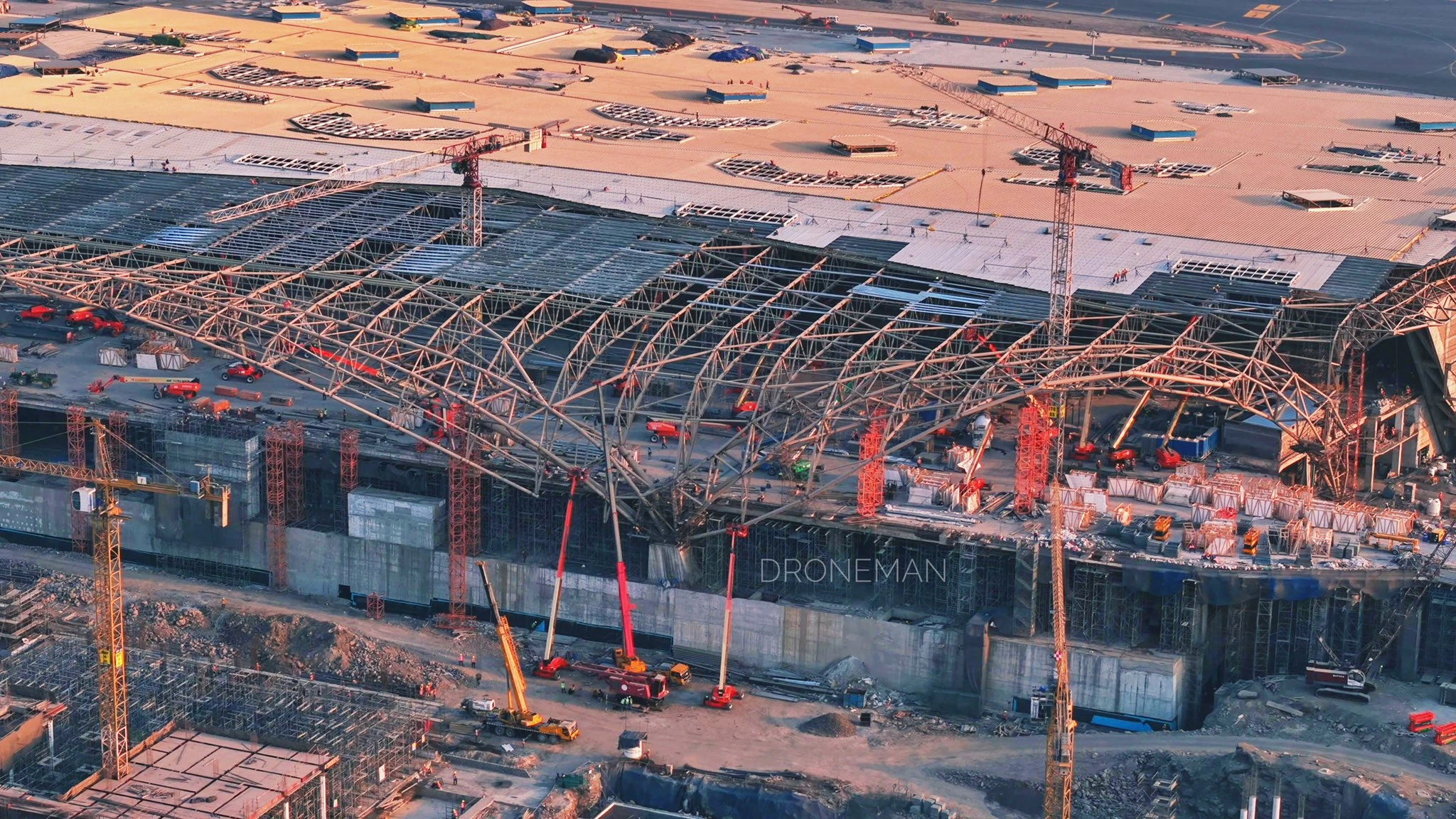
MEMPHIS- FedEx (FX) will invest Rs 2,500 crore to develop a fully automated cargo hub at Navi Mumbai International Airport (NMI). The project strengthens India’s largest international trade corridor and expands global connectivity.
The facility, developed with Adani Airport Holdings Ltd (AAHL), will function as a regional consolidation and redistribution hub serving Southeast Asia, West Asia, Europe, and the United States.
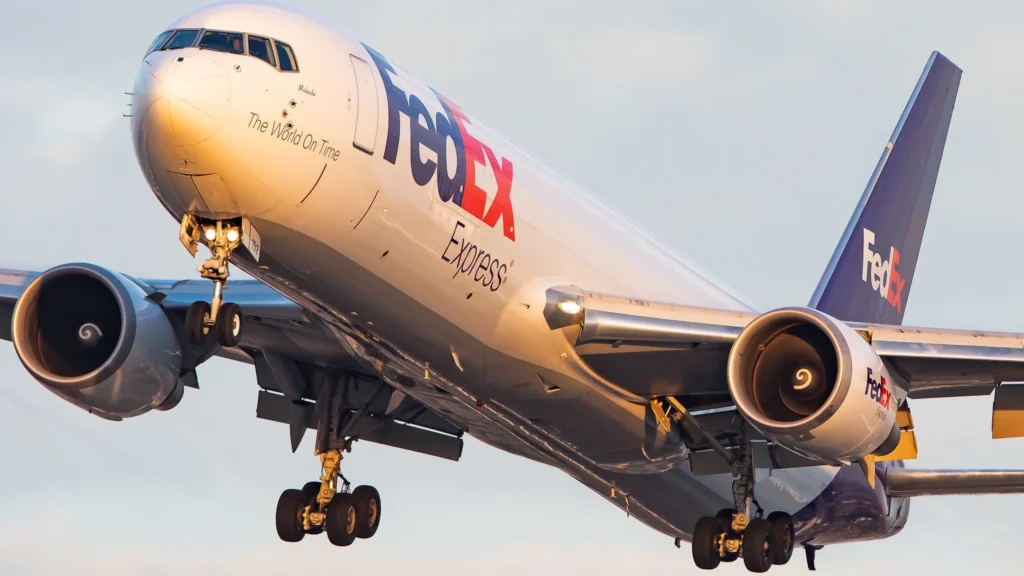
Strategic Expansion of India’s Western Trade Corridor
FedEx will build a 300,000 sq ft automated cargo hub at NMIA to support hub-led, transshipment-driven logistics.
The project embeds FedEx’s global network directly into western India’s primary trade corridor and enhances international cargo flows.
The ground-breaking ceremony took place at the NMIA cargo terminal site in the presence of Maharashtra Chief Minister Devendra Fadnavis and senior leaders from FedEx and AAHL.
According to the Economic Times, the investment signals strong global confidence in India’s infrastructure growth and trade trajectory.
FedEx President and CEO Raj Subramaniam stated that India’s trade ambition is entering a new phase, moving beyond point-to-point cargo flows toward integrated logistics hubs.
He confirmed that the investment exceeds US$250 million and aligns with India’s National Logistics Policy and the Prime Minister’s Gati Shakti Plan.
He added that supply chain diversification and resilience represent a long-term structural shift as global trade continues to re-globalise.

Advanced Automation and Operational Scale
The Navi Mumbai hub will feature advanced automated sorting systems, dimensional scanning, high-speed screening technology, and dedicated aircraft parking bays.
These capabilities will allow simultaneous processing of inbound and outbound shipments, improving routing flexibility and transit time predictability.
The infrastructure will support high value and time sensitive sectors such as electronics, engineering goods, pharmaceuticals, and perishables.
The facility will serve as a high-technology gateway for domestic and international shipments, accelerating goods movement across South Asia, Europe, and the United States.
FedEx currently handles approximately 17 million shipments daily and operates around 400 daily freighter services globally. In India, the company also operates a technology hub in Hyderabad.
Once operational, the Navi Mumbai facility will generate more than 6,000 direct and indirect jobs across logistics, warehousing, transportation, and allied services.
Multimodal Connectivity and Infrastructure Capacity
NMIA benefits from proximity to Jawaharlal Nehru Port, one of India’s busiest container ports.
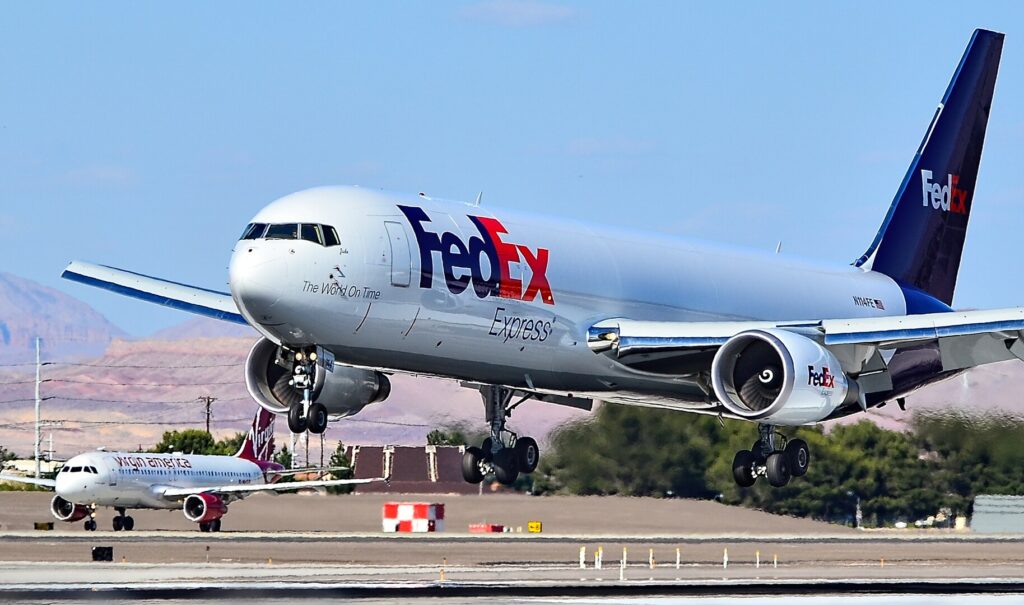
The airport has earmarked 29 hectares of land for cargo infrastructure development, including 10 dedicated freighter stands and a fully automated cargo terminal designed to handle over 3 million metric tons annually in the long term.
Jeet Adani, Director at AAHL, stated that the convergence of sea port proximity, air connectivity, and purpose built cargo infrastructure is rare globally.
He described NMIA as uniquely positioned to strengthen Maharashtra’s role as a global logistics gateway and enhance India’s trade competitiveness.
He added that airports within the Adani portfolio, including Mumbai, Ahmedabad, Jaipur, and Trivandrum, are being developed as economic growth engines rather than solely passenger terminals.
Jeet described NMIA as the most ambitious expression of this integrated infrastructure vision.
Economic Impact and Trade Competitiveness
Devendra Fadnavis stated that FedEx’s decision to establish a hub in Mumbai reflects India’s growing importance in global trade.
He noted that advanced technologies, including artificial intelligence driven logistics systems, can reduce logistics costs and improve operational efficiency.
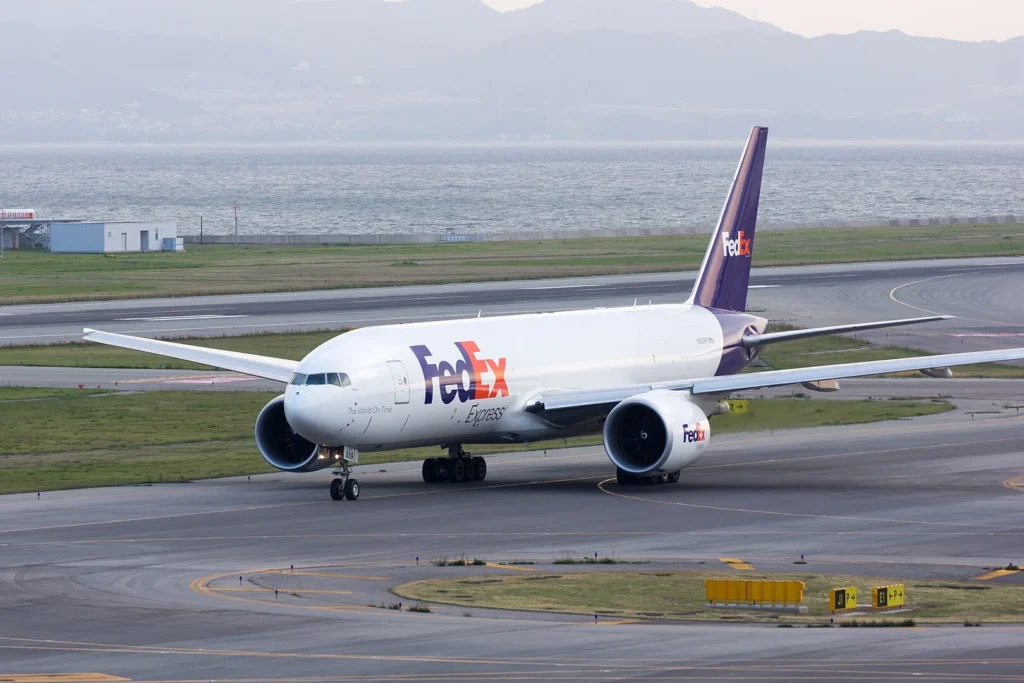
Kami Vishwanathan, President for Middle East, Indian Subcontinent and Africa at FedEx, stated that India’s competitiveness in global trade increasingly depends on reliable and fast logistics infrastructure.
She said that integrating FedEx’s global network with India’s fastest-growing trade corridor will provide greater certainty, speed, and efficiency for customers.
The improved reliability is expected to strengthen export & import capabilities for micro, small, and medium enterprises while lowering transportation costs and reducing turnaround times.
As cargo operations scale and more global operators invest, NMIA is positioned to become a world class logistics hub central to global supply chains.
Stay tuned with us. Further, follow us on social media for the latest updates.
Join us on Telegram Group for the Latest Aviation Updates. Subsequently, follow us on Google News
