

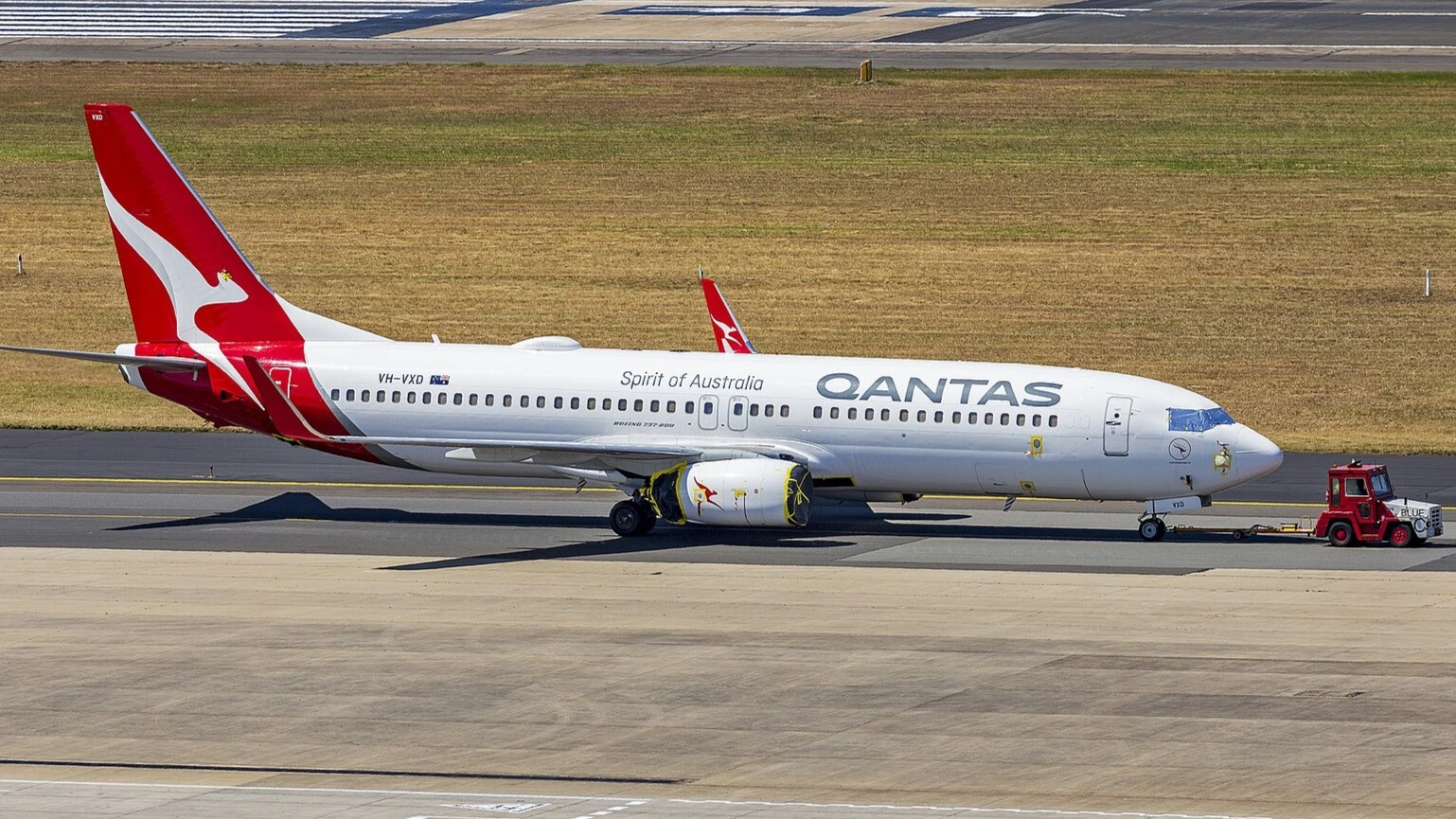
MELBOURNE— An Australian passenger has received a full reimbursement from Qantas Airways (QF) after initially being denied compensation following a serious onboard hygiene incident. The case involved a traveler who was splashed with projectile vomit during a trans-Tasman flight, triggering widespread debate about airline responsibility during biohazard events.
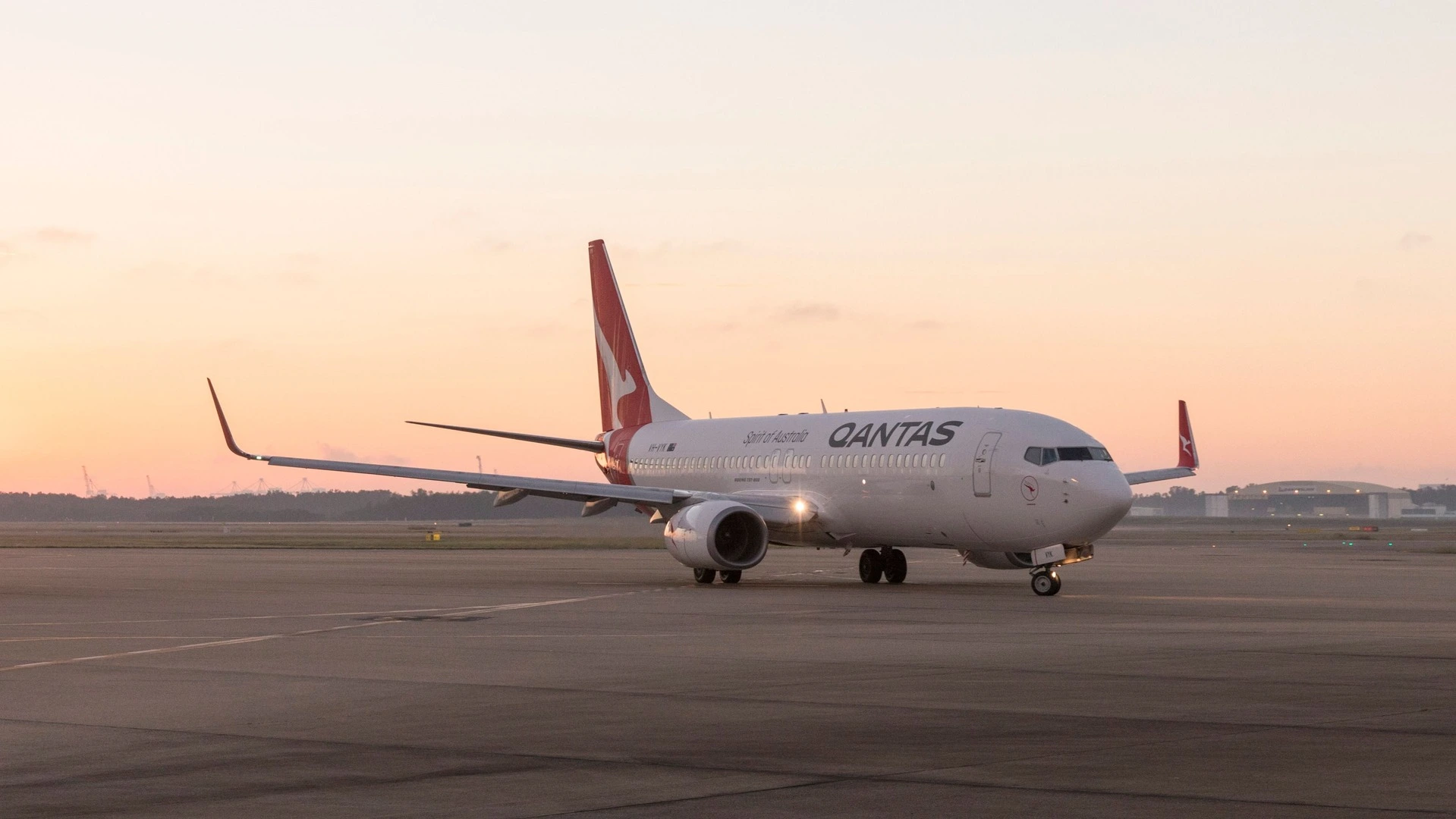
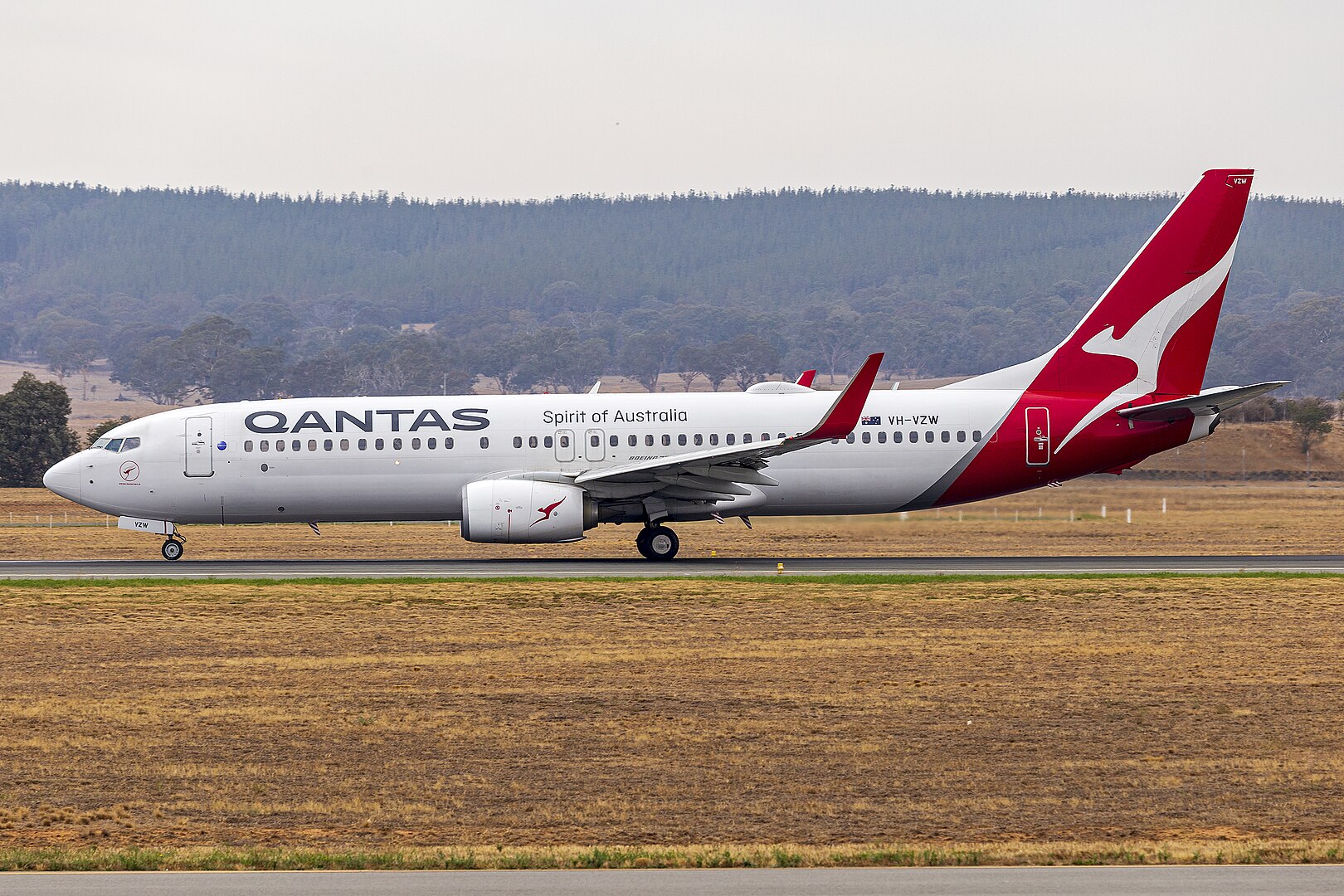
Qantas confirmed that the reimbursement followed an internal review of the case. The incident occurred on a scheduled service between Melbourne Airport (MEL) and Auckland Airport (AKL) on January 28 while the aircraft was still taxiing. The airline stated that the earlier refusal was the result of an internal referral error.
Qantas Projectile Vomiting Incident
According to the passenger’s account, a nearby traveler suddenly became ill during the taxi, resulting in bodily fluids being sprayed onto adjacent seats and passengers.
One affected customer reported contamination of clothing and personal belongings, creating immediate discomfort inside the crowded cabin.
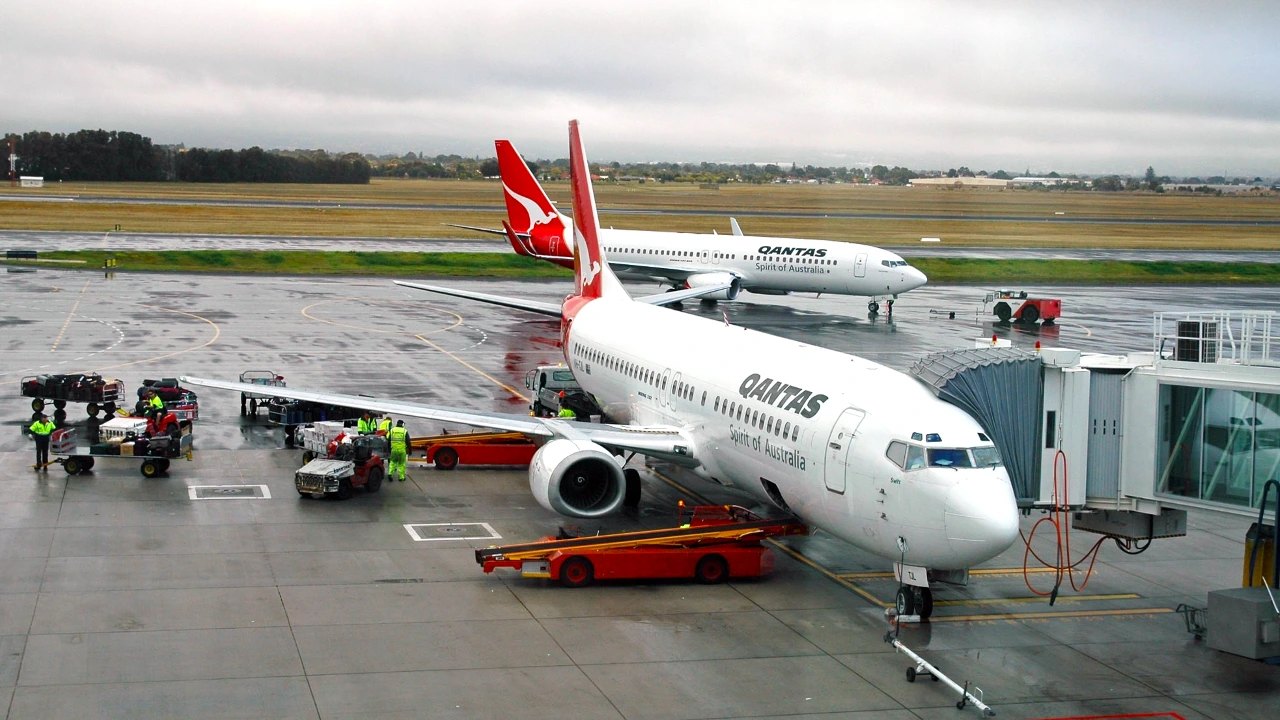
Cabin crew reportedly provided limited cleaning supplies. The aircraft later returned to the gate, allowing affected passengers to deplane and seek proper cleaning support.
The passenger later submitted a claim to Qantas seeking reimbursement for professional cleaning and related costs. The airline initially declined, stating the incident was outside its control.
Official Remarks
The refusal sparked criticism after the passenger shared the experience online. The story gained traction across social media and mainstream outlets, placing pressure on Qantas to clarify its handling of the case.
Qantas later explained that the claim had been routed to the wrong internal team. After escalation, the airline reimbursed the passenger in full and acknowledged the processing mistake, reported Simple Flying.
The carrier emphasized that the decision did not reflect a policy to deny compensation in such cases. Instead, it highlighted the importance of accurate internal case classification.
Industry Implications
Biohazard incidents are a known challenge in commercial aviation. Aircraft cabins are confined environments where sanitation issues can quickly affect multiple passengers.
Airlines typically carry basic cleaning kits onboard, but severe contamination can exceed what crews can manage during flight operations. In such cases, responses depend on time, equipment, and operational constraints.
Industry guidelines often recommend isolating affected areas and minimizing exposure. However, full flights may limit reseating options, increasing reliance on post-incident customer care.
This case underscores how passenger expectations are evolving. Travelers increasingly expect airlines to address hygiene incidents with transparency, accountability, and prompt aftercare.
Bottom Line
Social media has amplified scrutiny of airline responses. Public visibility can accelerate resolution, making reputation management as important as operational handling.
For passengers, the outcome highlights the value of documentation and persistence. For airlines, it reinforces the need for clear processes when handling unusual onboard events.
While uncontrollable passenger illness may fall outside standard compensation rules, goodwill-based resolutions are becoming more common. Qantas’ reversal reflects this shift toward flexible customer service in exceptional situations.
Stay tuned with us. Further, follow us on social media for the latest updates.
Join us on Telegram Group for the Latest Aviation Updates. Subsequently, follow us on Google News
