

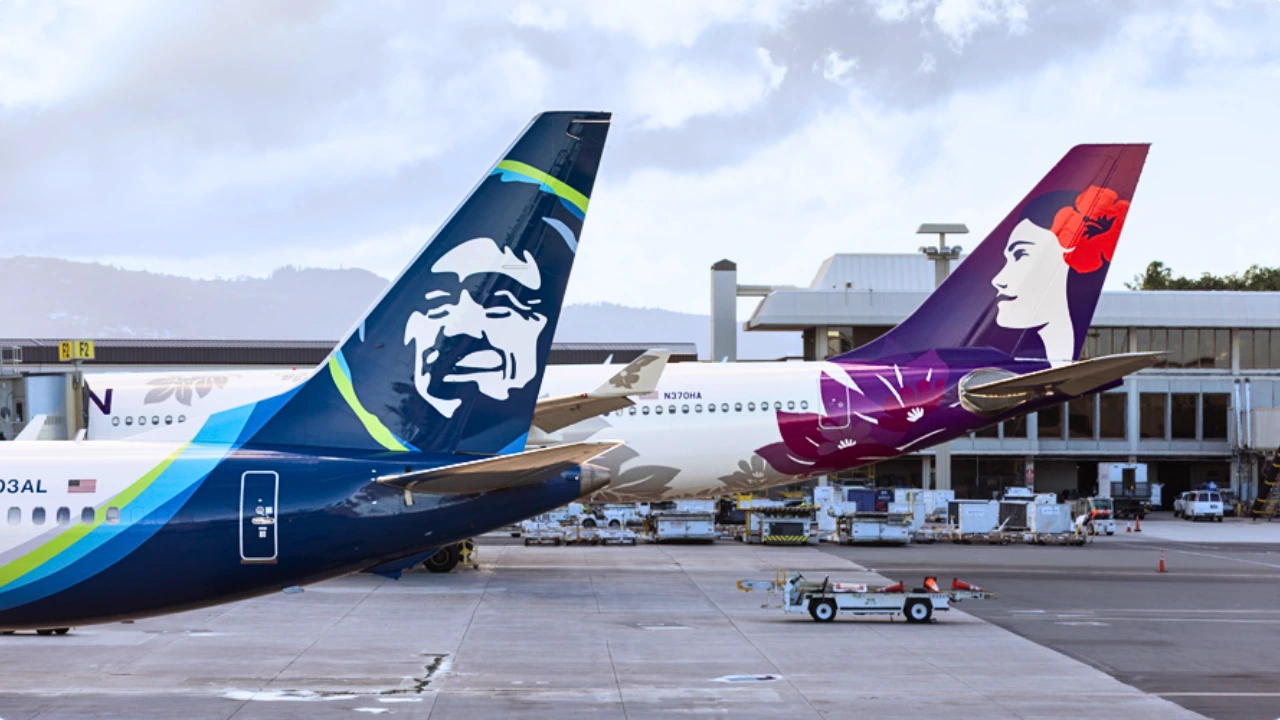
SEOUL— Alaska Airlines (AS) is positioning South Korea’s main gateway as a strategic hub in its growing Asia network. This Seattle-based carrier launched nonstop services between Incheon and Seattle in September 2025, and views Incheon as a bridge linking the U.S. West Coast to Korea and, potentially, wider Southeast Asia.
Alaska Airlines currently operates five weekly flights linking Incheon International Airport (ICN) and Seattle-Tacoma International Airport (SEA). Early performance data shows strong passenger demand, reinforcing the airline’s long-term commitment to expanding trans-Pacific connectivity.
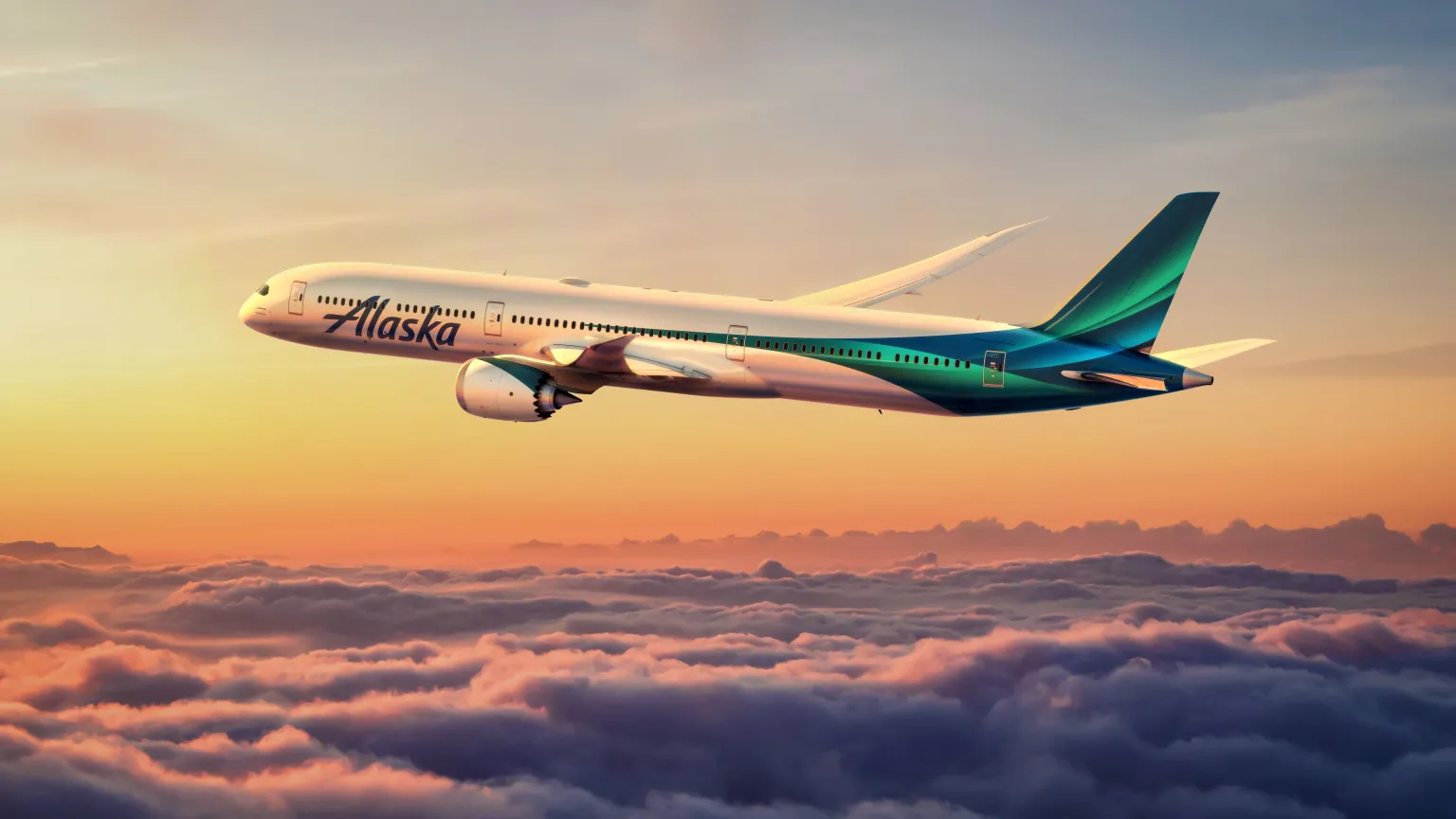
Alaska Airlines Asia Network
Since its launch, the Incheon–Seattle service has carried more than 45,000 passengers as of January 31. The airline operates departures from Incheon on Mondays, Thursdays, Fridays, Saturdays, and Sundays.
Encouraged by sustained bookings, Alaska Airlines plans to add a Wednesday frequency during the summer season. This increase will raise the route to six weekly flights, enhancing schedule flexibility for both leisure and corporate travelers.
Executives state that demand has exceeded internal forecasts. The route benefits from a mix of tourism, business travel, and traffic from the large Korean diaspora across the United States.
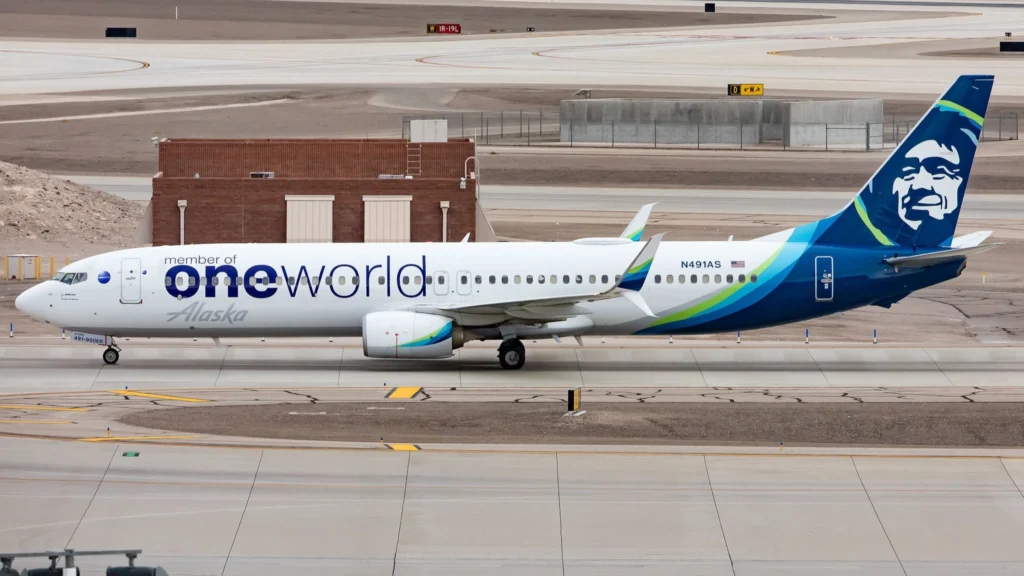
Strategic Hub Plans
According to the Korea Times, Alaska Airlines operates more than 100 destinations from its Seattle hub, making the Incheon link strategically important for onward North American connections.
Passengers arriving from Korea can access cities across the West Coast and deeper into the U.S. mainland.
The carrier believes Incheon has long-term potential as a connecting hub linking the United States with China and Southeast Asia. This strategy aligns with growing cultural and economic exchanges between Korea and North America.
A promotional campaign last year further highlighted the route’s appeal. A three-day buy-one-get-one-free offer generated over 16,000 ticket sales, indicating strong interest in travel to Seoul.
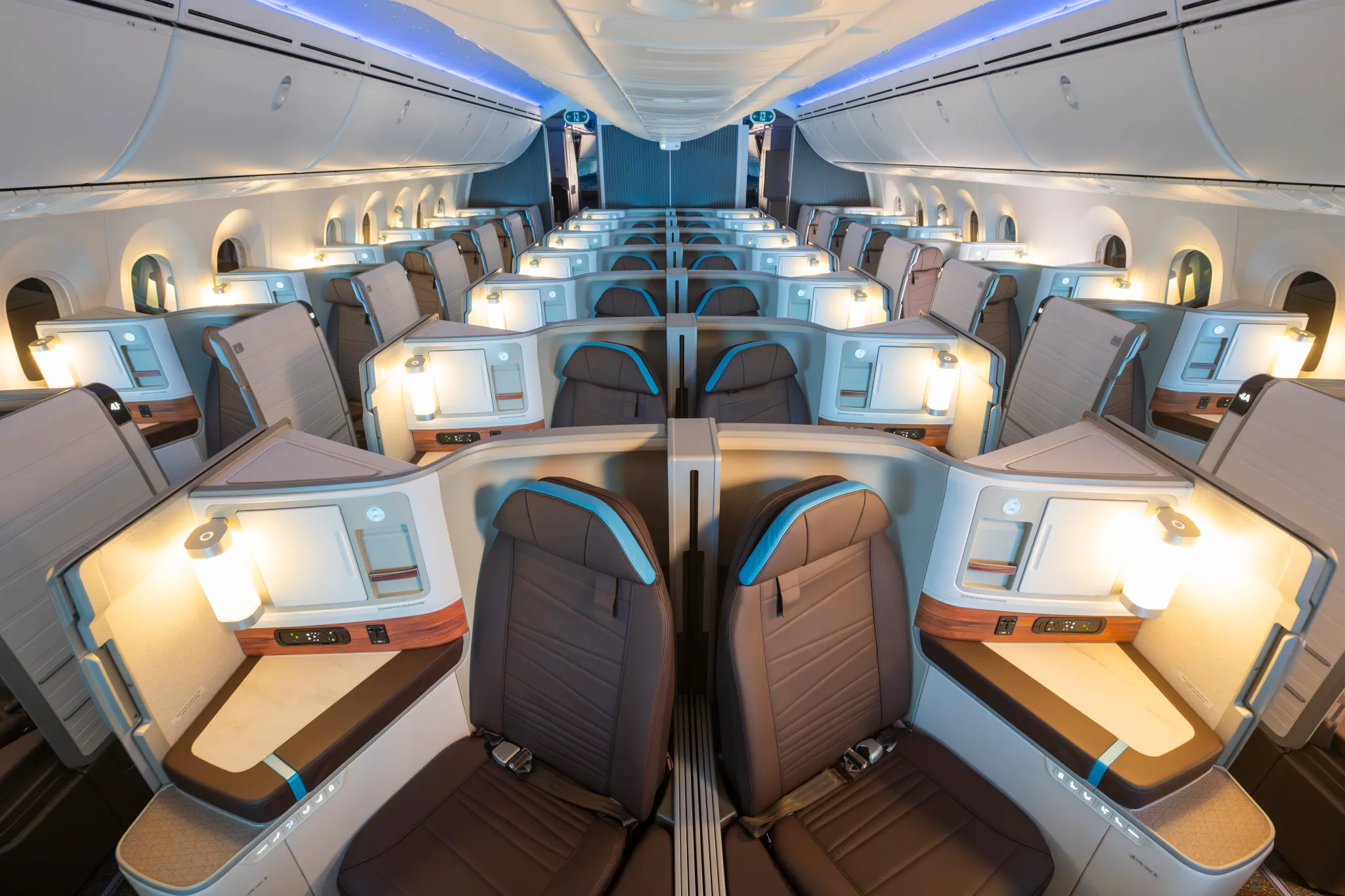
Onboard Product Strategy
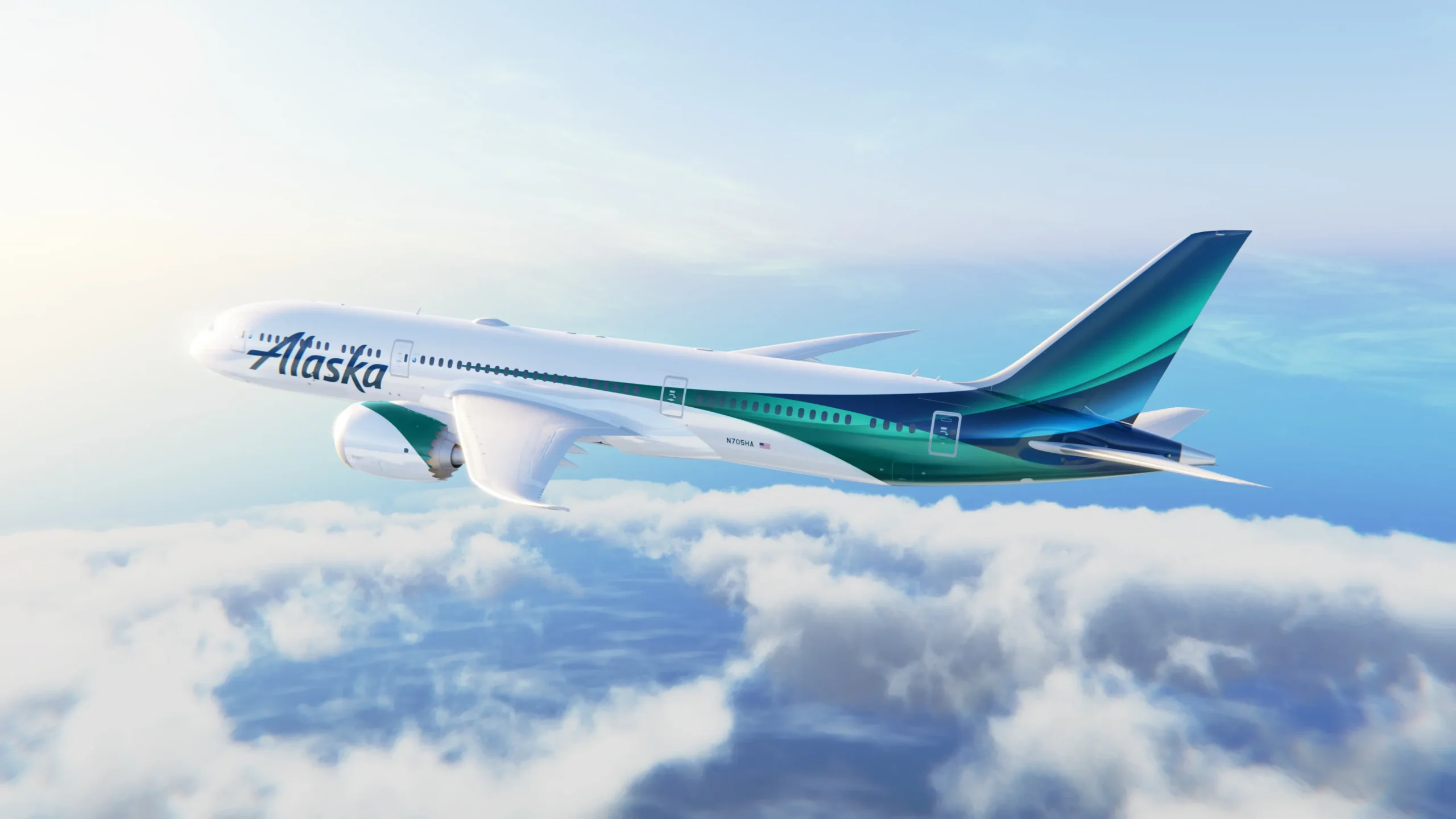
The Incheon route operates with Boeing 787-9 Dreamliner aircraft, offering long-haul comfort and fuel efficiency.
Alaska Airlines plans to introduce Starlink satellite Wi-Fi across its fleet by fall, ensuring high-speed onboard connectivity.
To differentiate its service in the competitive trans-Pacific market, the airline blends Korean and West Coast elements in its onboard offerings. Passengers can enjoy Korean-inspired meals such as chicken bulgogi and jajangmyeon alongside beverages like citrus mint soju cocktails.
Beginning in April or May, the airline will also introduce well-known West Coast brands onboard.
Products from Salt & Straw, Straightaway Cocktails, and Stumptown Coffee aim to create a distinct regional identity during the flight experience.
Alaska Airlines states that this dual-identity approach gives passengers both familiarity and novelty. Travelers can choose Korean flavors or begin their West Coast experience before landing in Seattle.
Bottom Line
The airline sees the Incheon expansion as a strategic investment rather than a single long-haul route.
By combining frequency growth, targeted promotions, and product differentiation, Alaska Airlines is reinforcing Incheon’s role within its broader Asia-Pacific ambitions.
Stay tuned with us. Further, follow us on social media for the latest updates.
Join us on Telegram Group for the Latest Aviation Updates. Subsequently, follow us on Google News
