

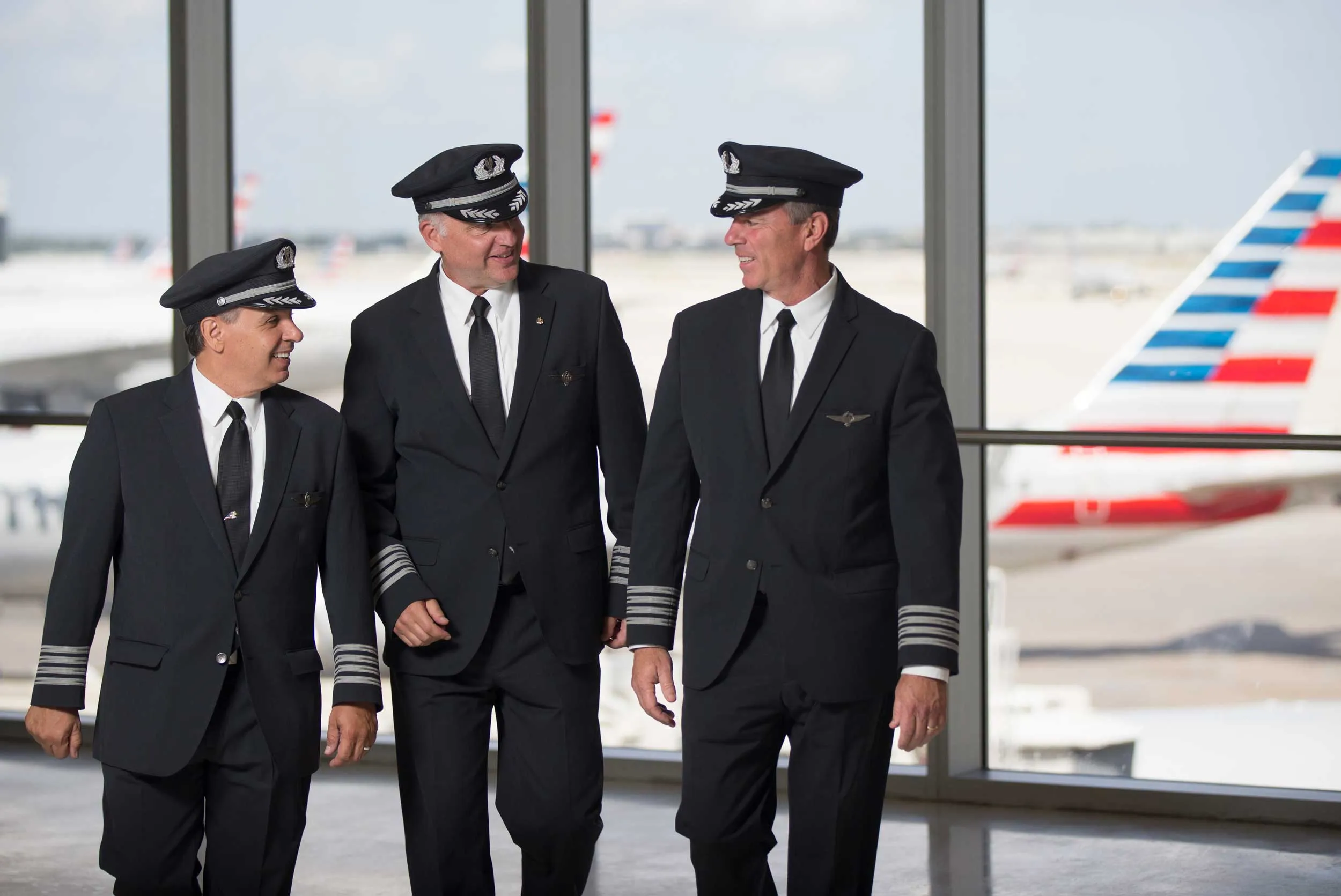
WASHINGTON, D.C.- The Federal Aviation Administration (FAA) has mandated that U.S. airlines certify pilot hiring based solely on merit, excluding diversity initiatives, under new Operations Specifications for Part 121 carriers like United Airlines (UA).
This move aims to prioritize safety but raises questions about its necessity, legality, or whether it serves as political signaling, as air travel remains remarkably safe and safer than other forms of transportation.
Critics argue the mandate may not address real issues, with no evidence from the Department of Transportation (DOT) suggesting any airline’s practices compromise safety.
Airlines, including major cargo carriers, face pilot shortages and have used diversity for recruitment without lowering standards.
FAA Merit-Based Pilot Hiring Mandate
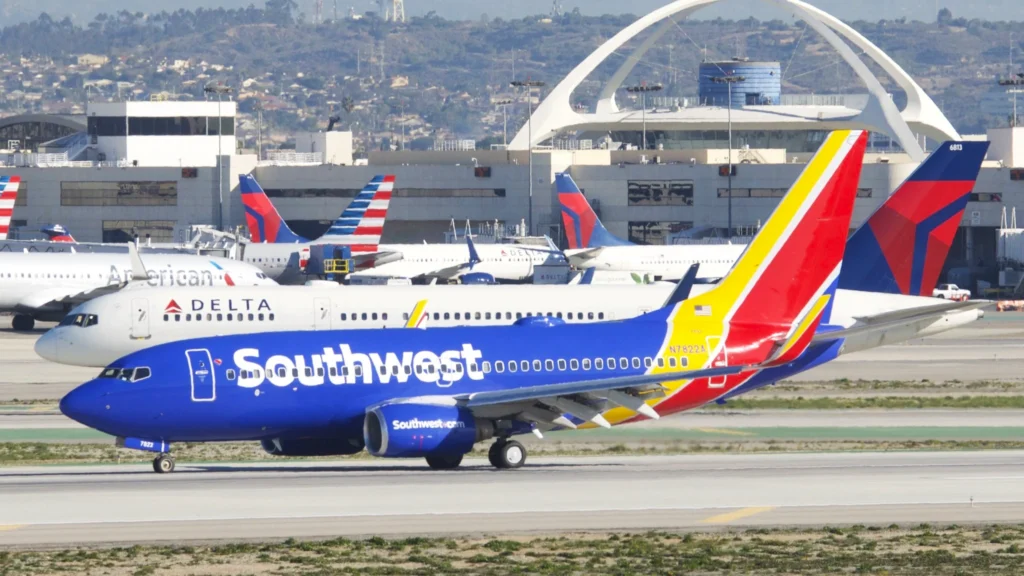
The FAA issued a notice on Friday requiring all Part 121 operators, including scheduled commercial airlines and major cargo carriers, to adopt a merit-based pilot hiring specification.
This ensures hiring decisions support the highest possible degree of safety in the public interest. Principal Operations Inspectors notify carriers, allowing seven days for submissions of information, views, or arguments.
After review, the FAA issues a disposition letter on adoption, partial adoption, or withdrawal, and finalizes the specification within 30 days.
According to View from the Wing, the DOT’s press release overstated the mandate by claiming it terminates hiring based on race or sex, when it actually integrates into each carrier’s Operations Specifications.
Diversity efforts mainly involve recruiting and funding training amid pilot shortages. Businesses seeking success expand talent searches to underrepresented areas. It seems odd to claim pilot hiring has overly focused on diversity.
Addressing Pilot Shortages Through Recruitment
Pilot unions successfully lobbied for the 1,500-hour rule, which increases training time and costs but does not apply in Europe or to European pilots flying in the US.
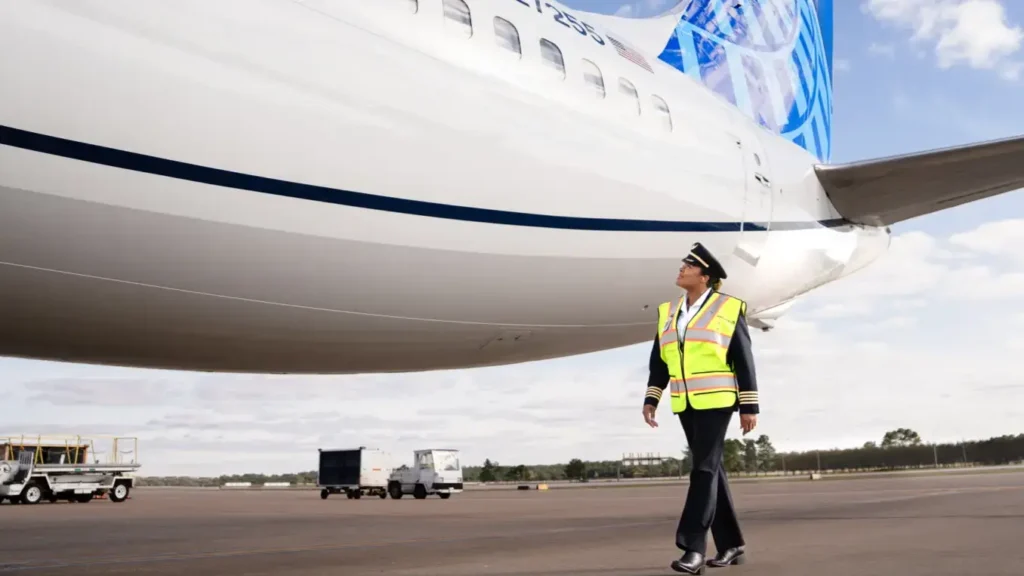
This rule exacerbates shortages, leading airlines to seek potential recruits broadly. Qualified pilots secure jobs without difficulty.
Small cities struggle to retain air service because high pilot costs amortize poorly across a few seats.
Airlines phase out 50-seat regional jets, and few 30-seat turboprops remain at regional carriers. Broadening the pilot pool enables greater merit-based selectivity, improving safety.
Incident Allegations and Diversity Claims
An X post by Ashley St. Clair questioned a United Airlines (UA) incident on July 29 in Denver (DEN), where a plane was nearly totaled after a hard landing.
It alleged the co-pilot was a former flight attendant fired and rehired through United’s DEI program despite a no-return list.
The post also claimed the #2 at the Denver hiring center, onboarded through DEI, changed fail grades for DEI hires to avoid bad numbers, and the instructor who failed the co-pilot asked corporate why they passed him.
Another X post by MFAM Tesla (@JoshuaThePilot) clarified it involved Initial Operating Experience (IOE), noting costly repairs that might total the aircraft depending on age and other factors. No evidence links these claims to safety compromises from diversity.

Examining Legal and Implementation Issues
The mandate’s legality appears uncertain, as it transforms hiring policy into an aviation safety standard under 49 U.S.C. § 44701, acting as a general HR regulator.
The notice provides no evidentiary showing that unqualified pilots get hired, lacking data, findings, standards, or measurable compliance tests, which may fail the Administrative Procedures Act muster.
Operations Specifications typically offer case-specific approvals, yet this mandate applies generally across all Part 121 carriers.
Auditing occurs only if airlines announce violations directly, with investigations as the sole promised penalty.
Political Context in Airline Practices
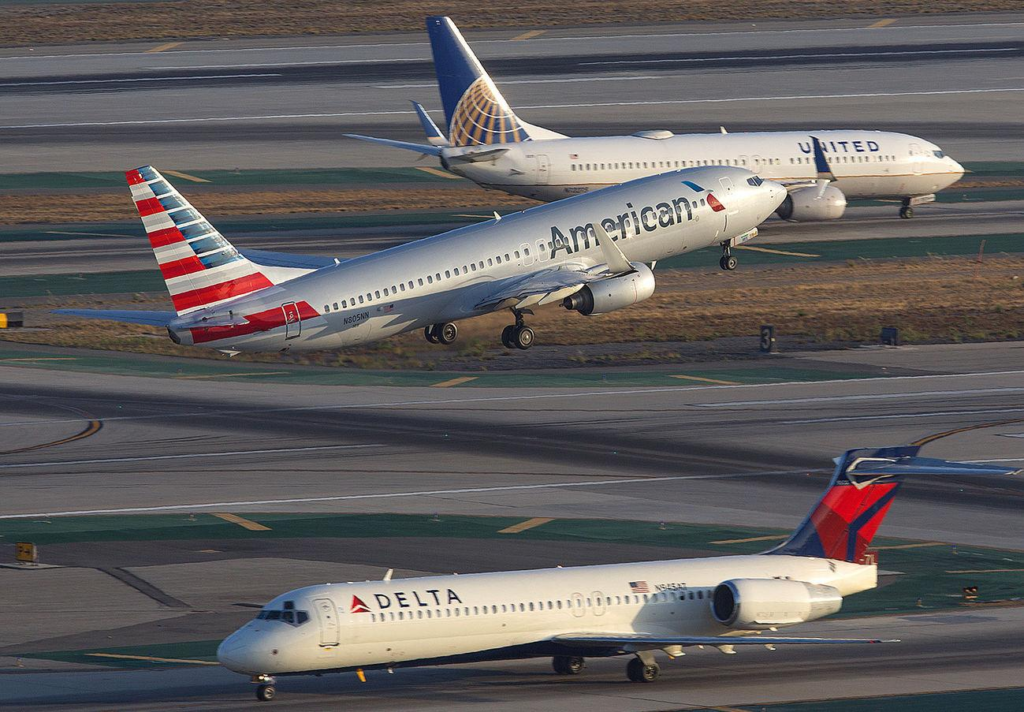
he directive arrives amid shifting political dynamics. During the previous administration, some airlines publicly announced diversity goals.
United Airlines stated an objective that at least half of new pilot trainees would be women or people of color. Under the current regulatory posture, such demographic targets may attract scrutiny.
Public debate intensified following social media posts alleging that a co-pilot involved in a hard landing incident had previously been terminated and rehired through a diversity initiative.
Additional claims suggested that internal evaluation grades were altered to improve diversity metrics and that an instructor questioned corporate leadership after a failed training assessment. No official investigation has confirmed these allegations.
A separate social media comment noted that severe structural repairs after a hard landing can be costly and, depending on aircraft age and damage, may lead to total loss determinations or resale decisions. The FAA has not linked the incident to hiring policies.
The FAA itself previously used diversity-focused selection methods for limited air traffic controller academy slots.
Critics argued that these practices prioritized demographic factors over higher-scoring candidates.
However, all certified controllers must complete required training and obtain proper certification before assignment. The agency has not attributed operational challenges within air traffic control to those selection policies.
Bottom Line
The FAA’s merit-based hiring certification mandate formalizes language connecting pilot hiring practices to aviation safety oversight.
Existing federal regulations already impose uniform qualification standards on all commercial pilots.
The notice does not present evidence of safety degradation linked to diversity programs.
Its long-term impact will depend on legal review, administrative enforcement, and evolving policy priorities across federal leadership.
Stay tuned with us. Further, follow us on social media for the latest updates.
Join us on Telegram Group for the Latest Aviation Updates. Subsequently, follow us on Google News
