

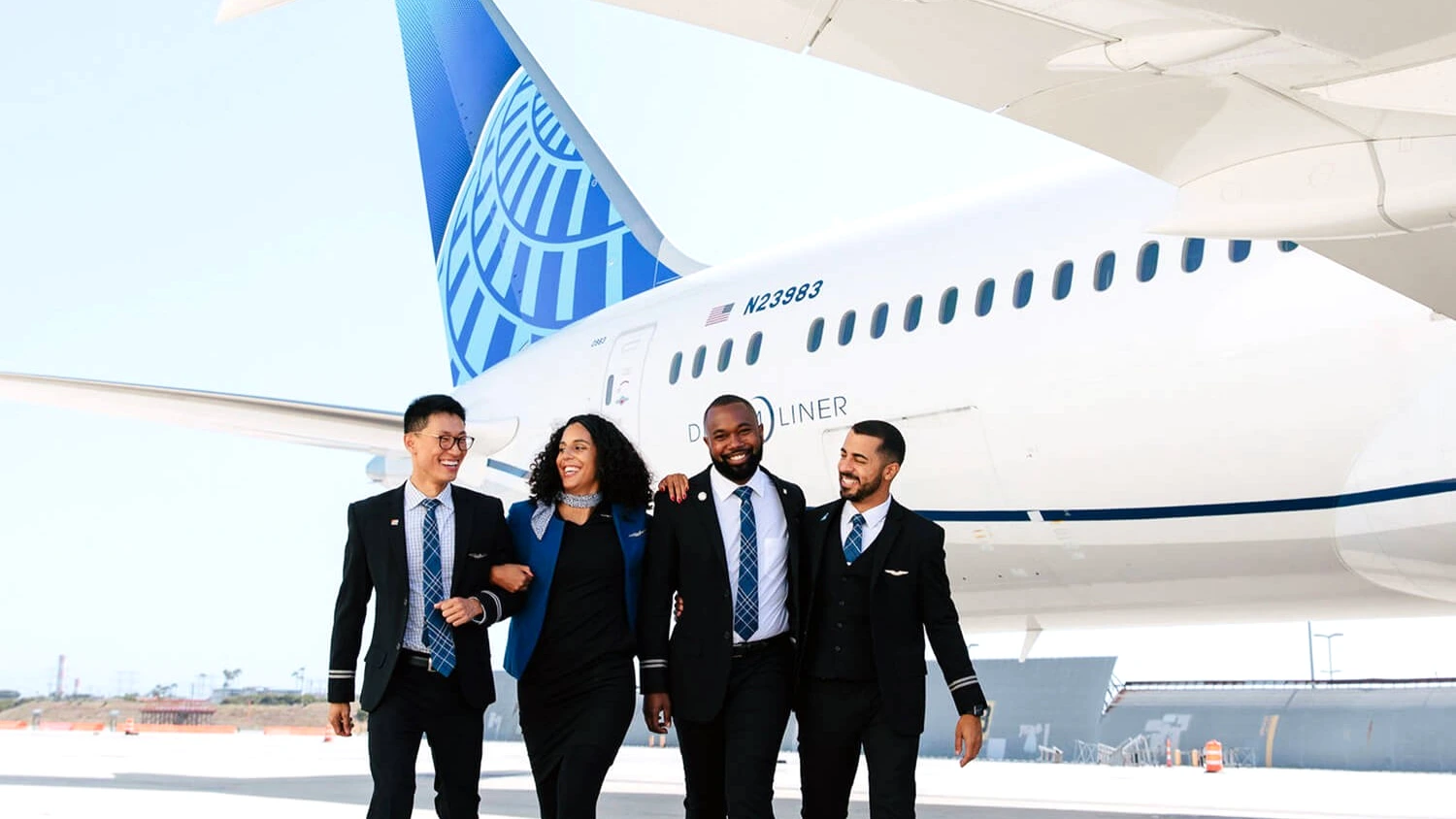
CHICAGO- United Airlines (UA) says it has offered the highest flight attendant pay of any US airline, covering more than 30,000 crew members across all pay steps. The carrier operates from O’Hare International Airport (ORD), its primary hub and corporate base.
The proposal, presented to the Association of Flight Attendants-CWA, promises top-of-industry wages for the full duration of the contract. However, the union is urging members to remain mobilized, arguing that improvements must come without concessions.
United Flight Attendant Pay Proposal
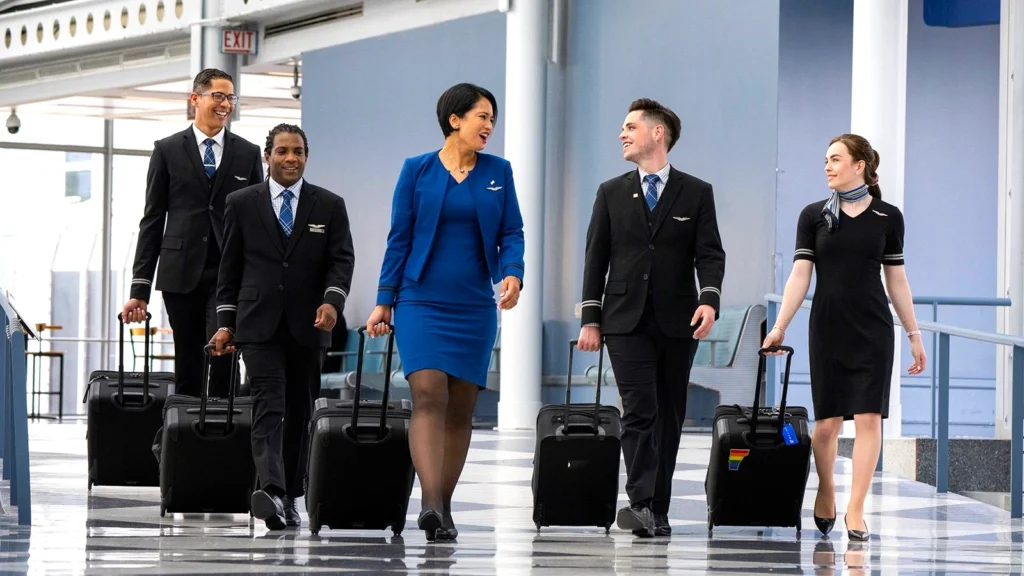
United Airlines states that its latest economic offer would place every flight attendant, from new hires to senior crew, at the top of the US airline pay scale for the entire life of the agreement. The company frames the proposal as industry-leading and comprehensive.
The offer includes a key condition. United insists that substantial wage increases must be balanced with efficiencies or contractual adjustments elsewhere.
In an internal memo reviewed by PYOK, the airline stated it has presented “solutions and pathways” to deliver improvements while keeping the agreement balanced, competitive, and financially sustainable.
The memo further claims that AFA leadership rejected these proposals and has not provided cost offsets or alternative ideas to balance the contract.
This disagreement has defined recent bargaining sessions in Chicago, where negotiators addressed the most complex economic issues.
Sit Pay Versus Full Ground Duty Pay
A central dispute involves compensation for time spent on duty outside active flight hours. Under current practice, flight attendants are generally paid from aircraft pushback rather than from check-in.
The union has long advocated for ground duty pay, which would compensate crew members from the moment they report for work.
The tentative agreement reached in May 2025 did not include this provision, and its absence became a major factor in the rejection vote.
United now proposes expanded “sit pay,” which compensates flight attendants for extended waiting periods between flights.
The airline describes this as meaningful progress on a priority issue. The union maintains that broader ground duty compensation remains a core objective.
Preferential Bidding System and Cost Efficiencies
To fund higher wages and sit pay improvements, United proposes operational efficiencies, including the introduction of a Preferential Bidding System. This system assigns schedules based on ranked preferences and operational needs.
The union has historically opposed this model, citing concerns about scheduling control. United argues that the system would generate long-term savings and states that it would not immediately replace the traditional bidding process.
Preferential Bidding Systems are already used at other major US carriers, including American Airlines (AA), Delta Air Lines (DL), and Alaska Airlines (AS), including airlines represented by the same union.
Contract Timeline and Escalating Pressure
United’s flight attendant contract became amendable in 2021. Negotiations made limited progress for several years. In March 2024, the union filed for federal mediation.
By May 2025, the parties reached a tentative agreement. Approximately 71 percent of participating flight attendants voted against ratification, sending negotiators back to mediation.
This week’s talks in Chicago mark what both sides describe as a critical phase. Only two additional bargaining sessions remain scheduled with federal mediators.
The union told members it is in a “final push to get this across the finish line” and added that “things can progress very quickly” at this stage.
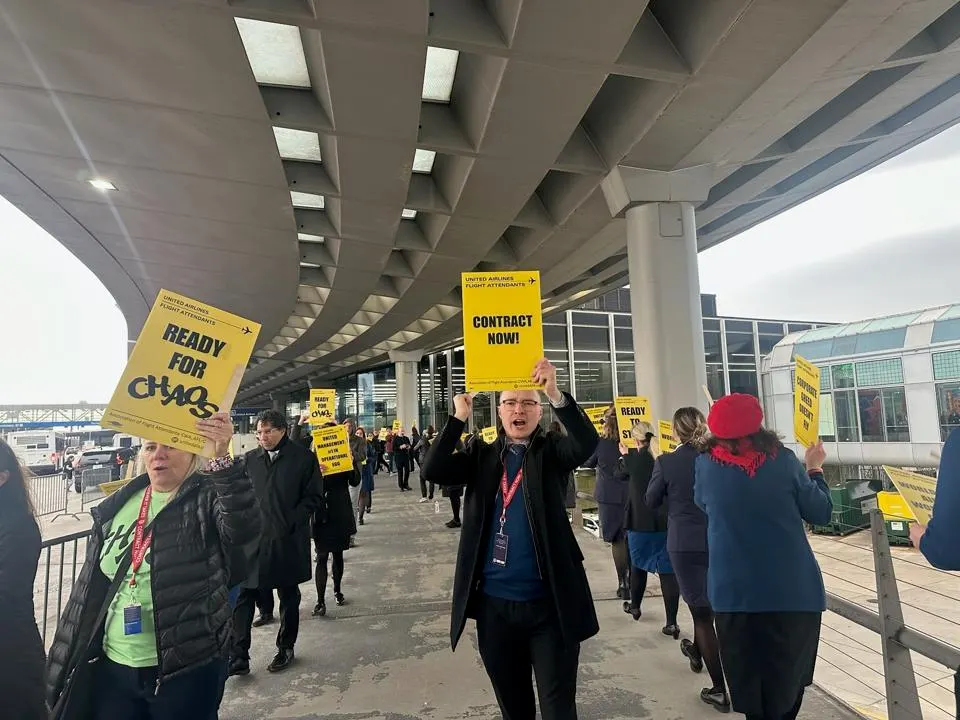
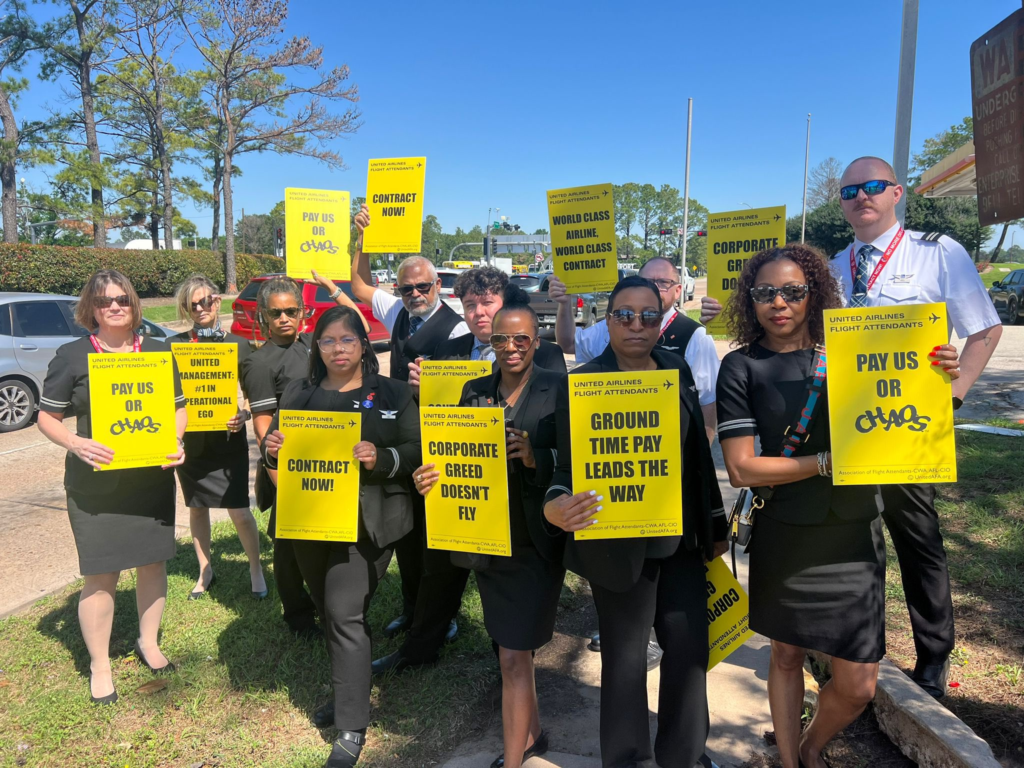
At the same time, the union continues to apply public pressure. Last month, flight attendants staged a noisy protest outside United’s headquarters at Willis Tower in downtown Chicago.
On March 19, the union is calling on members to “get MAD,” meaning Membership Action Day, to demonstrate solidarity and maintain leverage.
What the Outcome May Signal
United maintains that industry-leading wages require balanced contract terms. The union insists that pay increases and working condition improvements must not depend on concessions.
The remaining mediated sessions will likely determine whether both sides can resolve a dispute that has stretched over several years.
The final agreement will shape compensation standards and scheduling practices across one of the largest flight attendant groups in the United States.
Stay tuned with us. Further, follow us on social media for the latest updates.
Join us on Telegram Group for the Latest Aviation Updates. Subsequently, follow us on Google News
