

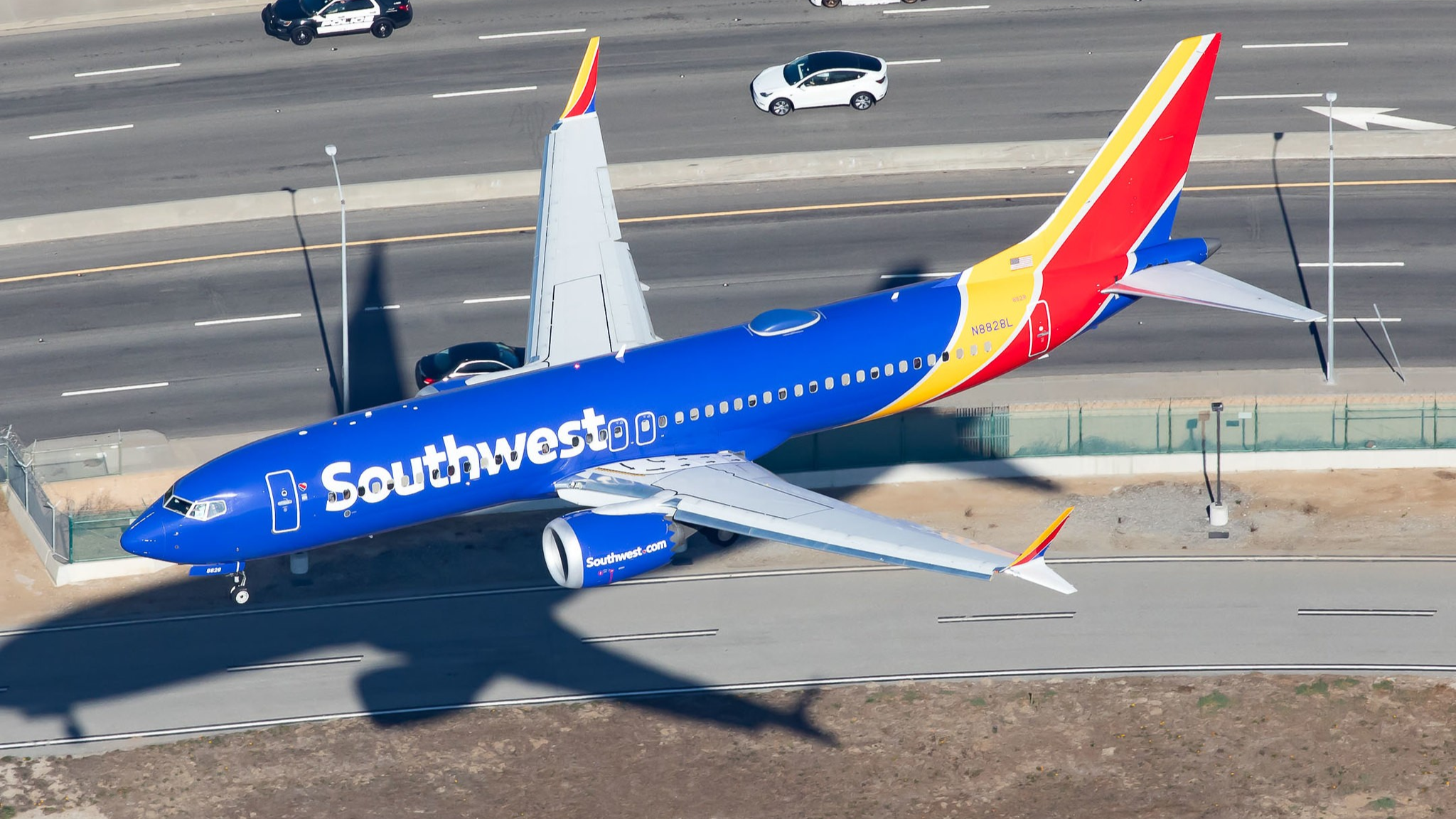
DALLAS- Southwest Airlines (WN) faces strategic changes after activist investor pressure reshaped pricing and operations at its Dallas base. Dallas Love Field (DAL) remains central to the airline’s domestic network as leadership regains control.
Southwest Airlines (WN) introduced bag fees, seat charges, and loyalty changes under investor influence, altering long-standing policies. Dallas (DAL) operations continue to anchor the airline while management reassesses long-term direction.
Investor Pressure and Southwest’s Business Model Shift
Activist investor Elliott Management acquired a significant stake in Southwest Airlines and pushed for major strategic and financial changes. The investor secured board representation and encouraged moves to increase short-term shareholder returns.
Southwest then introduced several changes that marked a departure from its historic customer-friendly model. These included paid assigned seating, baggage fees, expiring travel credits, and adjustments to its Rapid Rewards program. The airline also explored asset sales and balance sheet strategies aimed at funding share buybacks.
Elliott began reducing its stake in late 2025. By early February 2026, filings showed its ownership dropped to around 9 percent, with additional economic exposure through financial instruments. As ownership declined, Elliott representatives resigned from Southwest’s board, and the company reduced board size accordingly.
The investor achieved a temporary share price increase but exited as operational challenges persisted, ViewfromtheWing reported.
Financial Performance and Operational Challenges
Southwest reported profit pressures in 2025 despite temporary benefits from lower fuel prices and credit card revenue accounting adjustments. The airline also conducted its first layoffs in company history, signaling internal restructuring.
Critics argue Southwest weakened its competitive advantage by copying legacy carriers without matching their premium offerings. Unlike competitors, Southwest lacks long-haul international routes, airport lounges, premium cabins, and onboard amenities common on network airlines.
At the same time, the airline faced structural weaknesses that required correction. Operating mainly Boeing 737 variants limited market flexibility, and avoiding online travel agencies reduced visibility to travelers booking through third-party platforms.
These limitations led to lower passenger loads in certain markets, especially where travelers searched flights through platforms that did not display Southwest options.
Distribution and Loyalty Program Limitations
Southwest historically avoided selling through online travel agencies, which prevented many customers from seeing its fares when comparing flights. This decision cost the airline bookings from travelers using bank travel portals and loyalty redemption platforms.
The lack of global airline partnerships further limited customer retention. Travelers flying internationally often shifted loyalty to airlines offering seamless connections and status benefits across global networks.
This gap also weakened Southwest’s co-branded credit card appeal, as customers could not easily earn or redeem rewards for international travel.
Future Direction After Investor Exit
Southwest clearly needed operational modernization and broader market reach. However, analysts question whether abandoning its distinctive customer policies was necessary to achieve those goals.
With activist influence fading, leadership now faces pressure to balance cost control, competitive pricing, and customer loyalty while restoring the airline’s unique identity.
Future success will depend on improving distribution, fleet flexibility, and partnerships without fully discarding the service elements that built Southwest’s brand strength.
Stay tuned with us. Further, follow us on social media for the latest updates.
Join us on Telegram Group for the Latest Aviation Updates. Subsequently, follow us on Google News
